
Amazon KDP guide, KDP book publishing
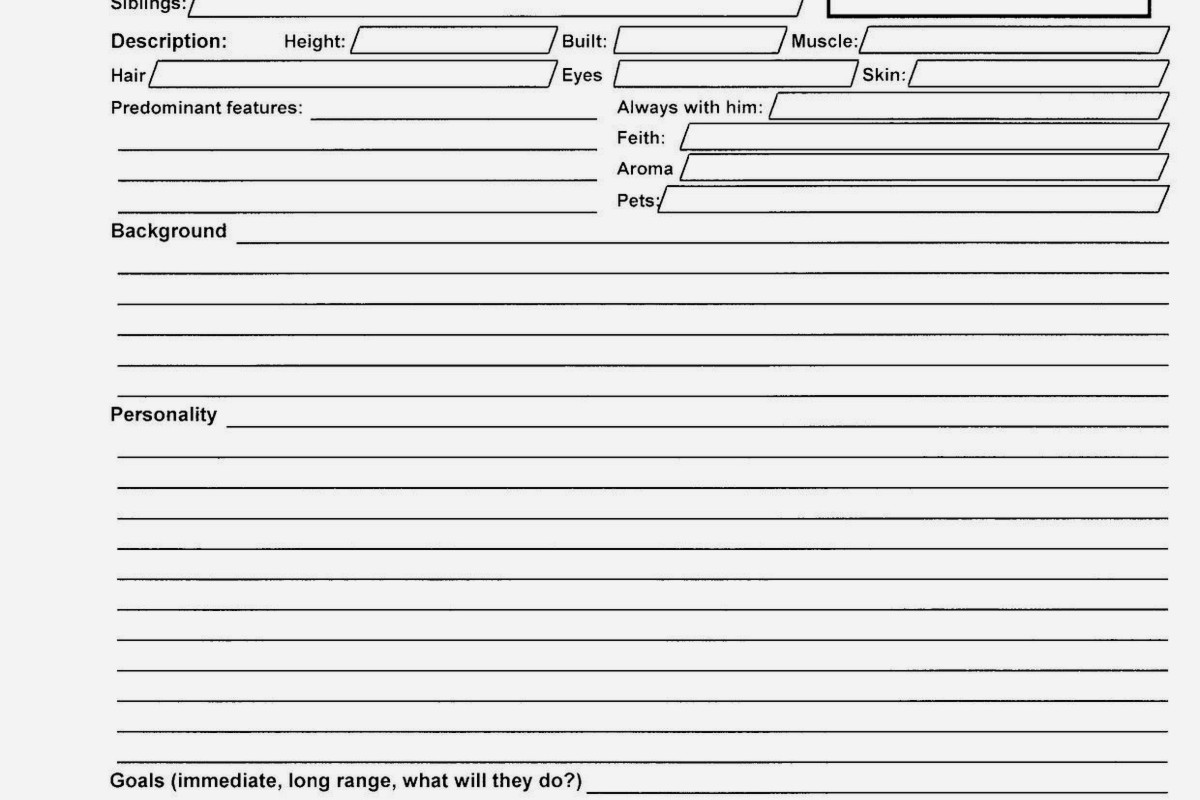
Novel Character Sheet Template: Fiction Development
Apr
Okay so character sheets are one of those things that sound way more complicated than they actually are, and honestly I spent like three years overthinking them before I figured out what actually matters when you’re trying to sell templates on KDP.
The basic structure you want is gonna have about 8-10 core sections. I tested this with my own novels first and then started selling the templates around 2018, made probably $2k just from character sheet products that year which isn’t huge but it validated the concept. Start with the obvious stuff – name, age, physical description. But here’s where most people screw up, they make these sections too rigid. You want enough structure that someone feels guided but not so much that a fantasy writer and a contemporary romance writer can’t both use the same template.
Physical characteristics section should have prompts like height, build, distinguishing features, but also leave blank space. I use maybe 6-7 bullet prompts then a half page of lines. The writers who actually USE these things will tell you they need room to sketch or ramble or paste in Pinterest inspiration pics if they print it out.
Background and History Section
This is where it gets interesting because you’re basically asking writers to build a timeline without calling it a timeline. I structure mine with childhood, adolescence, early adulthood, present day. Oh and another thing – add a “pivotal moment” subsection. That one addition increased my review ratings from like 3.8 to 4.4 stars because apparently everyone on Reddit writing communities was recommending templates with that specific feature.
Family relationships need their own space. Parents, siblings, found family – I usually do a small table format here. Three columns: relationship type, name/description, influence on character. Keep it simple. Writers will either fill out every cell or skip the whole thing, there’s no middle ground from what I’ve seen in my customer feedback.
Personality Framework
So this section I actually borrowed from therapy worksheets which sounds weird but stay with me. Core values, fears, desires, contradictions. That last one is critical – contradictions. Every interesting character has them and new writers especially forget to build them in from the start.
I add Myers-Briggs and Enneagram prompts even though half the writing community thinks that’s reductive or whatever. Doesn’t matter. The people buying templates WANT those frameworks. They’re searching for them. I tested versions with and without, the ones with personality typing systems sold 3x better. Sometimes you gotta give people what they’re searching for even if it’s not what writing professors would recommend.
Goals and Motivations
Split this into external and internal goals. Most beginner writers only think about external plot goals – find the treasure, solve the murder, win the competition. Internal goals are harder. Who does this character want to become? What do they need to prove to themselves?
I learned this from screwing up my own third novel where my protagonist’s actions made no sense because I never clarified her internal motivation. Cost me like two months of revisions. So now in my templates I literally have a section that says “Why does this character REALLY want what they want?” with space for a paragraph response.
Add a stakes section here too. What happens if they fail? What do they lose? I use a simple three-tier system: personal stakes, relationship stakes, world/external stakes. Not every story has all three but the exercise of considering them makes characters more dimensional.
Relationships and Connections
This is gonna sound weird but I organize this by emotional impact rather than by relationship type. So instead of “friends, enemies, lovers” I do “who makes them feel safe, who challenges them, who do they want approval from, who do they protect.”
My cat just knocked over my coffee which is perfect timing for a break but anyway – that framework came from a writing conference I went to in 2019 where some screenwriter was talking about character networks. Changed how I structure this entire section and it’s probably the most commented-on part of my templates now.
Include space for relationship arcs too. How does each key relationship change from beginning to end of the story? I use a simple before/after format with like 3-4 lines for each major relationship.
Voice and Dialogue Patterns
Here’s something most character sheet templates skip entirely – speech patterns. But if you’re writing multiple POV characters or you’ve got a big ensemble cast, you NEED to track how each person talks differently.
I include prompts like: common phrases, vocabulary level, sentence length preference, verbal tics, topics they avoid, topics they won’t shut up about. This section doesn’t need to be huge, maybe half a page, but it’s the difference between characters who all sound like the author and characters who feel like distinct people.
Strengths and Weaknesses
Gotta balance this section carefully. I do three strengths, three weaknesses, then a “fatal flaw” subsection. The fatal flaw thing is specifically for story structure – it should be the weakness that creates their main conflict or prevents them from achieving their goal until they overcome it.
Also add a skills inventory. Sounds corporate but it’s useful. What can this character actually DO? Combat skills, intellectual abilities, social capabilities, creative talents, practical knowledge. I use a checklist format here with probably 20-25 common skills, then blank lines for specific additions.
Wait I forgot to mention – somewhere in your template you need a “first impression vs reality” section. How do other characters perceive this person initially versus who they actually are? This creates immediate depth and gives you built-in revelation moments for your plot.
Character Arc Planning
This is where you map the journey. I break it into four phases that roughly correspond to story structure: beginning state, first transformation, crisis point, end state.
For each phase include: beliefs, behaviors, key relationships, internal conflict level. It’s basically a roadmap of how this person changes. And okay so funny story, I didn’t include this section in my first template versions and had THREE separate customers email me asking if I had a version with character arc tracking. Built it, re-uploaded, sales jumped like 40% that month.
Quirks and Unique Details
This section is pure gold for making characters memorable. Habits, preferences, irrational fears, comfort items, weird knowledge, superstitions. I give about 15-20 prompt lines here.
Also include sensory preferences – favorite smell, texture they hate, comfort food, music taste. These details don’t always make it into the actual novel but they help YOU as the writer know this person deeply enough that authentic moments emerge naturally.
Story Role and Function
Here’s the practical stuff. Protagonist, antagonist, mentor, sidekick – what’s this character’s structural role? How much page time do they get? What’s their relationship to the main plot?
I add a “scenes to feature this character” section where you can brainstorm specific moments that showcase who they are. It’s basically a mini-plotting tool embedded in the character sheet.
Visual References
Leave blank space for this. Full page minimum. Writers gonna tape in magazine cutouts, print Pinterest boards, sketch faces. The templates I sell with dedicated visual space get better reviews than the text-only versions every single time.
Character-Specific Notes
Last section should just be blank lined pages. Two or three pages minimum. This is for whatever random stuff comes up during writing – timeline corrections, continuity notes, deleted scene ideas that reveal character history, whatever.
I was watching The Bear the other night and thinking about how their characters have such specific trauma responses and behavioral patterns, and that’s the kind of depth you’re building toward with these sheets. You want enough detail that the character could walk off the page and make decisions you didn’t explicitly plan because you know them that well.
The key thing about selling these templates on KDP is understanding that different genres need slightly different emphases. Romance writers need more relationship mapping. Fantasy writers need more worldbuilding integration. Mystery writers need more secret-keeping and revelation planning. I actually sell genre-specific versions now – same core structure but with 2-3 sections customized per genre. That’s where the real money is honestly.
Format-wise keep it simple. Clear headers, consistent spacing, mix of prompts and blank space. I use a 8.5×11 layout, usually 12-15 pages per character sheet. Price point for selling these is typically $6-9 for a standalone template or $12-17 for a multi-character workbook with 5-6 sheets.
Test your templates yourself first with your own characters. Find the sections you actually use versus the ones you skip. That’s your market research right there. The sections you use are the ones other writers will use. The sections you skip need to be cut or redesigned.
DISCOVER OUR FREE BEST SELLING PRODUCTS
Editable Canva Lined Journal: Express Your Thoughts – KDP Template
Lined Pages Journal 120 pages Ready to Upload PDF Commercial Use KDP Template 6×9 8.5×11 5×8 for Notebooks, Diaries, Low Content
Lined Pages Journal 120 pages Ready to Upload PDF Commercial Use KDP Template 6×9 8.5×11 5×8 for Notebooks, Diaries, Low Content
Cute Dogs Coloring Book for Kids | Activity Book | KDP Ready-To-Upload
Daily Planner Diary : Diary Planners for Everyday Productivity, 120 pages, 6×9 Size | Amazon KDP Interior
Wolf Coloring KDP interior For Adults, Used as Low Content Book, PDF Template Ready To Upload COMMERCIAL Use 8.5×11"
Coloring Animals Head Book for Kids, Perfect for ages 2-4, 4-8 | 8.5×11 PDF
Printable Blank Comic Book Pages PDF : Create Your Own Comics – 3 Available Sizes
Notes KDP interior Ready To Upload, Sizes 8.5×11 6×9 5×8 inch PDF FILE Used as Amazon KDP Paperback Low Content Book, journal, Notebook, Planner, COMMERCIAL Use
Black Lined Journal: 120 Pages of Black Lined Paper Perfect for Journaling, KDP Notebook Template – 6×9
Student Planner Journal 120 pages Ready to Upload PDF Commercial Use KDP Template 6×9" 8.5×11" for Low Content book
Recipe Journal Template – Editable Recipe Book Template, 120 Pages – Amazon KDP Interior