
Amazon KDP guide, KDP book publishing
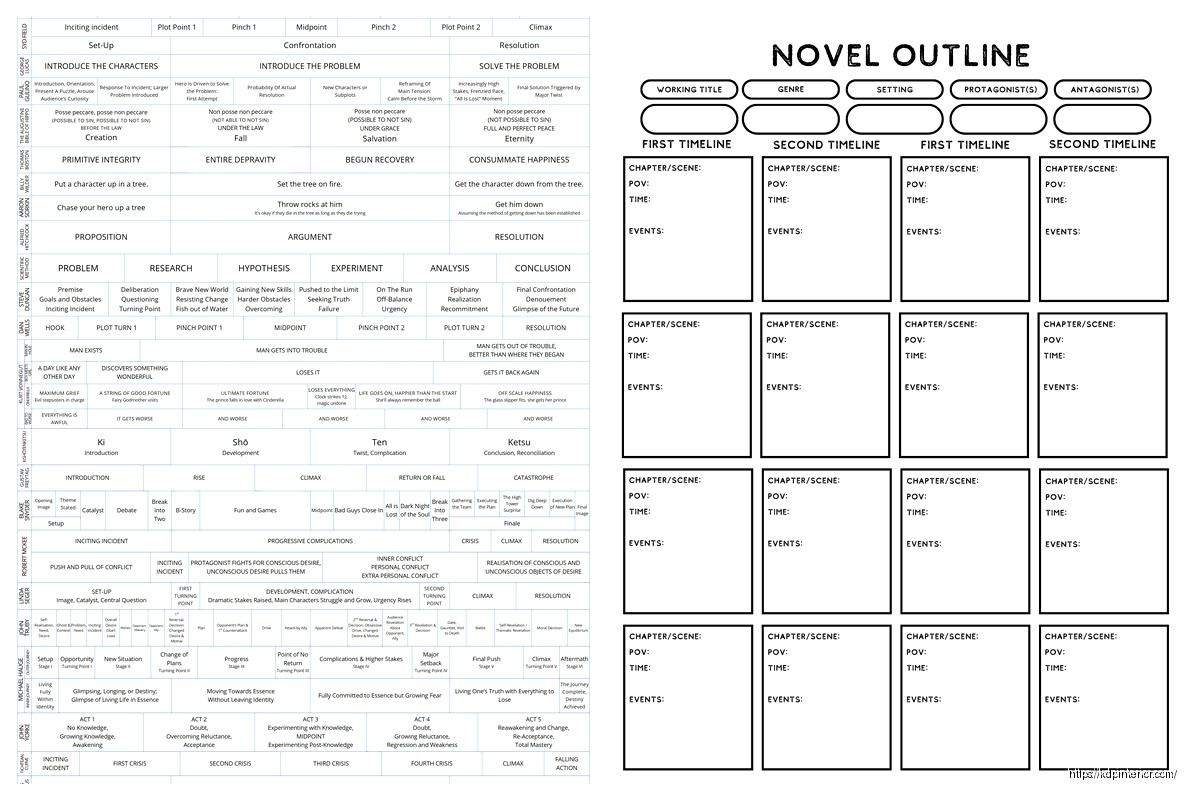
Book Outline Template: Story Planning Framework
Apr
Okay so I just spent like three hours yesterday reworking an outline template because an author kept messaging me about how her story kept going off the rails, and here’s what actually works…
The biggest mistake everyone makes is thinking they need some complicated 50-page outline before writing anything. That’s BS. You need structure, yeah, but not a straitjacket. I’ve published over 200 books and the ones that actually sold consistently? They had outlines that were more like… I dunno, scaffolding you can still move around.
Start With Your Core Story Anchor
First thing – and I mean literally open a doc right now and do this – write down three things: protagonist’s starting point, what they want more than anything, and what’s standing in their way. That’s it. Don’t overcomplicate this part.
For example, when I was outlining this thriller last month (while my cat kept walking across my keyboard, super helpful), I wrote: “Sarah is a forensic accountant who discovers her firm is laundering money, she wants to expose them without getting killed, but the senior partner is her mentor and father figure.”
Everything else builds from that anchor. You’d be shocked how many outlines I see that don’t have this clarity, and then the author wonders why their middle section feels mushy.
The Beat Sheet Framework That Actually Works
So there’s a bunch of beat sheet methods out there – Save the Cat, Story Grid, whatever. Here’s what I’ve found works for KDP authors who just wanna get their book done: use a modified 8-point structure.
Opening Image: Show your protagonist in their normal world. This should contrast with where they’ll end up. Like 2-3 chapters max if you’re writing a novel.
Catalyst/Inciting Incident: The thing that disrupts everything. Usually happens around 10-15% into your story. This isn’t just “something happens” – it’s the specific event that kicks off your protagonist’s journey.
Debate/Reaction: They resist the change. They try to go back to normal. This is super important because readers need to see why your character can’t just… ignore the problem.
Break Into Act Two: They commit to the journey. Make a decision they can’t undo.
Oh and another thing – this is where a lot of outlines get fuzzy. Act Two is like 50% of your book, so you gotta break it down more. I usually split it into:
Fun and Games: The promise of your premise. If it’s a romance, this is the falling in love part. If it’s a mystery, this is the investigation. Around 25-50% of your story.
Midpoint: A false victory or false defeat. Everything seems great OR everything seems terrible. Stakes raise.
Bad Guys Close In: Things fall apart. Relationships crack. Plans fail. This section should feel increasingly desperate.
All Is Lost: The lowest point. Around 75% through. Your protagonist loses what they thought they needed.
Dark Night of the Soul: They wallow. They consider giving up. Sometimes this is a paragraph, sometimes a chapter.
Break Into Act Three: They figure out what they actually need (vs what they wanted). New plan.
Finale: The confrontation. Resolution of all story threads. Changed protagonist.
Final Image: Mirror of opening image, showing change.
The Chapter-by-Chapter Breakdown Method
Wait I forgot to mention – once you’ve got your beats identified, you need to translate them into actual chapters. This is where most templates fail you because they stay too high-level.
What I do (and what I tell my consulting clients) is create a spreadsheet. Yeah yeah, I know, spreadsheets sound boring, but trust me. Three columns: Chapter Number, Scene Goal, POV Character (if you’ve got multiple).
Under each beat, list out the specific scenes you need. Like under “Catalyst” maybe you’ve got:
– Chapter 2: Sarah discovers the discrepancy in the accounts
– Chapter 3: She digs deeper and finds the pattern
– Chapter 4: She accidentally alerts someone to her investigation
See how that’s concrete? You can actually write those chapters because you know what needs to happen.
Scene Cards Work Better Than You Think
This is gonna sound old school but whatever – I use index cards. Digital ones in Scrivener or physical ones, doesn’t matter. One scene per card.
On each card write:
– POV character
– Scene goal (what does this character want in THIS scene)
– Conflict (what’s preventing them from getting it)
– Disaster/outcome (how does it end badly or unexpectedly)
– Emotional shift (how does the character change)
You don’t need full sentences. Just enough that when you sit down to write, you’re not staring at a blank page wondering what happens next.
I was watching that show The Bear the other night and it struck me how every scene has that tension, that forward momentum – that’s what you’re building with these cards. Each one should make the reader need to know what happens next.
Character Arc Integration
Okay so here’s where people’s outlines usually fall apart – they outline the plot but forget the character arc needs to map to it.
Your protagonist should have an internal flaw or misbelief at the start. Like Sarah from my example might believe that rules and procedures will protect her, that institutions are fundamentally good. Her arc is learning that sometimes you have to break the system to fix it.
At each major beat, note how this belief is challenged:
– Catalyst: First crack in her worldview
– Midpoint: She tries to work within the system and it fails
– All Is Lost: The system actively works against her
– Finale: She acts outside the system to win
This integration is what makes a story feel cohesive instead of just “stuff happening.”
The Subplot Tracking Problem
Multiple subplots are where outlines get messy real fast. I’ve got a method that helps though.
Create a separate mini-outline for each subplot using the same beat structure, but compressed. A romance subplot doesn’t need all 12 beats – maybe it’s got 5 or 6 key moments.
Then – and this is important – mark on your main chapter outline where these subplot beats intersect with your main plot. Color coding helps. I use:
– Red for main plot
– Blue for romance subplot
– Green for secondary character arc
– Yellow for thematic elements
When you can see it visually, you notice if you’ve got ten chapters in a row with no romance development, or if your secondary character disappears for half the book.
Theme Threading
This is more advanced but if you wanna write books that stick with readers… identify your theme early. Not heavy-handed, just know what you’re exploring.
In your outline, mark 3-5 places where you’ll explore this theme through different angles. Maybe it’s “the cost of ambition” – show it through your protagonist’s choices, through a secondary character who made different choices, through a cautionary tale, through imagery and setting.
Don’t be obvious about it. Just know it’s there.
Flexibility Points You Gotta Build In
Here’s something I learned the hard way after my first like 50 books – your outline needs flex points. These are places where you’ve noted “something big happens here” but you haven’t decided exactly what yet.
Usually I leave flex points at:
– The midpoint (I know the stakes raise, but sometimes the specific event reveals itself while writing)
– The break into act three (how they figure out the solution sometimes emerges from earlier scenes)
– Minor subplot resolutions
If you over-outline, you’ll feel constrained while writing and the prose gets stiff. Leave yourself room to discover stuff.
The Reverse Outline Trick
Oh wait, one more thing that’s super useful – after you’ve got your forward outline, try this: start at your ending and work backwards.
If your protagonist ends up exposing the corruption and rebuilding their career on their own terms, what had to happen right before that? And before that? And before that?
This reverse engineering often reveals plot holes or missing motivation beats that you didn’t catch going forward. I do this for every book now and it saves so much revision time later.
Keeping Your Outline Usable During Drafting
The outline is only useful if you actually reference it while writing. Sounds obvious but you’d be surprised.
I keep mine in a separate document that’s always open next to my manuscript. As I finish each scene, I highlight it in green. Scenes I’m struggling with get highlighted in orange so I can skip and come back.
Sometimes I realize a scene isn’t working and needs to be cut or combined – I just note that in red and keep going. The outline is a living document, not scripture.
Also – this might just be me but I find it helpful to track my daily word count next to each chapter in the outline. Helps me see pacing issues. If chapter 5 balloons to 8000 words, maybe it’s actually two chapters, or maybe there’s fluff.
Common Outline Pitfalls
Real quick, things that tank outlines:
Too much backstory planned: You don’t need to outline every detail of your character’s past. Just what’s relevant to this story.
Episodic structure: If your outline reads like “and then this happens, and then this happens” without escalation, you’ve got a problem. Each event should raise stakes.
Missing character agency: Things shouldn’t just happen TO your protagonist. They need to make choices that drive the plot forward.
Unclear obstacles: If you can’t articulate exactly what’s preventing your character from getting what they want in each scene, readers will feel that vagueness.
No personal stakes: The world-ending threat is fine but what does your specific protagonist lose if they fail? Make it personal.
Look, I’ve outlined books in 2 hours and I’ve outlined books over 2 weeks. The complexity you need depends on your genre, your experience level, and your personal writing process. Some people need every scene detailed. Some people just need the major beats and they figure out the rest while drafting.
The template I’ve laid out here is modular – take what works, adapt what doesn’t. The goal is to have enough structure that you don’t get lost in the middle of your manuscript (because that’s where most unfinished books die), but not so much that you’ve strangled all the creativity out of the process.
Start with the 8-point structure, add your character arc tracking, throw in your subplot beats, and you’ve got a solid framework. Everything else is just detail work.


DISCOVER OUR FREE BEST SELLING PRODUCTS
Editable Canva Lined Journal: Express Your Thoughts – KDP Template
Lined Pages Journal 120 pages Ready to Upload PDF Commercial Use KDP Template 6×9 8.5×11 5×8 for Notebooks, Diaries, Low Content
Lined Pages Journal 120 pages Ready to Upload PDF Commercial Use KDP Template 6×9 8.5×11 5×8 for Notebooks, Diaries, Low Content
Cute Dogs Coloring Book for Kids | Activity Book | KDP Ready-To-Upload
Daily Planner Diary : Diary Planners for Everyday Productivity, 120 pages, 6×9 Size | Amazon KDP Interior
Wolf Coloring KDP interior For Adults, Used as Low Content Book, PDF Template Ready To Upload COMMERCIAL Use 8.5×11"
Coloring Animals Head Book for Kids, Perfect for ages 2-4, 4-8 | 8.5×11 PDF
Printable Blank Comic Book Pages PDF : Create Your Own Comics – 3 Available Sizes
Notes KDP interior Ready To Upload, Sizes 8.5×11 6×9 5×8 inch PDF FILE Used as Amazon KDP Paperback Low Content Book, journal, Notebook, Planner, COMMERCIAL Use
Black Lined Journal: 120 Pages of Black Lined Paper Perfect for Journaling, KDP Notebook Template – 6×9
Student Planner Journal 120 pages Ready to Upload PDF Commercial Use KDP Template 6×9" 8.5×11" for Low Content book
Recipe Journal Template – Editable Recipe Book Template, 120 Pages – Amazon KDP Interior