
Amazon KDP guide, KDP book publishing
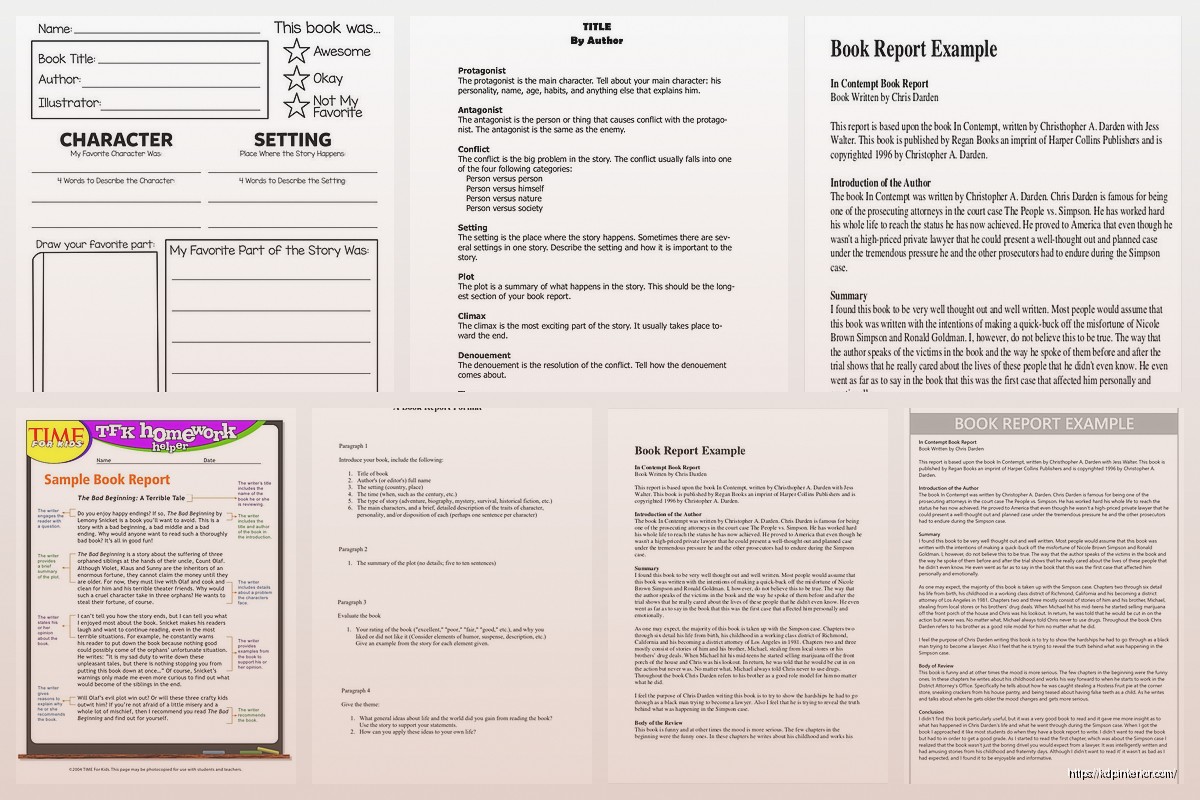
Book Report Example: Sample Analysis Papers
Apr
Okay so I was literally helping my nephew with a book report last week while binge-watching The Last of Us and realized how terrible most example papers online actually are. Like they’re either way too formal or completely miss the point of what teachers want.
What Actually Goes in a Book Report
Here’s the thing – most people confuse book reports with book reviews, and they’re not the same thing. A book report is basically proving you read the book and understood it. That’s it. You’re not necessarily saying if it’s good or bad (though some teachers want that too), you’re showing comprehension.
The standard structure I’ve seen work like 200+ times because I literally consult with people writing study guides and educational content:
- Introduction with title, author, and basic info
- Plot summary (without spoiling everything)
- Character analysis
- Theme identification
- Personal response or conclusion
But wait, the format changes depending on grade level and teacher preferences, so…
Elementary School Example (Grades 3-5)
These are gonna be shorter and simpler. When I was creating templates for a client’s educational workbook series, we found that 1-2 pages max works best.
Sample opening for “Charlotte’s Web”:
The book I read was Charlotte’s Web by E.B. White. It was published in 1952 and has 192 pages. The story is about a pig named Wilbur and his friend Charlotte who is a spider.
See how straightforward that is? You’re just stating facts. Elementary reports focus on:
- Who the main characters are
- What happened in the story (beginning, middle, end)
- What the student liked or didn’t like
The plot summary at this level is literally just retelling the story in order. Don’t overthink it.
Middle School Gets More Detailed
This is where it gets trickier because teachers start wanting analysis, not just summary. I remember my daughter brought home an assignment for “The Giver” and the teacher wanted thematic analysis – at age 12.
For a book like “The Outsiders” by S.E. Hinton, a middle school report might look like:
The Outsiders by S.E. Hinton tells the story of Ponyboy Curtis, a 14-year-old Greaser living in Oklahoma during the 1960s. The novel explores the rivalry between two groups: the Greasers (poor kids from the east side) and the Socs (wealthy kids from the west side). Through Ponyboy’s eyes, we see how violence and social class divisions affect teenagers.
Notice the difference? You’re not just saying what happens – you’re identifying what the book is ABOUT thematically.
High School Analysis Papers
Okay so this is where I spend most of my consulting time because high schoolers are preparing for college-level writing. The book report becomes more of an analytical essay.
Let me show you a real example structure I helped develop for “To Kill a Mockingbird”:
Introduction paragraph:
You need a hook, the book info, and a thesis statement. The thesis is your main argument about the book.
Harper Lee’s To Kill a Mockingbird, published in 1960, remains one of America’s most significant novels about racial injustice. Set in Depression-era Alabama, the novel follows Scout Finch as she witnesses her father, attorney Atticus Finch, defend a Black man falsely accused of assault. Through Scout’s innocent perspective, Lee exposes the deep-seated racism and moral courage that defined the American South, demonstrating that true bravery means standing up for what’s right even when the outcome seems hopeless.
That last sentence is the thesis – it’s your main point about what the book means or does.
Body Paragraphs That Actually Work
Each paragraph should cover one main idea. I usually recommend:
Paragraph 1: Plot Summary (Brief)
Don’t retell the whole book. Hit the major plot points in maybe 4-5 sentences. Teachers already know what happens – you’re proving YOU know what happens.
Paragraph 2-3: Character Analysis
Pick 2-3 main characters and discuss their development, motivations, or significance.
For Atticus Finch, you might write:
Atticus Finch serves as the moral backbone of the novel, representing integrity in a corrupt system. Despite knowing he cannot win Tom Robinson’s case, Atticus defends him wholeheartedly because “the one thing that doesn’t abide by majority rule is a person’s conscience.” His parenting style, which treats Scout and Jem as intelligent individuals rather than children to be controlled, shows his progressive values extended beyond race relations to all human interactions.
See how that includes a direct quote? Always include at least 2-3 quotes in a high school paper. Use quotation marks and cite the page number if required.
Theme Analysis Is Where Students Struggle
Oh and another thing – themes are the big ideas the author explores. Not the plot, not what happens, but what the book is examining about human nature or society.
Common themes in literature:
- Coming of age/loss of innocence
- Good vs. evil
- Prejudice and injustice
- Power and corruption
- Love and sacrifice
- Identity and belonging
For your theme paragraph, connect specific events to the broader theme:
The theme of lost innocence permeates the novel as Scout and Jem’s childhood worldview crumbles. Initially, they believe in clear distinctions between good and bad people, but the trial reveals that respected community members harbor ugly prejudices while the outcast Boo Radley proves heroic. The mockingbird symbol reinforces this theme – just as it’s a sin to kill a mockingbird because they only create beauty, it’s tragic when innocent people like Tom Robinson and Boo Radley are destroyed by society’s cruelty.
College-Level Book Analysis
This is gonna sound weird but college professors care way more about your argument than proving you read the book. They assume you read it. They want original thinking.
I was working with a college sophomore last month on an analysis of “1984” and she kept summarizing. Had to basically restart her whole approach.
College papers need:
A specific, arguable thesis – not “this book is about totalitarianism” but something like “Orwell’s 1984 suggests that language manipulation is more effective than physical torture for controlling populations, as evidenced by the Party’s systematic destruction of nuanced vocabulary through Newspeak.”
Evidence from the text – You’re building a case. Every claim needs backup with quotes or specific references.
Analysis, not summary – Don’t tell what happens. Explain what it MEANS and why it matters.
Secondary sources (sometimes) – Depending on the assignment, you might need to incorporate literary criticism or historical context.
Wait I forgot to mention – college papers also need proper MLA or APA formatting. Citations, works cited page, the whole deal. I’ve got templates for this but that’s a whole other conversation.
Common Mistakes I See Constantly
Too much plot summary. Seriously, this is the #1 issue. Your teacher read the book. They don’t need a full recap. One paragraph MAX for summary, then move into analysis.
No thesis statement. If you can’t summarize your main point in one sentence, you don’t have a clear argument yet.
Vague statements like “this book was interesting.” Be specific. What made it interesting? How did the author achieve that?
Only discussing what you liked or didn’t like. Personal opinion has a place (usually in the conclusion) but most of the paper should be objective analysis.
Forgetting to proofread. I literally submitted a client report last year with a typo in the title. Learn from my mistakes.
Quick Template You Can Actually Use
Here’s the skeleton I give everyone:
Paragraph 1: Introduction
- Hook sentence
- Author, title, publication info
- Brief context (genre, setting, or significance)
- Thesis statement
Paragraph 2: Brief Plot Overview
- Main character(s)
- Central conflict
- Key events
- Resolution
Paragraph 3: Character Analysis
- Main character’s traits and development
- Supporting evidence from text
- How characters drive the themes
Paragraph 4: Theme Discussion
- Identify 1-2 major themes
- Explain how author develops these themes
- Connect to specific examples
Paragraph 5: Literary Devices or Author’s Craft
- Symbolism, imagery, metaphors
- Narrative style or point of view
- How these choices enhance the story
Paragraph 6: Conclusion
- Restate thesis in new words
- Broader significance of the book
- Personal reflection (if appropriate)
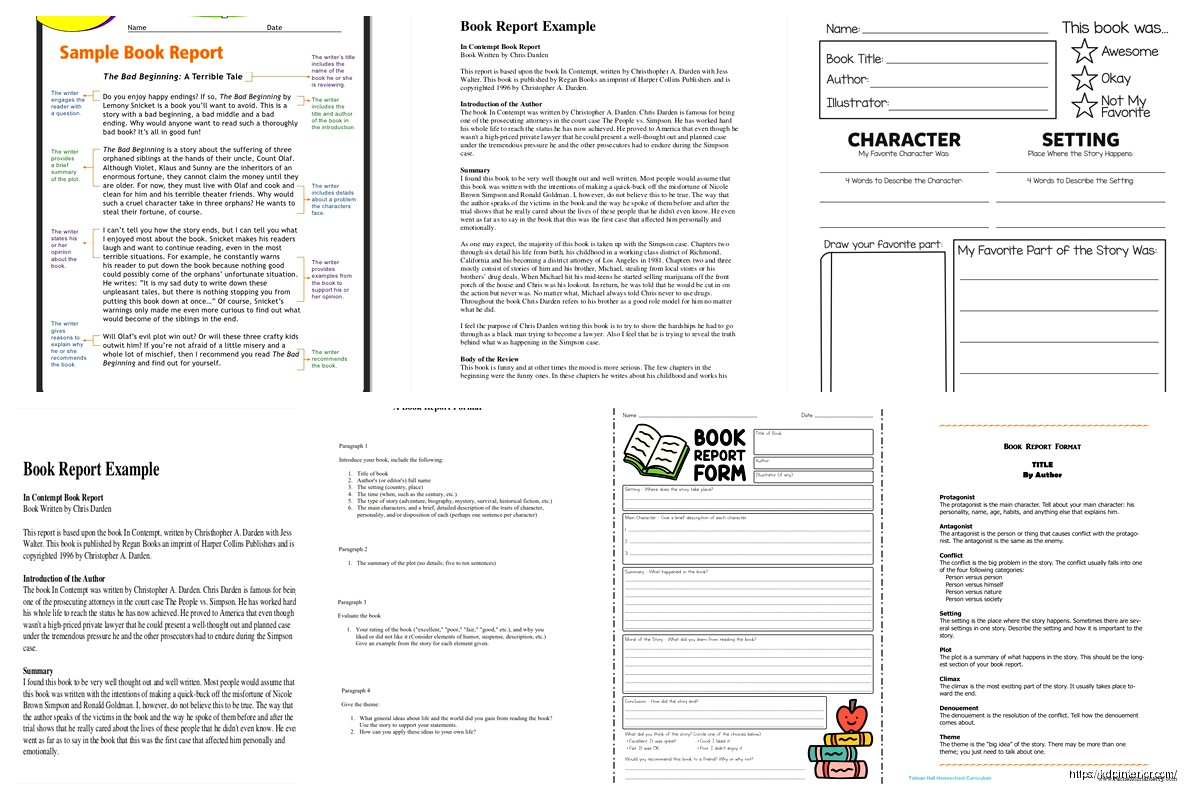
Actual Example: Complete Short Analysis
Let me show you a complete example for “The Great Gatsby” at high school level:
F. Scott Fitzgerald’s The Great Gatsby, published in 1925, captures the excess and moral emptiness of America’s Jazz Age. Through the eyes of narrator Nick Carraway, readers witness the tragic pursuit of the American Dream by Jay Gatsby, a mysterious millionaire obsessed with reclaiming his lost love, Daisy Buchanan. Fitzgerald uses Gatsby’s doomed quest to demonstrate that the American Dream, corrupted by materialism and class divisions, ultimately destroys those who chase it.
The novel follows Nick Carraway as he moves to West Egg, Long Island, where he becomes neighbors with the enigmatic Jay Gatsby. Gatsby throws lavish parties hoping to attract Daisy, who lives across the bay with her husband Tom Buchanan. Nick facilitates their reunion, but Daisy cannot leave her marriage. The story culminates in tragedy when Daisy accidentally kills Tom’s mistress while driving Gatsby’s car, and Gatsby takes the blame. He is murdered by the woman’s husband, while the Buchanans escape responsibility.
Gatsby himself embodies both the promise and failure of the American Dream. His transformation from poor James Gatz to wealthy Jay Gatsby shows remarkable determination, yet his wealth is built on illegal activities, suggesting that the dream requires moral compromise. More significantly, Gatsby’s singular focus on Daisy reveals that his success means nothing without her – he cannot enjoy his achievements for their own sake. Nick observes that Gatsby “wanted nothing less of Daisy than that she should go to Tom and say: ‘I never loved you,'” showing how Gatsby’s dream demands the impossible: rewriting the past.
Fitzgerald develops the theme of class inequality through carefully chosen symbols and settings. The contrast between West Egg (new money) and East Egg (old money) illustrates that wealth alone cannot buy social acceptance. The eyes of Doctor T.J. Eckleburg on the billboard watch over the valley of ashes, symbolizing both the absent moral authority in this world and how the wealthy overlook those they exploit. The green light at Daisy’s dock represents Gatsby’s hopes but also their unreachability – always visible but forever distant.
The Great Gatsby remains relevant because it questions whether success and happiness are truly achievable or merely illusions that destroy us in their pursuit. Gatsby’s tragedy warns against sacrificing everything for a single dream, especially one rooted in the past. Fitzgerald’s masterful prose and symbolic depth make this slim novel an enduring critique of American values and the cost of ambition.

Adapting for Different Books and Genres
Oh and another thing – the approach changes based on what you’re reading. A dystopian novel needs different focus than a historical fiction or poetry collection.
For science fiction or fantasy, spend time on world-building and how the author uses the imagined setting to comment on real issues.
For historical fiction, discuss accuracy, how the author blends fact with fiction, and what the historical setting reveals about the themes.
For poetry collections or plays, focus more on language, imagery, and structure since plot might be minimal.
My cat just knocked over my coffee which is perfect timing because I think that covers the main stuff you need. The key thing is matching your analysis level to what your teacher or professor expects, using specific evidence from the text, and actually saying something meaningful beyond “I liked it” or “the main character was brave.”
Start with the template, adjust for your specific book and assignment requirements, and you’ll be fine. Most teachers just want to see you engaged with the text and thinking critically about it, not producing some perfect literary masterpiece.
DISCOVER OUR FREE BEST SELLING PRODUCTS
Editable Canva Lined Journal: Express Your Thoughts – KDP Template
Lined Pages Journal 120 pages Ready to Upload PDF Commercial Use KDP Template 6×9 8.5×11 5×8 for Notebooks, Diaries, Low Content
Lined Pages Journal 120 pages Ready to Upload PDF Commercial Use KDP Template 6×9 8.5×11 5×8 for Notebooks, Diaries, Low Content
Cute Dogs Coloring Book for Kids | Activity Book | KDP Ready-To-Upload
Daily Planner Diary : Diary Planners for Everyday Productivity, 120 pages, 6×9 Size | Amazon KDP Interior
Wolf Coloring KDP interior For Adults, Used as Low Content Book, PDF Template Ready To Upload COMMERCIAL Use 8.5×11"
Coloring Animals Head Book for Kids, Perfect for ages 2-4, 4-8 | 8.5×11 PDF
Printable Blank Comic Book Pages PDF : Create Your Own Comics – 3 Available Sizes
Notes KDP interior Ready To Upload, Sizes 8.5×11 6×9 5×8 inch PDF FILE Used as Amazon KDP Paperback Low Content Book, journal, Notebook, Planner, COMMERCIAL Use
Black Lined Journal: 120 Pages of Black Lined Paper Perfect for Journaling, KDP Notebook Template – 6×9
Student Planner Journal 120 pages Ready to Upload PDF Commercial Use KDP Template 6×9" 8.5×11" for Low Content book
Recipe Journal Template – Editable Recipe Book Template, 120 Pages – Amazon KDP Interior