okay so here’s the deal with Adobe Digital Editions
I literally just walked someone through this yesterday while my cat was knocking stuff off my desk, so it’s fresh in my mind. Adobe Digital Editions is basically the go-to software if you’re dealing with EPUB files and need to actually read them properly or manage your ebook library. It’s free which is nice, and it handles DRM-protected books too which becomes important if you’re buying from libraries or certain retailers.
First thing – go grab the installer from Adobe’s website. Just search “Adobe Digital Editions download” and you’ll find it. They’ve got versions for Windows and Mac, plus mobile apps but honestly I mostly use the desktop version because the screen’s bigger and I can actually see what I’m doing when I’m testing layouts and stuff.
Getting It Installed
The installation is pretty straightforward, like any other software. Download the file, double-click it, follow the prompts. One thing though – it’s gonna ask you about authorizing your computer with an Adobe ID. You can skip this initially if you just wanna read non-DRM files, but if you’re planning to read library books or purchased ebooks with protection, you gotta do this step.
I usually tell people to just create the Adobe ID right away even if they don’t think they need it. Takes like two minutes and saves you from having to do it later when you’re frustrated trying to open a book that won’t work.
Opening Your First EPUB File
So once you’ve got Digital Editions installed, opening an EPUB is dead simple. You can either drag and drop the file right into the Digital Editions window, or go to File > Add to Library. The book should pop up in your library view on the left side.
Double-click the cover and boom – you’re reading. The interface is pretty clean actually, which I appreciate because some ebook readers are cluttered messes.

Navigation and Reading Controls
okay so when you’ve got a book open, there’s a toolbar at the bottom that shows up when you hover. You can click through pages or use your arrow keys which is what I usually do because I’m lazy. There’s also a slider bar thing if you wanna jump to different parts of the book quickly.
The table of contents is accessible through this little icon that looks like… I dunno, a list? It’s on the left side of the reading window. Super helpful when you’re testing an ebook you created and need to check if all your chapter links are working properly.
Customizing Your Reading Experience
This is where Digital Editions gets useful for actual reading and not just checking files. Hit the “View” menu and you’ll see options for changing font size, font type, line spacing, all that stuff. I usually bump up the font size because I’m staring at screens all day anyway and my eyes get tired.
You can switch between single page view and two-page spread view which mimics an actual book. I prefer single page on my laptop but two-page looks nice on bigger monitors. There’s also a reflowable vs fixed layout thing but that depends on how the EPUB was created in the first place.
oh and another thing – there’s day mode and night mode. Night mode gives you white text on black background which is way easier on the eyes if you’re reading late. I’m usually working on KDP stuff at like 11pm so this gets used a lot.
Managing Your Library
The left sidebar shows all your books in a grid or list view. You can create bookshelves to organize stuff which is helpful if you’re like me and have hundreds of EPUB files floating around from various projects. Right-click on a book and select “Add to Shelf” then create a new shelf or add to existing one.
I’ve got shelves for “Client Projects,” “My Published Books,” “Reference Materials,” and then like a million test files that I should probably delete but haven’t gotten around to it yet.
Importing Books from Different Sources
If you’re grabbing books from your library through OverDrive or similar services, they’ll usually open directly in Digital Editions if you’ve got it set as your default EPUB reader. The DRM authorization happens automatically as long as you’re signed in with your Adobe ID.
For non-DRM books – like if you’re downloading free EPUBs from Project Gutenberg or checking your own KDP conversions – just drag them into Digital Editions and they show up immediately. No fuss.
The Authorization Thing Everyone Gets Confused About
wait I forgot to mention earlier – the Adobe ID authorization can be weird. You can authorize up to 6 devices with one Adobe ID, which is usually plenty unless you’re running some kind of ebook empire across multiple computers.
To authorize your computer, go to Help > Authorize Computer. You’ll need your Adobe ID email and password. This is different from your Adobe Creative Cloud login if you have one of those, which confused the hell out of me the first time.
If you ever need to deauthorize (like if you’re selling your computer or whatever), it’s Help > Deauthorize Computer. But heads up – you can only deauthorize so many times, so don’t go crazy with it.
Troubleshooting DRM Books That Won’t Open
this is gonna sound weird but sometimes DRM books just… don’t work. Usually it’s because the Adobe ID on your Digital Editions doesn’t match the one you used to download the book. I’ve spent embarrassing amounts of time troubleshooting this for people.
The fix is usually to deauthorize and reauthorize with the correct Adobe ID. Or if you borrowed the book from a library, make sure you’re using the same Adobe ID that’s linked to your library account.
Using Digital Editions for EPUB Creation Testing
Okay so this is where Digital Editions becomes actually valuable for KDP publishers. When you’re creating low-content books or formatting ebooks, you need to test how they look before uploading to Amazon. Digital Editions shows you a pretty accurate representation of how reflowable EPUBs will display.

I usually export my manuscript as EPUB from whatever software I’m using – Vellum, Calibre, Scrivener, whatever – then immediately open it in Digital Editions to check:
- Chapter breaks are in the right places
- Table of contents links work properly
- Images display correctly and aren’t weirdly sized
- Font formatting looks consistent
- There aren’t random page breaks or spacing issues
You can also test different font sizes and see if your formatting holds up. Sometimes things look fine at default size but get wonky when readers increase the font, which they definitely will.
Checking Metadata
Right-click on any book in your library and select “Item Info” – this shows you all the metadata embedded in the EPUB file. Title, author, publisher, ISBN if there is one, description, all that stuff. Super useful for making sure your book info is correct before you upload anywhere.
I’ve caught so many typos in author names or wrong ISBNs this way. Would’ve been embarrassing to publish those mistakes.
Annotations and Bookmarks
You can highlight text and add notes which is helpful if you’re editing or reviewing. Just select the text you want and choose highlight from the popup menu. Your highlights show up in a sidebar and you can jump between them.
Bookmarks work the same way – right-click and add bookmark. These are saved locally though, so if you open the same file on a different device, your annotations won’t be there unless you’re using Adobe’s cloud sync thing which I honestly never bothered setting up.
Exporting and Sharing
If you need to copy text from an EPUB (assuming it’s not locked down with DRM), you can just select and copy like normal. Paste it wherever you need it. Some publishers disable text selection though, which is annoying but I get why they do it.
You can’t export the actual EPUB file from Digital Editions because it’s not creating or editing books – it’s just reading them. But the original files are stored in a folder on your computer. On Windows it’s usually in Documents > My Digital Editions. On Mac it’s in your user Library folder under Digital Editions.
Print Options
There’s a print function but it’s pretty basic. You can print pages from your EPUB which might be useful for… I dunno, reading offline without a device? I’ve literally never used this feature except to test if it works. Most people who want physical copies would just buy the paperback version.
Mobile App Sync
Adobe’s got mobile apps for iOS and Android that sync with the desktop version if you want that. You sign in with the same Adobe ID and your library shows up across devices. The reading position syncs too which is nice if you start reading on your computer and continue on your phone.
The mobile interface is pretty similar to the desktop version, just adapted for touch screens. I mostly use it for reading before bed because my wife gets annoyed if I’m typing on my laptop at midnight.
Limitations You Should Know About
Digital Editions only handles EPUB and PDF formats. It won’t open MOBI files or AZW files from Amazon, so if you’re testing Kindle-specific formats you need different software. I use Kindle Previewer for that stuff.
The editing capabilities are basically zero. You can’t modify EPUBs in Digital Editions – it’s purely a reading and library management tool. For actual EPUB creation or editing you need something like Sigil or Calibre.
Performance can get sluggish if you have a massive library. I’ve got probably 500+ books in mine and sometimes it takes a second to load the library view. Not a huge deal but worth mentioning.
DRM Annoyances
okay so funny story – I once spent three hours trying to figure out why a library book wouldn’t open, and it turned out the library’s download link had expired. DRM-protected books from libraries have these time limits and Digital Editions will just show an error without really explaining what’s wrong.
If you’re getting errors with DRM books, check if they’re expired first. Then check your Adobe ID authorization. Those two things solve like 90% of DRM problems.
Keyboard Shortcuts That Save Time
Arrow keys for page turning like I mentioned. But also:
- Ctrl/Cmd + B for bookmarks
- Ctrl/Cmd + F for search within the book
- Ctrl/Cmd + L switches between library and reading view
- F11 for full screen which is nice when you actually wanna focus on reading
The search function is surprisingly good. You can search across your entire library or just within the current book. Helpful when you’re trying to find that one reference you remember reading but can’t remember where.
Alternatives Worth Mentioning
Look, Digital Editions isn’t perfect and there are other options. Calibre is way more powerful if you need library management and format conversion. Apple Books works great if you’re in the Apple ecosystem. Even just using a web browser with an EPUB reader extension works for basic stuff.
But Digital Editions is solid for its specific use case – reading EPUBs with DRM support and managing a library without getting too complicated. It’s what I recommend to people who aren’t super technical and just want something that works.
For KDP publishers specifically, I’d say keep both Digital Editions and Kindle Previewer installed. Digital Editions for EPUB testing, Kindle Previewer for MOBI/KDP format checking. Between those two you’re covered for most ebook formats you’ll encounter.
The interface hasn’t changed much in years which is either good because it’s stable or bad because Adobe isn’t innovating, depending on how you look at it. I’m in the “if it ain’t broke don’t fix it” camp so I don’t really care that it looks kinda dated.

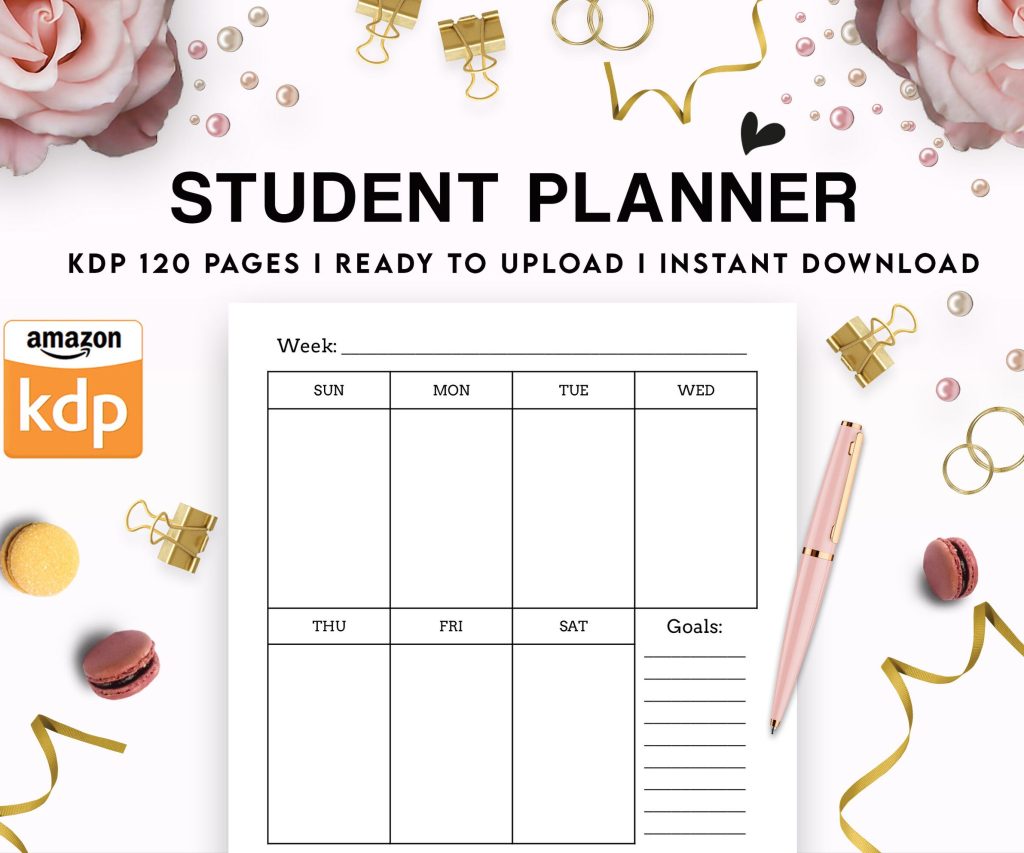 Student Planner Journal 120 pages Ready to Upload PDF Commercial Use KDP Template 6x9" 8.5x11" for Low Content book
1 × $0.00
Student Planner Journal 120 pages Ready to Upload PDF Commercial Use KDP Template 6x9" 8.5x11" for Low Content book
1 × $0.00  Wolf Coloring KDP interior For Adults, Used as Low Content Book, PDF Template Ready To Upload COMMERCIAL Use 8.5x11"
1 × $0.00
Wolf Coloring KDP interior For Adults, Used as Low Content Book, PDF Template Ready To Upload COMMERCIAL Use 8.5x11"
1 × $0.00 
DISCOVER OUR FREE BEST SELLING PRODUCTS
Editable Canva Lined Journal: Express Your Thoughts – KDP Template
Lined Pages Journal 120 pages Ready to Upload PDF Commercial Use KDP Template 6×9 8.5×11 5×8 for Notebooks, Diaries, Low Content
Lined Pages Journal 120 pages Ready to Upload PDF Commercial Use KDP Template 6×9 8.5×11 5×8 for Notebooks, Diaries, Low Content
Cute Dogs Coloring Book for Kids | Activity Book | KDP Ready-To-Upload
Daily Planner Diary : Diary Planners for Everyday Productivity, 120 pages, 6×9 Size | Amazon KDP Interior
Wolf Coloring KDP interior For Adults, Used as Low Content Book, PDF Template Ready To Upload COMMERCIAL Use 8.5×11"
Coloring Animals Head Book for Kids, Perfect for ages 2-4, 4-8 | 8.5×11 PDF
Printable Blank Comic Book Pages PDF : Create Your Own Comics – 3 Available Sizes
Notes KDP interior Ready To Upload, Sizes 8.5×11 6×9 5×8 inch PDF FILE Used as Amazon KDP Paperback Low Content Book, journal, Notebook, Planner, COMMERCIAL Use
Black Lined Journal: 120 Pages of Black Lined Paper Perfect for Journaling, KDP Notebook Template – 6×9
Student Planner Journal 120 pages Ready to Upload PDF Commercial Use KDP Template 6×9" 8.5×11" for Low Content book
Recipe Journal Template – Editable Recipe Book Template, 120 Pages – Amazon KDP Interior