
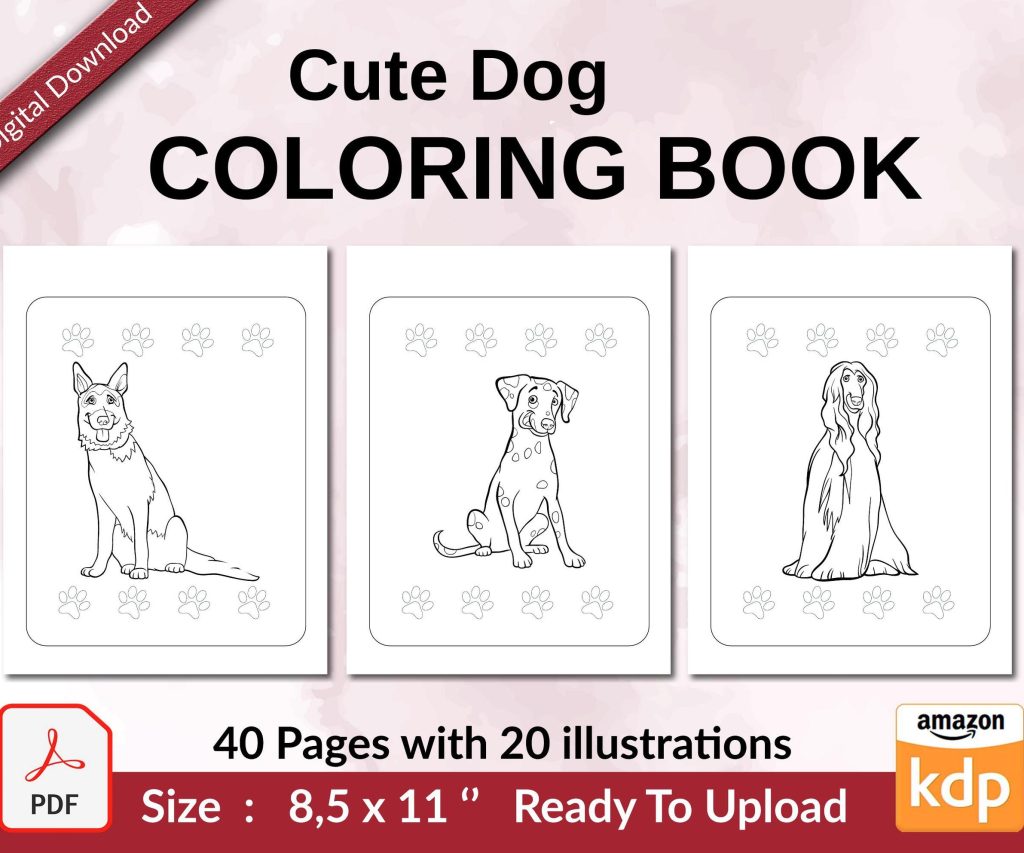
 Cute Dogs Coloring Book for Kids | Activity Book | KDP Ready-To-Upload
 Subtotal: $0.00
Amazon KDP guide, KDP book publishing
Amazon Author KDP: Build Your Author Brand
01
Mar
Mar
okay so here’s what actually works for building your author brand on KDP
Look, I just spent like three hours yesterday fixing an author client’s brand mess because they skipped the basics, and honestly… most people overthink this. Your author brand on Amazon isn’t some mystical thing – it’s literally just making sure readers can find you, recognize you, and know what to expect from your books.
Start with Your Author Central Profile Because Everyone Forgets This
First thing – and I mean literally do this before anything else – claim your Author Central account. Go to authorcentral.amazon.com and link all your books. I’ve seen authors with like 30 books who never did this and wonder why they’re not selling. Amazon won’t automatically connect your books to a profile, you gotta do it manually.
Your bio needs to be specific about what you write. Don’t give me that “I live in Colorado with my three cats and love coffee” nonsense unless you’re writing books about cats or coffee. Tell readers: “I publish planners for busy moms” or “I write activity books for kids 5-8″ or whatever. Make it super clear.
Upload a decent author photo. Not your wedding photo from 2004, not a blurry selfie. Just a normal picture where you look like a human. Or if you’re doing low-content books and wanna stay anonymous, use a logo or brand image. I use a professional headshot because I also consult, but half my low-content author names just have brand logos.
Pen Names and How to Not Confuse Everyone
oh and another thing – you probably need multiple pen names if you’re doing different niches. I’ve got like 8 active pen names right now. Each one targets a specific audience:
- One for kids activity books
- One for business planners
- One for gratitude journals
- Another for pattern coloring books
Each pen name gets its own Author Central profile, its own “voice,” its own brand colors. Don’t mix your true crime novels with your toddler board books under the same name. Readers get confused and your also-boughts get messed up.
The mistake people make is creating a pen name and then… just slapping it on books with zero consistency. Your pen name needs a strategy. What does this author always deliver? What’s their style? What problems do they solve?
Your Book Covers Need to Scream Your Brand
So this is gonna sound weird but I was watching The Bear last week (that kitchen show, so stressful) and thinking about how restaurants have visual consistency – you walk in and everything fits together. Your book covers need that same energy.
Pick 2-3 brand colors and stick with them across your catalog. Use similar fonts, similar layout styles. When someone sees your book, they should recognize it’s yours even before reading the author name. Look at successful KDP publishers – their catalogs look cohesive.
I use the same color palette for my planner line: navy blue, rose gold, and cream. Every single cover. Different designs, but the colors stay consistent. Readers who bought one planner can spot my other planners immediately when browsing.
Your A+ Content Actually Matters Now
wait I forgot to mention – if you’ve got Brand Registry (which you should get if you’re serious about this), use A+ Content on every book. Amazon gives you this gorgeous space to showcase your brand, and most authors just… ignore it?
I create A+ Content templates that I reuse across books in the same series. Shows off the interior, explains what makes my books different, includes comparison charts. Takes me maybe 20 minutes per book once I have the template.
The comparison charts work really well – “Why choose our planner over others?” and then list your unique features. Sounds cheesy but it converts browsers to buyers.
Your Author Name and Publisher Name Strategy
Here’s something nobody talks about – your publisher name shows up on Amazon. Most new authors put their own name or something random. Bad move.
Your publisher name should reinforce your brand. If you publish kids activity books, maybe it’s “Happy Kids Publishing” or something. If you do planners for entrepreneurs, maybe “Productivity Press” or whatever fits your niche.
This also helps if you ever wanna sell your catalog – buyers like seeing a cohesive publisher brand, not just random books under “John Smith Publishing.”
Building Your Also-Boughts (This is Secret Sauce)
okay so funny story – I launched a new gratitude journal last month and deliberately priced it at $0.99 for the first week to get sales velocity. But the real goal wasn’t just sales… it was training Amazon’s algorithm to connect my book with other successful gratitude journals.
Your “also-bought” section is your brand’s best friend. When readers buy your book, Amazon watches what else they buy. Over time, your books start appearing alongside similar books, which gets you in front of the right readers.
To build good also-boughts:
- Launch multiple books in the same niche close together
- Use similar keywords across your series
- Make sure your covers signal the same genre/niche
- Cross-promote inside your books (more on this in a sec)
The Back Matter Everyone Ignores
Last page of every book needs to show your other books. I create a simple “More Books by [Author Name]” page with thumbnails and titles of 4-6 related books. If someone just finished your gratitude journal and loved it, show them your other journals right there.
Some authors get fancy with QR codes linking to their Amazon author page. I tried this but honestly the data wasn’t great – maybe 2-3% of readers actually scanned them. The visual page with book covers works better because people can screenshot it or just remember the titles.
Keywords and How They Build Brand Recognition
Your keywords should be consistent across your brand. If you write “stress relief coloring books,” that phrase should appear in your titles, subtitles, and keywords for every coloring book you publish.
Amazon starts recognizing you as the go-to author for that specific search term. I’ve got a planner series that dominates “daily planner for women 2024” because all 6 of my planners use variations of that keyword. Amazon’s like “oh, this author owns this keyword” and ranks me higher.
Don’t keyword stuff different random phrases in every book. Pick your lane, pick your core keywords, and hammer them consistently.
Reviews and Social Proof for Your Brand
This part’s harder now because Amazon cracked down on review manipulation (good, honestly). But you can still build social proof legitimately.
Make sure your books are actually good. Sounds obvious but I see so many rushed low-content books with typos and bad formatting. If your books suck, no branding strategy will save you.
Include a simple request in your book: “If you enjoyed this, please leave a review.” Don’t beg, don’t offer incentives, just a simple ask. Maybe 1 in 50 readers will leave a review, which is normal.
My cat just knocked over my coffee all over my desk so I’m gonna wrap this up but last thing –
Consistency Over Time Beats Everything
Your brand builds slowly. I didn’t see real traction until I had about 15-20 books under one pen name. That’s when the also-boughts started working together, when repeat customers started finding my new releases, when my Author Central page looked legit.
Publish regularly in your niche. I aim for 2-4 new books per pen name per quarter. Doesn’t have to be crazy volume, just consistent presence.
And honestly? Most authors give up before their brand has time to build. They publish 3 books, don’t see immediate success, and quit. The authors making real money (like that $5k-$30k range I mentioned) have catalogs of 50+ books and have been building their brand for years.
Track which books perform best, double down on those styles, and keep your branding consistent. That’s really it. Not sexy advice but it’s what actually works.
DISCOVER OUR FREE BEST SELLING PRODUCTS
Editable Canva Lined Journal: Express Your Thoughts – KDP Template
Lined Pages Journal 120 pages Ready to Upload PDF Commercial Use KDP Template 6×9 8.5×11 5×8 for Notebooks, Diaries, Low Content
Lined Pages Journal 120 pages Ready to Upload PDF Commercial Use KDP Template 6×9 8.5×11 5×8 for Notebooks, Diaries, Low Content
Cute Dogs Coloring Book for Kids | Activity Book | KDP Ready-To-Upload
Daily Planner Diary : Diary Planners for Everyday Productivity, 120 pages, 6×9 Size | Amazon KDP Interior
Wolf Coloring KDP interior For Adults, Used as Low Content Book, PDF Template Ready To Upload COMMERCIAL Use 8.5×11"
Coloring Animals Head Book for Kids, Perfect for ages 2-4, 4-8 | 8.5×11 PDF
Printable Blank Comic Book Pages PDF : Create Your Own Comics – 3 Available Sizes
Notes KDP interior Ready To Upload, Sizes 8.5×11 6×9 5×8 inch PDF FILE Used as Amazon KDP Paperback Low Content Book, journal, Notebook, Planner, COMMERCIAL Use
Black Lined Journal: 120 Pages of Black Lined Paper Perfect for Journaling, KDP Notebook Template – 6×9
Student Planner Journal 120 pages Ready to Upload PDF Commercial Use KDP Template 6×9" 8.5×11" for Low Content book
Recipe Journal Template – Editable Recipe Book Template, 120 Pages – Amazon KDP Interior