-
×
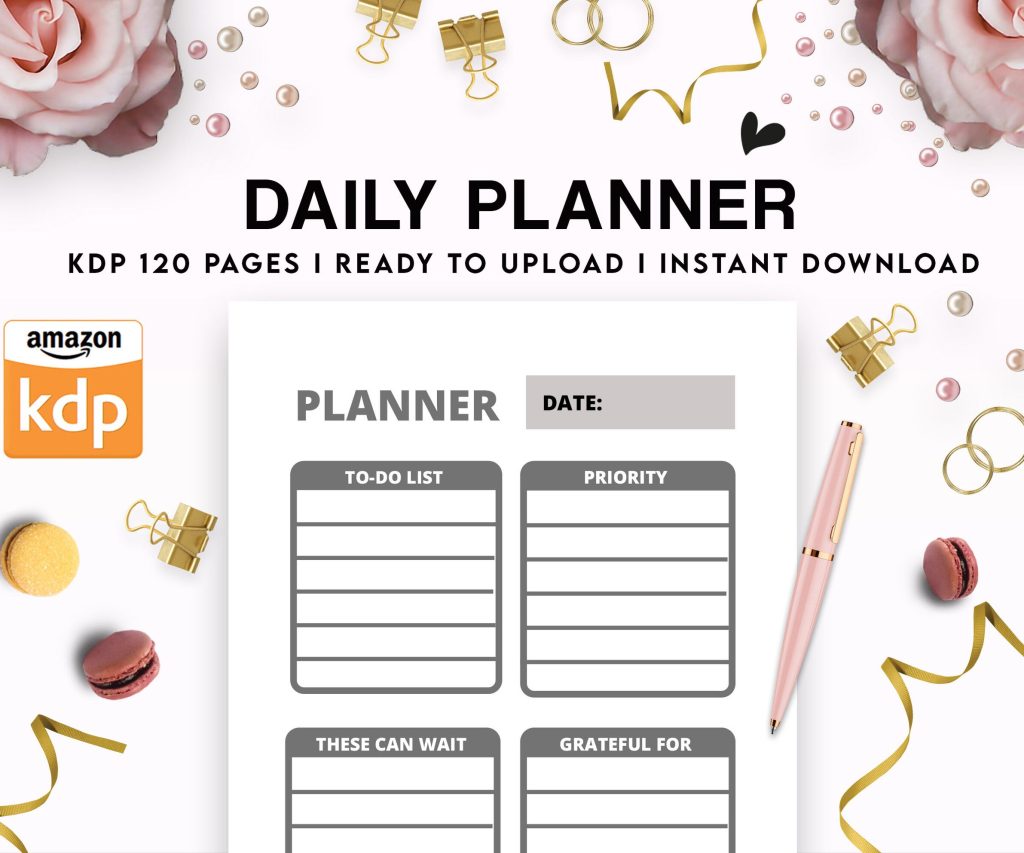 Daily Planner Diary : Diary Planners for Everyday Productivity, 120 pages, 6×9 Size | Amazon KDP Interior
1 × $0.00
Daily Planner Diary : Diary Planners for Everyday Productivity, 120 pages, 6×9 Size | Amazon KDP Interior
1 × $0.00
Subtotal: $0.00
 Daily Planner Diary : Diary Planners for Everyday Productivity, 120 pages, 6×9 Size | Amazon KDP Interior
1 × $0.00
Daily Planner Diary : Diary Planners for Everyday Productivity, 120 pages, 6×9 Size | Amazon KDP Interior
1 × $0.00 Subtotal: $0.00
Okay so I just tested like 15 new niches last month and here’s what’s actually working in 2026, not the stuff everyone keeps repeating from 2022.
Everyone thinks password books are saturated and yeah the generic ones are, but here’s the thing – niche them down to specific professions or age groups. I made one for real estate agents last year and it still sells 4-5 copies daily. The trick is the cover needs to look professional enough they’d leave it on their desk. Medical professionals, lawyers, financial advisors – they all need different organizational systems and they’ll pay $8.99 instead of $5.99 for something that looks like it belongs in their world.
My cat literally walked across my keyboard while I was designing the real estate one and somehow made the columns wider which actually worked better, so sometimes happy accidents matter.
This is gonna sound weird but the money right now is in journals for people going through really specific transitions. I’m talking:
The step-parent one does about $600/month for me and I made it in like 3 days. You gotta include actual prompts though, not just blank pages. People want structure when they’re overwhelmed.
The keywords are less competitive because you’re stacking multiple specific terms. “Journal for new managers in tech” gets way less competition than “leadership journal” but the people searching for it are ready to buy immediately. They’ve got a specific problem right now.
Wait I forgot to mention this earlier but it’s important – generic budget books don’t work anymore. What works is “Budget Planner for $150k Household Income” or “Budget Book for Single Income Families.” People want to see their situation reflected back at them.
I tested this accidentally because I made a budget book with higher income categories just because I was tired of making the same $0-$50k ranges, and it outsold my generic ones 3:1. The interior is basically the same but the positioning matters so much.
The $75k-$100k household income one does about $400/month. Took maybe 5 hours to make including the cover design time. Oh and another thing – add a debt payoff tracker section even if it’s just 3 pages. That keyword combination helps with visibility.
This category exploded for me in 2025 and it’s still going. Forget generic habit trackers, go specific:
The houseplant one makes me like $800/month and I don’t even have houseplants. I just researched what plant people actually track on Reddit for like 2 hours. They want space for plant name, location in house, watering schedule, fertilizing notes, propagation tracking. It’s very specific needs.
Amazon’s algorithm seems to favor books that match exact search intent. When someone types “sourdough starter log book” they don’t want a general recipe journal. They want exactly that thing. Your conversion rate goes up, Amazon shows your book more. It’s a cycle.
Okay so funny story – I made a “90 Day New Job Success Planner” because I started a consulting gig and wanted to track my own progress. Listed it on KDP just to have a physical copy for myself. It now does $1,200/month.
Other ones that work:
The performance review one sells consistently October through February. People prepare for annual reviews. Seasonal niches are real and you gotta pay attention to when people actually need things.
This is newer territory but it’s working – books for people managing their parents’ care while raising kids. Medication trackers combined with school schedule pages. Doctor appointment logs next to parent-teacher conference notes. It sounds chaotic but that’s literally what these people’s lives look like.
Made one called “Sandwich Generation Planner” and it does about $350/month with zero advertising. The reviews mention how relieved people are to find something that gets their specific situation.
Not general fitness journals – those are dead in the water. But specific training logs:
The CPAP log was based on my dad complaining he couldn’t track his machine data easily. It’s super niche, only sells maybe 15 copies a month, but at $9.99 it’s profitable and there’s literally 4 competitors.
People will pay more for health-related trackers because they’re often sharing them with doctors. They need to look professional and organized. The migraine journal does about $500/month and I just included sections for weather, food, sleep, stress levels, and medication timing. Doctors apparently love when patients bring organized data.
Generic travel planners are oversaturated but specific ones aren’t. I’m talking:
The RV one does okay, maybe $300/month. The national parks one does better at like $650/month because people are really into documenting those trips and the parks have consistent visitors year-round.
Etsy seller planners, Amazon FBA inventory trackers, social media content calendars for specific platforms. These work because small business owners need organization and they’ll pay for something that speaks their language.
My Etsy seller planner has sections for listing optimization notes, shipping costs tracking, supply inventory, and seasonal planning. Does about $550/month. The key was using terminology actual Etsy sellers use, not generic business terms.
Gonna be real with you – gratitude journals unless super niche, generic coloring books, basic composition notebooks with a pattern, generic recipe books, standard planners, basic logbooks without specific purposes.
The market wants specificity now. “Journal” gets 500k results. “Journal for women leaving corporate careers” gets maybe 200 results. You want to be in less competitive searches where your book actually shows up.
I price most books between $7.99-$9.99 now. The $5.99 race to the bottom doesn’t work unless you’re doing huge volume. At $8.99 with KDP’s royalty structure on a 120-page book, you’re making around $2-3 per sale depending on size and printing costs.
My best sellers are all in the $8.99-$9.99 range. People equate price with quality for low content books. Too cheap looks like poor quality. But don’t go over $12.99 unless it’s really substantial or professional focused.
120-150 pages is the zone right now. Enough to feel substantial but not so much that printing costs eat your royalty. I use 6×9 size for most books because it’s the standard and keeps costs down.
Oh and another thing – cream paper looks more professional than white for journals and planners. It’s a tiny detail but reviewers mention it.
Stack your keywords with the specific niche terms. Don’t waste slots on “journal” or “notebook” alone. Use “sourdough starter log book” as one phrase, “bread baking journal” as another. Amazon’s algorithm reads phrases now, not just individual words.
My book titles follow this formula: Main Benefit + Specific Audience + Book Type. Like “90 Day Success Planner for New Managers: Goal Setting and Team Leadership Tracker.”
Subtitles matter more than you think. That’s where you load additional keywords naturally. Just don’t keyword stuff – Amazon’s gotten better at detecting that and it actually hurts you now.
I spend like 30 minutes on Reddit finding problems people complain about repeatedly. Then I check if there’s a book solving that specific problem on Amazon. If there’s 0-10 results, might be too niche or no demand. If there’s 50-200 results with reviews, that’s the sweet spot. Means there’s demand but not saturation.
Facebook groups are gold too. People literally post “does anyone know of a book that tracks X?” Just make that book.
I was watching The Bear the other night and someone mentioned restaurant management checklists and I immediately checked if there was a restaurant opening checklist book. There wasn’t a good one. Made it. It’s not a bestseller but it makes $150/month consistently.
Canva Pro is worth it for the templates and elements. Your cover needs to look professional enough to compete but not so designed that it looks complicated. People want to know exactly what they’re getting from the cover.
Interior design – keep it clean and functional. This isn’t art, it’s utility. Clear headers, enough writing space, good margins. I use Book Bolt for interiors now because it’s faster than doing everything in Word or InDesign.
AI prompt journals where people track their ChatGPT or Midjourney prompts and results. Seems niche but the AI community is huge and they need organization tools. Also looking at books for people managing side hustles alongside full time jobs – very specific scheduling and income tracking needs.
Climate change preparedness logs might sound weird but prepper adjacent stuff without being full prepper sells consistently. People want to track their sustainability efforts, emergency supplies, that kind of thing.
The key thing I’ve learned after 7 years is that profitable niches in 2026 are about solving specific problems for specific people, not making generic books hoping everyone buys them. The riches really are in the niches and that’s more true now than ever.
DISCOVER OUR FREE BEST SELLING PRODUCTS
Editable Canva Lined Journal: Express Your Thoughts – KDP Template
Lined Pages Journal 120 pages Ready to Upload PDF Commercial Use KDP Template 6×9 8.5×11 5×8 for Notebooks, Diaries, Low Content
Lined Pages Journal 120 pages Ready to Upload PDF Commercial Use KDP Template 6×9 8.5×11 5×8 for Notebooks, Diaries, Low Content
Cute Dogs Coloring Book for Kids | Activity Book | KDP Ready-To-Upload
Daily Planner Diary : Diary Planners for Everyday Productivity, 120 pages, 6×9 Size | Amazon KDP Interior
Wolf Coloring KDP interior For Adults, Used as Low Content Book, PDF Template Ready To Upload COMMERCIAL Use 8.5×11"
Coloring Animals Head Book for Kids, Perfect for ages 2-4, 4-8 | 8.5×11 PDF
Printable Blank Comic Book Pages PDF : Create Your Own Comics – 3 Available Sizes
Notes KDP interior Ready To Upload, Sizes 8.5×11 6×9 5×8 inch PDF FILE Used as Amazon KDP Paperback Low Content Book, journal, Notebook, Planner, COMMERCIAL Use
Black Lined Journal: 120 Pages of Black Lined Paper Perfect for Journaling, KDP Notebook Template – 6×9
Student Planner Journal 120 pages Ready to Upload PDF Commercial Use KDP Template 6×9" 8.5×11" for Low Content book
Recipe Journal Template – Editable Recipe Book Template, 120 Pages – Amazon KDP Interior