Okay so puzzle books on KDP are honestly one of the easier low-content niches to get into but there’s some stuff nobody tells you upfront that’ll save you like weeks of headache.
First thing – don’t overthink the puzzle types. I started with sudoku because everyone does sudoku right? Wrong. Well not wrong but the competition is insane. What actually worked better for me was word searches for specific niches. Like I made a dog breed word search book and it did better than my general sudoku book for like 8 months straight. The key is you gotta think about who’s buying these things – it’s mostly people buying gifts or parents buying activity books for road trips or whatever.
Setting Up Your Puzzle Book Interior
So for the actual creation part, you’ve got a few options and I’ve tried all of them because I’m that person who can’t just pick one method. You can use puzzle generation software, you can do it manually if you hate yourself, or you can use templates. I’m gonna be real with you – templates are the way to go when you’re starting out.
The software I use most is Puzzle Publisher but there’s also KDP Puzzle Publisher and honestly a bunch of others. They run anywhere from like $30 to $200 depending on features. The cheaper ones work fine for basic stuff. You generate your puzzles, export them as PDFs, and upload to KDP. Done.
But here’s what I learned the hard way – your margins matter SO much more than you think. KDP has specific requirements and if your puzzles are too close to the edge they’ll reject your book or worse the content gets cut off when people order it and then you get bad reviews. Keep at least 0.5 inches on all sides, I usually do 0.625 just to be safe.
Sizing and Formatting Details
Most puzzle books work best at 8.5 x 11 inches. Some people do 8 x 10 which is fine too. I tried doing a 6 x 9 puzzle book once and the puzzles were too small, people complained in reviews they couldn’t write in the squares properly. So stick with the bigger sizes.
Interior should be black and white unless you’re doing kids puzzle books then color might make sense but your printing costs go way up. I do black and white for like 95% of my puzzle books and it’s fine. White paper, not cream. Cream paper looks weird for puzzle books in my opinion.
Oh and another thing – page count matters for your royalty. You want at least 120 pages to make decent money per sale. I usually aim for 100-120 puzzles depending on the type. Sudoku you can fit one per page, word searches same thing, crosswords too. Some people do two smaller puzzles per page but I think that looks cheap honestly.
Creating Different Puzzle Types
Let me break down what’s actually selling right now because I track this stuff probably more than I should. My cat knocked over my coffee while I was updating my spreadsheet last week and I almost lost all my data but anyway.
Word searches are consistent sellers. Easy to make, people know what they’re getting. The trick is the niche angle I mentioned before. General word searches are oversaturated but “Medical Terms Word Search” or “80s Movies Word Search” or whatever specific angle you can think of – those work.
Sudoku is tough competition but still viable if you do variations. Killer sudoku, even-odd sudoku, irregular sudoku. The hardcore sudoku people want variety.
Crosswords are harder to make because you gotta actually write clues that make sense. I use software for this too but you have to proofread carefully because sometimes the generated clues are nonsense or way too obscure.
Mazes sell okay but not as well as the others in my experience. Better for kids books.
Logic puzzles like those grid logic problems where you figure out who lives in which house or whatever – those have a dedicated audience but smaller. I made one logic puzzle book and it sells maybe 2-3 copies a month. Not great but it’s passive income so whatever.
The Research Phase You Can’t Skip
Before you make anything you gotta research what’s already selling. Go on Amazon and search “sudoku book” or “word search book” and look at the bestsellers. Check their page counts, their pricing, their covers, read the reviews to see what people complain about.
This is gonna sound weird but I literally have a notebook where I write down common complaints from reviews of competitor books. Things like “solutions in the back would be nice” or “puzzles too hard” or “binding makes it hard to write on pages near the spine” – these are all problems you can avoid in your book.
Speaking of solutions – always include an answer key in the back. People say they want to figure it out themselves but they also want to check their answers. Plus it adds pages which helps your royalty calculation.
Cover Design for Puzzle Books
Okay so covers… this is where a lot of people mess up including me at first. You’d think puzzle books don’t need fancy covers but actually the cover is super important for standing out in search results.
Use bright colors that pop in thumbnails. I use Canva for most of my covers because I’m not a designer and it works fine. The key elements you need are the puzzle type big and clear, maybe a sample puzzle or puzzle graphics, and if it’s a niche book make that obvious on the cover.
Don’t use photos of people doing puzzles. I don’t know why but that never works as well as graphic designs. Keep it simple and bold.
Your title matters too for SEO purposes. Format like “Dog Breed Word Search: 100 Large Print Puzzles for Adults” – you’re hitting keywords there. Dog breed, word search, large print, adults. People search all those terms.
Pricing Strategy That Actually Works
Pricing is tricky and I’ve changed my strategy like five times over the years. Right now I price most puzzle books between $6.99 and $8.99. That gives you a decent royalty while still being competitive.
Do NOT underprice thinking you’ll make it up in volume. I tried pricing a book at $4.99 once and even though it sold more copies I made less money overall because the royalty per book was tiny plus Amazon takes their cut plus printing costs and yeah it didn’t work out.
If you have a really thick book like 200+ pages you can charge more, maybe $9.99 to $11.99. People expect to pay more for more content.
Wait I forgot to mention – you gotta calculate your printing costs before you set your price. KDP has a printing cost calculator, use it. Make sure you’re actually making at least $2-3 per book sold or it’s not worth your time.
The Publishing Process
Alright so you’ve got your puzzle interior ready and your cover designed. Now you upload to KDP which is straightforward but there’s some things to watch out for.
Categories matter. You get to pick two and you want ones that are specific enough that you can rank but broad enough that there’s actually traffic. For puzzle books I usually do something like “Crafts, Hobbies & Home > Games & Strategy Guides > Puzzles & Games” and then another relevant category.
Keywords – you get seven keyword phrases. Use all seven and make them different from each other. Think about what people actually type into Amazon. “Large print word search” “adult puzzle book” “sudoku for beginners” etc.
Your description should be formatted with bullet points highlighting what’s in the book. Number of puzzles, size, whether there’s an answer key, any special features. Keep it scannable because people don’t read long paragraphs in descriptions.
After You Publish
Once your book is live it takes like 72 hours to show up in search results properly. Don’t panic if you don’t see sales immediately. Actually don’t expect sales immediately period, it takes time to build momentum.
I usually run a quick AMS ad campaign when I launch a new puzzle book just to get some initial visibility. Like $5 a day for a week or two. Target keywords related to your puzzle type and niche. Sometimes it works great, sometimes it doesn’t, but it’s worth testing.
The books that do well long-term are usually ones that get into a good BSR ranking early and then maintain it through organic sales. If you can crack the top 100k in the Kindle Store overall you’ll get consistent daily sales. My best puzzle book sits around 50k BSR and sells 3-5 copies per day which doesn’t sound like much but that’s like $400-500 a month from one book.
Scaling Your Puzzle Book Business
Once you’ve got one successful puzzle book the smart move is to create variations and series. If your dog breed word search worked, make a cat breed word search. Make large print versions. Make themed versions for different occasions.
I have like fifteen word search books now that are all slightly different angles on the same concept and together they make solid income. Way better than trying to come up with totally new book ideas every time.
One thing that helped me scale was creating templates for my interiors so I’m not starting from scratch each time. I have a master file with the right margins and formatting and I just swap in new puzzles. Saves so much time.
Oh and don’t sleep on the holiday angle. Christmas puzzle books, Halloween puzzle books, these sell really well in the months leading up to the holiday. I make them year-round but boost ad spend when the season gets close.
Common Mistakes to Avoid
Gonna rapid fire these because I’ve made all of them and you shouldn’t have to.
Don’t use puzzles you found online unless you have explicit rights. Copyright is real and people do check. Generate your own or buy puzzle packs with commercial licenses.
Don’t publish the exact same interior with different covers. Amazon will catch it eventually and might take down all versions.
Don’t ignore reviews especially the negative ones. If someone says your puzzles are too hard or too easy, consider making a different difficulty version.
Don’t forget to proofread your answer key. I published a sudoku book once where like five of the solutions were wrong and got roasted in reviews. Had to unpublish and fix it which was embarrassing.
Don’t make your puzzles too big or too small for the page. Test print at least one copy yourself before you start marketing it. The $3 or whatever for a proof copy is worth it to catch formatting issues.
Tools and Resources Worth Paying For
So I mentioned puzzle generation software already but there’s other stuff that helps. Book Bolt has research tools that are decent for finding niches. Helium 10 works too though it’s pricier.
For covers if you don’t wanna use Canva you can hire someone on Fiverr for like $15-30 and get something custom. Sometimes worth it for your main books.
I use a spreadsheet to track all my books, their sales, BSR, review count, etc. You can get fancy with this or keep it simple but having some system to track performance is important so you know what’s working.
The puzzle software is the main investment and honestly just pick one that fits your budget and learn it inside out. I wasted money buying three different programs when I should’ve just mastered one from the start.
Alright so that’s basically the whole process for making puzzle books on KDP. It’s not complicated but there’s definitely a learning curve with the formatting and figuring out what niches actually sell. Start with one book, see how it does, then make more based on what you learn. Don’t expect to get rich quick but if you stick with it and publish consistently you can build up a nice passive income stream over time.


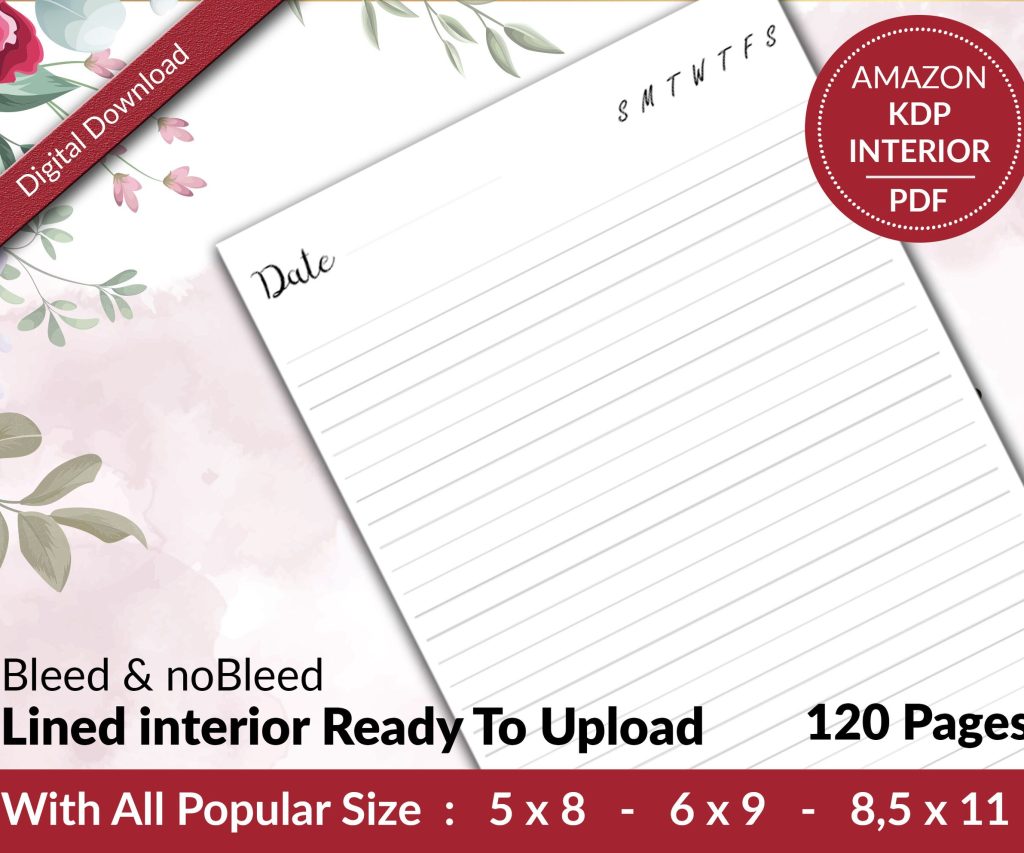 Lined Pages Journal 120 pages Ready to Upload PDF Commercial Use KDP Template 6x9 8.5x11 5x8 for Notebooks, Diaries, Low Content
1 × $0.00
Lined Pages Journal 120 pages Ready to Upload PDF Commercial Use KDP Template 6x9 8.5x11 5x8 for Notebooks, Diaries, Low Content
1 × $0.00 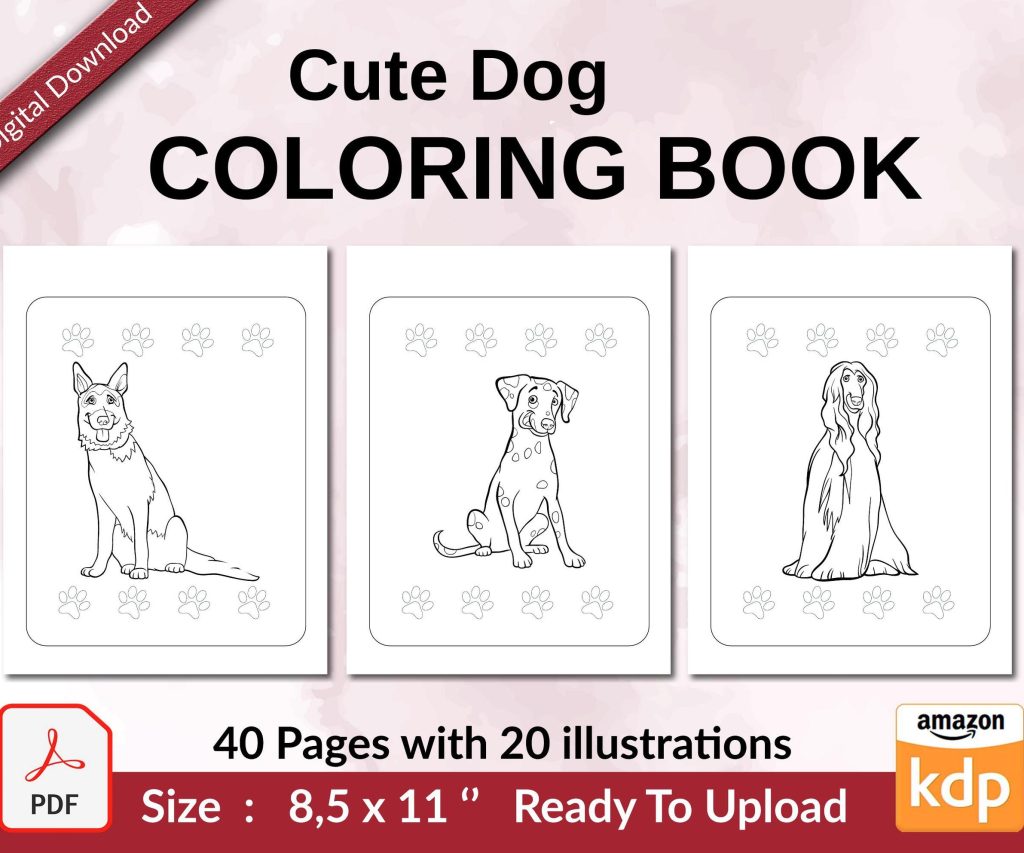 Cute Dogs Coloring Book for Kids | Activity Book | KDP Ready-To-Upload
1 × $0.00
Cute Dogs Coloring Book for Kids | Activity Book | KDP Ready-To-Upload
1 × $0.00 
DISCOVER OUR FREE BEST SELLING PRODUCTS
Editable Canva Lined Journal: Express Your Thoughts – KDP Template
Lined Pages Journal 120 pages Ready to Upload PDF Commercial Use KDP Template 6×9 8.5×11 5×8 for Notebooks, Diaries, Low Content
Lined Pages Journal 120 pages Ready to Upload PDF Commercial Use KDP Template 6×9 8.5×11 5×8 for Notebooks, Diaries, Low Content
Cute Dogs Coloring Book for Kids | Activity Book | KDP Ready-To-Upload
Daily Planner Diary : Diary Planners for Everyday Productivity, 120 pages, 6×9 Size | Amazon KDP Interior
Wolf Coloring KDP interior For Adults, Used as Low Content Book, PDF Template Ready To Upload COMMERCIAL Use 8.5×11"
Coloring Animals Head Book for Kids, Perfect for ages 2-4, 4-8 | 8.5×11 PDF
Printable Blank Comic Book Pages PDF : Create Your Own Comics – 3 Available Sizes
Notes KDP interior Ready To Upload, Sizes 8.5×11 6×9 5×8 inch PDF FILE Used as Amazon KDP Paperback Low Content Book, journal, Notebook, Planner, COMMERCIAL Use
Black Lined Journal: 120 Pages of Black Lined Paper Perfect for Journaling, KDP Notebook Template – 6×9
Student Planner Journal 120 pages Ready to Upload PDF Commercial Use KDP Template 6×9" 8.5×11" for Low Content book
Recipe Journal Template – Editable Recipe Book Template, 120 Pages – Amazon KDP Interior