
-
×
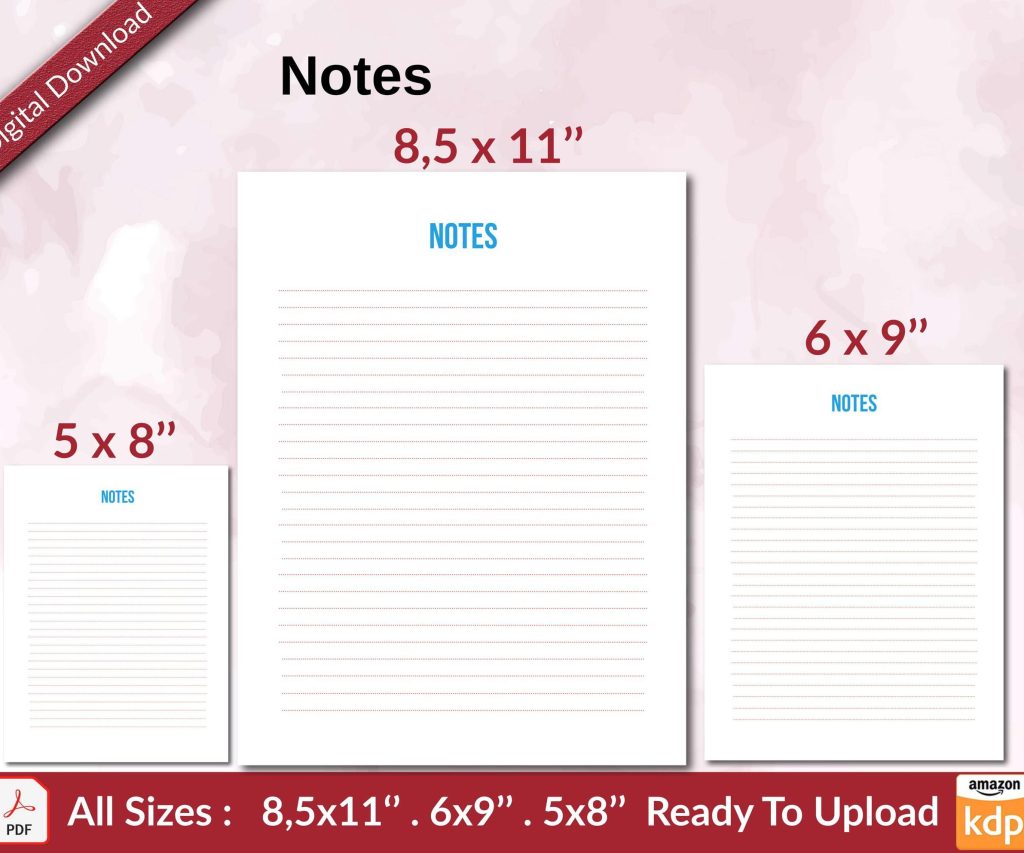 Notes KDP interior Ready To Upload, Sizes 8.5x11 6x9 5x8 inch PDF FILE Used as Amazon KDP Paperback Low Content Book, journal, Notebook, Planner, COMMERCIAL Use
1 × $0.00
Notes KDP interior Ready To Upload, Sizes 8.5x11 6x9 5x8 inch PDF FILE Used as Amazon KDP Paperback Low Content Book, journal, Notebook, Planner, COMMERCIAL Use
1 × $0.00
Subtotal: $0.00
Okay so I just finished uploading three new books to KDP last week and honestly the platform has gotten way better than when I started back in 2017. Let me walk you through the actual features that matter because there’s a bunch of stuff Amazon promotes that you’ll literally never use.
First thing when you log into KDP – the dashboard shows you everything at a glance. Sales from the last 30 days, royalties earned, which books are actually selling. I check mine every morning with coffee and it’s kinda become this weird ritual, my cat judges me for it but whatever.
The “Bookshelf” section is where all your titles live. You can see draft status, published books, and stuff in review. Review usually takes like 24-72 hours but I’ve had books go live in 6 hours and others take a full week, it’s super inconsistent. Amazon’s robots are doing their thing and sometimes they flag stuff for manual review.
You get three format options now. Started with just Kindle ebooks, then they added paperback through the Createspace merger, and hardcover came in like 2020 I think?
For ebooks – you upload a Word doc, PDF, or ePub file. The system converts it and generates a preview. Royalty options are either 35% or 70%, but here’s the catch with 70%: your book has to be priced between $2.99 and $9.99, and Amazon deducts delivery costs based on file size. So if you’ve got a massive cookbook with 500 color images, that delivery fee eats into your royalty. I learned this the hard way on a 300MB file that cost me like $2.50 per sale in delivery fees.
Paperbacks use POD (print on demand) through Amazon’s system. You upload a PDF with specific formatting requirements – bleed areas, margins, the whole deal. The printing cost gets deducted from your list price and you keep what’s left. A 120-page black and white paperback costs about $2.50 to print, so if you price it at $9.99, you’re getting roughly $3-4 after Amazon’s cut.
Hardcovers work basically the same but printing costs more. I’ve only done like 12 hardcover versions because honestly most of my low-content stuff doesn’t need that premium feel.
Creating a new title walks you through this step-by-step thing. Language selection first – they support 45+ languages now which is nuts. Then you enter your book details.
Title and subtitle matter way more than people think for Amazon’s algorithm. You want keywords naturally worked in but not stuffed. Like “Budget Planner 2025: Monthly Finance Tracker and Expense Log for Personal Money Management” hits multiple search terms without sounding robotic.
The description field supports basic HTML which most people don’t know. You can add bold tags, italics, bullet points. Makes your book page look way more professional than just a wall of text. I literally just copy-paste my HTML template and swap out the details.
You get to pick two browse categories during upload. But here’s what nobody tells you – you can email KDP support and request up to 10 total categories. I do this for every single book now. More categories = more chances to hit bestseller rankings in niche sections.
The seven keyword boxes are gold. Don’t waste them on single words. Use phrases that people actually search: “daily planner for women 2025” or “recipe journal for home cooks” instead of just “planner” or “recipes.” Amazon’s A9 algorithm reads these to determine where your book shows up.
Oh and another thing – backend keywords don’t need to be in your title or description. Use this space for synonyms and related terms you couldn’t fit elsewhere.
The pricing page shows you potential royalties at different price points. Super helpful for finding that sweet spot. There’s also this expanded distribution option for paperbacks where Amazon distributes to libraries and bookstores, but you earn less per sale. I enable it anyway because passive exposure.
One feature I love – you can set different prices for different Amazon marketplaces. Your book automatically goes live on Amazon US, UK, Germany, France, Spain, Italy, Japan, Canada, Australia, and more. You can customize pricing for each or let Amazon auto-convert based on current exchange rates. I usually auto-convert because managing 12 different price points sounds like a nightmare.
Kindle Countdown Deals and Free Book Promotions are built into the platform if you enroll in KDP Select. That’s the exclusivity program where your ebook can only be on Amazon (no other platforms) but you get access to Kindle Unlimited. Readers in KU can borrow your book and you earn about $0.004 per page read. Doesn’t sound like much but I’ve got a 200-page guided journal that’s earned $8k from page reads alone.
Okay so this is gonna sound scattered but it’s important – KDP Select requires 90-day enrollment periods. You’re locked in, can’t publish that ebook anywhere else. Benefits include:
I keep my low-content books in Select because they do better with KU exposure. My longer ebooks I publish wide across multiple platforms because the audience is different.
Amazon’s content guidelines are… interesting. They prohibit public domain content that’s undifferentiated (can’t just upload Pride and Prejudice with a new cover), poor customer experience stuff, and content that violates intellectual property rights.
For low-content books like journals and planners, there used to be zero restrictions. Now they’re cracking down on duplicate interiors and low-quality submissions. I’ve had notebooks rejected for “lacking content” even though it’s literally supposed to be blank pages. You gotta add enough unique elements – custom page designs, thoughtful prompts, varied layouts.
Wait I forgot to mention – the preview feature is actually solid now. You can see exactly how your book will look on different Kindle devices and in paperback form. Catch formatting issues before going live. I still find weird spacing problems sometimes but it’s better than the old days when you just hoped for the best.
The reports section breaks down everything. Sales dashboard shows units sold, royalties earned, and Kindle Edition Normalized Pages (KENP) read for the current month and previous months. You can filter by marketplace, date range, and ASIN.
Payment reports show exactly what you’re getting paid and when. Amazon pays royalties 60 days after the end of the month. So January sales get paid end of March. Minimum threshold is $100 for check or direct deposit, $10 for Amazon gift card payment (I knew someone who did gift cards for like 2 years which seems wild).
Ad campaign reports live here too if you’re running Amazon Ads. Shows impressions, clicks, sales, ACOS (advertising cost of sale). I run ads on maybe 30% of my catalog, the stuff that already sells well organically.
For paperbacks and hardcovers, Amazon offers free ISBNs. Sounds great but there’s a catch – Amazon is listed as the publisher of record. If you ever want to distribute elsewhere, you’ll need a different ISBN.
I buy my own ISBNs from Bowker in packs of 10 ($295) and use those for books I might want to expand distribution on later. For stuff that’s staying Amazon-only forever, I use their free ISBNs. No point spending money unnecessarily.
Kindle ebooks don’t need ISBNs at all. Amazon assigns an ASIN (Amazon Standard Identification Number) automatically.
Amazon has this built-in cover creator that’s… fine. It’s basic templates with text and image options. Good enough for testing concepts or super simple designs. I used it for my first maybe 10 books then switched to Canva and later hired a designer for my main series.
The tool works better for fiction with simple text-based covers than for non-fiction where you want custom graphics. You can upload your own cover image too obviously, which is what 95% of serious publishers do.
Kindle Create is Amazon’s free formatting software. You download it, import your manuscript, and it handles the conversion to Kindle format. Supports tables, images, drop caps, chapter navigation. Actually pretty decent for non-fiction and poetry collections.
I still prefer Vellum for fiction formatting (Mac only, $249 but worth it) but Kindle Create does the job for free. There’s also Kindle Kids’ Book Creator for children’s books with fixed layouts.
For paperback formatting I use Atticus now ($147 one-time) but honestly Microsoft Word works fine if you learn the margin and bleed settings. Amazon’s paperback templates make it easier – just download the template for your trim size and page count, drop your content in.
This is separate from KDP but connected. Author Central lets you create an author page, add a bio, link your blog, track sales rank across all your books. The sales dashboard there shows daily sales estimates which are weirdly addictive to check even though they’re not 100% accurate.
You can also add editorial reviews to your book pages through Author Central. Like if you get a good review from a blog or magazine, you can feature it prominently.
Amazon offers three paper types for paperbacks: white, cream, and premium color. White is standard weight, good for most books. Cream has a slight off-white tone, popular for novels because it’s easier on the eyes. Premium color is glossy and expensive, only worth it for photo-heavy books or art portfolios.
Binding is always perfect bound (paperback) or case laminate (hardcover). The quality is honestly solid. I order author copies regularly and they’re comparable to traditional publishing quality. Sometimes the cover alignment is like 2mm off but nobody except me notices.
KDP support is hit or miss. Email responses take 24-48 hours usually. Phone support exists but the wait times can be brutal. The help pages and forums are actually useful though – most common issues have detailed articles.
I’ve had to contact them maybe 30 times over the years for stuff like wrong royalty calculations, books stuck in review, and category change requests. Usually they fix things within a few days.
Amazon Ads runs through a separate interface but connects to your KDP account. You can run sponsored product ads that show up in search results and on competitor book pages. Minimum bid is usually $0.02 per click but competitive keywords go way higher.
I typically start campaigns at $5/day budget with automatic targeting, then refine based on what converts. Some of my books get 8:1 return on ad spend, others lose money. It’s very book-dependent.
The A+ Content feature (now called Premium A+ Content) lets you add enhanced graphics and formatted sections to your book description page, but it’s only available if you own the ISBN or trademark your series name. Worth doing for your main series but probably overkill for one-off books.
Your book automatically publishes to all Amazon marketplaces unless you opt out. Amazon.de, Amazon.fr, Amazon.co.jp – everywhere. I’ve made sales in countries I’ve never visited and honestly that’s still weird to think about.
You can set up tax interviews and royalty withholding through the KDP tax information section. US authors need to fill out W-9 forms, international authors use W-8BEN. If you don’t do this, Amazon withholds 30% for taxes which sucks.
Honestly the platform has gotten so much better since I started. The upload process used to break constantly, the preview tool was garbage, and sales reporting lagged by days. Now it’s pretty smooth except when they randomly change something without warning and everyone freaks out in the Facebook groups.
Anyway that’s the main stuff you’ll actually use. There’s other features buried in there but these are the ones that matter for actually making money and managing your publishing business. Let me know if you get stuck on anything specific.
DISCOVER OUR FREE BEST SELLING PRODUCTS
Editable Canva Lined Journal: Express Your Thoughts – KDP Template
Lined Pages Journal 120 pages Ready to Upload PDF Commercial Use KDP Template 6×9 8.5×11 5×8 for Notebooks, Diaries, Low Content
Lined Pages Journal 120 pages Ready to Upload PDF Commercial Use KDP Template 6×9 8.5×11 5×8 for Notebooks, Diaries, Low Content
Cute Dogs Coloring Book for Kids | Activity Book | KDP Ready-To-Upload
Daily Planner Diary : Diary Planners for Everyday Productivity, 120 pages, 6×9 Size | Amazon KDP Interior
Wolf Coloring KDP interior For Adults, Used as Low Content Book, PDF Template Ready To Upload COMMERCIAL Use 8.5×11"
Coloring Animals Head Book for Kids, Perfect for ages 2-4, 4-8 | 8.5×11 PDF
Printable Blank Comic Book Pages PDF : Create Your Own Comics – 3 Available Sizes
Notes KDP interior Ready To Upload, Sizes 8.5×11 6×9 5×8 inch PDF FILE Used as Amazon KDP Paperback Low Content Book, journal, Notebook, Planner, COMMERCIAL Use
Black Lined Journal: 120 Pages of Black Lined Paper Perfect for Journaling, KDP Notebook Template – 6×9
Student Planner Journal 120 pages Ready to Upload PDF Commercial Use KDP Template 6×9" 8.5×11" for Low Content book
Recipe Journal Template – Editable Recipe Book Template, 120 Pages – Amazon KDP Interior