-
×
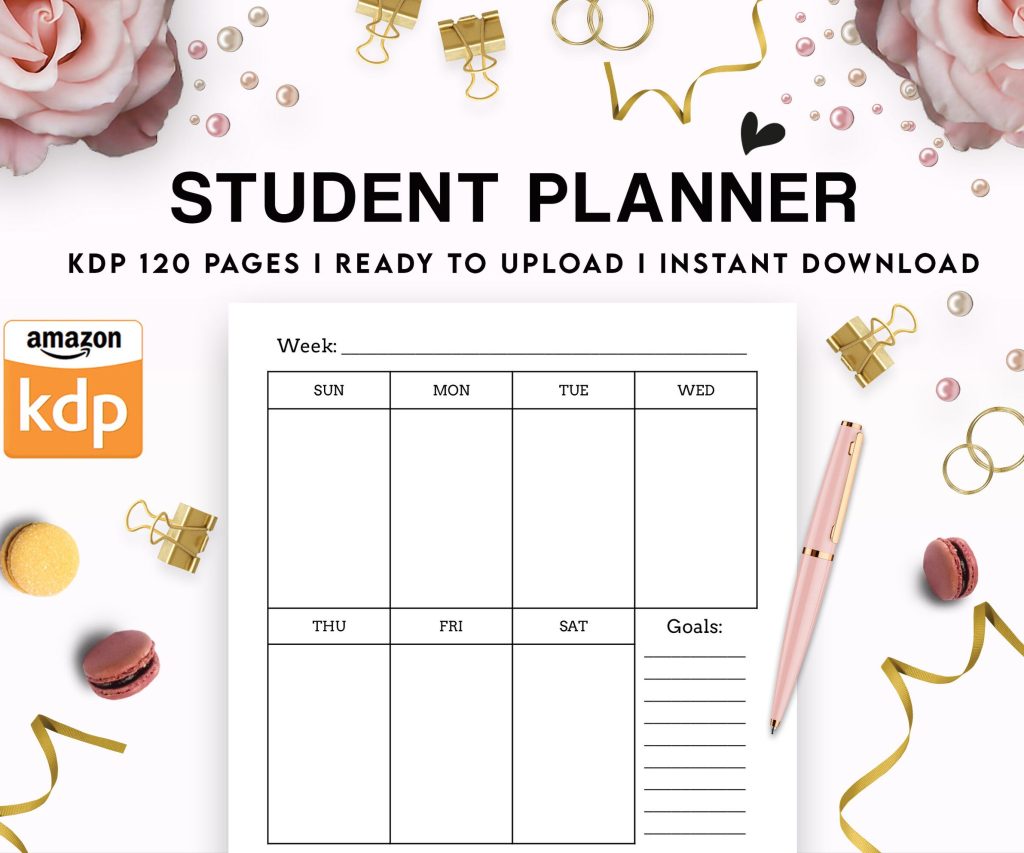 Student Planner Journal 120 pages Ready to Upload PDF Commercial Use KDP Template 6x9" 8.5x11" for Low Content book
1 × $0.00
Student Planner Journal 120 pages Ready to Upload PDF Commercial Use KDP Template 6x9" 8.5x11" for Low Content book
1 × $0.00
Subtotal: $0.00

Right so you’re probably overthinking this like everyone does at first. I spent like three months when I started just… changing keywords every week thinking that was the secret. It’s not. Let me walk you through what actually moves the needle.
Your title needs to do two things at once and most people only do one. It needs keywords AND it needs to make someone actually want to click. I see so many books titled like “Keto Diet Cookbook: Keto Recipes for Weight Loss Low Carb High Fat Ketogenic Diet” and it’s just… no one talks like that. Amazon’s algorithm is smarter now.
What I do – and this made my cookbook series jump from like page 8 to page 2 in results – is front-load ONE main keyword phrase, then make the subtitle actually descriptive. So instead of keyword stuffing, try “The 30-Day Keto Reset: Simple Low-Carb Recipes That Actually Taste Good (And Won’t Break Your Budget)”. See how that flows better? You got your main keyword but it reads like a real book title.
The character limits are 200 for title on KDP but honestly anything over 80 characters starts looking desperate. Keep the main title under 60 if you can.
This is gonna sound weird but I tested this across like 47 books last year when my cat kept walking across my keyboard and I had to redo everything anyway. Subtitles with numbers perform better. Just straight up better. “101 Ways” or “The 7-Step System” or whatever makes sense for your niche.
Also put a benefit in there, not just a description. “Learn Python Programming” is weaker than “Master Python in 6 Weeks Even If You’ve Never Coded Before”. That second one tells them what they GET.
So Amazon gives you seven keyword boxes in the backend. Most people waste them. Here’s what you gotta know – Amazon indexes phrases now, not just individual words. You don’t need to put “keto diet” and “keto cookbook” and “keto recipes” separately. Put longer phrases that include those terms.
I use this method: open Amazon, start typing your main topic in the search bar, and screenshot all the autocomplete suggestions. Those are REAL searches people are doing right now. Do this in incognito mode so your search history doesn’t mess it up.
Then go look at the top 10 books in your category. Not to copy them but to see what keywords they’re NOT using. There’s always gaps. Like when I published my budgeting planner, everyone was targeting “budget planner” and “financial planner” but almost nobody had “paycheck to paycheck budget” which was getting searched a ton.
Don’t repeat words across boxes if you can help it. Amazon’s smart enough to mix and match. So if box 1 has “easy meal prep for beginners” and box 2 has “quick dinner recipes families” – Amazon will index you for “easy dinner recipes” and “meal prep for families” too. It’s like keyword math.
Use all the characters – you get like 50 per box. Don’t waste space with commas or separators, just spaces between phrases.
One box should always be misspellings or alternate spellings people actually use. I know it feels weird but “receipes” gets searched a LOT even though it’s wrong.
You can pick two categories when you publish but you can get into more by emailing KDP support after. And you should. I’ve got books in 5-6 categories each. You want to find categories where you can realistically hit top 100, not just pick the biggest ones.
Go narrow. Really narrow. Don’t just pick “Cookbooks” – find “Cookbooks, Food & Wine > Regional & International > European > French > Provençal” if that fits your book. Smaller categories = easier to rank = more visibility = Amazon shows you to MORE people because you’re “bestseller” tagged.
oh and another thing – check what categories the top books in your niche are in. You can see this on their product page. If three of the top 10 are in some obscure category you didn’t know existed, that’s valuable info.
Your book description can use HTML tags. Most people just paste in plain text and wonder why it looks boring. Use bold for important phrases (which also signals to Amazon what’s important), use bullet points, break it into sections.
Structure I use: hook paragraph, bullet points of what they get, short paragraph about who it’s for, call to action. Takes like 10 minutes to format but conversion rate goes up noticeably.
First 150 characters are what show before the “read more” button so frontload your best stuff there. Answer “why should I care” immediately.
If you’re in KDP Select you can add A+ content now even for ebooks which is kinda new. Most people ignore this. Don’t. It gives you more space to sell, more images, looks way more professional.
I was watching The Last of Us while setting this up for a client last month and honestly the module templates are pretty self-explanatory. Use the comparison chart module if you have multiple books, use the image + text modules to break up information, make it skimmable.
Okay so this isn’t directly SEO but it affects your ranking because Amazon’s algorithm weighs sales velocity heavy. When you launch, price at 99 cents for the first week if you can stomach it. Get those initial sales and reviews, boost your rank, then increase to your real price.
The sweet spot for most niches is $2.99-$4.99. You get 70% royalty and it’s cheap enough people impulse buy. I’ve tested higher prices and yeah you make more per sale but you make fewer sales, and fewer sales = worse ranking = even fewer sales. It’s a death spiral.
In your KDP dashboard there’s a section for BISAC codes – use both slots. These help with discoverability outside Amazon too, like libraries and other retailers if you ever go wide.
The author name field – keep it consistent across all your books. Amazon links author profiles now and it helps with “customers also bought” recommendations.
Book language setting seems obvious but I’ve seen people accidentally set it wrong and tank their visibility because Amazon was showing it to the wrong market.
You need reviews. Like obviously, but specifically you need them in the first 30 days. Amazon gives new releases a visibility boost but only if they’re getting traction. I tell people to have at least 5-10 people ready to buy and review in week one.
Use Amazon’s “Follow” feature reminder in your book description. More followers = Amazon notifies them about your new releases = better launch numbers next time.
Never ever buy reviews or do review swaps with other authors in obvious ways. Amazon’s gotten really good at detecting that and they’ll suppress your whole catalog. Not worth it.
wait I forgot to mention – you can update your keywords and description anytime without republishing. I go back every quarter and refresh keywords based on current search trends. Seasonal stuff especially – like “summer reading” in May, “holiday gifts” in October.
If you DO republish with content changes, there’s a trick: minor updates keep your reviews, major updates might reset them. Amazon decides what counts as major but generally if you’re adding/removing whole chapters that’s risky. Fixing typos and updating a few paragraphs is safe.
The KDP dashboard reports tell you which keywords are actually driving sales. Most people never look at this. Go to Reports > Advertising (even if you’re not running ads yet) and you can see some search term data.
Also watch your also-boughts. If Amazon is associating you with books that aren’t in your niche, your keywords might be too broad or off-target. You want to be recommended alongside successful books in your exact niche.
Sales rank matters but it’s relative to category. Top 100k overall is solid passive income territory. Top 10k is doing really well. Under 1k and you’re probably making decent money just from that one book.
The optimization game is honestly never finished – I’ve got books from 2018 that I still tweak twice a year and they still make money every month. It’s more marathon than sprint, you just gotta keep testing small changes and watching what moves the needle for YOUR specific books.
DISCOVER OUR FREE BEST SELLING PRODUCTS
Editable Canva Lined Journal: Express Your Thoughts – KDP Template
Lined Pages Journal 120 pages Ready to Upload PDF Commercial Use KDP Template 6×9 8.5×11 5×8 for Notebooks, Diaries, Low Content
Lined Pages Journal 120 pages Ready to Upload PDF Commercial Use KDP Template 6×9 8.5×11 5×8 for Notebooks, Diaries, Low Content
Cute Dogs Coloring Book for Kids | Activity Book | KDP Ready-To-Upload
Daily Planner Diary : Diary Planners for Everyday Productivity, 120 pages, 6×9 Size | Amazon KDP Interior
Wolf Coloring KDP interior For Adults, Used as Low Content Book, PDF Template Ready To Upload COMMERCIAL Use 8.5×11"
Coloring Animals Head Book for Kids, Perfect for ages 2-4, 4-8 | 8.5×11 PDF
Printable Blank Comic Book Pages PDF : Create Your Own Comics – 3 Available Sizes
Notes KDP interior Ready To Upload, Sizes 8.5×11 6×9 5×8 inch PDF FILE Used as Amazon KDP Paperback Low Content Book, journal, Notebook, Planner, COMMERCIAL Use
Black Lined Journal: 120 Pages of Black Lined Paper Perfect for Journaling, KDP Notebook Template – 6×9
Student Planner Journal 120 pages Ready to Upload PDF Commercial Use KDP Template 6×9" 8.5×11" for Low Content book
Recipe Journal Template – Editable Recipe Book Template, 120 Pages – Amazon KDP Interior