-
×
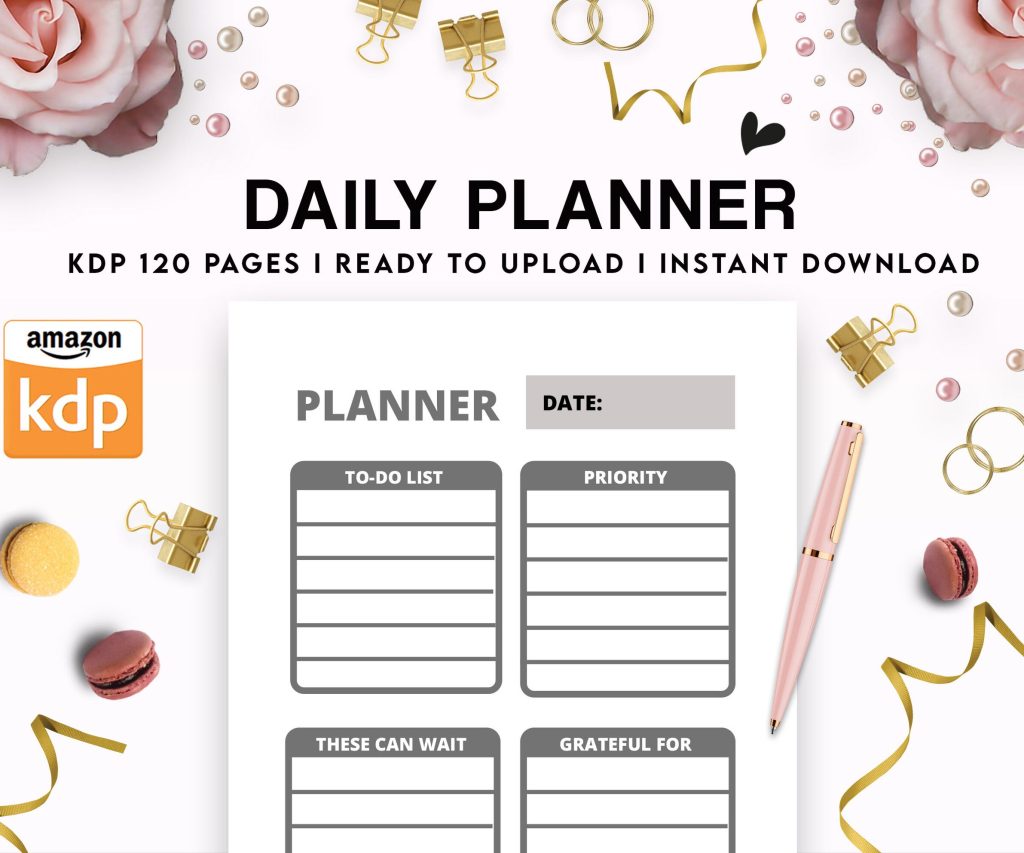 Daily Planner Diary : Diary Planners for Everyday Productivity, 120 pages, 6×9 Size | Amazon KDP Interior
1 × $0.00
Daily Planner Diary : Diary Planners for Everyday Productivity, 120 pages, 6×9 Size | Amazon KDP Interior
1 × $0.00
Subtotal: $0.00
 Daily Planner Diary : Diary Planners for Everyday Productivity, 120 pages, 6×9 Size | Amazon KDP Interior
1 × $0.00
Daily Planner Diary : Diary Planners for Everyday Productivity, 120 pages, 6×9 Size | Amazon KDP Interior
1 × $0.00 Subtotal: $0.00
Right so you published your book and now you’re staring at KDP dashboard wondering what the hell comes next. I was literally in this exact spot last Tuesday with a client’s cookbook and realized most people just… abandon their books after launch which is wild.
First thing – and I cannot stress this enough – you gotta check your book listing like immediately. Not tomorrow, not in a week. I’m talking within 2-3 hours of going live. Amazon’s robots sometimes do weird stuff with your description formatting, your bullet points might look janky, or worse your categories didn’t stick. Happened to me maybe 30 times over the years and it’s always something random.
So in those first two days you want to:
I had my cat knock over my coffee during one of these checks last month and almost missed that Amazon had changed my $2.99 price to $0.99 somehow. Would’ve lost like $400 that week if I hadn’t caught it.
Wait I forgot to mention – you’re not stuck with your initial category choices. This is huge because sometimes you pick categories during upload and then realize there were better options. You get two categories automatically but you can contact KDP support and ask for up to 10 total categories.
I literally just did this last week. You go to the help section, click “Contact Us” and there’s an option for updating categories. Type in your ASINs and the exact category paths you want. They usually do it within 24 hours. The category paths look like this: Kindle Store > Kindle eBooks > Crafts, Hobbies & Home > Crafts & Hobbies > Papercrafts.
You gotta use the exact Amazon browse category names or they’ll reject it. I keep a spreadsheet of good low-competition categories I’ve found over the years because finding them manually is a pain.
Okay so funny story – I used to check my dashboard like 47 times a day when I started. Now I check maybe once in the morning and once at night. The sales data updates roughly every hour but it’s not real-time so don’t make yourself crazy.
What you’re actually looking for in those first weeks:
The BSR thing is interesting because it updates like every hour and it’ll swing wildly at first. One sale might take you from #800,000 to #45,000. Don’t get too excited because it drops back down fast. What you want is consistent movement upward over weeks.

This is gonna sound weird but I change prices on my books all the time. Amazon lets you update pricing whenever you want and it goes into effect within a few hours usually. My client canceled last Thursday so I spent like three hours testing different price points on my coloring book series.
Here’s what I’ve learned: low-content books often do better at $5.99-$6.99 than at $2.99. I know that sounds backwards but the higher price implies more value and your royalty is obviously way better. For ebooks it depends on length – under 200 pages I usually test $2.99 vs $3.99. Over 200 pages you can push $4.99-$9.99.
Run each price for at least 5-7 days before changing it again. You need enough data to see patterns. I track this in a simple spreadsheet: date, price, units sold, royalties earned, KENP reads.
So reviews are complicated because Amazon’s super strict about what you can and can’t do. You absolutely cannot offer free copies in exchange for reviews anymore – that’s against TOS and they’ll nuke your account.
What actually works:
That Request a Review button is gold. For each order you’ll see a little button that sends an automated Amazon email to the buyer asking for feedback. I click that on literally every sale. Maybe 5-10% actually leave reviews but it adds up.
I usually wait like 2-3 weeks before starting ads because you want a few reviews first and you want to see if there’s any organic traction. But if you’re gonna run ads (and you probably should eventually), you set them up right in your KDP dashboard under the Marketing tab.
Start with Sponsored Products campaigns, automatic targeting, budget like $3-5 per day. Let it run for at least two weeks before you touch anything. Amazon’s algorithm needs time to figure out where to show your book.
I’m watching this true crime show while typing this and just remembered – your ad conversion rate matters more than your click-through rate. I see people obsessing over CTR but if people click and don’t buy, you’re just burning money. Aim for ACoS (advertising cost of sale) under 70% when starting out.
You have 90 days in KDP Select initially and then it auto-renews unless you opt out. During those 90 days you get access to:
The tradeoff is exclusivity – you can’t sell that book anywhere else. Not on your website, not on other platforms, nowhere.
My personal strategy: I keep low-content books in Select because the page reads add up nicely. For ebooks I test Select for the first 90 days then often go wide (publish everywhere) after that. But coloring books and journals? Those KENP reads can be like 40-60% of your income on those books.
Those 5 free days are powerful but don’t waste them in your first week. Wait until you have at least 3-5 reviews. Then schedule a free promo and submit it to free book sites like BargainBooksy, Robin Reads, Fussy Librarian (these cost money but work).
A good free promo might get you 500-2000 downloads depending on your genre and marketing. The real benefit comes after – you usually see increased sales and page reads for 2-3 weeks after as your ranking improves.
Every month I pull reports from KDP dashboard. Go to Reports tab and download the prior month’s data. I track:
This tells you where to focus energy. Maybe your book is crushing it in the UK but dead in the US – that’s actionable intel. Maybe print sales are doubling your ebook sales – time to optimize that print listing more.
Here’s something nobody tells you – you can update your book files anytime. Fixed a typo? Want to add more content? Just upload the new file in your KDP bookshelf. It usually goes live within 24-72 hours.
I do this more than I probably should. Found a formatting issue in a journal interior last month and fixed it on like 15 books in one night. People who already bought it don’t automatically get the update though unless it’s substantial enough that Amazon decides to push it.
Your description and A+ Content (if you’re brand registered) can be updated constantly too. I test different descriptions every few months to see what converts better. More bullet points vs paragraphs, different hooks, emphasizing different features.
Once you see what’s selling – and this might take 30-60 days to really know – double down. If your activity book for kids is getting traction, make another one. If your romance novel is flat, maybe that genre isn’t your thing or the cover needs work or whatever.
I’ve got this one planner series that’s made me probably $40k over three years and it started as a random test. When I saw the first one selling I created 8 more variations within a month. Now they all support each other in the algorithm.
The books that don’t work? I usually let them sit for 90 days then either unpublish them or do a complete overhaul – new cover, new description, new categories, new price. Sometimes that second attempt hits different.
Watch your “also boughts” section too – that shows what books Amazon is associating yours with. If you’re showing up alongside bestsellers in your niche, that’s perfect. If you’re showing up next to totally random stuff, your keywords or categories might be off.
Anyway that’s the main stuff you gotta stay on top of after launch. It’s not passive income right away – you’re gonna be tweaking and monitoring and adjusting for at least the first 90 days. But once you dial it in and understand your specific book’s patterns, it gets way more hands-off.
DISCOVER OUR FREE BEST SELLING PRODUCTS
Editable Canva Lined Journal: Express Your Thoughts – KDP Template
Lined Pages Journal 120 pages Ready to Upload PDF Commercial Use KDP Template 6×9 8.5×11 5×8 for Notebooks, Diaries, Low Content
Lined Pages Journal 120 pages Ready to Upload PDF Commercial Use KDP Template 6×9 8.5×11 5×8 for Notebooks, Diaries, Low Content
Cute Dogs Coloring Book for Kids | Activity Book | KDP Ready-To-Upload
Daily Planner Diary : Diary Planners for Everyday Productivity, 120 pages, 6×9 Size | Amazon KDP Interior
Wolf Coloring KDP interior For Adults, Used as Low Content Book, PDF Template Ready To Upload COMMERCIAL Use 8.5×11"
Coloring Animals Head Book for Kids, Perfect for ages 2-4, 4-8 | 8.5×11 PDF
Printable Blank Comic Book Pages PDF : Create Your Own Comics – 3 Available Sizes
Notes KDP interior Ready To Upload, Sizes 8.5×11 6×9 5×8 inch PDF FILE Used as Amazon KDP Paperback Low Content Book, journal, Notebook, Planner, COMMERCIAL Use
Black Lined Journal: 120 Pages of Black Lined Paper Perfect for Journaling, KDP Notebook Template – 6×9
Student Planner Journal 120 pages Ready to Upload PDF Commercial Use KDP Template 6×9" 8.5×11" for Low Content book
Recipe Journal Template – Editable Recipe Book Template, 120 Pages – Amazon KDP Interior