
-
×
 Lined Pages Journal 120 pages Ready to Upload PDF Commercial Use KDP Template 6x9 8.5x11 5x8 for Notebooks, Diaries, Low Content
1 × $0.00
Lined Pages Journal 120 pages Ready to Upload PDF Commercial Use KDP Template 6x9 8.5x11 5x8 for Notebooks, Diaries, Low Content
1 × $0.00
Subtotal: $0.00
Okay so sales velocity is basically just Amazon’s way of measuring how fast your book sells compared to others in your category, and I spent like three months last year obsessing over this because two of my planners were stuck at rank 80k while another one was sitting pretty at 12k even though they were basically the same quality.
The thing most people don’t get is that Amazon doesn’t just count total sales. They’re looking at recent sales concentrated in a short timeframe. So selling 10 copies today is worth WAY more than selling 10 copies spread across two weeks. This is why new releases sometimes rocket to the top even though established books have sold thousands more copies overall.
First thing you gotta do is actually track your BSR obsessively for like a week. I use a spreadsheet where I log my Best Sellers Rank three times a day – morning, afternoon, late night. Sounds insane but you’ll start seeing patterns. My gratitude journal drops in rank every Sunday night like clockwork, shoots back up Tuesday mornings. Once you know your pattern you can time your promotions instead of just… hoping.
Categories matter so much here and most people pick the wrong ones. You get to choose two categories when you upload, but you can contact Amazon and ask for additional categories. I’ve got books in up to 10 categories and it’s completely legit. The trick is finding those sweet spot categories where the #1 book is ranked like 15k-40k overall. Those are competitive enough to matter but not impossible to crack.
Oh and another thing – the “also boughts” on your product page are everything. Amazon shows your book to people based on what other customers purchased together. So if your budget planner keeps showing up next to bestselling budget planners, you’re golden. If it’s showing up next to random nonsense, you’ve got a problem.
I force this by running really targeted ads. Like I’ll literally target specific ASINs of books I want to be associated with. Yeah it costs more per click but getting into the right also-bought ecosystem is worth it. My dog interrupted me like five times while I was setting up my last campaign and I almost gave up but stuck with it.
Let’s talk about the launch phase because this is where velocity matters most. Amazon gives new books a little boost in visibility for the first 30 days, maybe 90 if you’re lucky. You need to concentrate as many sales as possible into the first week. I’m talking call in every favor, run aggressive promos, maybe even do a 99 cent launch price.
Here’s what I do: I build a email list of like 50-100 people before launch using a simple landing page. Nothing fancy. Just “hey this book is coming, want to know when it drops?” Then on launch day I email them with a discount code. Even if only 20 people buy, that’s 20 sales on day one which is enough to boost your BSR significantly in most niches.
Keywords are another huge part of this that people completely mess up. You get seven keyword boxes on the backend, and most authors waste them on single words or phrases that are way too competitive. I use all seven boxes and fill them with long-tail phrases. Like instead of “journal” I’ll put “daily journal for women with prompts and inspirational quotes” as ONE of my seven. Amazon’s system reads all of it.
Wait I forgot to mention – your title and subtitle are also searchable. So front-load those with keywords too. My best-selling notebook is called “Daily Planner 2024: Weekly and Monthly Organizer with Goal Setting Pages” which sounds clunky but it’s basically three keyword phrases mashed together. It works though, that thing makes me like $800 a month.
Pricing strategy directly impacts velocity. I tested this extensively last summer. A $6.99 book will sell more copies than a $9.99 book, obviously, but here’s the thing – if those extra sales push you up in rank, you might actually make more total money at the lower price because of the visibility boost. I dropped one of my books from $8.99 to $5.99 and sales tripled within four days. The profit per sale was lower but total monthly income went from $340 to $1,200.
Amazon ads are non-negotiable if you want velocity. I know they’re intimidating but start simple. Automatic campaigns with like $5/day budget. Let it run for two weeks, then look at your search term report. You’ll see exactly what phrases people used to find your book. Take the ones that converted and put them in a manual campaign with higher bids.
My current strategy is running three types of campaigns simultaneously: one auto campaign for discovery, one manual targeting specific keywords, and one product targeting campaign going after competitor ASINs. Total ad spend is about $20-30/day across all my books but it generates $80-100 in daily sales.
This is gonna sound weird but the cover matters more for velocity than quality. A stunning cover won’t save a terrible book long-term, but it’ll get you those crucial first sales that boost your rank. I spent $300 on a professional designer for one cover and it paid for itself in three weeks. Meanwhile I’ve got books with okay covers that just… sit there.
Reviews impact velocity indirectly. Amazon doesn’t directly boost books with more reviews but customers are more likely to buy, which increases your velocity. Getting those first 10 reviews is brutal. I use Amazon’s “Request a Review” button for every order. It’s right there in your KDP dashboard under orders. Takes two seconds per book. My success rate is like 1 in 20 but it adds up.
You can also enroll in Kindle Unlimited which completely changes the game. Downloads count toward your rank just like sales, and since KU books are “free” to subscribers, people are more likely to grab them. I’ve got some books that barely sell any copies but have hundreds of page reads per month, keeping their rank stable.
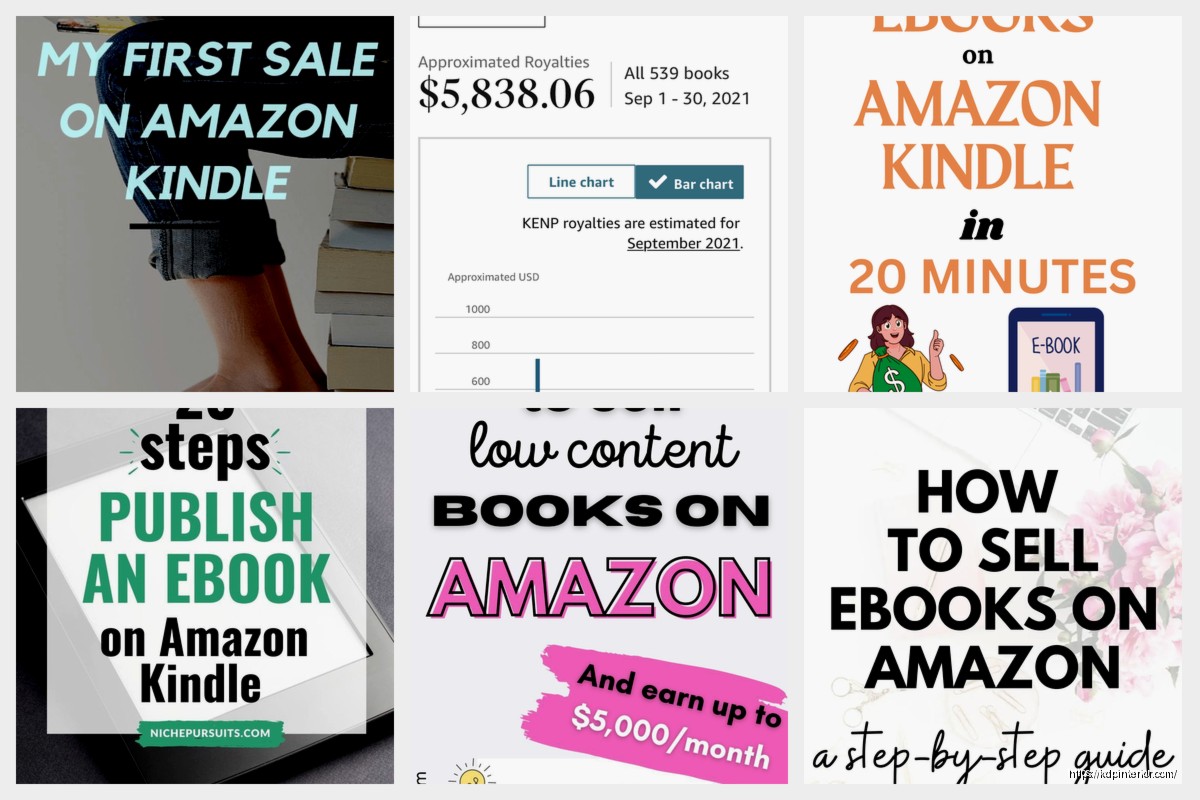
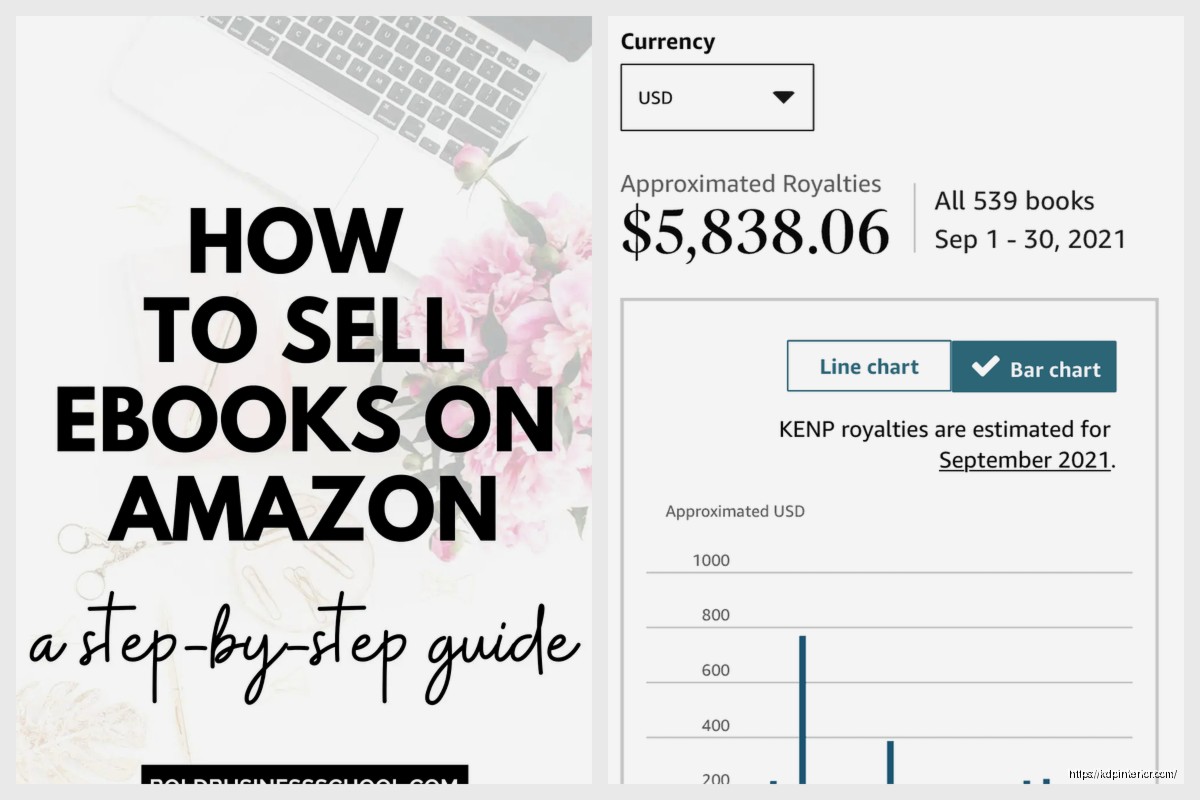
Oh and page reads also factor into velocity somehow, I think? Amazon’s never confirmed this but I swear my books with high KENP (Kindle Edition Normalized Pages) read-through maintain better ranks than books with similar sales but lower page reads. Could be correlation not causation though.
Series help with velocity because if someone buys book one and likes it, they’ll probably buy book two immediately. That concentrated purchasing within a short timeframe = velocity boost. I’ve got a set of three related planners (fitness, meal planning, habit tracking) and people regularly buy all three at once. Each sale boosts the others algorithmically.
Updating your book can give you a temporary velocity boost. Not like a major rewrite, just refresh the copyright year, maybe add a page or two, upload the new version. Amazon sometimes treats it like a mini-relaunch. I do this every January with my dated planners anyway, but I’ve also done it mid-year with evergreen content just to get a little bump.
Bundling is underutilized. You can create a new “book” that’s actually 2-3 of your existing books combined, price it at a discount, and boom – new product with its own rank. I bundled three notebooks into one “mega notebook pack” priced at $12.99 when the individual ones were $5.99 each. It sells consistently and funnels people to the individual versions too.
External traffic helps but it’s tricky. Sending people from Facebook or Pinterest to your Amazon page can boost sales, but if those visitors don’t buy, it might hurt your conversion rate which could negatively impact visibility. I only use external traffic when I’ve got a killer offer like 99 cents or a discount code. Otherwise the conversion rate tanks.
Seasonal timing is huge for certain niches. Planners obviously sell best in November-January. Gratitude journals peak around Thanksgiving. Summer activity books for kids sell in April-June. If you can time your launch to catch the beginning of your seasonal wave, your velocity will naturally be higher because demand is increasing anyway.
Price pulsing is this technique where you temporarily drop your price, let sales velocity increase and boost your rank, then raise the price back up while maintaining the higher visibility. I’ll drop a book from $7.99 to $3.99 for three days, get a bunch of sales, move up in rank, then gradually increase back to $7.99 over the next week. The higher rank brings more organic traffic even at the higher price.
Your book description needs to convert browsers into buyers. Use bullet points, include keywords naturally, end with a call-to-action. I tested two descriptions for the same book – one was a paragraph of flowing text, the other was bullet points highlighting features. The bullet point version converted 40% better according to my ad data.
Look at your reports in KDP dashboard religiously. The sales dashboard updates hourly and you can see which books are moving. If something suddenly starts selling, figure out why. Maybe you’re ranking for a new keyword, maybe a competitor went out of stock, maybe there’s a seasonal surge. Then double down with ads or promotions.
Competition analysis is something I do monthly now. I’ll search my main keywords, look at the top 20 results, check their ranks, reviews, pricing, covers. If I notice my book is priced higher than most competitors, that might explain slow velocity. If my cover looks dated compared to what’s currently selling, that’s actionable intel.
Gonna be honest, some books just never gain velocity no matter what you do. I’ve got this password logbook that I thought would kill it – great cover, solid keywords, good price point. It sells maybe 2-3 copies a month. Sometimes the market just doesn’t want what you’re offering, or the competition is too established. That’s when you move on and create something new rather than throwing money at a dead product.
The compounding effect is real though. Once you have multiple books with decent velocity, they start cross-promoting each other through also-boughts and “customers also viewed” sections. My 15th book performed better at launch than my first book ever did, purely because I had 14 other books already funneling traffic around my author ecosystem.
DISCOVER OUR FREE BEST SELLING PRODUCTS
Editable Canva Lined Journal: Express Your Thoughts – KDP Template
Lined Pages Journal 120 pages Ready to Upload PDF Commercial Use KDP Template 6×9 8.5×11 5×8 for Notebooks, Diaries, Low Content
Lined Pages Journal 120 pages Ready to Upload PDF Commercial Use KDP Template 6×9 8.5×11 5×8 for Notebooks, Diaries, Low Content
Cute Dogs Coloring Book for Kids | Activity Book | KDP Ready-To-Upload
Daily Planner Diary : Diary Planners for Everyday Productivity, 120 pages, 6×9 Size | Amazon KDP Interior
Wolf Coloring KDP interior For Adults, Used as Low Content Book, PDF Template Ready To Upload COMMERCIAL Use 8.5×11"
Coloring Animals Head Book for Kids, Perfect for ages 2-4, 4-8 | 8.5×11 PDF
Printable Blank Comic Book Pages PDF : Create Your Own Comics – 3 Available Sizes
Notes KDP interior Ready To Upload, Sizes 8.5×11 6×9 5×8 inch PDF FILE Used as Amazon KDP Paperback Low Content Book, journal, Notebook, Planner, COMMERCIAL Use
Black Lined Journal: 120 Pages of Black Lined Paper Perfect for Journaling, KDP Notebook Template – 6×9
Student Planner Journal 120 pages Ready to Upload PDF Commercial Use KDP Template 6×9" 8.5×11" for Low Content book
Recipe Journal Template – Editable Recipe Book Template, 120 Pages – Amazon KDP Interior