-
×
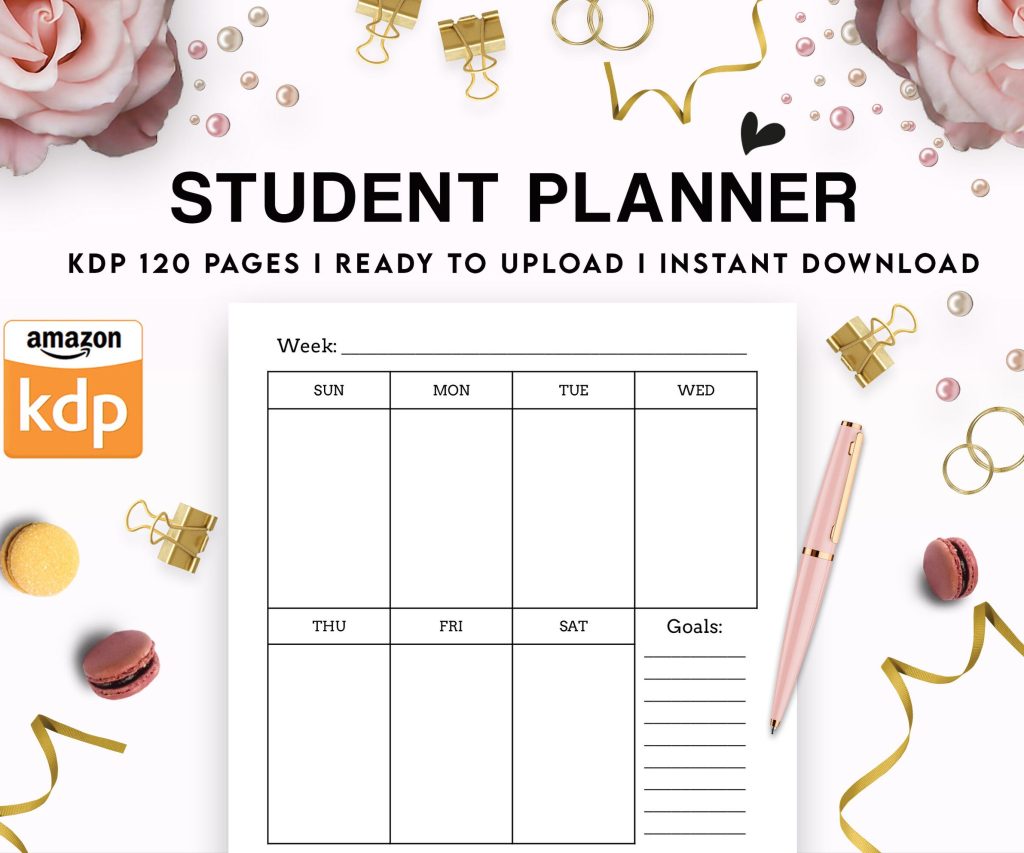 Student Planner Journal 120 pages Ready to Upload PDF Commercial Use KDP Template 6x9" 8.5x11" for Low Content book
1 × $0.00
Student Planner Journal 120 pages Ready to Upload PDF Commercial Use KDP Template 6x9" 8.5x11" for Low Content book
1 × $0.00
Subtotal: $0.00

Okay so here’s the deal with Amazon publishing – I was literally up until 2am last night helping my cousin figure this out and honestly the whole traditional vs self-publishing thing isn’t as clear-cut as people make it sound.
Traditional publishing means you’re basically handing your book to a publisher who does everything – editing, cover design, distribution, the whole thing. They pay you an advance (maybe, if you’re lucky) and then royalties later. Self-publishing through Amazon KDP means you do it all yourself but keep way more money per sale.
But here’s what actually matters when you’re deciding…
Traditional publishing takes FOREVER. Like I’m talking 1-2 years from acceptance to your book actually being on shelves. You write a query letter, find an agent (which is its own nightmare), agent shops your manuscript to publishers, publisher says yes, then you wait through editing rounds, cover design, printing schedules. My friend Sarah went traditional with her cookbook and it took 18 months from contract to publication. Meanwhile I published 23 books in that same timeframe through KDP.
Traditional publishing royalties are gonna be around 10-15% of the retail price for print books, maybe 25% for ebooks. So if your book sells for $15, you’re getting like $1.50-$2.25 per copy. With KDP, you get 60% royalties on paperbacks (after printing costs) and 70% on ebooks priced between $2.99-$9.99. For a $15 paperback where printing costs $4, you’d make around $6.60 per sale.
Do the math on that. You need to sell way fewer copies through self-publishing to make the same money.
BUT – and this is important – traditional publishers have distribution networks you can’t touch. They get your book into Barnes & Noble, independent bookstores, libraries, airports, grocery stores. KDP is basically Amazon-only (yeah there’s expanded distribution but it’s not the same). So if your book has massive mainstream appeal, traditional might sell more copies even though you make less per copy.
Traditional publishers might give you an advance – money upfront against future royalties. Sounds great except most advances for first-time authors are $5,000-$15,000 if you’re lucky. Many are lower. And you don’t earn any more money until your book “earns out” that advance through sales.
I made $8,000 in my first three months on KDP with low-content books. No advance needed.
Self-publishing gives you control over literally everything. Your cover, your title, your pricing, your marketing, your timeline. I can upload a book today and have it live tomorrow. Changed my mind about a cover? Upload a new one. Want to run a $0.99 promotion? Do it.
Traditional publishing means you get basically zero control. They design the cover (you might get input but they decide), they set the price, they decide marketing budget, they own the timeline. My cousin wanted a blue cover for her book – they made it orange because “orange sells better in that genre.” She hated it.
Traditional publishers provide professional editing which is huge if you don’t have that skill or budget. We’re talking developmental editing, line editing, copy editing, proofreading – the whole package. That would cost you $2,000-$5,000+ if you hired it out for self-publishing.
But here’s the thing… you SHOULD hire editors for self-publishing anyway if you want quality. Don’t be that person who publishes unedited garbage and wonders why sales suck. I use the same freelance editor for all my ebooks and it’s worth every penny.
Everyone thinks traditional publishers handle all your marketing. They don’t. Unless you’re a big-name author, you’re getting minimal marketing support – maybe a catalog listing and some social media posts. YOU still have to do book signings, social media, building your audience, all of it.
With self-publishing you’re obviously doing all your own marketing but at least you keep the profits from it. I spend maybe $200-300/month on Amazon ads for my books and make $5k-8k back. That math works.
Oh and another thing – traditional publishing means you’re competing for your publisher’s attention with all their other authors. Self-publishing means you can focus 100% on YOUR books.
KDP has two main options – KDP Select and going wide. Select means your ebook is exclusive to Amazon for 90 days but you get bonuses like Kindle Unlimited royalties (you get paid when people read your book through their subscription) and better promotional tools. Going wide means you can also publish to Apple Books, Kobo, Google Play, whatever.
I do KDP Select for most of my books because honestly Amazon is where the money is. Kindle Unlimited alone brings in $2,000-4,000/month for me across all my titles.
Print books through KDP use print-on-demand so there’s no upfront costs or inventory. Someone orders your book, Amazon prints and ships it. Margins are tighter than ebooks but it works.
Some genres do way better in traditional publishing – literary fiction, certain types of nonfiction, children’s books. Traditional publishers have the relationships with reviewers, bookstores, schools, libraries that matter for these.
Other genres absolutely crush it in self-publishing – romance, sci-fi/fantasy, thrillers, low-content books, niche how-to guides. The Amazon audience eats these up.
I focus on low-content books (planners, journals, activity books) and niche ebooks. These would never get traditional publishing deals but they make consistent money on Amazon. My cat-themed gratitude journal makes $400-600/month and I published it in 2019. That’s passive income a traditional publisher would never give you.
Let’s be real – traditional publishing still carries more prestige. It’s easier to get speaking gigs, teaching positions, media coverage with a traditionally published book. Some people won’t take you seriously as a self-published author.
But that’s changing fast. Some of the biggest-selling authors right now are self-published. And honestly if you’re making $50k/year self-publishing who cares what some literary snob thinks?
You can do both. Seriously. I know authors who self-published first, built an audience, then landed traditional deals because they had proven sales. Or authors who traditionally published one series then self-published another to keep more profits.
Wait I forgot to mention – rights reversion is important with traditional publishing. After some years if your book isn’t selling well you might get rights back and can then self-publish it. Happens more than you’d think.
Traditional publishing: most of your time upfront writing and querying, then waiting around for months/years while they handle production.
Self-publishing: you’re doing everything so budget time for learning cover design (or hiring it out), formatting, understanding Amazon’s dashboard, keywords, categories, pricing strategy, ads. I probably spent 40 hours just learning Amazon ads before I got profitable with them.
But once you’ve got systems down it’s faster. My 200th book took me like 1/10th the time of my first book because I had templates and processes.
Go traditional if you want validation from the publishing industry, you’ve written something with massive mainstream appeal, you don’t want to handle business stuff, you’re okay waiting years, and you value prestige over profits.
Go self-publishing if you want control, you want money faster, you’re willing to learn the business side, you’ve got a niche audience, or you’re doing low-content/practical books that traditional publishers won’t touch.
This is gonna sound weird but I always tell people to try self-publishing first with something small. A short ebook, a simple planner, whatever. Test the waters. See if you like the control and the business side. You can always query traditional publishers later if you hate it.
My dog just knocked over my coffee which is probably a sign to wrap this up…
Self-publishers who don’t invest in decent covers and editing then wonder why nobody buys their books. Your cover is competing with traditionally published books – it needs to look professional.
Traditional publishing hopefuls who query before their manuscript is actually ready. You get one shot with agents – make it count.
People who think self-publishing is a get-rich-quick scheme. It’s a real business. You need multiple books, consistent marketing, patience. My first book made $47 its first month. Now my back catalog makes $5k-10k/month but that took time.
You’ll need your manuscript formatted correctly – KDP has free tools but I use Vellum for ebooks (Mac only, $250 but worth it). For print books the margins and trim sizes matter way more than you think.
ISBN numbers – Amazon gives you free ones for KDP but you can’t use those anywhere else. If you want to go wide later buy your own ISBNs ($125 for one, $295 for 10).
Categories and keywords are hugely important for discoverability. You get 7 keywords and two categories to start. Research what similar successful books use. This took me months to figure out properly.
Pricing strategy matters too. I test different price points constantly. Sometimes $4.99 sells way more copies than $2.99 even though conventional wisdom says cheaper is better.
Look, both paths work. I’ve made over $300k from self-publishing but I also know traditionally published authors doing great. It depends on your goals, your genre, your personality, how patient you are, and honestly how much you like running a business versus just writing.
The best part about right now is you don’t have to choose forever. Start somewhere, see how it goes, adjust. Publishing isn’t what it was 10 years ago – there’s no single “right” path anymore.
DISCOVER OUR FREE BEST SELLING PRODUCTS
Editable Canva Lined Journal: Express Your Thoughts – KDP Template
Lined Pages Journal 120 pages Ready to Upload PDF Commercial Use KDP Template 6×9 8.5×11 5×8 for Notebooks, Diaries, Low Content
Lined Pages Journal 120 pages Ready to Upload PDF Commercial Use KDP Template 6×9 8.5×11 5×8 for Notebooks, Diaries, Low Content
Cute Dogs Coloring Book for Kids | Activity Book | KDP Ready-To-Upload
Daily Planner Diary : Diary Planners for Everyday Productivity, 120 pages, 6×9 Size | Amazon KDP Interior
Wolf Coloring KDP interior For Adults, Used as Low Content Book, PDF Template Ready To Upload COMMERCIAL Use 8.5×11"
Coloring Animals Head Book for Kids, Perfect for ages 2-4, 4-8 | 8.5×11 PDF
Printable Blank Comic Book Pages PDF : Create Your Own Comics – 3 Available Sizes
Notes KDP interior Ready To Upload, Sizes 8.5×11 6×9 5×8 inch PDF FILE Used as Amazon KDP Paperback Low Content Book, journal, Notebook, Planner, COMMERCIAL Use
Black Lined Journal: 120 Pages of Black Lined Paper Perfect for Journaling, KDP Notebook Template – 6×9
Student Planner Journal 120 pages Ready to Upload PDF Commercial Use KDP Template 6×9" 8.5×11" for Low Content book
Recipe Journal Template – Editable Recipe Book Template, 120 Pages – Amazon KDP Interior