-
×
 Recipe Journal Template - Editable Recipe Book Template, 120 Pages - Amazon KDP Interior
1 × $0.00
Recipe Journal Template - Editable Recipe Book Template, 120 Pages - Amazon KDP Interior
1 × $0.00
Subtotal: $0.00
 Recipe Journal Template - Editable Recipe Book Template, 120 Pages - Amazon KDP Interior
1 × $0.00
Recipe Journal Template - Editable Recipe Book Template, 120 Pages - Amazon KDP Interior
1 × $0.00 Subtotal: $0.00
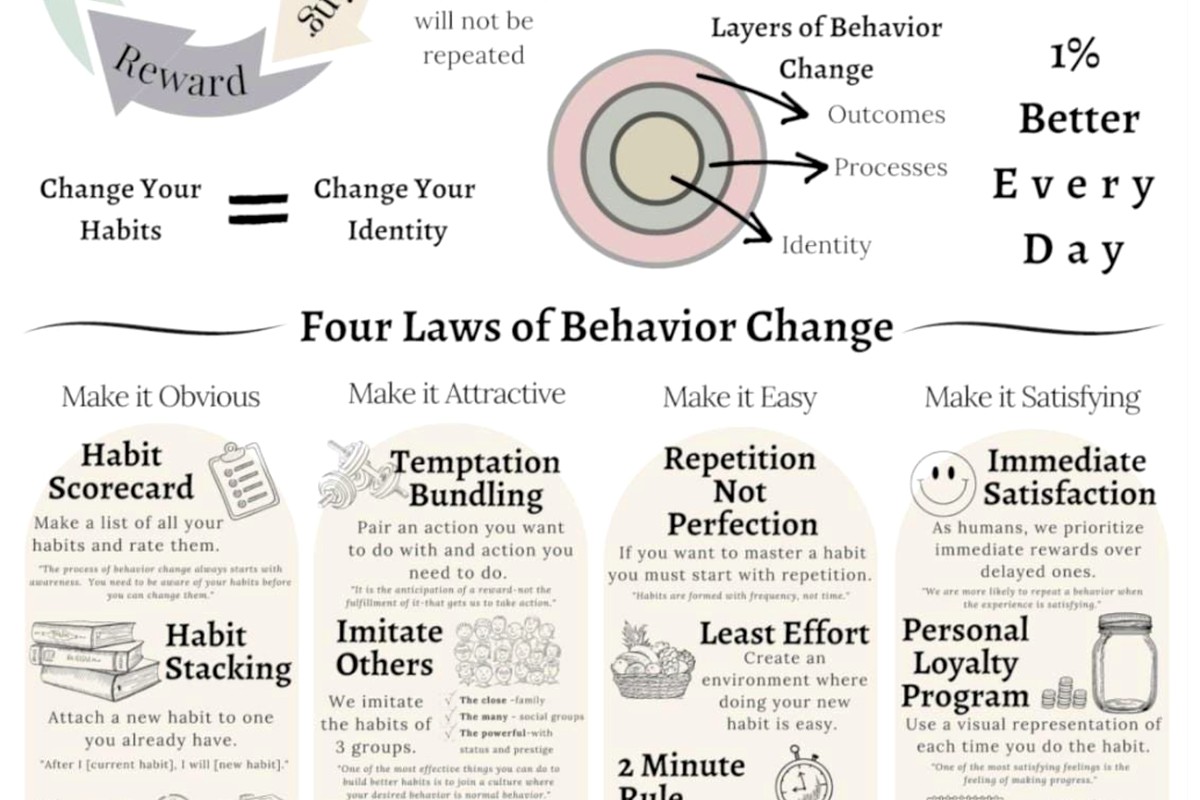
Okay so I’ve been testing these atomic habits templates for like the past six months and honestly they’re way more powerful than those regular goal planners everyone uses. The whole framework is about making tiny changes that compound over time, which yeah I know sounds basic but stick with me here.
This is the one I started with and it’s basically tracking micro-improvements. You’re not writing “lose 20 pounds” – you’re writing “drink one glass of water before coffee” or “write 50 words.” The template I use has four columns: the habit, the trigger, the current baseline, and the 1% improvement.
So like for writing, my trigger was “after I pour my morning coffee” and my baseline was zero words most days because I’d just scroll Instagram instead. The 1% improvement was literally opening a Google Doc. That’s it. Not writing, just opening it. Sounds stupid but after two weeks I was actually writing because the friction was gone.
The template works best when you track it in a spreadsheet honestly. I have one in Google Sheets with conditional formatting that turns cells green when I hit the micro-goal. Very satisfying and also you can see the streak build up which… okay so my cat knocked over my coffee on the keyboard last month and I missed three days and it broke my 47-day streak and I was genuinely upset about it.
Create columns for: Date, Habit Name, Trigger/Cue, Completed (yes/no), Notes. The notes section is where you track what made it easier or harder that day. Like “had morning meeting, did habit during lunch instead” or “felt tired, still did it but took 2 min instead of 5.”
The trigger column is actually the most important part and nobody talks about this enough. You need something that already happens every day. I use: after brushing teeth, when I sit at my desk, after lunch, when I close my laptop. Don’t pick “when I feel motivated” because lol that’s not a real trigger.
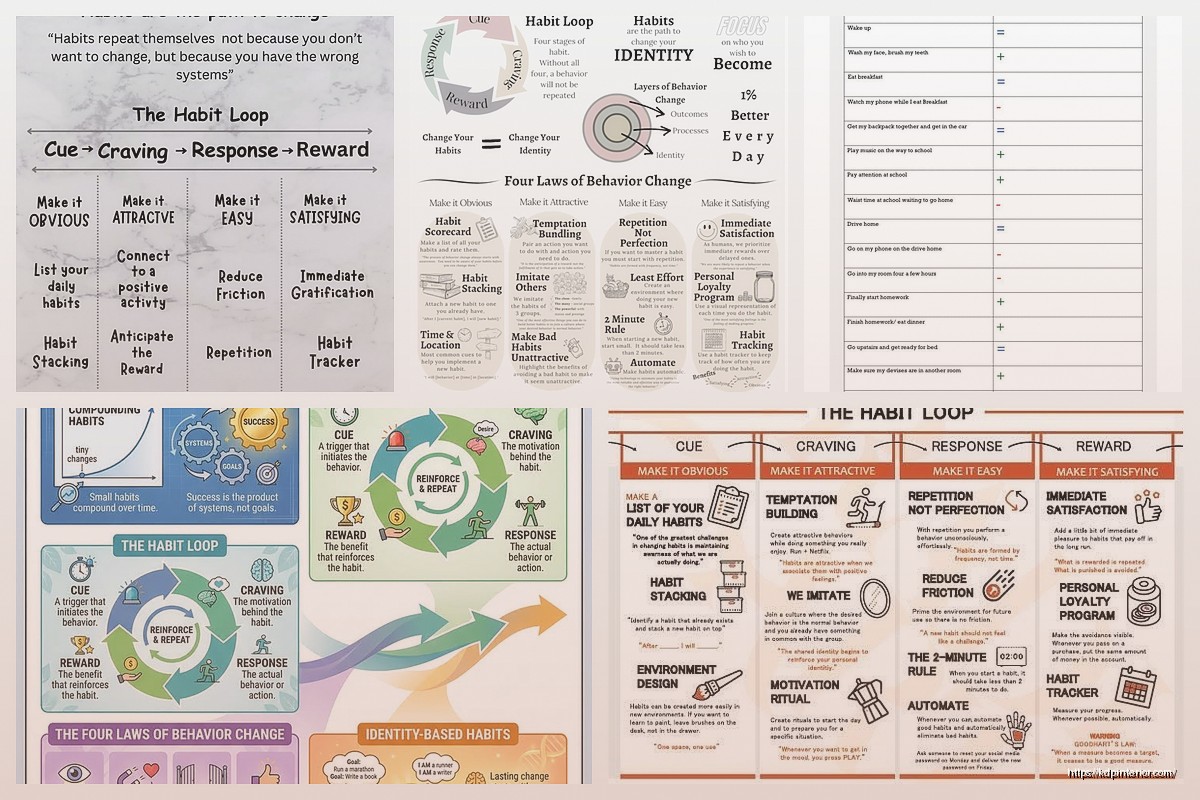
Oh and another thing – habit stacking templates are insane for building multiple habits without feeling overwhelmed. The format is super simple: “After [CURRENT HABIT], I will [NEW HABIT].”
I have a whole page of these stacked together. After I brush my teeth, I do 10 pushups. After I do pushups, I make my bed. After I make my bed, I review my top 3 priorities for the day. It’s like a chain reaction and once you start the first one, the rest just kinda happen.
The template I use literally just lists:
That last part is key because when you don’t feel like doing it, you can look back and remember oh yeah, this is why I’m doing this thing. I have “review priorities – 2 min – so I don’t waste 3 hours on random stuff” and it works.
Wait I forgot to mention – don’t stack more than 3-4 habits in one chain or it becomes this whole production. I tried doing like 8 things in my morning routine and it took 45 minutes and I hated it and quit after four days. Keep it tight.
This template is about making good habits obvious and bad habits invisible. It’s a two-column thing: “Habits I Want” on the left and “Environment Changes” on the right.
Example from my own sheet:
The template also has a section for “friction audit” where you list what’s making bad habits easy and good habits hard. Like I realized my guitar was in the closet (hard to access) but my TV remote was on the coffee table (very easy to access). Switched them. Now I play guitar while watching TV which is… not what James Clear probably intended but it works.
You’re gonna want to review this monthly because your environment changes. I moved my desk last month and suddenly my whole routine was off because the triggers were different.
Okay so this one sounds fancy but it’s just planning exactly when and where you’ll do the thing. The template has three blanks: “I will [BEHAVIOR] at [TIME] in [LOCATION].”
Not “I’ll exercise more” but “I will do 20 squats at 6:15am in my bedroom.” The specificity is the whole point. Your brain likes specific instructions apparently.
I have a weekly template with time blocks and I fill in these intentions for each day. Monday through Friday looks basically the same, weekends are looser. But even then I have “I will write 200 words at 9am at the coffee shop” for Saturdays.
This is gonna sound weird but I also have negative intentions written down. “I will NOT check email before 10am in any location.” Having the inverse written helps because otherwise I just default to old patterns.
So this is probably my favorite template and it’s dead simple. Any habit you’re trying to build, you scale it down to something that takes two minutes or less. The template is just a list of habits with their “two-minute version” next to them.
Real examples from mine:
The idea is you can ALWAYS do the two-minute version, and usually once you start you keep going. But even if you don’t, you still built the identity of someone who does that thing. I’ve had days where I literally just put on workout clothes and then took them off. Still counts.
I track these in a simple checklist format. Just checkboxes and dates. Nothing fancy needed.
This template helps when you feel like you’re not making progress. It’s a timeline that shows where you are versus where you think you should be.
I drew this out on paper first but now I have a digital version. It’s basically a graph with “effort” on one axis and “results” on the other. There’s a line showing the “valley of disappointment” where you’re putting in work but seeing no results, then the breakthrough point where things compound.
You mark where you currently are on the timeline and it… okay funny story, I showed this to a friend and he was like “this is just you justifying why you haven’t made progress yet” and honestly he wasn’t totally wrong BUT it did help me stick with things longer instead of quitting after two weeks.
The template includes:
That last part is crucial. Like I wasn’t losing weight for 8 weeks but I was sleeping better, had more energy, clothes fit slightly different. Those count.
Instead of outcome goals this template focuses on identity. The format is: “I am the type of person who [does X]” and then you list evidence.
Mine looks like:
I am the type of person who writes every day
Evidence: Wrote 6 out of 7 days this week, have written 47 days in a row, published 3 articles this month
I am the type of person who takes care of their health
Evidence: Went to bed before 11pm 5 nights this week, drank 60oz water daily, moved body for 20+ min every day
The template has space for 3-5 identities max. Don’t go crazy. And under each one you update the evidence weekly. It’s weirdly motivating to see proof that you’re becoming the person you want to be.
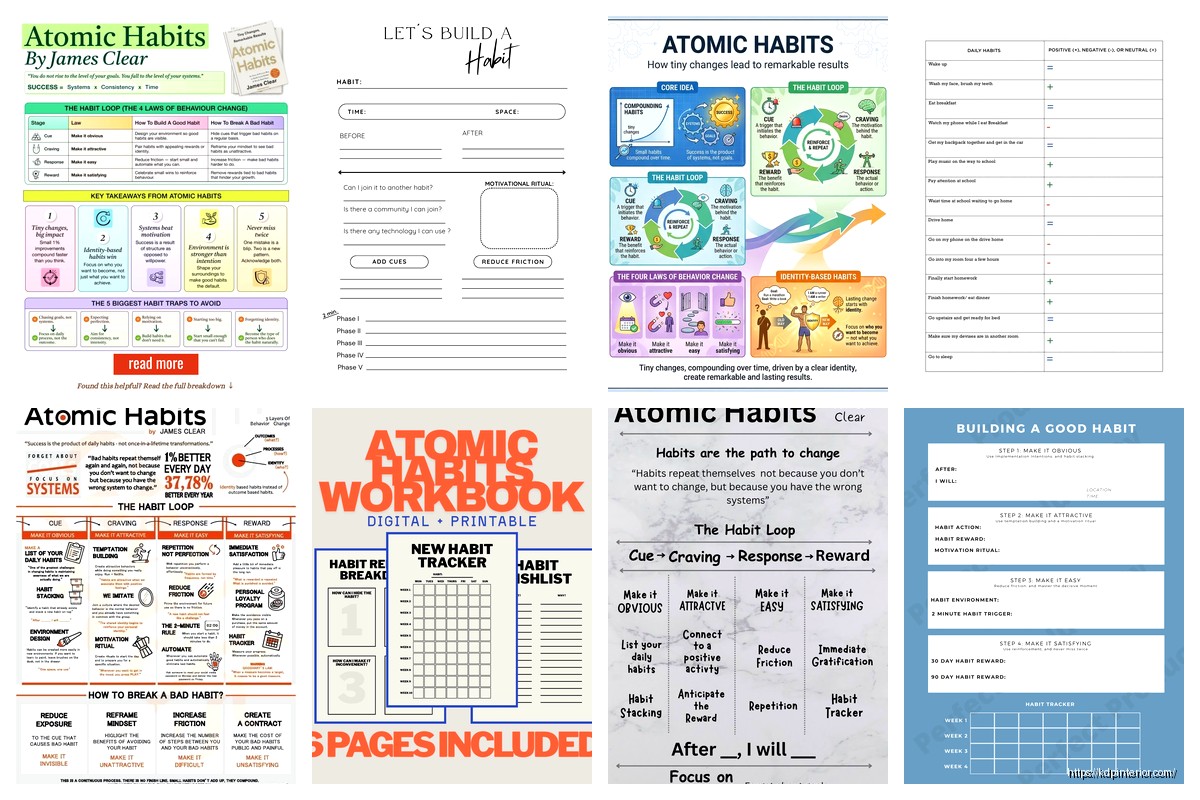
This is a comprehensive audit of your current habits – all of them, good and bad and neutral. The template is a three-column list: Current Habit, + or – or =, Notes.
You literally write down everything you do in a typical day and mark whether it’s positive (moving you toward your goals), negative (moving you away), or neutral. Most people have like 60-80 habits when they actually write them all down.
I did this while watching that show Severance and kept getting distracted but eventually got through it. My list had stuff like:
And it goes on forever. But seeing it written out shows you where the problems are. I had SEVEN negative phone-related habits and didn’t realize it until I did this.
You only need to do this scorecard once, maybe twice a year. It’s more of a diagnostic tool than a daily tracker.
Oh wait this one’s good too. You pair something you WANT to do with something you NEED to do. The template format: “After [HABIT I NEED], I will [HABIT I WANT]” or “While doing [HABIT I NEED], I will [HABIT I WANT].”
Examples:
I use this mostly for exercise because I hate exercise but I love podcasts, so I only let myself listen to certain podcasts while walking or at the gym. Works surprisingly well.
The template has space for 5-7 bundles and you test them out to see which ones actually stick. Some don’t work – I tried “while meal prepping I can listen to music” but I need to focus on not cutting my fingers off so that failed.
Real talk – you don’t need all of these at once. Start with the 1% Better Daily Template and the Habit Stacking Planner. Those two cover like 80% of what you need.
I keep mine in a Notion database but honestly a Google Doc or even a paper notebook works fine. The format matters less than actually filling it out and reviewing it. I review mine every Sunday for 15 minutes, adjust what’s not working, and plan the next week.
The biggest mistake I see people make is creating these beautiful elaborate templates and then never using them. Keep it simple. Ugly templates that you actually use beat pretty ones that sit empty.
Also gonna mention – these work best when you focus on systems not goals. Don’t track “write a book” track “write 500 words daily.” The book happens as a byproduct of the system.
One more thing – share your templates with someone or post your progress somewhere. I have a friend who I text my daily habit tracker to every night. Just a screenshot. Takes 10 seconds. Makes me actually do the habits because I don’t wanna send a blank tracker.
DISCOVER OUR FREE BEST SELLING PRODUCTS
Editable Canva Lined Journal: Express Your Thoughts – KDP Template
Lined Pages Journal 120 pages Ready to Upload PDF Commercial Use KDP Template 6×9 8.5×11 5×8 for Notebooks, Diaries, Low Content
Lined Pages Journal 120 pages Ready to Upload PDF Commercial Use KDP Template 6×9 8.5×11 5×8 for Notebooks, Diaries, Low Content
Cute Dogs Coloring Book for Kids | Activity Book | KDP Ready-To-Upload
Daily Planner Diary : Diary Planners for Everyday Productivity, 120 pages, 6×9 Size | Amazon KDP Interior
Wolf Coloring KDP interior For Adults, Used as Low Content Book, PDF Template Ready To Upload COMMERCIAL Use 8.5×11"
Coloring Animals Head Book for Kids, Perfect for ages 2-4, 4-8 | 8.5×11 PDF
Printable Blank Comic Book Pages PDF : Create Your Own Comics – 3 Available Sizes
Notes KDP interior Ready To Upload, Sizes 8.5×11 6×9 5×8 inch PDF FILE Used as Amazon KDP Paperback Low Content Book, journal, Notebook, Planner, COMMERCIAL Use
Black Lined Journal: 120 Pages of Black Lined Paper Perfect for Journaling, KDP Notebook Template – 6×9
Student Planner Journal 120 pages Ready to Upload PDF Commercial Use KDP Template 6×9" 8.5×11" for Low Content book
Recipe Journal Template – Editable Recipe Book Template, 120 Pages – Amazon KDP Interior