Okay so I just helped someone format their autobiography last week and honestly the whole thing is way simpler than people make it out to be. The biggest mistake I see is people overthinking the structure when really you just need a solid framework and then you fill in your stories.
Starting With the Basic Structure
Right so first thing, you need to decide if you’re going chronological or thematic. Most self-written life stories go chronological because it’s honestly just easier to keep track of everything. You start from birth or earliest memory and work your way forward. The thematic approach is where you organize by topics like “Career,” “Family,” “Travel” but that can get messy real fast if you’re not a super organized person.
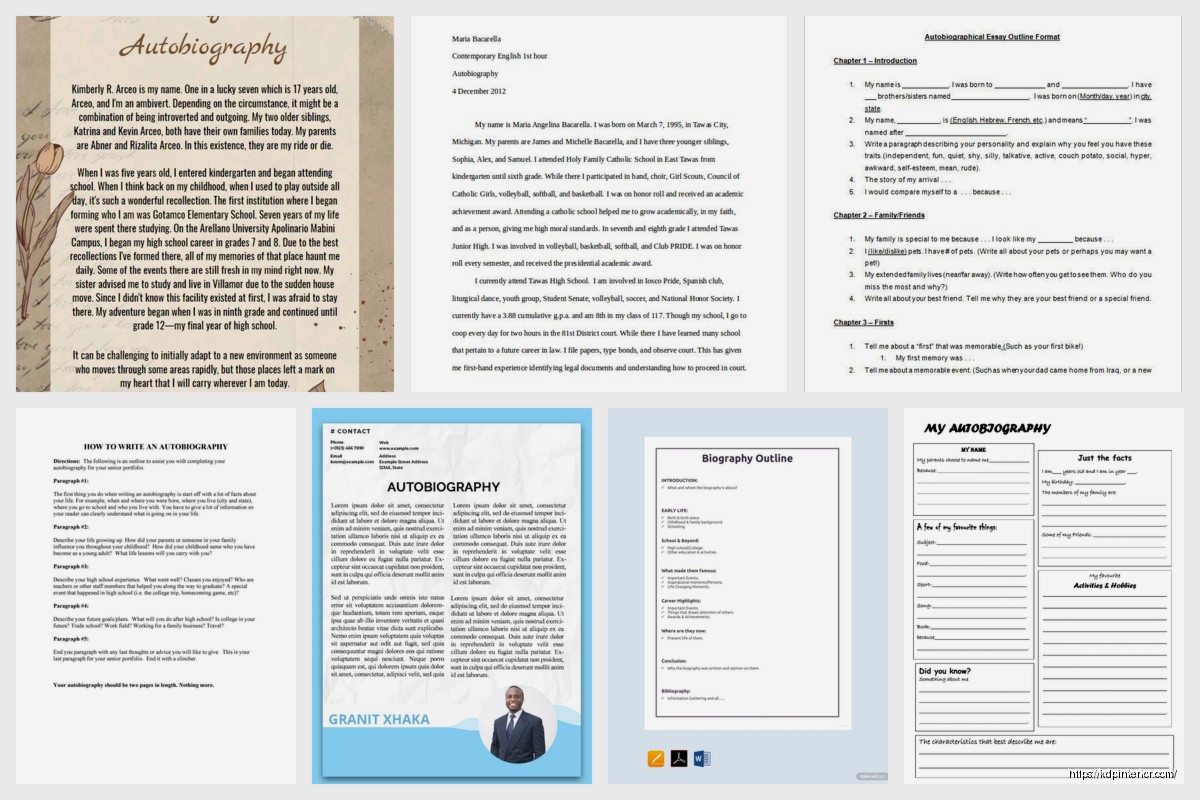
For chronological, break it into these main sections:
- Early Years (birth to around 12-13)
- Teenage Years (13-19ish)
- Young Adult (20s-30s)
- Middle Years (40s-50s)
- Later Years (60s onward)
Obviously adjust these based on your actual age. If you’re 35, you’re not gonna have a “Later Years” section yet.
The Opening Chapter Problem
This is where everyone gets stuck. They think they need some profound opening line and they sit there for weeks staring at a blank page. Here’s what actually works – just start with a specific memory that feels important to you. Could be the day you were born (if you have family stories about it), could be your first memory, could be a defining moment from childhood.
I had a client who started with the smell of his grandmother’s kitchen because that’s literally his earliest memory and it connected to like five major themes in his life. Worked perfectly. Don’t overthink it.
What to Include in Each Time Period
For each section, you wanna hit these elements:
Setting the scene: Where were you living, what was the world like, what was your daily life. This gives context.
Key people: Who mattered during this time. Parents, siblings, friends, mentors, enemies even. The people who shaped you.
Major events: The stuff that happened. Moves, deaths, marriages, career changes, failures, successes. The plot points basically.
Internal stuff: What you were thinking and feeling. This is what separates autobiography from just a timeline of events. Your inner world matters.
Oh and another thing – you don’t need to include literally everything. I see people trying to document every single year and it becomes this exhausting slog. Hit the highlights and the low points. The stuff that changed you or revealed something about who you are.
The Chapter Breakdown Strategy
So each major time period probably needs multiple chapters. A chapter should cover a specific theme or event within that period. Like your “Early Years” section might have chapters on:
- Family dynamics and home life
- School experiences
- A significant event (illness, move, loss)
- Hobbies or passions that emerged
Keep chapters between 2000-4000 words roughly. That’s like 8-15 pages depending on formatting. Short enough to maintain reader interest but long enough to actually develop the story.
Formatting the Actual Manuscript
Okay so this is gonna sound boring but formatting matters if you’re actually gonna publish this or even just print it nicely for family.
Use these specs:
- Font: Times New Roman or Garamond, 12pt
- Line spacing: 1.5 or double
- Margins: 1 inch all around
- Indent paragraphs: 0.5 inches
- Chapter titles: Larger font, maybe 16pt, bold
Start each chapter on a new page. Use page breaks, don’t just hit enter a bunch of times because that screws everything up when you edit.
The Front Matter You Need
Before your actual story starts, you need:
Title page: Your title (could be simple like “My Life Story” or something more creative), your name, the year.
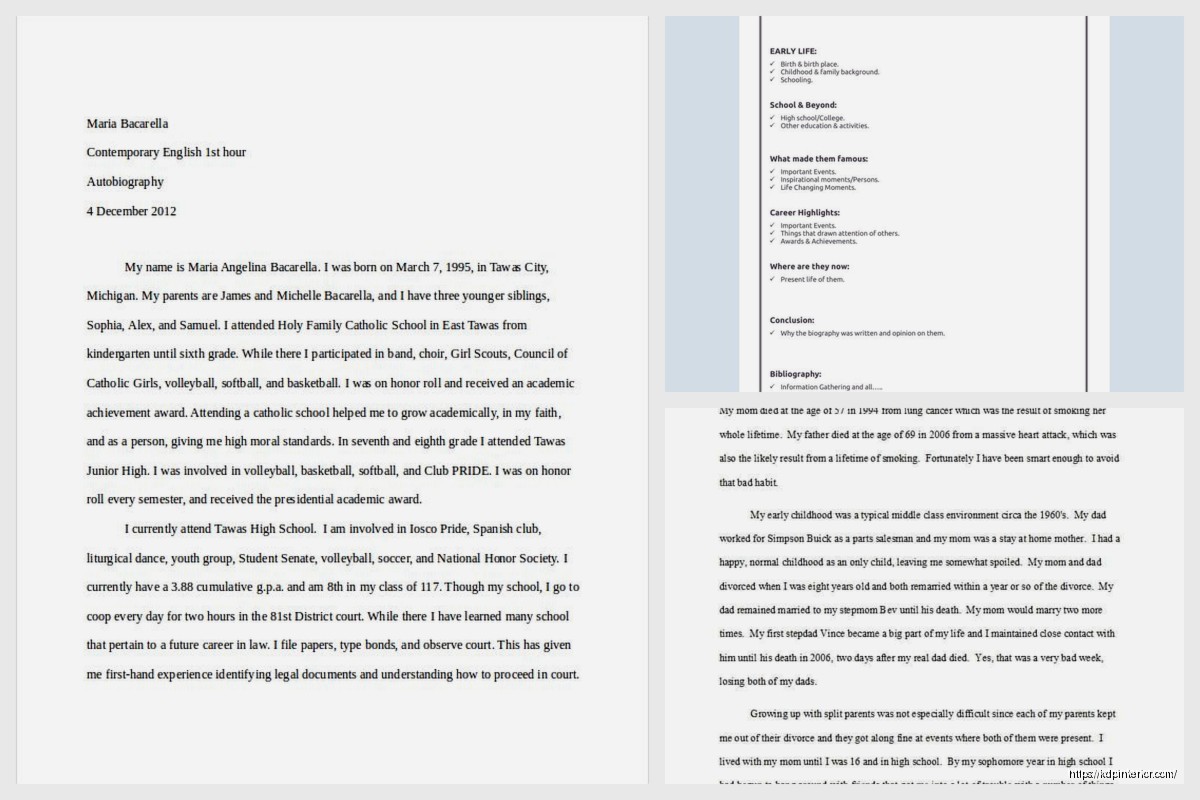
Copyright page: Yeah even for a personal autobiography. Just put “Copyright [Year] by [Your Name]. All rights reserved.”
Dedication: Optional but nice. Keep it short.
Table of Contents: List all your chapters with page numbers. Wait until the end to create this because page numbers will shift as you edit.
Acknowledgments: Thank people who helped you remember stuff or supported you writing it. Also optional.
Dealing With Difficult Content
This is where it gets real. Every life has painful parts and you gotta decide how much to include. My take after working with dozens of people on their stories – include the hard stuff but you don’t need graphic details unless they’re truly necessary to understand the impact.
Like if you’re writing about abuse or addiction or loss, focus on the emotional truth and the consequences more than the blow-by-blow account. Your readers (even if it’s just family) don’t need every detail to understand what you went through.
And here’s something I learned the hard way – change names if you need to. If you’re writing about someone who treated you badly and they’re still alive, you can either change their name or just use “a friend” or “someone I knew” or whatever. Protects you legally and emotionally.
The Timeline Technique That Actually Works
Before you even start writing, create a timeline document. Seriously just open a spreadsheet or even a Word doc and list out years and major events. This becomes your roadmap.
Mine looks like this:
1978 – Born in Cleveland
1983 – Brother born, moved to suburbs
1985 – Started school, had that teacher Mrs. Patterson
1990 – Parents divorced
1992 – Mom remarried
And so on. Having this reference keeps you from jumping around confusingly in the narrative. You can write scenes out of order if you want but the timeline keeps you honest.
Adding Photos and Documents
If you’re creating a physical book or even a PDF, photos are huge. They break up text and add so much. Here’s how to format them:
- Insert photos between paragraphs or at chapter breaks
- Center them on the page
- Add captions underneath explaining what/when/who
- Don’t make them too large – maybe 4×6 inches max
- Use high resolution images (300 DPI if printing)
You can also include scanned documents – letters, certificates, news clippings, whatever. Just make sure they’re readable.
Voice and Style Stuff
Write like you talk. I cannot stress this enough. So many people try to write in this formal, stuffy way because they think that’s how books should sound. It makes the whole thing boring.
Your autobiography should sound like you’re telling stories to someone you trust. Use contractions (I’m, don’t, wasn’t), use the words you actually use, let your personality come through.
If you swear in real life, it’s okay to include some of that (within reason). If you’re funny, be funny. If you’re serious and reflective, be that. Don’t try to be something you’re not.
Wait I forgot to mention – dialogue is tricky in autobiography because obviously you don’t remember exact conversations from 30 years ago. It’s totally fine to recreate conversations based on your memory and say something like “The conversation went something like this” or “As I remember it, she said…” Don’t claim perfect recall if you don’t have it.
The Ending Question
How do you end a story that’s still happening? This trips people up. You’re still alive (presumably), so where do you stop?
Most people end with either:
Present day: Bring the reader up to current time and reflect on where you are now.
Recent significant event: End with a recent milestone that feels like a natural stopping point – retirement, a big birthday, becoming a grandparent, whatever.
Reflective conclusion: Step back and share what you’ve learned or what themes you see running through your life.
I usually suggest a combo – end with present day but include some reflection. Give the reader (and yourself) some closure even though the story continues.
Software and Tools
Just use Microsoft Word or Google Docs. Don’t get fancy with special writing software unless you already know how to use it. You need basic word processing, spell check, and the ability to add images. That’s it.
Save your work in multiple places. Cloud backup, external drive, email yourself copies. I have a friend who lost 40,000 words when his laptop died and he hadn’t backed up in months. Don’t be that person.
The Editing Process Nobody Wants to Do
Okay so you’re gonna hate this part but you gotta edit. Here’s the order:
- Let it sit for at least two weeks after you finish the first draft. Don’t look at it.
- Read through the whole thing and fix obvious errors, move sections that don’t flow, cut stuff that’s boring.
- Read it out loud. This catches so many awkward sentences.
- Give it to someone you trust to read and give honest feedback.
- Make revisions based on feedback.
- Do a final proofread for typos and formatting.
The reading out loud thing sounds stupid but it works. You’ll catch repeated words, sentences that don’t make sense, pacing problems. I usually do this while my dog is sleeping next to me on the couch because saying stuff out loud to an empty room feels weird.
Publishing Options for Personal Autobiographies
If this is just for family, you got options:
Print at home: Fine for short books, gets expensive for long ones. Bind with a comb binding or take it to a print shop.
Amazon KDP print: You can upload your book and order author copies for like $3-5 each depending on length. No minimum order. This is what I usually recommend because the quality is good and it’s cheap.
Professional printing services: Places like Blurb or Lulu specialize in personal books. More expensive but nice quality and easier interface than KDP if you’re not tech savvy.
PDF only: Email it to family or put it on a USB drive. Free and easy but less special somehow.
For formatting on KDP specifically, you need to convert to their trim size (6×9 is standard for autobiographies), add page numbers, make sure chapters start on odd-numbered pages. There’s templates on their website that make this easier.
Common Mistakes to Avoid
Starting too early in your story – like you don’t need three chapters about your great-grandparents unless they directly impacted your life.
Being too vague about feelings – instead of “I was sad” tell us what that sadness felt like, how it showed up in your life.
Including too much day-to-day boring stuff – we don’t need to know what you ate for breakfast unless it’s relevant to something bigger.
Trying to make yourself look perfect – the interesting parts of any life story are the struggles and mistakes and growth.
Not getting specific enough – use sensory details, specific names and dates when you remember them, tell us what things looked like and sounded like.
Oh and don’t write in present tense unless you really know what you’re doing. Past tense is standard for autobiography for a reason – it’s easier to manage and feels more natural for storytelling.
The whole process probably takes 6-12 months if you’re working on it regularly. Could be faster if you’re retired and this is your main project, could be slower if you’re fitting it in around work and life. Don’t rush it but also don’t let it drag on forever because you’ll lose momentum.

 Birds Coloring Book Vol 2: A Creative Coloring Book for Kids - PDF - 8.5×11 inch
1 × $2.99
Birds Coloring Book Vol 2: A Creative Coloring Book for Kids - PDF - 8.5×11 inch
1 × $2.99  Black Lined Journal: 120 Pages of Black Lined Paper Perfect for Journaling, KDP Notebook Template - 6×9
1 × $0.00
Black Lined Journal: 120 Pages of Black Lined Paper Perfect for Journaling, KDP Notebook Template - 6×9
1 × $0.00 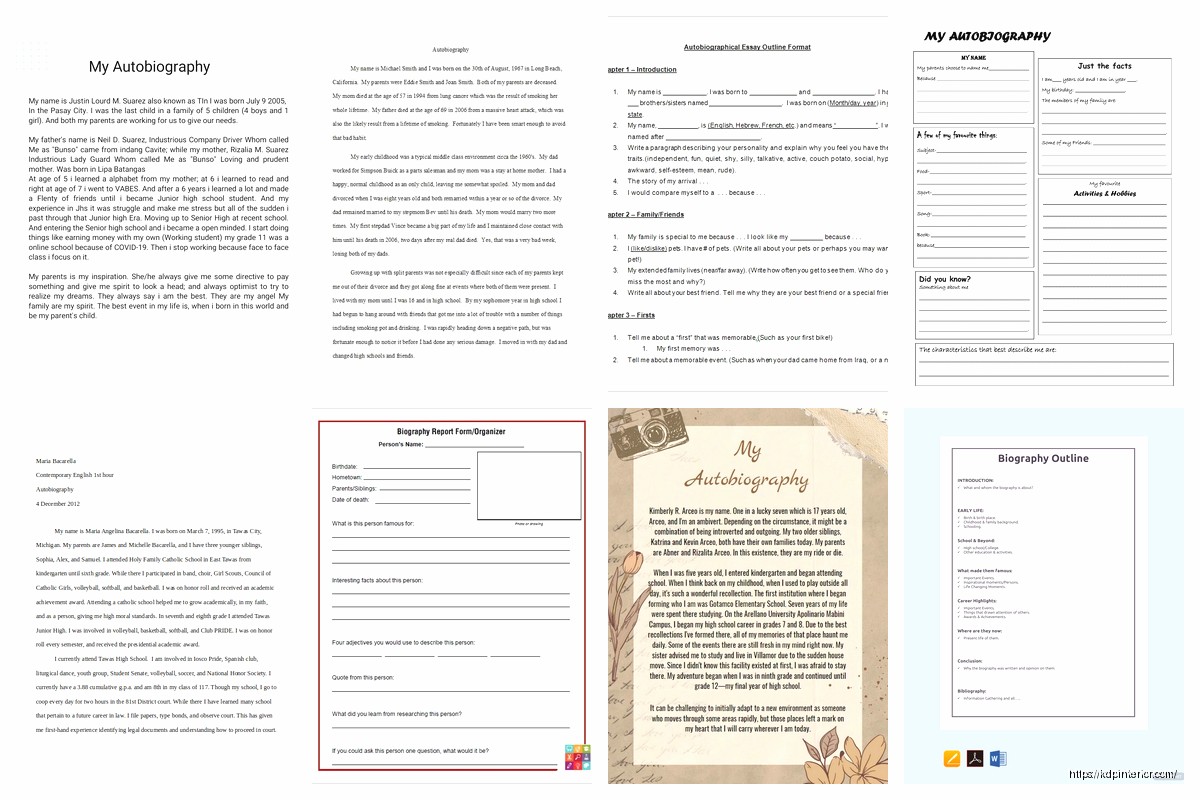
DISCOVER OUR FREE BEST SELLING PRODUCTS
Editable Canva Lined Journal: Express Your Thoughts – KDP Template
Lined Pages Journal 120 pages Ready to Upload PDF Commercial Use KDP Template 6×9 8.5×11 5×8 for Notebooks, Diaries, Low Content
Lined Pages Journal 120 pages Ready to Upload PDF Commercial Use KDP Template 6×9 8.5×11 5×8 for Notebooks, Diaries, Low Content
Cute Dogs Coloring Book for Kids | Activity Book | KDP Ready-To-Upload
Daily Planner Diary : Diary Planners for Everyday Productivity, 120 pages, 6×9 Size | Amazon KDP Interior
Wolf Coloring KDP interior For Adults, Used as Low Content Book, PDF Template Ready To Upload COMMERCIAL Use 8.5×11"
Coloring Animals Head Book for Kids, Perfect for ages 2-4, 4-8 | 8.5×11 PDF
Printable Blank Comic Book Pages PDF : Create Your Own Comics – 3 Available Sizes
Notes KDP interior Ready To Upload, Sizes 8.5×11 6×9 5×8 inch PDF FILE Used as Amazon KDP Paperback Low Content Book, journal, Notebook, Planner, COMMERCIAL Use
Black Lined Journal: 120 Pages of Black Lined Paper Perfect for Journaling, KDP Notebook Template – 6×9
Student Planner Journal 120 pages Ready to Upload PDF Commercial Use KDP Template 6×9" 8.5×11" for Low Content book
Recipe Journal Template – Editable Recipe Book Template, 120 Pages – Amazon KDP Interior