-
×
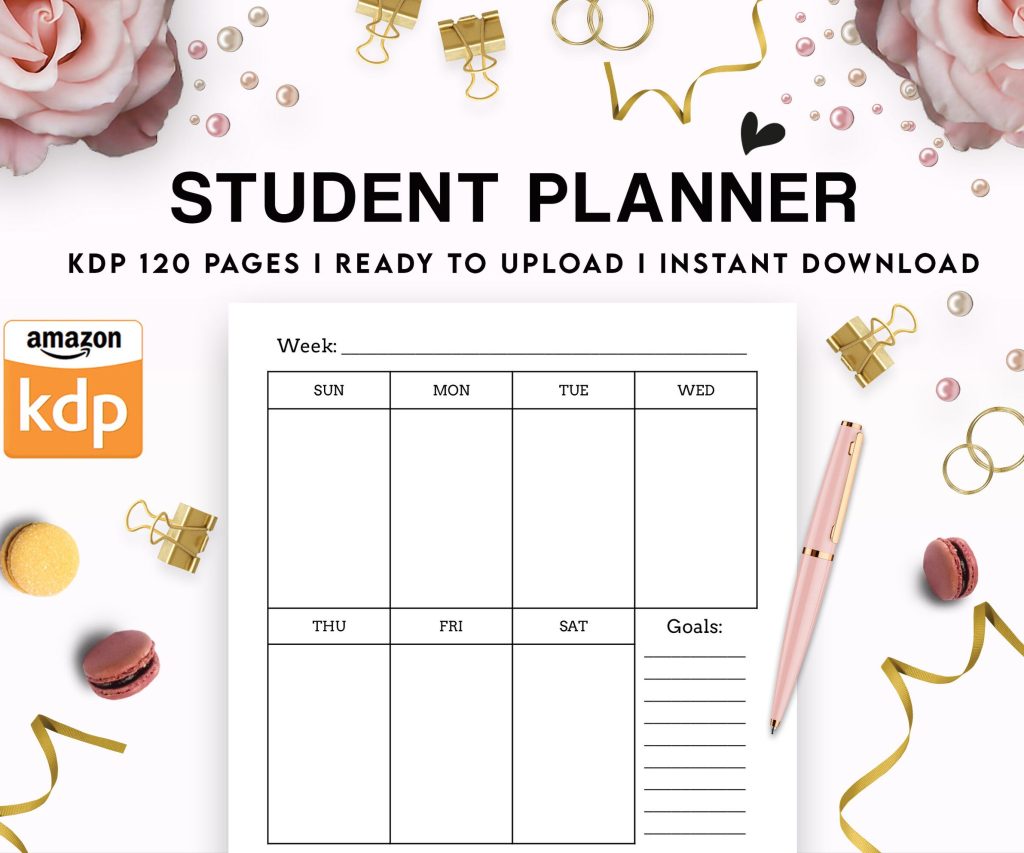 Student Planner Journal 120 pages Ready to Upload PDF Commercial Use KDP Template 6x9" 8.5x11" for Low Content book
1 × $0.00
Student Planner Journal 120 pages Ready to Upload PDF Commercial Use KDP Template 6x9" 8.5x11" for Low Content book
1 × $0.00
Subtotal: $0.00

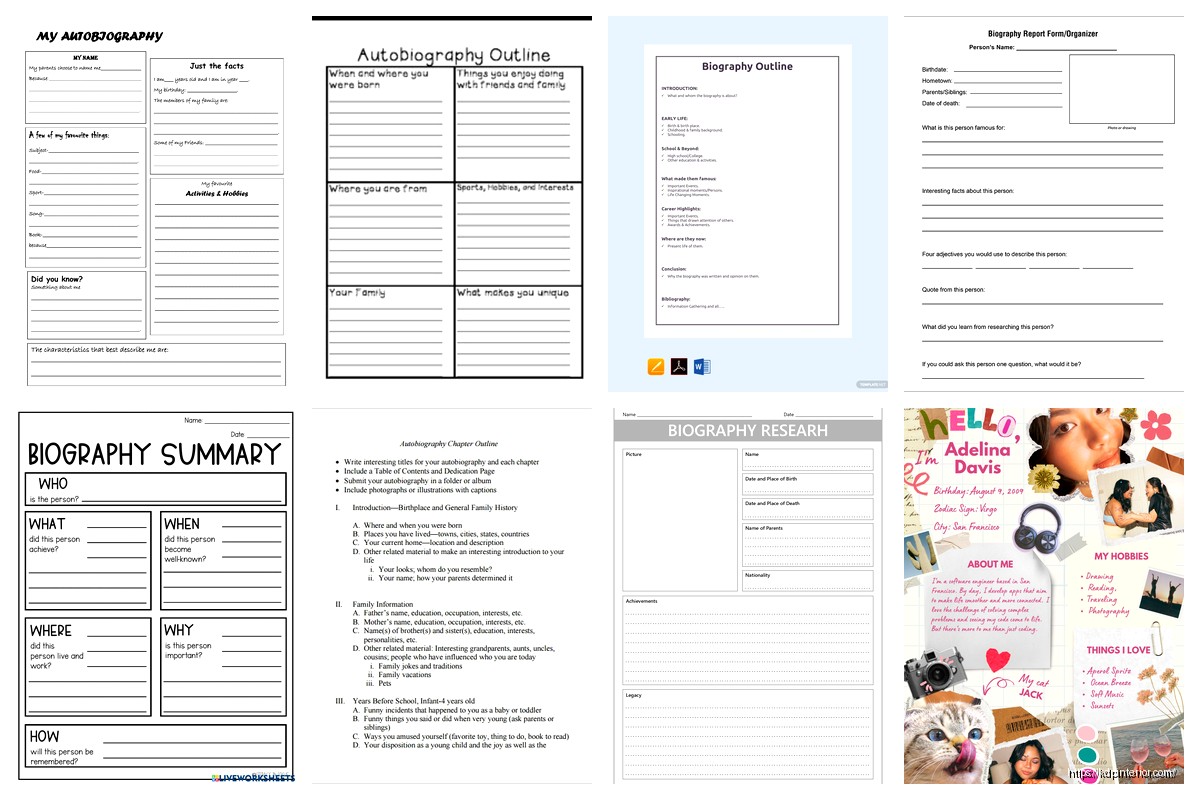
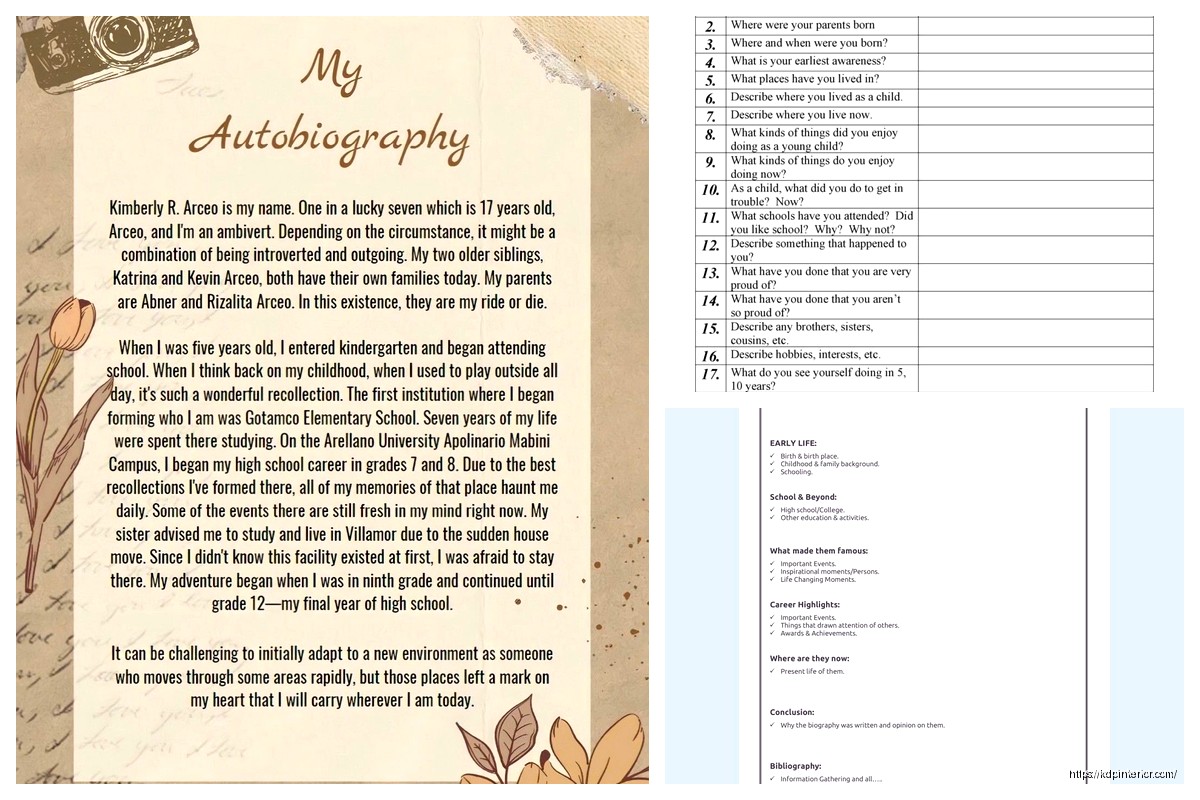
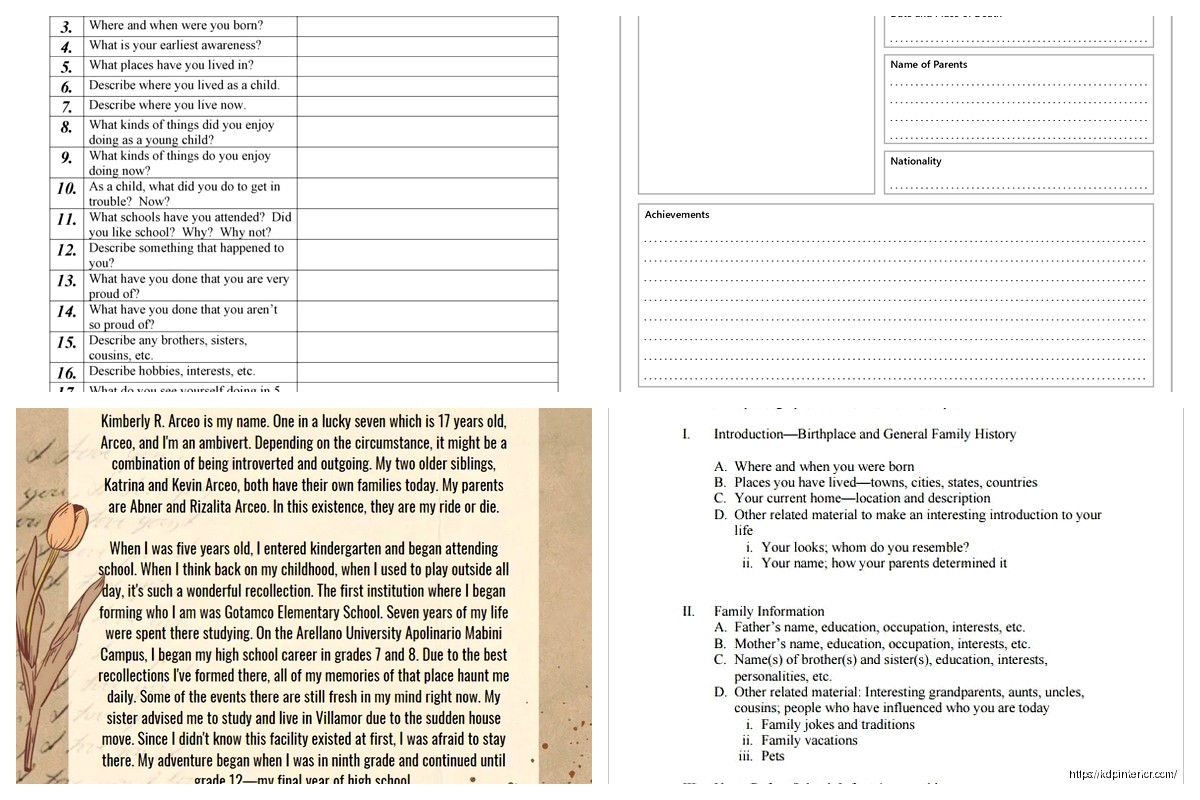
Okay so you wanna write your autobiography but you’re staring at a blank page wondering where the hell to start, right? I’ve helped like dozens of authors format their memoirs for KDP and honestly the biggest mistake people make is thinking they need to tell EVERYTHING from birth to yesterday in chronological order. That’s gonna bore readers to death.
Here’s what actually works – think of your memoir more like a collection of connected stories rather than a timeline. Start with the structure first because that’s what keeps people from rambling for 400 pages about stuff nobody cares about.
Most successful memoirs I’ve published or consulted on follow this loose structure – pick a central theme or transformation. Like maybe your story is about overcoming addiction, building a business from nothing, surviving something traumatic, whatever. Everything you include should connect back to that thread.
Your template should have these sections and honestly you can rearrange them however:
Wait I forgot to mention – you don’t need to follow this exactly. I worked with this author last year who started her memoir at the END of her story, then jumped back. Worked great because it created mystery about how she got there.
Each chapter should be like 2,000-4,000 words typically. Some can be shorter if they’re punchy, but you want consistency mostly. Here’s the formula I give everyone:
Opening hook – Start with a specific moment, not “I was born in 1982 in a small town.” More like “The day I found my father’s suicide note, I was wearing my lucky red socks.” See the difference? Specific details, immediate tension.
Scene development – Show what happened through actual scenes with dialogue and sensory details. This is where most people mess up because they TELL instead of SHOW. Don’t write “I was scared.” Write “My hands shook so hard I dropped the phone twice before managing to dial 911.”
Reflection – This is memoir not fiction, so yeah you can step back and explain what you learned or how you felt looking back. Just don’t do it every paragraph.
Transition – End each chapter with something that makes them want to keep reading. A question, a revelation, whatever.
Oh and another thing – your chapters don’t all need titles but if you use them, make them interesting. Not “Chapter 3: My College Years” but something like “The Year I Learned Nothing” or whatever fits your voice.
Okay this is gonna sound weird but the first 10% of your memoir is doing SO much heavy lifting. You need:
Prologue (optional) – Only use this if you’re starting with a flash-forward or a scene out of sequence. Otherwise skip it. I see too many memoirs with pointless prologues that are just the author explaining why they wrote the book. Nobody cares yet, they don’t know you.
Chapter One – Jump into a compelling scene. I’m serious about this. One of my clients kept wanting to start with her family genealogy and I was like no, start with the scene where you’re hiding in the bathroom at your wedding wondering if you should run. THAT got reader interest, then we wove in the background later.
My cat just knocked over my coffee but anyway –
Early context – By chapter 2 or 3, readers need to understand the basic setup. Who are you, what’s your world like, what’s normal before things go sideways. But keep it brief and interesting.
This is where the actual memoir writing happens and most people struggle here. Your template for each scene should include:
Example of bad scene writing: “I had a difficult conversation with my mother about my career choices. She didn’t understand why I wanted to be an artist.”
Example of good scene writing: “Mom set down her coffee mug hard enough that it clunked against the kitchen table. ‘An artist?’ Her voice had that tight quality that meant she was trying not to yell. ‘Do you know how many artists actually make money, Sarah?’ I picked at the chipped polish on my thumbnail, not looking up. ‘Not everyone measures success in—’ ‘Don’t.’ She held up one hand. ‘Don’t give me that speech about fulfillment.'”
See how the second one puts you IN the scene? That’s what you’re going for throughout your entire memoir.
Okay so the middle of your memoir is where you’re gonna want to quit writing because it feels like nothing’s happening. Here’s the structure that keeps it moving:
Group your middle chapters into mini-arcs. Like if your memoir spans 10 years, don’t just go year by year. Instead organize around experiences or challenges. Maybe chapters 5-8 are all about “The Failed Business Years” and chapters 9-12 are “Rebuilding From Nothing” or whatever.
Each mini-arc should have its own smaller structure – setup, complications, mini-resolution that leads to the next problem. Life isn’t one straight line so your memoir shouldn’t be either.
Pacing trick I learned – alternate between high-intensity scenes and quieter reflection chapters. If chapter 6 is the dramatic blow-up fight with your business partner, chapter 7 might be you sitting alone in your apartment processing everything. Readers need those breather moments.
Even though this is YOUR story, other people matter. When you introduce someone important, give them:
Don’t introduce people just because they existed in your life. Only include people who affect the central narrative. I see memoirs with like 30 random cousins mentioned once and readers can’t keep track.
Wait I forgot to mention earlier – change names if you need to for privacy or legal reasons. Just add a note at the beginning saying “some names and identifying details have been changed” and you’re covered. I’m not a lawyer but that’s standard practice.
Your memoir needs real conversations but you obviously don’t remember word-for-word what was said 15 years ago. That’s fine. Readers understand you’re reconstructing dialogue based on memory. Just keep it:
True to how people actually talk – people interrupt each other, use fragments, say “um” and “like”
Revealing of character – the way someone speaks should show who they are
Moving the story forward – don’t include whole conversations about nothing, just the important parts
Standard formatting: New paragraph for each speaker, use “said” most of the time because fancy dialogue tags get annoying. You can describe actions in the same paragraph as someone’s dialogue if it’s their action.
This is what separates memoir from fiction – you get to step outside the story and add perspective. But there’s a format to this too.
In-the-moment reflection – What you thought/felt during the events. “I didn’t realize it then, but that conversation would be our last.”
Looking-back reflection – What you understand now that you didn’t then. “Twenty years later, I can see she was struggling with her own demons.”
Don’t over-explain everything. Trust your readers to understand some things without you spelling it out. Show the scene, add a LITTLE reflection, move on.
Your memoir doesn’t need to end with “and now everything is perfect.” Actually those endings feel fake. Better endings show:
The last chapter should probably circle back to something from the beginning. If you opened with a specific image or theme, reference it again at the end. Readers love that symmetry.
One of my most successful memoir clients ended hers mid-scene basically, like she’s still living her life and the story continues but THIS chapter is done. Worked great because it felt honest.
Okay so when you’re actually formatting this for publishing:
Use scene breaks – When you jump in time or location, use a scene break (extra line space, maybe three asterisks centered)
Chapter headings – Consistent formatting, usually centered, slightly larger font
Font and spacing – Standard manuscript format is Times New Roman 12pt, double-spaced for drafts. For KDP upload you’ll want single-spaced in whatever readable font
Front matter – Title page, copyright page, dedication if you want, table of contents (optional for memoirs honestly)
Back matter – Author bio, maybe a note about what’s happened since the memoir ends, other books if you have them
The actual KDP upload process is pretty straightforward but that’s a whole other conversation. Make sure your Word doc or whatever is clean with proper heading styles so the table of contents generates automatically.
Real quick because this trips people up – you can organize chronologically OR thematically.
Chronological is easier for readers to follow but can get boring if your life had long stretches of not much happening. Thematic means grouping by subject even if it jumps around in time, which can be more engaging but harder to pull off.
Most memoirs I work with use mostly chronological with some intentional jumps. Like you’re telling the main story in order but occasionally flash back or forward when it’s relevant.
When you finish your draft, go through and check:
Does every scene serve the central story? Cut the ones that don’t, even if they’re good stories. Save them for another project.
Are you SHOWING through scenes or just TELLING what happened? Rewrite the telling parts into actual scenes.
Does each chapter end with momentum? Fix the ones that just… stop.
Have you included enough sensory details? Go back through and add what things looked/sounded/smelled/tasted/felt like.
Is your dialogue realistic? Read it out loud, does it sound like actual humans talking?
Did you vary sentence length? Long sentences then short ones keep readers engaged better than all the same length.
Okay I think that covers the main template structure stuff. The key thing is don’t feel locked into any specific format – these are guidelines not rules. Your story might need something different and that’s fine. Just make sure whatever structure you choose, it serves the reader experience not just your need to tell everything chronologically.
DISCOVER OUR FREE BEST SELLING PRODUCTS
Editable Canva Lined Journal: Express Your Thoughts – KDP Template
Lined Pages Journal 120 pages Ready to Upload PDF Commercial Use KDP Template 6×9 8.5×11 5×8 for Notebooks, Diaries, Low Content
Lined Pages Journal 120 pages Ready to Upload PDF Commercial Use KDP Template 6×9 8.5×11 5×8 for Notebooks, Diaries, Low Content
Cute Dogs Coloring Book for Kids | Activity Book | KDP Ready-To-Upload
Daily Planner Diary : Diary Planners for Everyday Productivity, 120 pages, 6×9 Size | Amazon KDP Interior
Wolf Coloring KDP interior For Adults, Used as Low Content Book, PDF Template Ready To Upload COMMERCIAL Use 8.5×11"
Coloring Animals Head Book for Kids, Perfect for ages 2-4, 4-8 | 8.5×11 PDF
Printable Blank Comic Book Pages PDF : Create Your Own Comics – 3 Available Sizes
Notes KDP interior Ready To Upload, Sizes 8.5×11 6×9 5×8 inch PDF FILE Used as Amazon KDP Paperback Low Content Book, journal, Notebook, Planner, COMMERCIAL Use
Black Lined Journal: 120 Pages of Black Lined Paper Perfect for Journaling, KDP Notebook Template – 6×9
Student Planner Journal 120 pages Ready to Upload PDF Commercial Use KDP Template 6×9" 8.5×11" for Low Content book
Recipe Journal Template – Editable Recipe Book Template, 120 Pages – Amazon KDP Interior