okay so I was literally working on a biography outline last Tuesday when my cat knocked over my coffee and I realized I’d been overthinking the whole structure thing for like three weeks
here’s what actually works when you’re mapping out someone’s life story – and trust me I’ve outlined probably 30+ biographies for various KDP projects and the ones that sold best all followed this same basic framework
The Chronological Backbone Thing
so most people think you just start at birth and go straight through to death or present day right? that’s boring as hell though
what I do instead is pick the most interesting moment first – like the crisis point or the biggest achievement – and use that as chapter one. then chapter two goes back to “how did we get here”
example: if you’re writing about some entrepreneur, don’t start with “Bob was born in 1965 in Ohio” – start with “In 2008, Bob’s company was 48 hours from bankruptcy and he had to choose between paying his employees or keeping the lights on”
then your outline looks something like:
- Chapter 1: The Crisis Moment (hook readers immediately)
- Chapter 2-4: Early Life & Formation (now go back to childhood but make it relevant)
- Chapter 5-8: The Journey (building toward that crisis)
- Chapter 9-12: Resolution & Legacy
The Three-Act Structure But Make It Biography
wait I forgot to mention – you can totally use screenplay structure for this and it works insanely well
Act One is basically setup. who is this person, what’s their world, what’s the inciting incident that changed everything. for biographies this is usually like… 15-20% of the total page count
Act Two is the meat – all the struggles, the failures, the small wins, the relationships. this is where you’re gonna spend 60% of your outline. I usually break this into two parts: Act 2A (rising action, things getting better) and Act 2B (everything falls apart before the breakthrough)
Act Three is resolution but not in a fake inspirational way – just what happened, what they learned, where they ended up
Sample Outline Structure I Use
Part One: Origins (Chapters 1-3)
- Chapter 1: Cold open with defining moment
- Chapter 2: Family background & early influences
- Chapter 3: The event that set everything in motion
Part Two: The Struggle (Chapters 4-9)
- Chapter 4: First attempt at the goal
- Chapter 5: Early failures & what they revealed
- Chapter 6: Key relationship or mentor appears
- Chapter 7: False victory (things seem good but aren’t)
- Chapter 8: The real test begins
- Chapter 9: Rock bottom moment
Part Three: Transformation (Chapters 10-12)
- Chapter 10: The turnaround
- Chapter 11: Applying lessons learned
- Chapter 12: Legacy & lasting impact
Theme-Based Organization Instead
oh and another thing – chronological isn’t the only way and honestly sometimes it’s the worst way
I did this biography about a civil rights activist last year and organizing it by themes worked so much better. like:
- Section 1: Identity & Self-Discovery
- Section 2: Finding Voice & Purpose
- Section 3: Building Community
- Section 4: Confronting Opposition
- Section 5: Creating Lasting Change
within each section you’re still telling stories chronologically but you’re grouping related experiences together. makes way more sense for some subjects
The Scene-by-Scene Breakdown
this is gonna sound weird but I outline each chapter like it’s a collection of scenes not just information dumps
so instead of writing “Chapter 5: College Years” in my outline, I write:
Chapter 5: Breaking Away
- Scene: First day at university, feeling out of place
- Scene: Meeting Professor Williams who challenges everything
- Scene: The protest that changed perspective
- Scene: Going home for holidays and realizing you’ve changed
- Reflection: What this period taught about independence
each scene should have a purpose – either advancing the story or revealing character. if it doesn’t do one of those things cut it from the outline
Real Example From My Files
okay so I’m just gonna show you an actual outline I used for a musician biography that did pretty well on KDP:
Title: Against the Static – The Life of [Musician Name]
Chapter 1: The Last Show
Open with final concert before retirement, 2019. describe the feeling, the crowd, the weight of 40 years on stage
Chapter 2: Static on the Radio
Childhood in Detroit 1960s, father’s record collection, first time hearing guitar distortion, stealing dad’s acoustic
Chapter 3: Basement Dreams
First band at 15, terrible gigs, getting kicked out of school talent show, the moment he knew this was everything
Chapter 4: The Detroit Sound
Local scene late 70s, influential venues, meeting future bandmates, the demo tape that went nowhere
Chapter 5: Breaking Through Breaking Down
First record deal 1982, sudden fame, touring, substance issues begin, relationship strain
Chapter 6: The Difficult Second Album
Creative differences, label pressure, personal crisis, the album that almost ended everything
Chapter 7: Reinvention
Going solo, moving to Nashville, stripping back the sound, finding authenticity again
and so on… you get the idea
The Supporting Material Sections
wait I forgot to mention you need sections in your outline for all the extra stuff
- Key relationships (make a separate list of important people and how they fit into the narrative)
- Timeline of major events (just dates and quick descriptions)
- Themes to weave throughout (redemption, persistence, identity, whatever)
- Sources & research notes (where you’re getting information)
- Anecdotes & quotes bank (collect these as you research, figure out placement later)
I keep all this in a separate document that I reference while writing but it’s part of the outlining process
Character Profiles Even Though It’s Real Life
treat the biography subject like a character because that’s essentially what they are on the page. in your outline include:
- Core traits (what defines them)
- Contradictions (everyone has them, makes them human)
- Evolution arc (how they change from beginning to end)
- Voice & mannerisms (how you’ll convey their personality)
- Motivations (what drives their decisions)
The Pacing Map
this is something I started doing maybe two years ago and it changed everything
I map out the emotional intensity of each chapter on a scale of 1-10. you want variation – if everything is at a 9 or 10 it’s exhausting, if it’s all 4-6 it’s boring
so like:
Chapter 1: 9 (intense opening)
Chapter 2: 4 (background, slower)
Chapter 3: 6 (building)
Chapter 4: 7 (rising action)
Chapter 5: 5 (breathing room)
Chapter 6: 8 (conflict)
Chapter 7: 10 (climax)
Chapter 8: 6 (resolution)
you want peaks and valleys not a flat line
Common Mistakes I See All The Time
okay so people mess this up in predictable ways:
Too much early life detail – nobody needs three chapters about childhood unless something crucial happened. hit the highlights and move on
Listing achievements instead of showing struggle – “then she won this award, then she did this, then she accomplished that” is not a story it’s a resume
Ignoring the failures – the interesting part is always what went wrong and how they dealt with it not the success montage
No throughline – every biography needs a central question or theme that pulls readers through. “how did she overcome X” or “what drove him to Y” or whatever
Ending too abruptly – you need a proper reflection chapter that ties everything together even if the person is still alive
Adapting the Structure for Different Biography Types
oh and another thing – the outline changes depending on who you’re writing about
For entrepreneurs/business figures: focus on key business decisions as chapter breaks, include the failures that led to pivots
For artists/creatives: organize around major works or creative periods, show evolution of craft
For activists/political figures: structure around campaigns or causes, show ideological development
For athletes: seasons and competitions are natural chapter divisions, include injury/comeback arcs
For everyday people with extraordinary stories: focus on the one thing that makes them notable, use circular structure (end where you began)
The Flexibility Factor
here’s the thing though – and I gotta emphasize this – your outline isn’t set in stone
I usually do three passes on an outline:
Pass 1: Brain dump everything I know about the person in rough chronological order
Pass 2: Organize into logical chapters with themes, cut redundant stuff, identify gaps in research
Pass 3: Add scene details, refine pacing, make sure there’s an arc
then when I actually start writing I probably change like 30% of it because you discover things in the writing process
had this happen last month where I was writing about a scientist and realized halfway through that organizing by her different research projects made no sense – switched to organizing by the questions she was trying to answer and the whole thing clicked into place
Tools and Format
I just use Google Docs for outlining honestly. some people swear by Scrivener or other fancy tools but I find that’s overkill
my format is super simple:
- Document title: [Subject Name] Biography Outline v[number]
- One-paragraph synopsis at top
- Part/section headers in bold
- Chapter titles and numbers
- Bullet points for scenes/content under each chapter
- Notes to myself in [brackets] about research needed or ideas to explore
How Detailed Should It Be
depends on how you work but I aim for enough detail that I could hand the outline to another writer and they’d know what to write about
that means each chapter has:
– 3-5 key scenes or topics
– the emotional tone
– any specific quotes or anecdotes I definitely want to include
– transition notes (how it connects to previous/next chapter)
usually works out to about one page of outline per chapter of actual book
okay so that’s basically how I approach biography outlines – start with the hook, build the structure around conflict and change not just chronology, treat it like storytelling because that’s what it is, and stay flexible because you’ll figure stuff out as you write
the outline is your roadmap but you’re allowed to take detours if you find something more interesting along the way

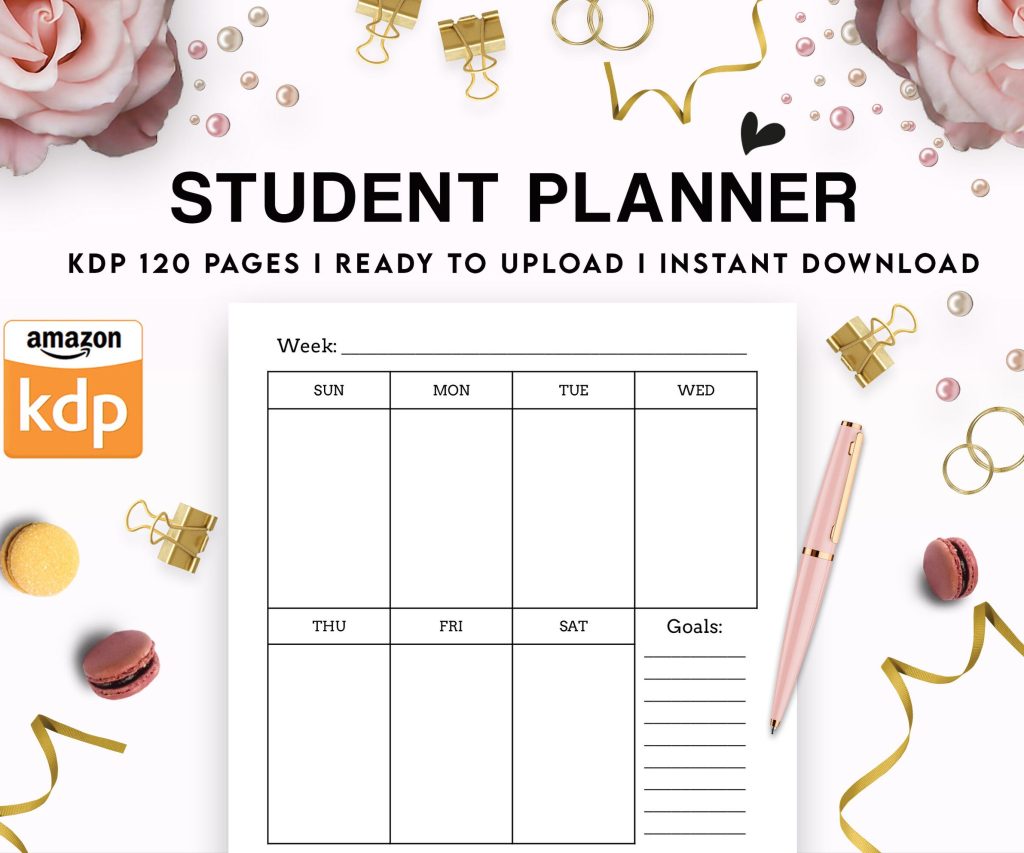 Student Planner Journal 120 pages Ready to Upload PDF Commercial Use KDP Template 6x9" 8.5x11" for Low Content book
1 × $0.00
Student Planner Journal 120 pages Ready to Upload PDF Commercial Use KDP Template 6x9" 8.5x11" for Low Content book
1 × $0.00 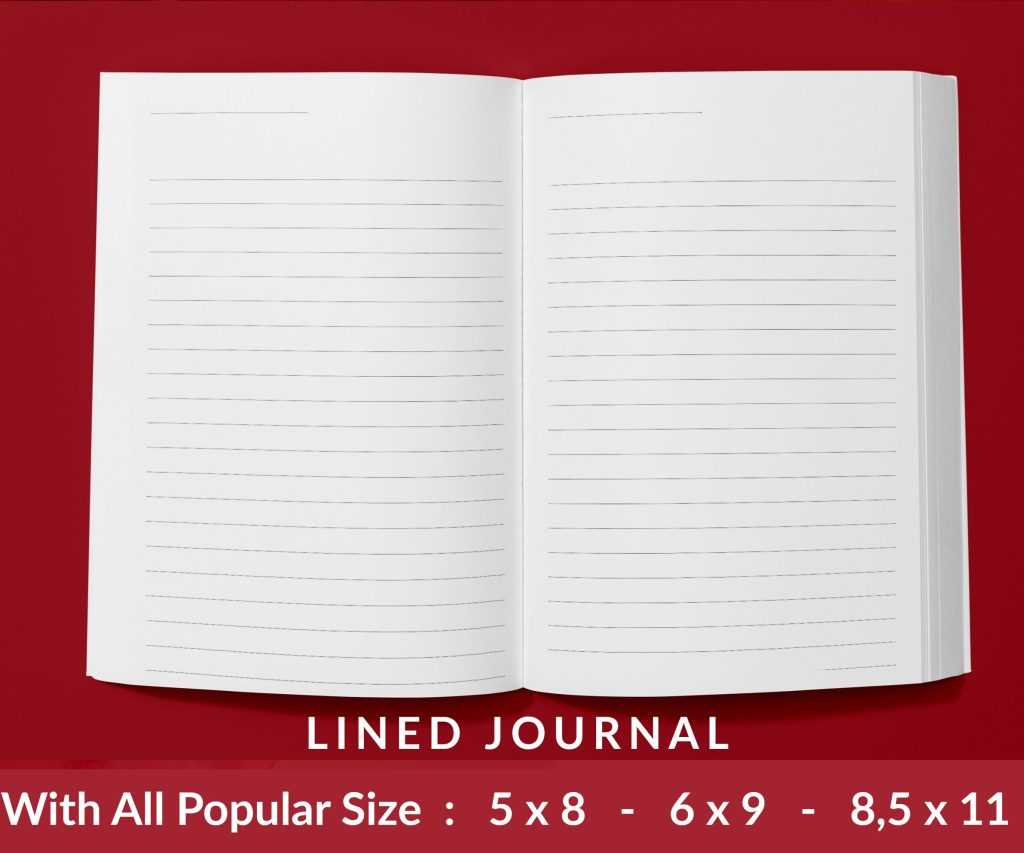 Lined Pages Journal 120 pages Ready to Upload PDF Commercial Use KDP Template 6x9 8.5x11 5x8 for Notebooks, Diaries, Low Content
1 × $0.00
Lined Pages Journal 120 pages Ready to Upload PDF Commercial Use KDP Template 6x9 8.5x11 5x8 for Notebooks, Diaries, Low Content
1 × $0.00 
DISCOVER OUR FREE BEST SELLING PRODUCTS
Editable Canva Lined Journal: Express Your Thoughts – KDP Template
Lined Pages Journal 120 pages Ready to Upload PDF Commercial Use KDP Template 6×9 8.5×11 5×8 for Notebooks, Diaries, Low Content
Lined Pages Journal 120 pages Ready to Upload PDF Commercial Use KDP Template 6×9 8.5×11 5×8 for Notebooks, Diaries, Low Content
Cute Dogs Coloring Book for Kids | Activity Book | KDP Ready-To-Upload
Daily Planner Diary : Diary Planners for Everyday Productivity, 120 pages, 6×9 Size | Amazon KDP Interior
Wolf Coloring KDP interior For Adults, Used as Low Content Book, PDF Template Ready To Upload COMMERCIAL Use 8.5×11"
Coloring Animals Head Book for Kids, Perfect for ages 2-4, 4-8 | 8.5×11 PDF
Printable Blank Comic Book Pages PDF : Create Your Own Comics – 3 Available Sizes
Notes KDP interior Ready To Upload, Sizes 8.5×11 6×9 5×8 inch PDF FILE Used as Amazon KDP Paperback Low Content Book, journal, Notebook, Planner, COMMERCIAL Use
Black Lined Journal: 120 Pages of Black Lined Paper Perfect for Journaling, KDP Notebook Template – 6×9
Student Planner Journal 120 pages Ready to Upload PDF Commercial Use KDP Template 6×9" 8.5×11" for Low Content book
Recipe Journal Template – Editable Recipe Book Template, 120 Pages – Amazon KDP Interior