Okay so here’s the deal with work bios – I was literally updating mine last Tuesday at like 11pm because a client needed it for a conference thing and I realized most people overthink this way too much.
The Basic Framework Nobody Tells You About
Your professional bio is basically three things smooshed together: who you are right now, what you’ve done that matters, and why anyone should care. That’s it. I see people writing these epic novels about their childhood dreams and honestly? Nobody reading your bio on the company website cares that you wanted to be an astronaut when you were seven.
Here’s what actually works – start with your current role and the one thing that makes you different. Not special, just different. Like “Sarah Chen is a project manager who specializes in turning chaotic product launches into actual systems” versus “Sarah Chen is a passionate project manager dedicated to excellence.” See the difference? One tells me what you DO, the other is just… words.
The Three-Sentence Version Everyone Needs
This is gonna sound weird but start with your shortest version first. Like:
Daniel Harper helps self-publishers navigate Amazon KDP without losing their minds. He’s published over 200 titles and generates between $5k-$30k monthly. When he’s not testing new niches, he’s probably explaining why your book description isn’t converting.
That’s roughly what mine looks like and it works because it’s scannable. Most people skim bios anyway – my dog literally walked across my keyboard while I was testing different versions and honestly the shorter ones performed better in click-throughs.
Real Examples That Actually Work
Let me show you some formats I’ve seen work across different industries because context matters SO much here.
For Corporate/Traditional Jobs
Marketing Professional:
Jessica Rodriguez leads digital marketing strategy for mid-size B2B companies, specializing in content that actually generates leads instead of just traffic. Over the past 8 years, she’s helped 40+ companies increase qualified leads by an average of 170%. She’s particularly known for making SEO less terrible to deal with. Currently serves as Marketing Director at TechFlow Solutions.
See how that works? It’s specific numbers, clear benefit, and one personality quirk (the SEO comment). Not trying to be anyone’s best friend, just establishing credibility.
For Creative Fields
Graphic Designer:
Marcus Thompson designs brand identities for companies that are tired of looking like everyone else. His client roster includes three Fortune 500 companies and about two dozen startups who actually made it past year two. He believes good design should make you money, not just win awards – though he’s got five of those too. Based in Portland, working with clients everywhere.
The creative fields let you be slightly more… I dunno, personality-forward? But still keep it about results.
What to Actually Include
Okay so funny story – I once wrote a bio that mentioned every single certification I had and it was like 600 words of alphabet soup. Nobody read past the first line. Here’s what actually matters:
- Current role and company (or “independent” if that’s your thing)
- Your specific expertise area – not “marketing” but “B2B SaaS email campaigns”
- One to three concrete achievements with numbers if possible
- Any credentials that actually matter in your field
- Something that makes you sound like a human
What you can usually skip: your degree unless it’s directly relevant, every job you’ve ever had, your hobbies unless they’re weirdly relevant, inspirational quotes about your “journey.”
The Numbers Thing
Look, I know not everyone has clear metrics but try to find SOMETHING quantifiable. Instead of “extensive experience managing teams” try “managed teams of 5-15 people across four product launches.” Instead of “successful track record in sales” say “consistently hit 120% of quota for three consecutive years.”
I spent like two hours last month helping someone find their numbers and we ended up using “reduced customer support tickets by 35%” which she didn’t even realize was impressive. You probably have better stats than you think.
Different Lengths for Different Places
Wait I forgot to mention – you need like three versions of your bio because different platforms want different things.
The One-Liner (Twitter, Slack, etc.):
KDP consultant | 200+ books published | Helping authors actually make money from self-publishing
The Short Version (100-150 words):
Daniel Harper is an Amazon KDP consultant and digital publishing strategist with seven years of self-publishing experience. He’s published over 200 low-content books and ebooks, generating between $5,000 and $30,000 monthly through strategic niche selection and optimization. Daniel specializes in helping new publishers avoid the expensive mistakes he made early on, focusing on sustainable publishing businesses rather than get-rich-quick schemes. He’s known for his straightforward approach to keyword research and his ability to explain Amazon’s algorithm changes in actual English. When he’s not testing new book concepts, he’s teaching publishers how to scale their catalogs without burning out.
The Long Version (300-500 words):
This is for your website About page, conference programs, podcast intros, that kind of thing. You can get into more detail about your background, specific methodologies, maybe a brief origin story if it’s actually relevant.
Industry-Specific Tweaks
Okay so different fields have different expectations and you gotta adjust for that.
Tech/Startup World
These bios can be more casual. You can mention your GitHub, your side projects, that weird hackathon you won. People expect a bit of personality here. Something like:
Alex builds stuff that scales. Currently engineering lead at DataCrunch, previously helped three startups go from “works on my machine” to actual production systems. Believes documentation is underrated and meetings are overrated. Occasionally tweets about Rust and why everyone’s architecture diagrams are lying.
Finance/Legal/Consulting
These need to be more buttoned up. Not boring, just… professional. Lead with credentials, be specific about expertise areas, maybe mention publications or speaking engagements.
Robert Chen is a corporate attorney specializing in M&A transactions for technology companies. He’s advised on over $2B in acquisitions and has particular expertise in cross-border deals involving Asian markets. Robert holds a JD from Stanford Law School and is licensed to practice in California and New York. He regularly speaks at tech law conferences and has been quoted in the Wall Street Journal and TechCrunch.
Healthcare/Academic
Credentials matter A LOT here. Lead with your degrees, certifications, specializations. But still try to be clear about what you actually do.
Common Mistakes That Make Me Cringe
Oh and another thing – here’s what NOT to do because I see this constantly:
Don’t write in third person if it’s clearly you writing it. Like if it’s on your personal website and it says “Daniel is a passionate entrepreneur” – we all know you wrote that about yourself and it’s awkward. Either own the first person or make it actually sound like someone else wrote it.
Skip the adjectives that mean nothing. Passionate, dedicated, innovative, dynamic – these are filler words. Show me you’re innovative by telling me what you created, don’t just claim it.
Don’t make it a resume in paragraph form. Your bio isn’t supposed to list every job chronologically. It’s a narrative highlight reel.
Avoid the humble brag thing. Either brag properly with real achievements or be actually humble. “I’ve been fortunate enough to work with some amazing clients” – just say “I’ve worked with X, Y, and Z companies” instead.
How to Actually Write This Thing
Alright here’s my process and it’s kinda backwards but it works. I literally just did this for a client yesterday while watching that new series on Netflix (the one about the chef, it’s pretty good).
- Write down everything you’ve done that’s actually impressive – no filter, just brain dump
- Circle the 3-5 things that are most relevant to what you’re doing NOW
- Write one sentence about each of those things with a number if possible
- Add one sentence about who you are currently and what you do
- Throw in one thing that shows personality without being weird
- Cut it down by like 30% because your first draft is always too long
The personality thing trips people up. It doesn’t have to be “I love hiking” or whatever. It can be professional personality like “known for turning complex data into executive summaries that people actually read” or “has a reputation for meeting deadlines even when the scope changes three times.”
Templates You Can Actually Use
Here’s some fill-in-the-blank versions because sometimes you just need structure:
Standard Professional:
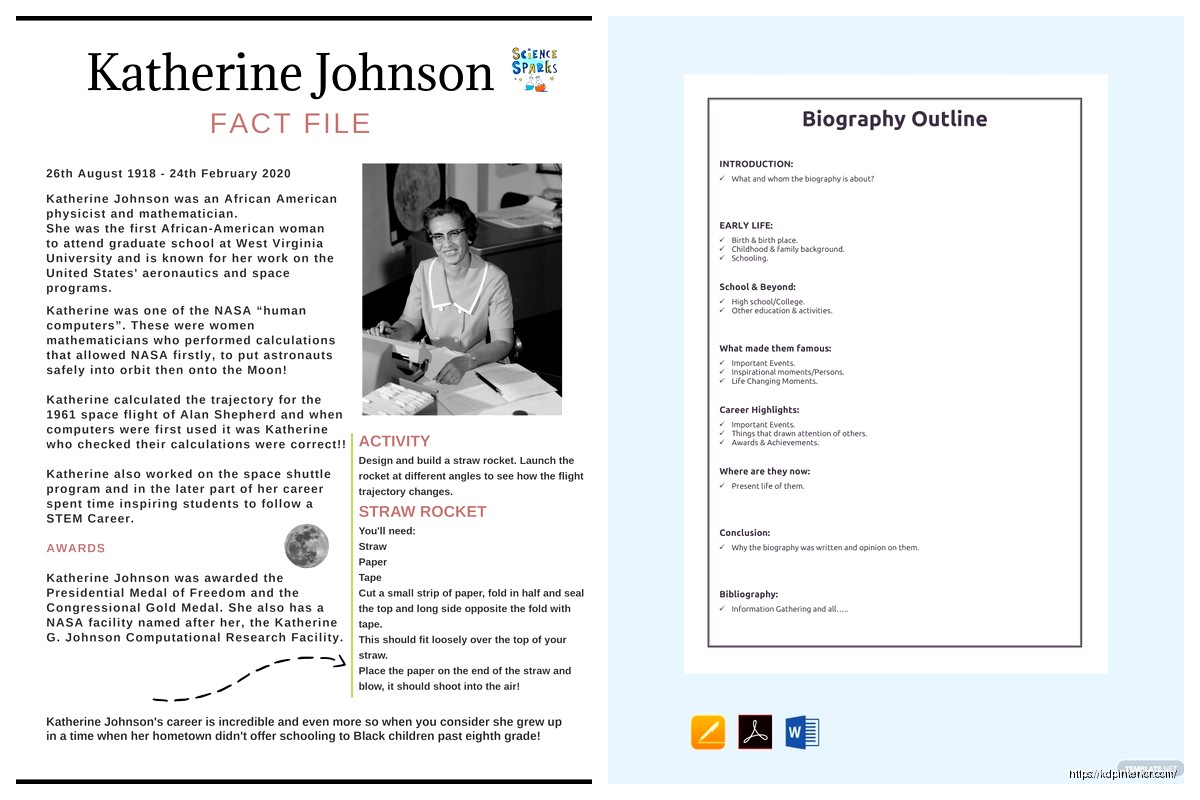
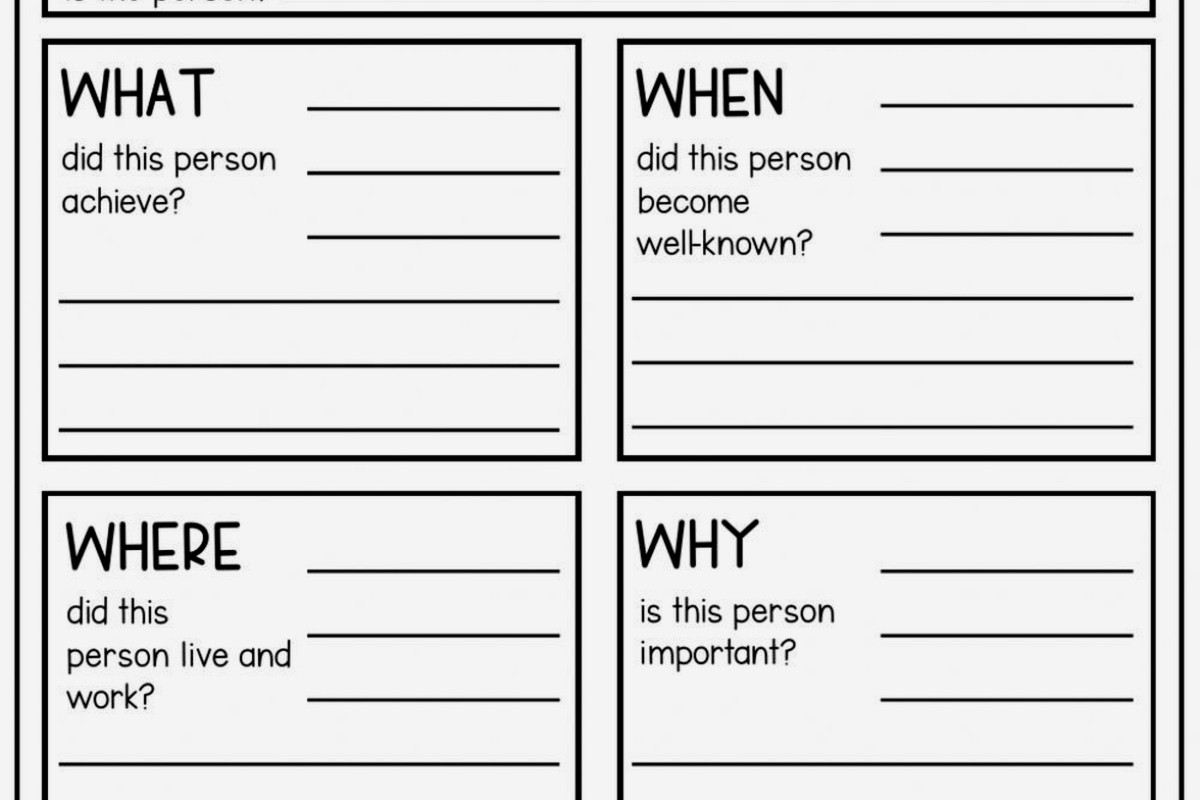
[Name] is a [job title] specializing in [specific area]. With [X years] of experience, [he/she/they] has [major achievement with number]. Currently [current role] at [company], [Name] focuses on [what you actually do day-to-day]. [Optional: credential or recognition]. Known for [specific skill or approach].
Results-Focused:
[Name] helps [target audience] [achieve specific result]. Over the past [timeframe], [he/she/they] has [quantifiable achievement]. Specializing in [niche area], [Name] has [another achievement]. Clients include [notable names or types]. Based in [location], working with [scope].
Expertise-Led:
As a [role] with expertise in [specific areas], [Name] brings [X years] of experience to [what you do]. [His/Her/Their] background includes [relevant experience], with particular strength in [specialization]. [Name] has [credential/achievement] and regularly [ongoing activity like speaking, writing, teaching].
The Update Schedule Nobody Follows
This is gonna sound annoying but you should update your bio like every 6-12 months. Your achievements change, your focus shifts, you get new credentials. I literally have a reminder in my calendar because otherwise I forget and then I’m scrambling when someone asks for it.
Also keep a “bio achievements” doc where you just dump wins as they happen. “Increased revenue 40%” or “published in Industry Journal” or whatever. Makes updating way easier when you’re not trying to remember everything you did for the past two years.
Platform-Specific Adjustments
LinkedIn wants something different than your company website which wants something different than a conference bio. LinkedIn can be slightly more casual and conversational. Conference bios need to establish why you’re qualified to speak on that specific topic. Company website bios should align with your company’s overall tone.
I keep a master doc with like five versions and just grab whichever one fits. Saves so much time versus rewriting from scratch every time.
One last thing – read your bio out loud before you finalize it. If it sounds like a robot wrote it or you wouldn’t actually say those words, rewrite it. Your bio should sound like a professional version of you, not like you’re trying to impress your high school English teacher.

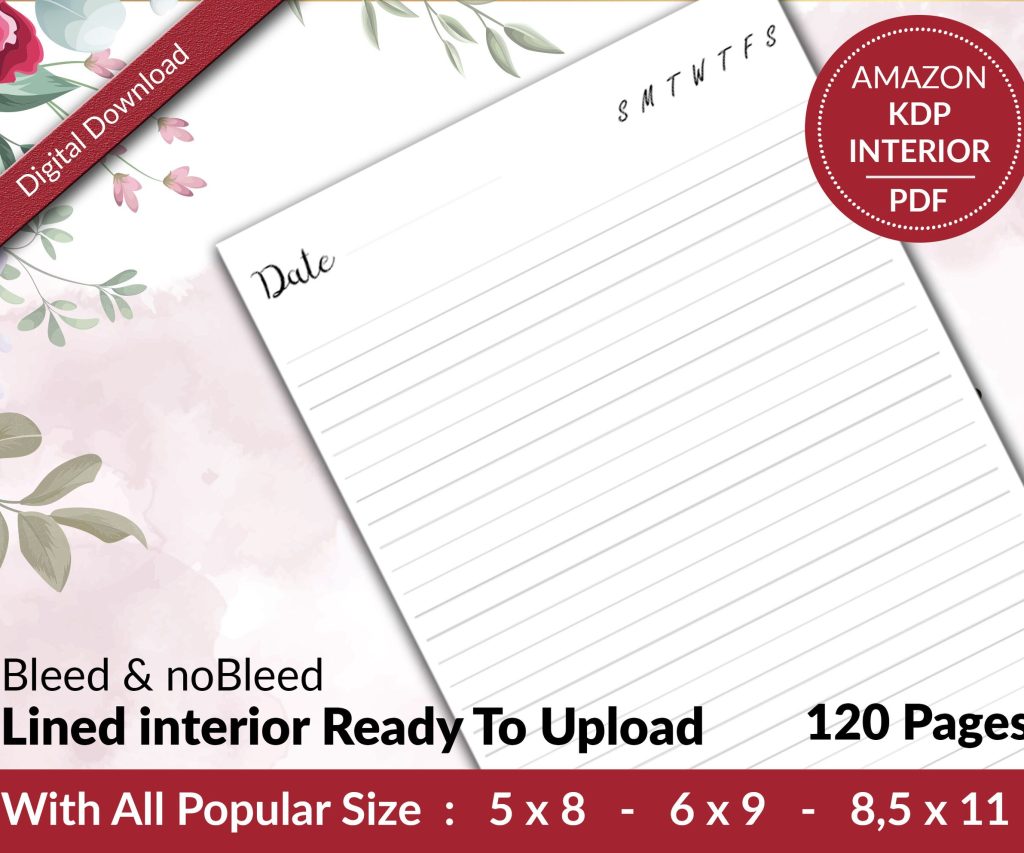 Lined Pages Journal 120 pages Ready to Upload PDF Commercial Use KDP Template 6x9 8.5x11 5x8 for Notebooks, Diaries, Low Content
1 × $0.00
Lined Pages Journal 120 pages Ready to Upload PDF Commercial Use KDP Template 6x9 8.5x11 5x8 for Notebooks, Diaries, Low Content
1 × $0.00 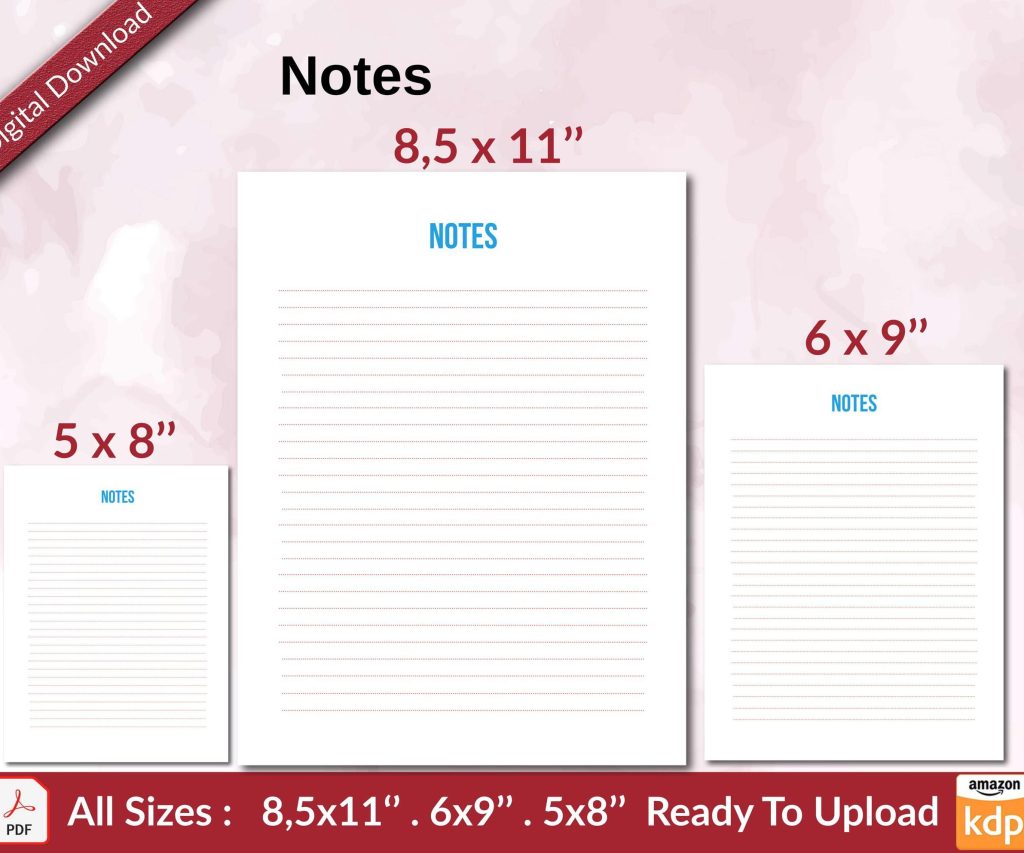 Notes KDP interior Ready To Upload, Sizes 8.5x11 6x9 5x8 inch PDF FILE Used as Amazon KDP Paperback Low Content Book, journal, Notebook, Planner, COMMERCIAL Use
1 × $0.00
Notes KDP interior Ready To Upload, Sizes 8.5x11 6x9 5x8 inch PDF FILE Used as Amazon KDP Paperback Low Content Book, journal, Notebook, Planner, COMMERCIAL Use
1 × $0.00 
DISCOVER OUR FREE BEST SELLING PRODUCTS
Editable Canva Lined Journal: Express Your Thoughts – KDP Template
Lined Pages Journal 120 pages Ready to Upload PDF Commercial Use KDP Template 6×9 8.5×11 5×8 for Notebooks, Diaries, Low Content
Lined Pages Journal 120 pages Ready to Upload PDF Commercial Use KDP Template 6×9 8.5×11 5×8 for Notebooks, Diaries, Low Content
Cute Dogs Coloring Book for Kids | Activity Book | KDP Ready-To-Upload
Daily Planner Diary : Diary Planners for Everyday Productivity, 120 pages, 6×9 Size | Amazon KDP Interior
Wolf Coloring KDP interior For Adults, Used as Low Content Book, PDF Template Ready To Upload COMMERCIAL Use 8.5×11"
Coloring Animals Head Book for Kids, Perfect for ages 2-4, 4-8 | 8.5×11 PDF
Printable Blank Comic Book Pages PDF : Create Your Own Comics – 3 Available Sizes
Notes KDP interior Ready To Upload, Sizes 8.5×11 6×9 5×8 inch PDF FILE Used as Amazon KDP Paperback Low Content Book, journal, Notebook, Planner, COMMERCIAL Use
Black Lined Journal: 120 Pages of Black Lined Paper Perfect for Journaling, KDP Notebook Template – 6×9
Student Planner Journal 120 pages Ready to Upload PDF Commercial Use KDP Template 6×9" 8.5×11" for Low Content book
Recipe Journal Template – Editable Recipe Book Template, 120 Pages – Amazon KDP Interior