
 Coloring Animals Head Book for Kids, Perfect for ages 2-4, 4-8 | 8.5x11 PDF
 Subtotal: $0.00
Amazon KDP guide, KDP book publishing
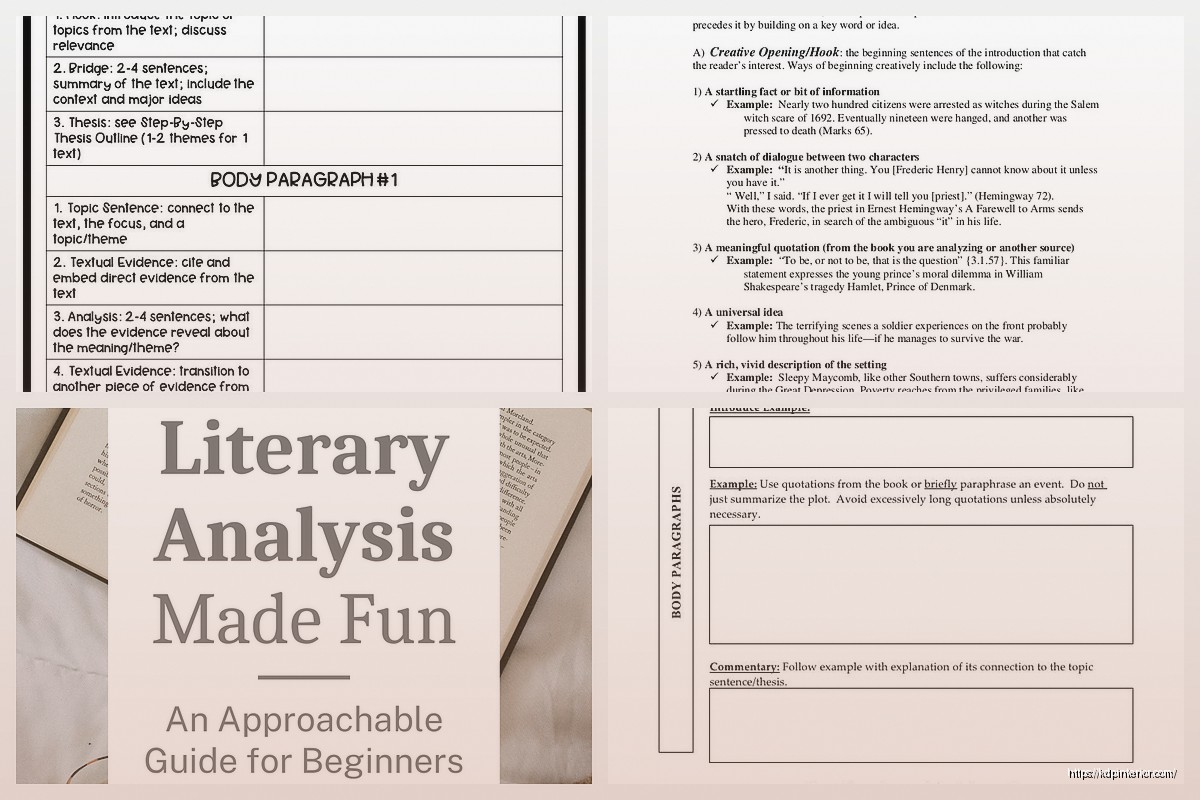
Book Analysis Example: Critical Review Sample
21
Apr
Apr
Okay so I was literally helping someone with this last Thursday and realized most people overthink book analysis examples when they’re just trying to write a decent critical review for their portfolio or blog, so let me break down what actually works.
The Basic Framework That Nobody Explains Right
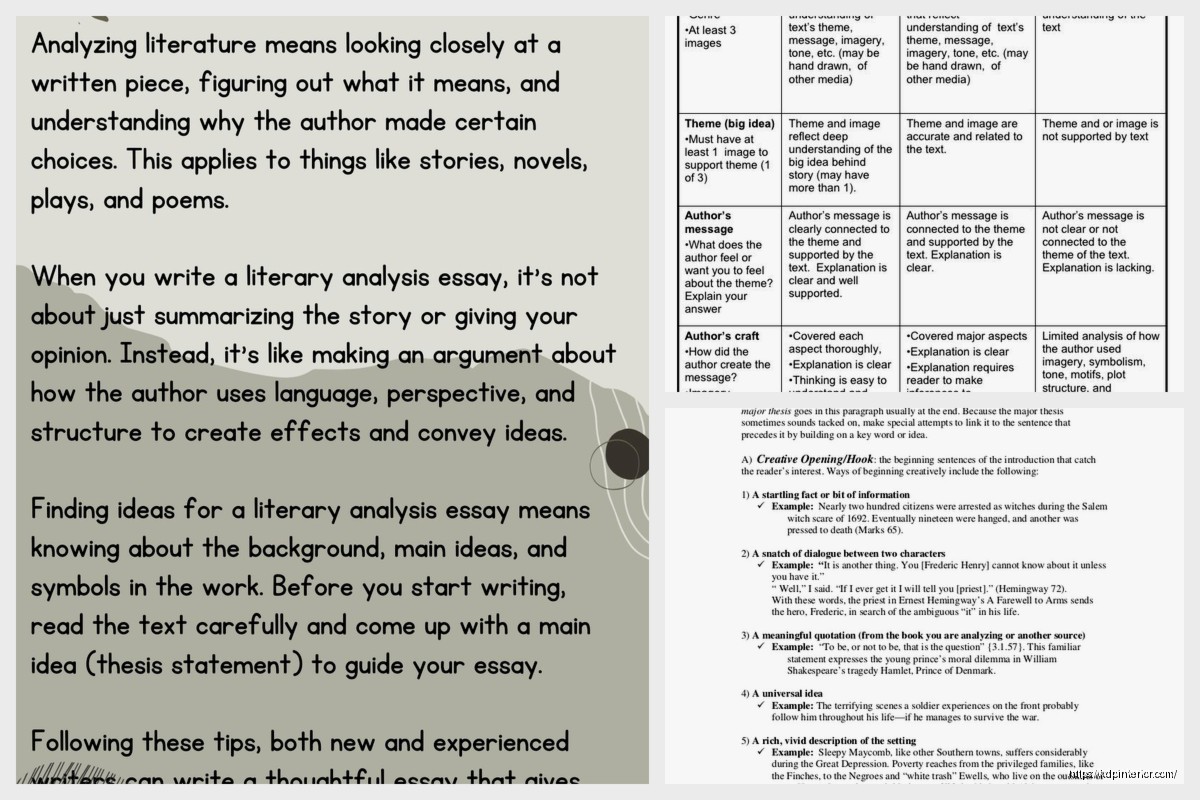
First thing – a critical review isn’t just you saying “this book was good” or “this sucked.” That’s a reader review on Goodreads. A critical analysis sample needs to show you can actually think about WHY something works or doesn’t work, and here’s the structure I use every single time:
- Quick summary of what the book’s about (like 2-3 sentences max)
- The author’s main argument or purpose
- How well they executed that purpose
- Specific examples from the text
- Your evaluation with reasoning
The mistake everyone makes is spending like 80% of their review just summarizing the plot. Nobody needs that. You’re analyzing, not retelling.
Starting With The Hook
So when I’m writing a sample critical review – and I’ve probably done like 50+ of these for my own portfolio and client work – I always start with something that establishes the book’s context. Not “In this essay I will analyze” because that’s boring and also we’re not in high school anymore.
Try something like: “Malcolm Gladwell’s ‘Outliers’ promises to dismantle the myth of the self-made success story, but his cherry-picked examples and oversimplified conclusions often undermine his more compelling insights about systemic advantage.”
See what that does? You’ve told me the book’s premise AND your take in one sentence. That’s gonna guide everything else you write.
The Summary Section Nobody Does Right
Your summary should be like… imagine explaining the book to someone at a coffee shop who asked what you’re reading. You wouldn’t give them chapter-by-chapter breakdowns, right? You’d hit the main points.
For fiction, that’s: protagonist, their problem, what’s at stake, maybe the setting if it matters.
For nonfiction: the author’s main thesis, their approach, and the key arguments they make.
I was reviewing this self-help book last month while my cat kept walking across my keyboard (sorry random detail but it delayed this whole project) and I kept catching myself doing plot summary instead of analysis. The fix? I literally set a timer for 3 minutes and forced myself to write the summary in that time. Couldn’t include everything, so I only included what actually mattered.
The Analysis Part Where You Actually Add Value
Okay so this is where most sample reviews fall apart because people don’t know what to analyze. Here’s what I look at, and you can pick like 3-4 of these depending on the book:
Structure and Organization: Does the book flow logically? I read this business book once that put the most important chapter at the END and it made no sense. That’s worth mentioning in your analysis.
Writing Style: Is it clear? Engaging? Pretentious? Match the style to the intended audience. A academic text should be different from a beach read, and that’s fine.
Evidence and Support: Especially for nonfiction – are the sources credible? Does the author back up their claims or just make sweeping statements?
Character Development: For fiction, do the characters feel real? Do they change? This is huge.
Originality: What makes this book different from the 47 other books on the same topic?
Wait I forgot to mention – always use specific examples. Don’t say “the author’s writing is beautiful.” Say “Morrison’s use of fragmented sentences in Chapter 3 mirrors Sethe’s fractured memories, pulling readers into her disoriented mental state.”
The Critical Part of Critical Review
Being critical doesn’t mean being negative, it means being thoughtful and evaluative. I see people write these reviews where they’re either fawning over everything or ripping it apart, and neither is useful.
Your job is to weigh strengths against weaknesses. Every book has both. Even books I love have problems, and books I didn’t enjoy often have redeeming qualities.
Here’s a formula that works: strength + example, weakness + example, another strength + example. You’re showing you can see multiple dimensions.
Like: “Patterson’s short chapters and cliffhanger endings create genuine page-turning momentum (Chapter 12’s reveal about Sarah’s past had me reading until 2am), but this same technique becomes manipulative by the third act, when plot twists start feeling engineered rather than earned. The final revelation about Marcus, for instance, contradicts information established in Chapter 4 without acknowledgment.”
Quotations and Evidence
Oh and another thing – use actual quotes from the book. Not huge blocks, just the relevant bits. This shows you actually read it and you’re not just making stuff up.
Format them properly: “The author argues that ‘success is not a random phenomenon’ (Gladwell 17), but his selective use of examples undermines this absolutist claim.”
I usually aim for like 3-5 direct quotes in a critical review sample, mixed with paraphrasing. Too many quotes and you’re padding word count. Too few and it feels like opinion without support.
Talking About Author Bias and Perspective
This is gonna sound weird but one thing that separates okay critical reviews from really good ones is acknowledging the author’s perspective and potential biases.
Who is this author? What’s their background? What might they be overlooking because of where they’re coming from?
I was analyzing this book on productivity written by a Silicon Valley CEO, and like… obviously his advice about “just hire an assistant” isn’t applicable to most readers. That’s worth noting. Not as an attack, but as context that affects the book’s usefulness.
Same with fiction – if someone writes about a culture or experience that’s not their own, how well do they handle it? Are they relying on stereotypes or doing the research?
The Comparison Strategy
One trick I use all the time in sample reviews is comparing the book to similar works. This shows you know the genre or category and can position this book within it.
“Unlike Brené Brown’s research-heavy approach to vulnerability, Rubin’s ‘The Happiness Project’ relies primarily on personal anecdote, making it more accessible but less universally applicable.”
You don’t need to write full paragraphs about other books, just quick references that give context.
Target Audience Matters
Always consider who this book is FOR. A book can be well-written and still not work for certain readers.
Young adult fiction should be judged differently than literary fiction. A beginner’s guide to investing shouldn’t be criticized for not covering advanced derivatives trading.
I mention this in my reviews like: “For readers new to stoic philosophy, Holiday’s modern examples and straightforward language provide an accessible entry point, though philosophy scholars will find the interpretations somewhat surface-level.”
The Structure Template I Actually Use
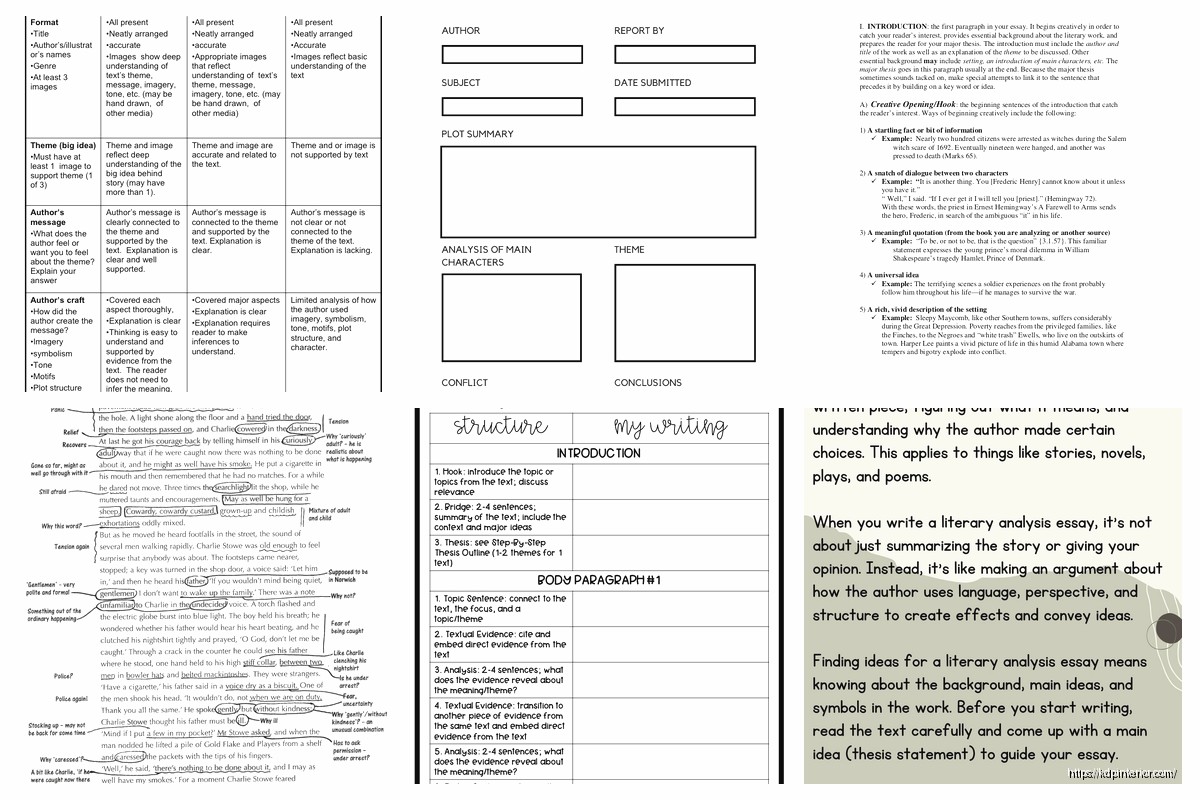
Okay so when I’m writing a sample critical review for my portfolio or to show someone what quality analysis looks like, here’s my actual template:
Opening paragraph: Hook that states the book and your thesis about it (100-150 words)
Brief summary: What’s this book about, what’s the author trying to do (150-200 words)
Analysis section 1: First major point with examples (200-300 words)
Analysis section 2: Second major point with examples (200-300 words)
Analysis section 3: Third major point if needed (200-300 words)
Evaluation: Weighing strengths and weaknesses, who should read this (150-200 words)
That gets you to like 1000-1500 words, which is the sweet spot for a critical review sample. Not so short it feels shallow, not so long people zone out.
Common Mistakes I See Constantly
Too much plot summary. I already said this but seriously, this is the #1 problem.
No specific examples. Saying “the characters were well-developed” means nothing without showing HOW.
Only positive or only negative. Real critical thinking acknowledges complexity.
Ignoring the author’s stated purpose. If someone writes a light beach read and you critique it for not being literary fiction, that’s on you not them.
Personal attacks on the author instead of analyzing the work.
Using “I think” or “I feel” too much. Sometimes sure, but your analysis should stand on its own reasoning.
The Tone Thing
Your tone should be professional but not stuffy. You’re having an intelligent conversation about a book, not writing a dissertation (unless you are, in which case different rules).
I usually aim for confident and fair. You can be critical without being mean. You can praise without gushing.
Bad: “This book is absolutely terrible and the author should be ashamed.”
Better: “Despite its promising premise, the execution falters due to inconsistent pacing and underdeveloped supporting characters.”
Using Secondary Sources
For more academic critical reviews, you might wanna bring in what other critics or reviewers have said. This shows you’ve done research beyond just reading the book.
“While Michiko Kakutani praised the novel’s ‘lyrical prose,’ other critics like James Wood have noted that this same lyricism occasionally obscures narrative clarity.”
But honestly for most sample reviews, you don’t need this unless you’re specifically trying to show you can engage with existing criticism.
The Practical Example Breakdown
Let me show you what I mean with a quick mini-example. Say you’re reviewing “Atomic Habits” by James Clear:
James Clear’s “Atomic Habits” synthesizes existing behavioral psychology research into an accessible framework for habit formation, though its corporate-friendly packaging sometimes sacrifices nuance for marketability. Clear’s central premise – that small changes compound into remarkable results – isn’t groundbreaking, but his systematic approach to implementation fills a genuine gap in the self-help landscape.
The book’s structure mirrors its content philosophy: each chapter builds incrementally on the last, with Clear introducing the “Four Laws of Behavior Change” across the first half before dedicating the second half to application. This organization works well for readers seeking actionable advice, though those familiar with behavioral psychology may find the foundational chapters redundant.
Clear excels at translating academic concepts into practical strategies. His reframing of “identity-based habits” – focusing on who you want to become rather than what you want to achieve – provides a genuinely useful mental model. When he writes, “Every action you take is a vote for the type of person you wish to become,” he’s not just offering platitude but a framework for decision-making that readers can immediately apply.
However, the book’s weakness lies in its assumption of privilege and stability. Clear’s advice to “design your environment” presumes a level of control over one’s surroundings that not everyone possesses. The examples skew heavily toward knowledge workers with flexible schedules and private workspaces, limiting the universality of his approach.
See how that works? Summary, structure analysis, specific strength with quote, specific weakness with reasoning. That’s the pattern.
Editing Your Sample Review
Once you’ve got a draft, the editing is crucial. I usually write the whole thing, then go back and:
Check that every claim has support
Remove unnecessary plot summary
Make sure I’m being fair
Verify quotes are accurate
Cut any repetitive points
The goal is tight, purposeful writing where every paragraph advances your analysis.
Oh and proofread obviously. Typos in a critical review sample make you look sloppy, and if you’re using this to showcase your analytical skills, presentation matters.
One last thing – I always read my reviews out loud before finalizing them. If something sounds awkward or pretentious when spoken, it probably needs revision. You want authority without being insufferable, which is a balance but you’ll find it.
Anyway that’s basically my entire approach to writing critical review samples. It’s not rocket science, just systematic thinking plus specific evidence plus fair evaluation. Most people can do this, they just psych themselves out thinking it needs to be more complicated than it is.
DISCOVER OUR FREE BEST SELLING PRODUCTS
Editable Canva Lined Journal: Express Your Thoughts – KDP Template
Lined Pages Journal 120 pages Ready to Upload PDF Commercial Use KDP Template 6×9 8.5×11 5×8 for Notebooks, Diaries, Low Content
Lined Pages Journal 120 pages Ready to Upload PDF Commercial Use KDP Template 6×9 8.5×11 5×8 for Notebooks, Diaries, Low Content
Cute Dogs Coloring Book for Kids | Activity Book | KDP Ready-To-Upload
Daily Planner Diary : Diary Planners for Everyday Productivity, 120 pages, 6×9 Size | Amazon KDP Interior
Wolf Coloring KDP interior For Adults, Used as Low Content Book, PDF Template Ready To Upload COMMERCIAL Use 8.5×11"
Coloring Animals Head Book for Kids, Perfect for ages 2-4, 4-8 | 8.5×11 PDF
Printable Blank Comic Book Pages PDF : Create Your Own Comics – 3 Available Sizes
Notes KDP interior Ready To Upload, Sizes 8.5×11 6×9 5×8 inch PDF FILE Used as Amazon KDP Paperback Low Content Book, journal, Notebook, Planner, COMMERCIAL Use
Black Lined Journal: 120 Pages of Black Lined Paper Perfect for Journaling, KDP Notebook Template – 6×9
Student Planner Journal 120 pages Ready to Upload PDF Commercial Use KDP Template 6×9" 8.5×11" for Low Content book
Recipe Journal Template – Editable Recipe Book Template, 120 Pages – Amazon KDP Interior