
-
×
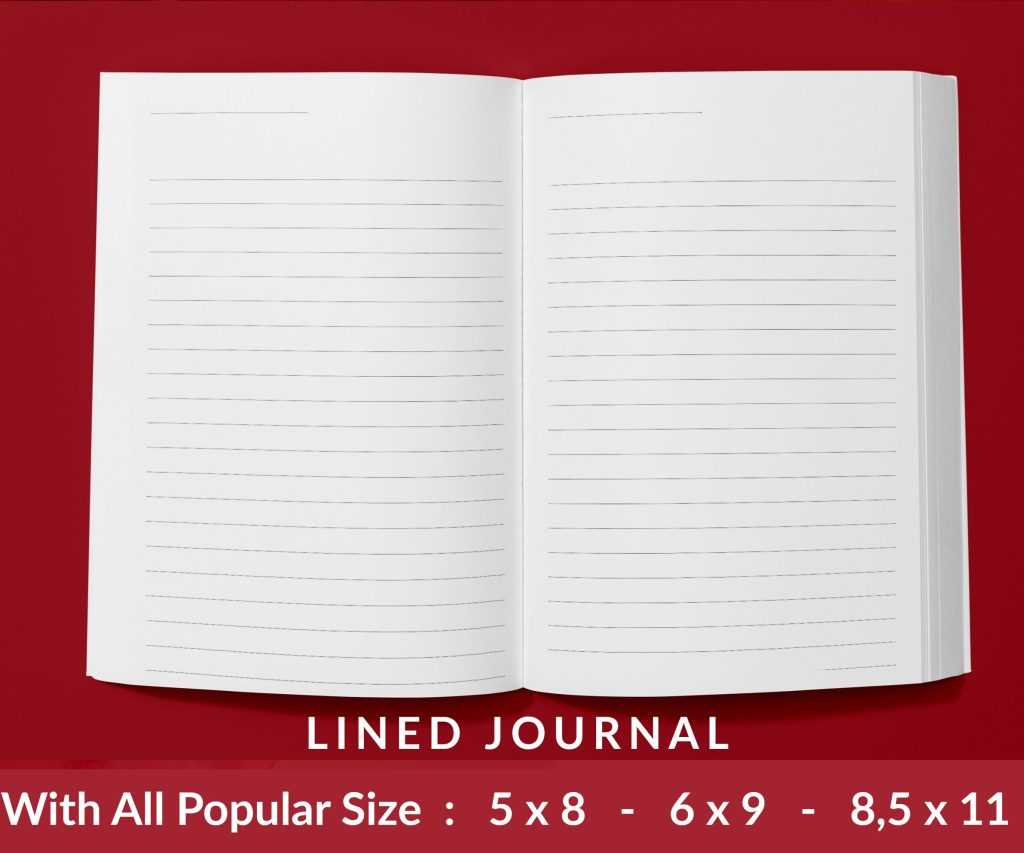 Lined Pages Journal 120 pages Ready to Upload PDF Commercial Use KDP Template 6x9 8.5x11 5x8 for Notebooks, Diaries, Low Content
1 × $0.00
Lined Pages Journal 120 pages Ready to Upload PDF Commercial Use KDP Template 6x9 8.5x11 5x8 for Notebooks, Diaries, Low Content
1 × $0.00
Subtotal: $0.00
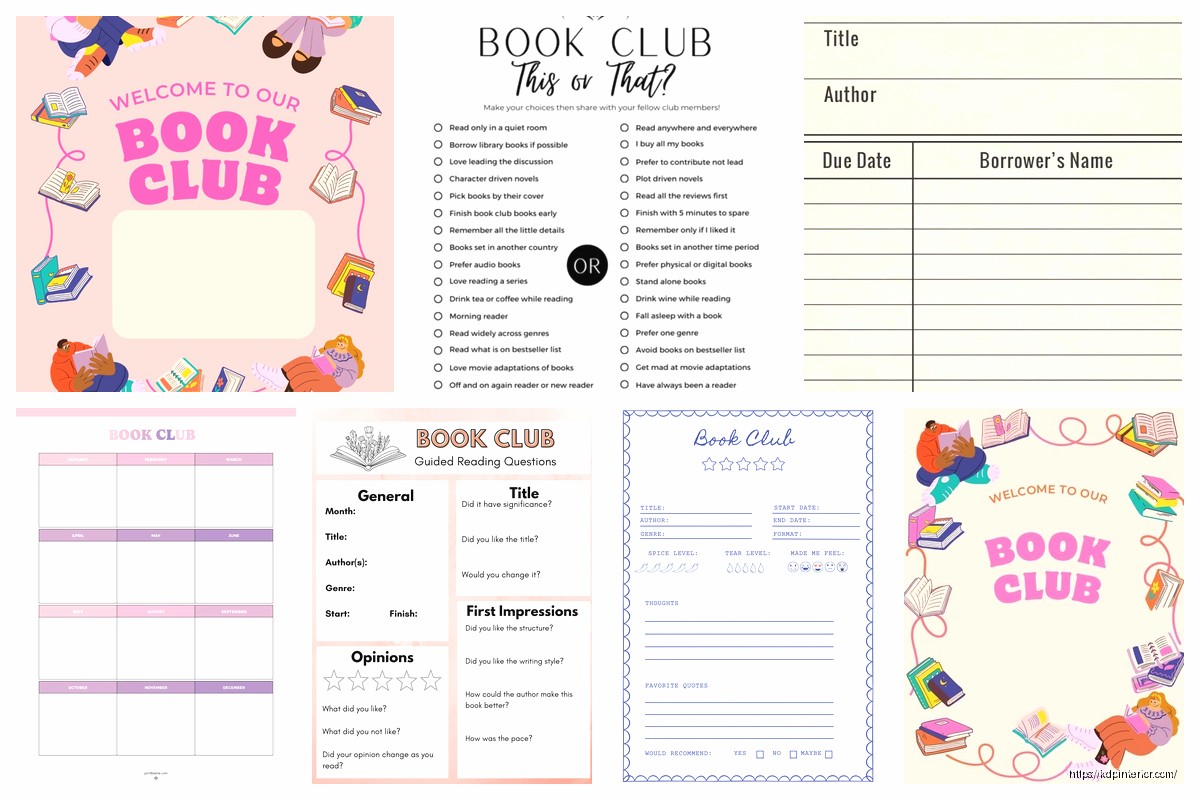
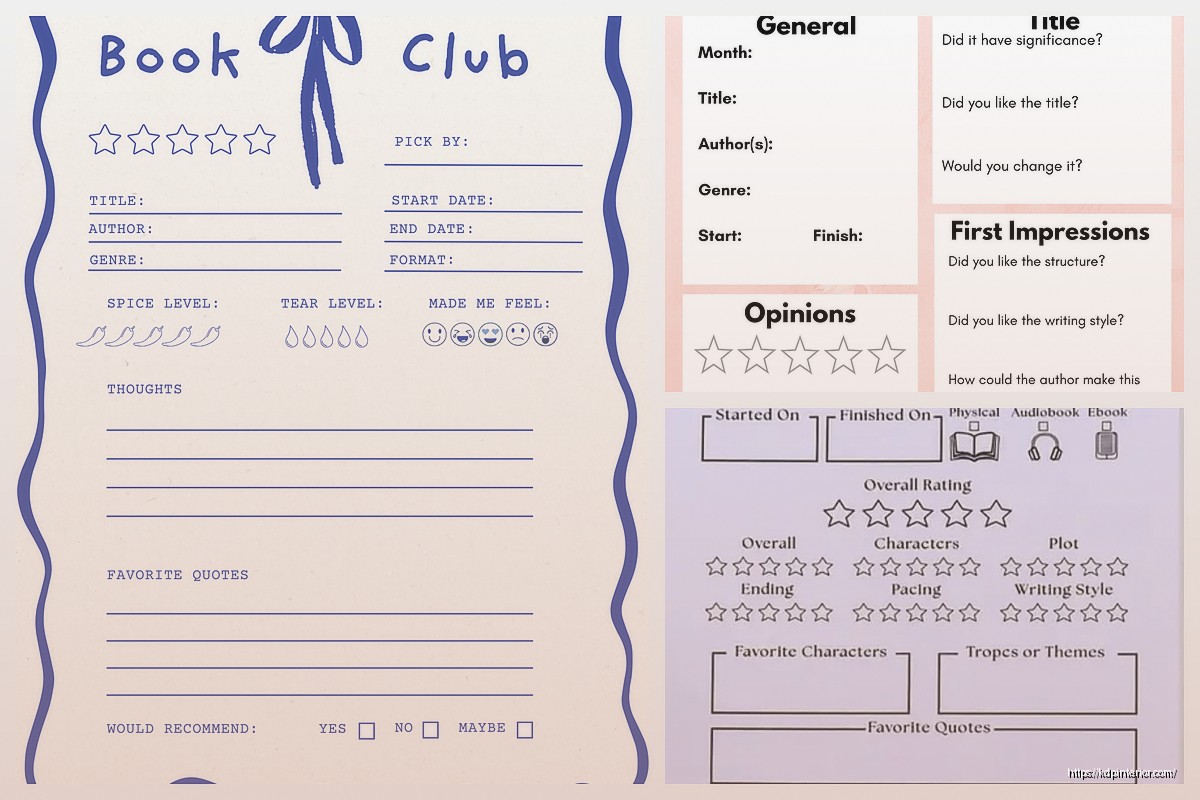
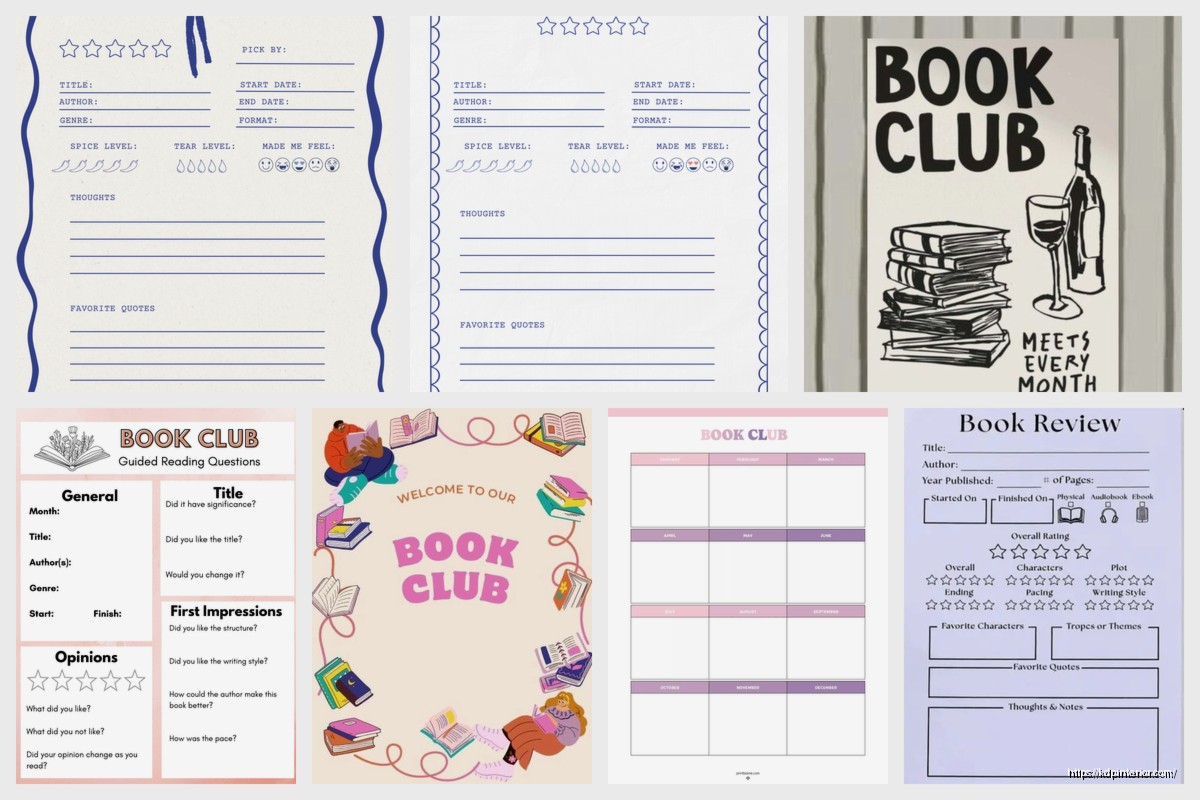
Okay so I’ve created like dozens of book club discussion guides over the years and honestly the format matters way more than you’d think. I was watching The Bear last night and thinking about how structured their kitchen systems are and realized discussion guides need that same kind of backbone, you know?
So here’s what I figured out after my first few guides totally bombed – you need about 10-15 questions minimum. Anything less and the conversation dies after 20 minutes. I tested this with a romance novel guide I made in 2019 and put only 6 questions in there. People emailed me like “um we finished in fifteen minutes what now” so yeah, learned that lesson.
Start with your header section. This is gonna include the book title, author name, publication info, and maybe a one-paragraph summary. Don’t write a full synopsis though because like… they already read the book? I see people doing full page summaries and it’s just wasted space honestly.
Break your questions into sections. This is where most templates fall apart because they just dump 15 random questions and call it done.
Opening Questions (2-3 questions) – These are your warmup. “What was your first impression?” or “How did you feel about the opening chapter?” Softballs basically. Gets people talking who might be shy.
Character Deep Dives (4-5 questions) – This is where you dig into motivations, relationships, character arcs. I always include at least one question about whether people liked or related to the protagonist because that discussion gets heated fast and that’s what you want.
Themes and Symbols (3-4 questions) – Okay so this section depends on the book obviously but you’re looking at the bigger picture stuff. What was the author trying to say about society, relationships, whatever. I made a guide for a dystopian novel once and completely forgot to include theme questions and the whole thing felt shallow.
Plot and Structure (2-3 questions) – “Did the pacing work for you?” “Were there any plot holes?” This is where people can complain about things that bugged them lol
Personal Connection (2-3 questions) – “How would you react in this situation?” or “Did this book change your perspective on anything?” Gets people sharing their own experiences.
Oh and another thing – how you phrase questions matters SO much. I spent like three months testing different phrasings because some questions just don’t spark conversation.
Avoid yes/no questions unless you’re following up with “why?” Like don’t just ask “Did you enjoy this book?” Ask “What aspects of this book worked for you, and what didn’t?” See the difference? One kills conversation, one opens it up.
Use “how” and “why” questions constantly. “How did the setting influence the characters?” “Why do you think the author chose this ending?” These force people to explain their thinking instead of just stating opinions.
This is gonna sound weird but including 1-2 comparison questions changes the whole dynamic. “How does this book compare to the author’s previous work?” or “What other books does this remind you of?” People LOVE talking about other books they’ve read. It’s like… once you open that door, suddenly everyone’s recommending stuff and the conversation gets way more energetic.
I discovered this by accident when my cat knocked over my coffee during a book club meeting and while I was cleaning it up, someone mentioned another book and the whole discussion shifted and became way more interesting than my planned questions were generating.
So layout-wise, you gotta make this scannable. Book club hosts are usually scrambling to review this like 20 minutes before everyone shows up (I know because they tell me this constantly).
Use clear headers for each section – All caps or bold, something that stands out when someone’s skimming
Number your questions – Seems obvious but I’ve seen guides that just paragraph-dump questions and it’s chaos trying to keep track of where you are
Leave space between questions – Like actual white space. Makes it easier to read and you can add notes if you’re printing it out
Add optional follow-up questions in italics – So under each main question, I usually add 1-2 follow-ups that the host can use if the discussion stalls. Something like:
Main question: How did you feel about the protagonist’s decision in chapter 12?
Follow-up: Would you have made the same choice? What alternatives did she have?
Wait I forgot to mention the bonus sections. These aren’t required but they make your discussion guide way more valuable.
About the Author section – Just a few paragraphs about the author’s background, other books, interesting facts. People like context.
Discussion Topics list – Before you get into questions, list out the major themes in bullet points. Helps people remember what they wanted to talk about. Like if it’s a historical fiction book, you’d list the historical period, accuracy, how it relates to modern day, whatever.
Book Club Activities section – This is optional but some groups like to do themed food or activities. I include suggestions like “serve Italian food for this Italy-set novel” or “watch the author’s TED talk before discussing.” Some people think this is cheesy but honestly hosts eat this stuff up.
Further Reading list – 3-5 similar books people might enjoy. Cross-promotion opportunity if you’ve made guides for those too.
Okay so important – put a spoiler warning at the top. Seems obvious but you’d be surprised how many people download discussion guides before finishing the book. Just a simple “WARNING: This guide contains spoilers for the entire book” in bold at the top saves you from angry emails.
Real talk, some questions just don’t work no matter how you phrase them. I’ve tested these and they consistently fall flat:
Questions that are too academic – “Analyze the use of symbolism in relation to postmodern literary theory” like… no. Unless it’s specifically a literature professor book club, keep it accessible.
Super obvious questions – “Who was the main character?” Come on. They read the book.
Questions with one clear answer – “What year does this take place?” That’s not discussion, that’s trivia.
Too many questions about minor plot points – Nobody remembers what happened in chapter 3 specifically unless it was major. Focus on big moments and overall impressions.
Your guide should be 3-5 pages typically. Longer than that and people won’t read it all. Shorter and you don’t have enough material.
I usually aim for about 15 questions total because that gives a 90-minute book club meeting enough material with some breathing room. If discussions go long on certain questions, you skip some. If they’re moving fast, you have plenty of backup questions.
Oh and another thing – you gotta test these if possible. I know that’s not always realistic but even just reading through your questions and imagining the answers helps. I caught so many unclear or redundant questions this way.
If you can’t test with a real group, at least read it out loud. Sounds silly but you’ll notice weird phrasing or questions that don’t flow well.
So there’s two approaches here. You can make highly specific guides for individual books, or more generic templates that work for categories.
Specific guides are better if you’re creating resources for popular books or books you’re selling yourself. Deep dive into that exact story, characters by name, specific plot points. Way more valuable but obviously takes more time.
Generic templates work if you’re creating something like “Mystery Novel Discussion Guide” or “Romance Book Club Questions.” Broader questions that apply to most books in that genre. Easier to create in bulk but less tailored.
I usually do specific guides because they convert better and people actually use them, but I’ve got some generic templates I repurpose when I’m in a time crunch.
Don’t overthink the design but don’t ignore it either. Clean, readable fonts. I use like 11 or 12 point font, nothing fancy. Serif fonts like Georgia or Times New Roman work fine for this.
Headers should be bigger and bold. Maybe a different color if you’re feeling fancy but black and white works totally fine.
If you’re selling these or using them as lead magnets, add a simple header with your logo or website. Footer with page numbers and copyright info. Basic stuff but makes it look professional.
PDF is standard. Editable Word docs are nice if you want people to customize them but then you lose control over formatting. I usually offer both – PDF as the main download and Word doc as a bonus.
Make sure your PDF is searchable text, not just images. Accessibility matters and also people like to copy-paste questions sometimes.
If you’re selling these, price depends on specificity and length. Generic templates might be $2-5. Detailed guides for specific popular books could be $5-15. Bundles of multiple guides obviously more.
I’ve had better luck giving away simpler guides as lead magnets and selling more comprehensive ones. The free ones get people into your ecosystem and then they buy the premium versions.
You can also include discussion guides as bonuses with your books if you’re selling those. Adds value and people love bonus content even if they don’t use it lol.
Anyway that’s basically the whole system I use. It’s not complicated once you’ve done a few, just gotta make sure you hit all the sections and ask questions that actually spark conversation instead of just… existing on the page.
DISCOVER OUR FREE BEST SELLING PRODUCTS
Editable Canva Lined Journal: Express Your Thoughts – KDP Template
Lined Pages Journal 120 pages Ready to Upload PDF Commercial Use KDP Template 6×9 8.5×11 5×8 for Notebooks, Diaries, Low Content
Lined Pages Journal 120 pages Ready to Upload PDF Commercial Use KDP Template 6×9 8.5×11 5×8 for Notebooks, Diaries, Low Content
Cute Dogs Coloring Book for Kids | Activity Book | KDP Ready-To-Upload
Daily Planner Diary : Diary Planners for Everyday Productivity, 120 pages, 6×9 Size | Amazon KDP Interior
Wolf Coloring KDP interior For Adults, Used as Low Content Book, PDF Template Ready To Upload COMMERCIAL Use 8.5×11"
Coloring Animals Head Book for Kids, Perfect for ages 2-4, 4-8 | 8.5×11 PDF
Printable Blank Comic Book Pages PDF : Create Your Own Comics – 3 Available Sizes
Notes KDP interior Ready To Upload, Sizes 8.5×11 6×9 5×8 inch PDF FILE Used as Amazon KDP Paperback Low Content Book, journal, Notebook, Planner, COMMERCIAL Use
Black Lined Journal: 120 Pages of Black Lined Paper Perfect for Journaling, KDP Notebook Template – 6×9
Student Planner Journal 120 pages Ready to Upload PDF Commercial Use KDP Template 6×9" 8.5×11" for Low Content book
Recipe Journal Template – Editable Recipe Book Template, 120 Pages – Amazon KDP Interior