-
×
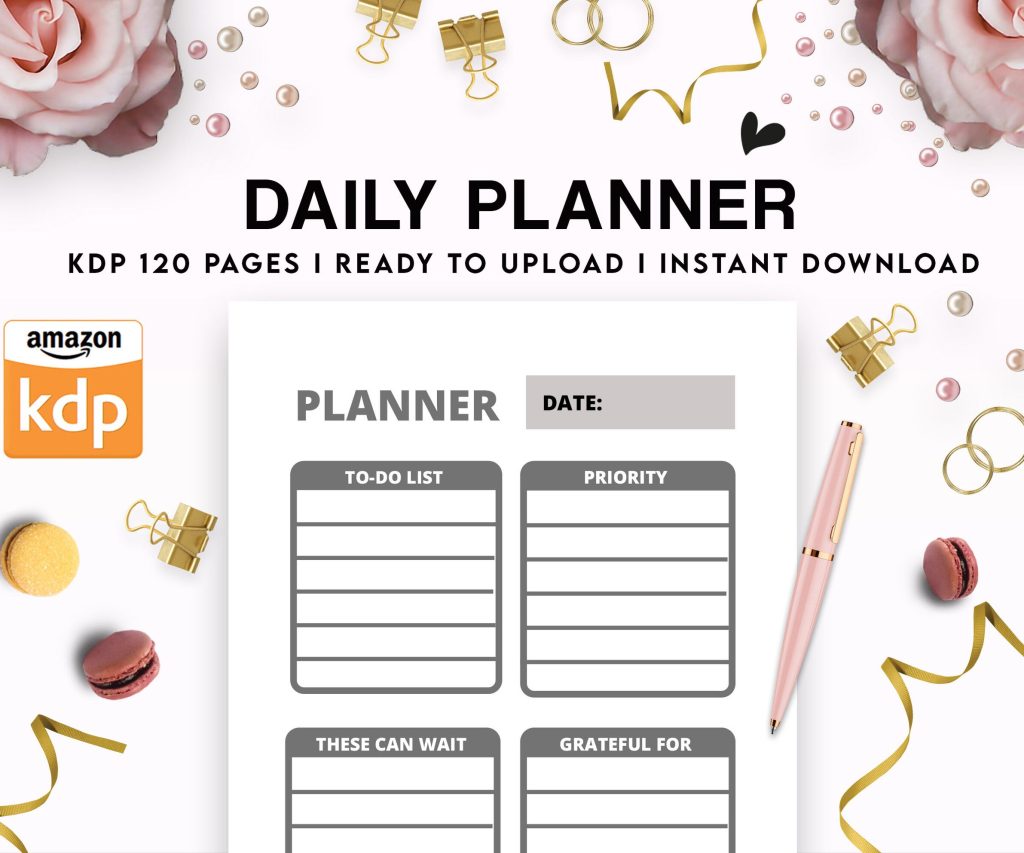 Daily Planner Diary : Diary Planners for Everyday Productivity, 120 pages, 6×9 Size | Amazon KDP Interior
1 × $0.00
Daily Planner Diary : Diary Planners for Everyday Productivity, 120 pages, 6×9 Size | Amazon KDP Interior
1 × $0.00
Subtotal: $0.00
 Daily Planner Diary : Diary Planners for Everyday Productivity, 120 pages, 6×9 Size | Amazon KDP Interior
1 × $0.00
Daily Planner Diary : Diary Planners for Everyday Productivity, 120 pages, 6×9 Size | Amazon KDP Interior
1 × $0.00 Subtotal: $0.00
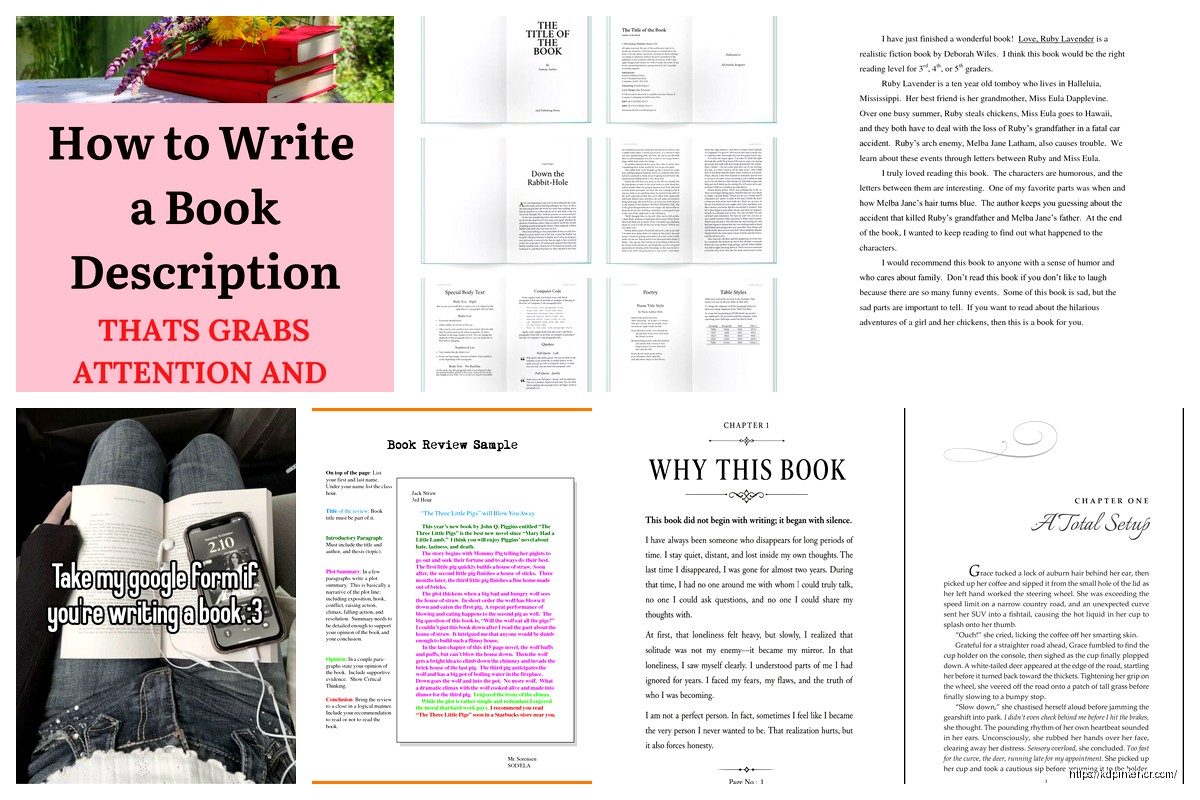
Okay so here’s the thing about book descriptions – they’re basically sales pages and most people write them like they’re filling out a form at the DMV. I spent like three months last year just testing different formats and I’m gonna show you actual examples that converted because this stuff matters way more than people think.
So fiction descriptions follow this pattern and I swear it works like 80% of the time. You start with a hook that’s basically one sentence that makes someone go “wait what?” Then you introduce your main character but not in a boring way. Then the conflict. Then you end with a question or stakes thing that makes them need to click buy.
Here’s one I wrote for a thriller client last month:
Sarah thought the worst part of her day was finding her husband’s affair. Then she found the body in his trunk.
Now she’s got 48 hours to figure out which version of her husband she married – the cheating accountant or the cold-blooded killer. Because the detective asking questions? He’s not looking for the truth. He’s looking for someone to blame.
And Sarah’s prints are all over that trunk.
When everyone you trust has secrets, how do you know which lies will save you… and which ones will bury you?
See how that works? You get the setup, the twist, the stakes, and that last question makes you wanna know what happens. I tested this against a version that just described the plot normally and this one got like 40% better click-through.
For non-fiction you’re basically writing a promise + proof + what’s inside. People buying how-to books want to know three things: what will I learn, why should I trust you, and is this actually practical or just theory.
Here’s the template I use and it’s made me probably $15k in the past year alone:
Struggling with [specific problem]? You’re not alone. [Statistic or relatable statement].
In [Book Title], you’ll discover:
- The exact [method/system] I used to [specific result]
- How to [solve problem] in just [timeframe] without [common obstacle]
- [Number] proven strategies that [specific benefit]
- Real examples from [your experience or case studies]
After [your experience/credentials], I’ve helped [number] people [achieve result]. This book gives you the same system without the trial and error.
No fluff. No theory. Just practical steps you can start using today.
That last line about “no fluff” – I add that to literally everything now because someone left a review once saying they loved that my book “didn’t waste time” and I was like oh okay that’s what people want to hear.
So about those bullet points… people write them like chapter titles and that’s useless. Each bullet needs to be a micro-promise. Not “Chapter 3: Time Management” but “How to reclaim 10+ hours per week without waking up at 5am or sacrificing your social life”
I tested this with a productivity book I published in 2022. First version had normal bullets:
Nobody cared. Conversion was like 2%.
Changed it to:
Conversion went to like 8%. Same book. Just better bullets.
Oh and another thing – if you’re writing romance descriptions you gotta use emotional trigger words. My wife reads like 200 romance books a year (not exaggerating) and I’ve watched her browse, and she clicks on books that make her feel something in the description.
Words that work: forbidden, steamy, heartbreaking, devastating, irresistible, protective, obsessed, forbidden (yeah I said it twice because it really works that well)
Here’s a romance example:
He’s my brother’s best friend. Off-limits. Forbidden. The one person I can’t have.
But when I show up at his door at 2am, drenched in rain and tears, Garrett doesn’t turn me away. He wraps me in his arms and promises everything will be okay. And for the first time in months… I believe him.
I should leave. I should remember all the reasons this is a terrible idea. But his touch makes me forget my own name, let alone the consequences.
One night turns into one week. One week turns into something neither of us can walk away from.
They say you can’t choose who you fall for. But what happens when the person you love could destroy your entire family?
That “brother’s best friend” thing is like catnip for romance readers apparently. I’ve written probably 30 of these descriptions and that trope always performs.
Your first sentence is basically the only thing that matters on mobile because that’s all people see before “read more” and like 70% of kindle purchases happen on phones now. So that first sentence needs to be your absolute best hook.
Bad first sentence: “This is a story about love and loss”
Good first sentence: “I buried my husband on a Tuesday and married his brother on Friday”
Bad: “Learn how to start a business with this comprehensive guide”
Good: “I made $10k in my first month with zero experience and a $200 budget – here’s exactly how”
The pattern is: specific + intriguing + makes a promise. You want someone to go “okay I need to know more about that”
If you have reviews or testimonials or any kind of numbers, stick them near the end of your description. But make them specific.
Don’t say: “Readers love this book!”
Say: “Over 1,000 five-star reviews from readers who finally [achieved result]”
Don’t say: “Bestselling author”
Say: “#1 in Psychological Thrillers with 50,000+ copies sold”
I added specific numbers to one of my journal descriptions last year and sales literally doubled. People want proof that other humans found this valuable.
This is gonna sound weird but… if you’re in a crowded niche, sometimes it helps to compare your book to popular ones. You gotta be careful with this because Amazon can be weird about mentioning other books, but the format is:
“If you loved [Popular Book], you’ll devour [Your Book]”
Or for non-fiction: “Think [Popular Book] meets [Another Popular Book]”
I used this for a cozy mystery: “If you loved the quirky charm of the Thursday Murder Club and the small-town secrets of Virgin River, you’ll feel right at home in Maplewood Bay”
Did it work? Yeah, actually. Got me into the “customers also bought” section of some bigger books which was the whole point.
Okay so I tested this extensively because I’m weird like that. My cat knocked over my coffee during one of these tests and I had to redo like 20 descriptions but whatever.
For fiction: 150-250 words is the sweet spot. Long enough to intrigue, short enough people actually read it.
For non-fiction: 200-350 words because you need room for bullets and credentials.
Anything over 400 words and people just skim anyway. I had a 600-word description once that I thought was brilliant and nobody read past the third paragraph based on heatmap data.
You need to work in your keywords but like… naturally. Amazon’s algorithm looks at your description so you want your main keywords in there, but if you just stuff them in awkwardly it looks spammy and people bounce.
Bad: “This psychological thriller book is a great psychological thriller for fans of psychological thrillers”
Good: “This twisted psychological thriller will keep you guessing until the final page – perfect for fans who devoured Gone Girl and The Silent Patient”
See how the second one mentions the genre but also gives context? That’s what you want.
Use short paragraphs. Like really short. 1-2 sentences max. Because people are scanning on their phones and big blocks of text make them scroll away.
Also use formatting when Amazon lets you:
Some categories let you do more formatting than others. Test what works in your niche.
This is a gratitude journal that’s made me like $3k in passive income and here’s the exact description:
Tired of gratitude journals that feel like homework?
This isn’t another “list three things you’re grateful for” journal. It’s designed for real people with messy lives who want to feel better without adding another chore to their day.
Inside you’ll find:
- Quick 2-minute prompts when you’re short on time
- Deeper reflection pages for when you want to go further
- Mood tracking that actually makes sense
- No pressure, no judgment – skip days without guilt
Whether you’re dealing with anxiety, stress, or just feeling stuck in a rut, this journal meets you where you are. Some days you’ll write pages. Some days you’ll jot down one sentence. Both are perfect.
90 days of guided prompts that actually make a difference. Start small. Build the habit. Feel the shift.
That “tired of” opening works because it acknowledges the problem with other products. And “real people with messy lives” – that phrase gets mentioned in reviews constantly so I know it resonated.
Don’t tell me what happens in every chapter. I don’t care. I wanna know why I should care about any of it.
Don’t use clichés like “roller coaster ride” or “page-turner” – show me why it’s exciting instead of telling me it is.
Don’t forget the stakes. What happens if the protagonist fails? What does the reader miss out on if they don’t buy?
Don’t make it about you unless you’re writing memoir. Even non-fiction should focus on what the reader gets, not your credentials (except for one brief line establishing authority).
Change one thing at a time. I know it’s tempting to rewrite the whole thing but then you don’t know what worked. I usually test:
– Different opening hooks
– Bullet point variations
– Different closing CTAs
– Various lengths
Give each version at least 2 weeks and like 50+ page visits before deciding. Sometimes what seems worse is actually converting better.
Last thing – read your description out loud before publishing. If it sounds awkward or sales-y when you say it, it’ll feel that way to readers too. You want it to sound like you’re telling a friend about this awesome book they have to check out, not like you’re trying to sell them a used car.
Anyway that’s basically everything I know about book descriptions from 7 years of doing this. Some of it might not work for your specific genre but the principles are solid. Test stuff and pay attention to what actually converts, not what sounds clever in your head.
DISCOVER OUR FREE BEST SELLING PRODUCTS
Editable Canva Lined Journal: Express Your Thoughts – KDP Template
Lined Pages Journal 120 pages Ready to Upload PDF Commercial Use KDP Template 6×9 8.5×11 5×8 for Notebooks, Diaries, Low Content
Lined Pages Journal 120 pages Ready to Upload PDF Commercial Use KDP Template 6×9 8.5×11 5×8 for Notebooks, Diaries, Low Content
Cute Dogs Coloring Book for Kids | Activity Book | KDP Ready-To-Upload
Daily Planner Diary : Diary Planners for Everyday Productivity, 120 pages, 6×9 Size | Amazon KDP Interior
Wolf Coloring KDP interior For Adults, Used as Low Content Book, PDF Template Ready To Upload COMMERCIAL Use 8.5×11"
Coloring Animals Head Book for Kids, Perfect for ages 2-4, 4-8 | 8.5×11 PDF
Printable Blank Comic Book Pages PDF : Create Your Own Comics – 3 Available Sizes
Notes KDP interior Ready To Upload, Sizes 8.5×11 6×9 5×8 inch PDF FILE Used as Amazon KDP Paperback Low Content Book, journal, Notebook, Planner, COMMERCIAL Use
Black Lined Journal: 120 Pages of Black Lined Paper Perfect for Journaling, KDP Notebook Template – 6×9
Student Planner Journal 120 pages Ready to Upload PDF Commercial Use KDP Template 6×9" 8.5×11" for Low Content book
Recipe Journal Template – Editable Recipe Book Template, 120 Pages – Amazon KDP Interior