okay so I just spent like three hours last night tweaking my book notes template because I was re-reading this marketing book and realized my old system was absolute garbage and here’s what actually works
The Basic Structure That Actually Makes Sense
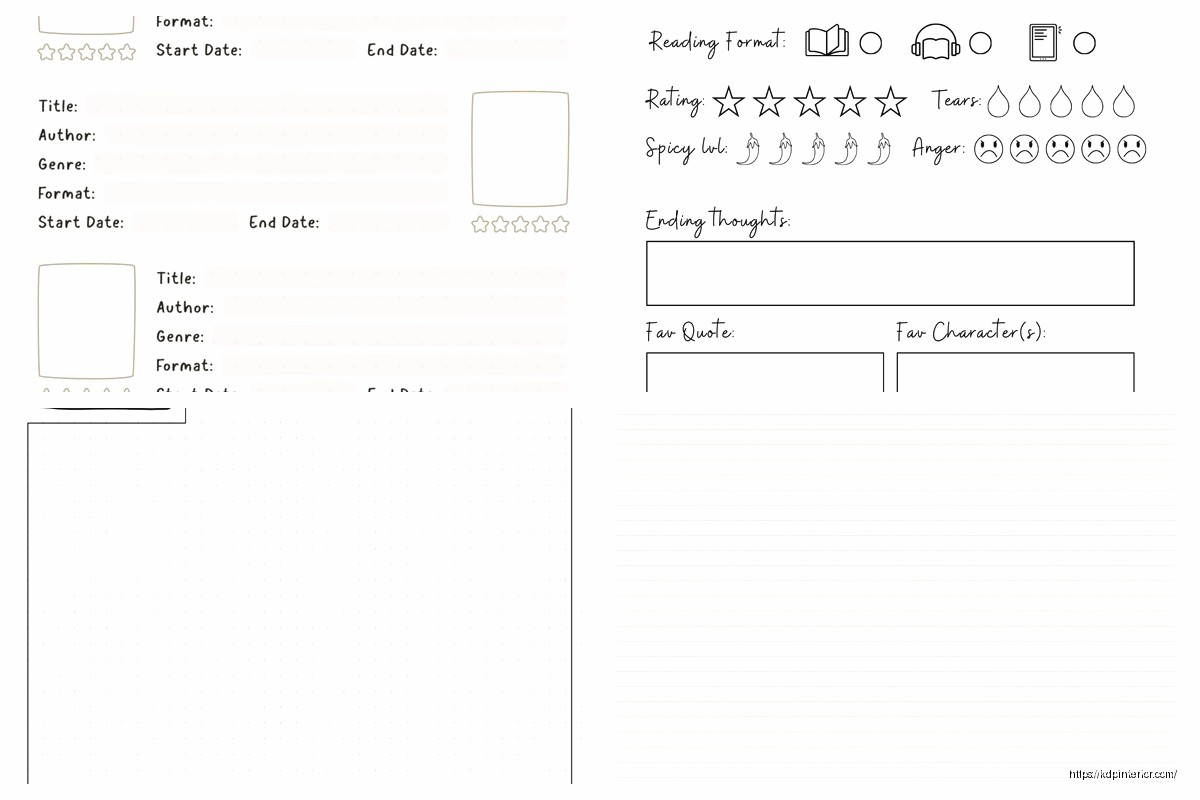
Look the whole point of a book notes template is you gotta be able to find stuff later right? Like I can’t tell you how many times I’ve read something brilliant and then six months later I’m like “where the hell did I see that thing about pricing psychology” and I’m scrolling through 47 different docs
So here’s the skeleton I use now and it’s dead simple:
- Book title + author (obviously)
- Date finished
- Overall rating or usefulness score
- Main takeaway in ONE sentence
- Chapter-by-chapter notes
- Action items section
- Quotes worth remembering
- Related books or resources
The one-sentence thing is crucial because future you is lazy. I learned this the hard way when I had these elaborate notes on like 80 books and could never remember what any of them were actually about without reading the whole summary again
The Header Info You Actually Need
At the top I just do something like this format and keep it consistent so I can search later:
Title: Whatever the book is called
Author: Their name
Finished: Month/Year (I don’t bother with exact dates anymore)
Genre/Category: Marketing, productivity, fiction, whatever
My Rating: I do 1-5 stars but honestly you could do thumbs up/down
Then the big one – One-Line Summary: This is where you force yourself to distill the entire book into something useful. Like for “The Mom Test” I wrote “stop asking people if your idea is good, ask about their actual behavior and problems instead”
That’s it. That one line has saved me so many times when I’m trying to remember if a book is relevant to whatever I’m working on
Why I Don’t Do Star Ratings Anymore Actually
Wait I just said I do 1-5 stars but I’m actually transitioning away from that because a book can be amazing but not relevant to me right now you know? So now I’m testing this thing where I rate on two axes – Quality (was it well-written) and Usefulness (did I get actionable stuff). A book can be 5-star quality but 2-star usefulness for my current projects and that’s fine
Chapter Notes That Don’t Suck
This is where most people go wrong including past me. You don’t need to summarize every damn chapter like you’re writing a book report for school
Here’s my current method and it’s so much faster:
For each chapter I only write down:
- The main concept (1-2 sentences max)
- Anything that made me think “oh shit I should do this”
- Examples or case studies that were actually memorable
If a chapter doesn’t have anything useful I literally just write “Ch 4 – filler content about background stuff” and move on. My cat jumped on my keyboard while I was doing this yesterday and honestly her contribution was about as useful as some of these chapters
Some chapters I’ll have like half a page of notes and others get one line. That’s fine. The point isn’t comprehensive coverage it’s capturing what matters
The Bullet Point Trap
okay so funny story – I used to do these nested bullet points that went like five levels deep and it was this beautiful organized mess that I never ever looked at again because it was too much work to parse
Now I keep it flat. Main points only. If something needs sub-points it gets max two levels:
Chapter 3 – Pricing Strategy
- Price anchoring works better than discounts for perceived value
- Example: The Williams-Sonoma bread maker thing where they introduced an expensive model to make the mid-tier look reasonable
- Action: Test this with my next book bundle pricing
See? Clean. Scannable. Future me can actually use this
Action Items Are The Whole Point
This section is non-negotiable and honestly if I’m reading a non-fiction book and I don’t have at least 2-3 action items then the book probably wasn’t worth my time
I keep a separate section at the bottom that’s just ACTION ITEMS in all caps because I want it to jump out when I’m reviewing notes
And here’s the key – make them specific enough that you can actually do them. Not “improve my marketing” but “create a comparison chart showing my planner vs competitors for Amazon listing”
I also put a checkbox next to each one. Yeah it’s basic but checking off boxes feels good and gives me a reason to come back to the notes
My action items from the last marketing book I read:
- [ ] Set up abandoned cart email sequence by end of month
- [ ] Test three different price points for next low-content book launch
- [ ] Research two competitor books in home organization niche
- [ ] Write down my customer avatar in detail (not just “busy moms”)
Three months later I’ve done two of these which honestly isn’t bad considering how many action items I collect
Quotes Section But Make It Useful
I used to copy like 20 quotes per book because everything seemed important while reading and then I never looked at them again
Now I limit myself to 3-5 quotes MAX and they have to meet one criteria: would I actually use this in my own writing or reference it in conversation?
Format is simple:
“The exact quote word for word” – Author Name, page number if you care about that
Then underneath each quote I add one line about WHY I saved it or where I might use it. Like:
“Make something 100 people love, not something 100,000 people kind of like”
Why I saved this: Reminder for when I’m tempted to make my books too generic trying to appeal to everyone
This context thing is huge because I’ve gone back to old quotes and been like “why did I save this?” and had no idea
Page Numbers Are Overrated
Unless you’re doing academic work or might need to cite something formally just skip the page numbers. I wasted so much time noting page numbers and literally never went back to check them. If I need the exact source I can just search the quote in the Kindle app or whatever
The Related Books Section That Actually Helps
At the bottom I keep a small section for related books or resources that either:
- The author mentioned and sounded useful
- I thought of while reading that cover similar topics
- Would be good to read next on this subject
This has accidentally created this cool web of connected knowledge where I can follow threads through different books on the same topic
Like my notes on copywriting books all reference each other now and I can see how different authors approach the same concepts differently
Format is just:
Related Reading:
- Book Title by Author – why it’s related
- Another Book – brief note
Digital vs Physical Notes
I’ve tried both and honestly it depends on the book. For Kindle books I highlight as I read and then later transfer the highlights into my template. For physical books I use sticky tabs on important pages and then go back through
The key is having ONE central place where all notes live. I use Google Docs because it’s searchable and accessible everywhere but Notion works too if you’re into that. Some people swear by Evernote but I found it too clunky
Whatever you use just make sure you can search across all your notes at once. This is a game changer when you’re trying to find that thing about email subject lines but you can’t remember which book it was in
The Hybrid Method I’m Testing Now
Wait I forgot to mention – lately I’ve been doing voice notes immediately after finishing a chapter while it’s fresh. Just talking through what I learned. Then I go back and transcribe the useful parts into my template
This sounds inefficient but it’s actually faster for me because I can ramble through a chapter in like 2 minutes versus 10 minutes of typing. Plus you catch different insights when you’re talking versus writing
The transcription step forces me to be selective about what makes it into the final notes
How Often To Actually Review These Notes
Here’s the thing nobody talks about – if you never review your notes they’re basically useless right? Like cool you have this archive of knowledge but it’s just sitting there
I set a recurring calendar reminder for the first Sunday of each month to review notes from books I read 3-6 months ago. Not all of them just whatever seems relevant to current projects
This review takes maybe 30 minutes and I’ll usually find 2-3 ideas I completely forgot about that are suddenly relevant to whatever I’m working on
Also before starting any new project I search through my notes for related topics. Starting a new book in a niche? Search notes for marketing books. Working on pricing? Search for pricing. You get the idea
The Template Format That Works
okay so here’s basically the exact template structure I use now and you can copy this:
— BOOK NOTES —
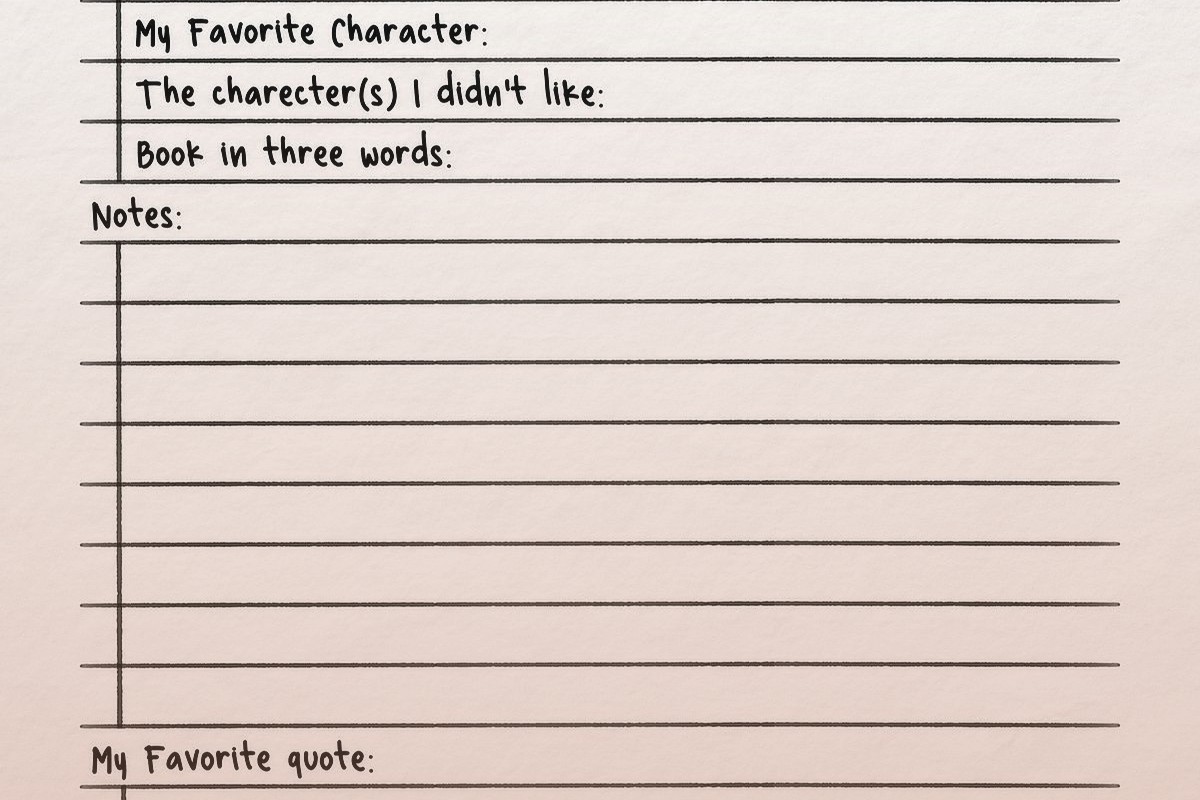
Title:
Author:
Finished:
Category:
Quality Rating:
Usefulness Rating:
ONE-LINE SUMMARY:
CHAPTER NOTES:
KEY QUOTES:
ACTION ITEMS:
RELATED READING:
That’s it. I keep a blank version of this saved and just duplicate it for each new book. Takes 2 seconds to set up
Mistakes I Made That You Can Skip
Don’t try to make your notes pretty with fancy formatting and colors and stuff unless that genuinely helps you retain info. I spent weeks setting up this elaborate color-coding system and then never maintained it
Don’t wait too long after finishing a book to write notes. I’ve tried the “I’ll do it later” approach and later never comes or I forget half of what mattered
Don’t feel obligated to finish taking notes on a book you’re not getting value from. If you’re 50 pages in and it’s not useful just write “abandoned – not relevant to current work” and move on. Your time is valuable
Don’t copy other people’s notes. I tried this with some popular books where people share their notes online and it doesn’t stick the same way. You gotta process it yourself
The 80/20 Of Book Notes
Real talk – 80% of the value from most non-fiction books comes from like 20% of the content. Your notes should reflect this. It’s okay if your notes for a 300-page book are only 2 pages
I had this mindset shift where I stopped trying to capture everything and started focusing on capturing what would actually change my behavior or improve my work
Some of my most useful book notes are literally just the one-line summary and three action items. That’s a perfectly good set of notes if that’s what you got from the book
The goal isn’t comprehensive documentation it’s useful reference material for future you who’s trying to solve actual problems
anyway that’s basically the system I’ve settled on after years of trying different approaches and it actually works because I use it which is the only metric that matters really

 Editable Canva Lined Journal: Express Your Thoughts - KDP Template
1 × $0.00
Editable Canva Lined Journal: Express Your Thoughts - KDP Template
1 × $0.00  Printable Blank Comic Book Pages PDF : Create Your Own Comics - 3 Available Sizes
1 × $0.00
Printable Blank Comic Book Pages PDF : Create Your Own Comics - 3 Available Sizes
1 × $0.00 
DISCOVER OUR FREE BEST SELLING PRODUCTS
Editable Canva Lined Journal: Express Your Thoughts – KDP Template
Lined Pages Journal 120 pages Ready to Upload PDF Commercial Use KDP Template 6×9 8.5×11 5×8 for Notebooks, Diaries, Low Content
Lined Pages Journal 120 pages Ready to Upload PDF Commercial Use KDP Template 6×9 8.5×11 5×8 for Notebooks, Diaries, Low Content
Cute Dogs Coloring Book for Kids | Activity Book | KDP Ready-To-Upload
Daily Planner Diary : Diary Planners for Everyday Productivity, 120 pages, 6×9 Size | Amazon KDP Interior
Wolf Coloring KDP interior For Adults, Used as Low Content Book, PDF Template Ready To Upload COMMERCIAL Use 8.5×11"
Coloring Animals Head Book for Kids, Perfect for ages 2-4, 4-8 | 8.5×11 PDF
Printable Blank Comic Book Pages PDF : Create Your Own Comics – 3 Available Sizes
Notes KDP interior Ready To Upload, Sizes 8.5×11 6×9 5×8 inch PDF FILE Used as Amazon KDP Paperback Low Content Book, journal, Notebook, Planner, COMMERCIAL Use
Black Lined Journal: 120 Pages of Black Lined Paper Perfect for Journaling, KDP Notebook Template – 6×9
Student Planner Journal 120 pages Ready to Upload PDF Commercial Use KDP Template 6×9" 8.5×11" for Low Content book
Recipe Journal Template – Editable Recipe Book Template, 120 Pages – Amazon KDP Interior