-
×
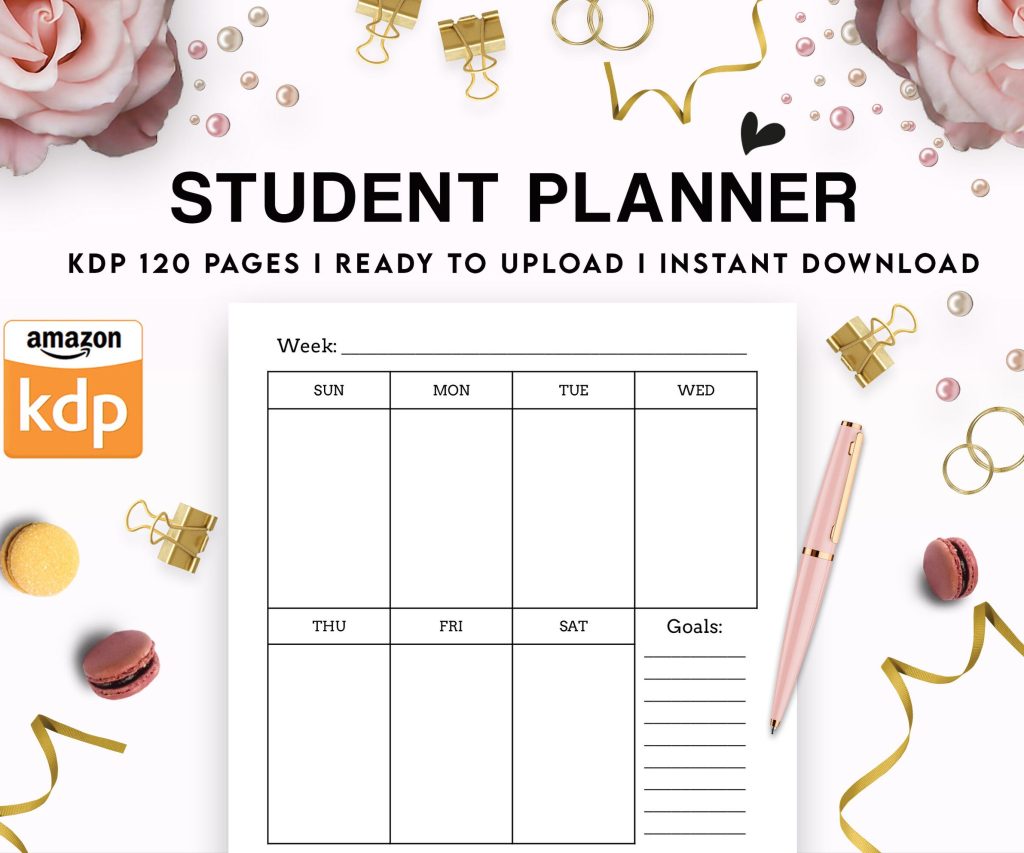 Student Planner Journal 120 pages Ready to Upload PDF Commercial Use KDP Template 6x9" 8.5x11" for Low Content book
1 × $0.00
Student Planner Journal 120 pages Ready to Upload PDF Commercial Use KDP Template 6x9" 8.5x11" for Low Content book
1 × $0.00
Subtotal: $0.00

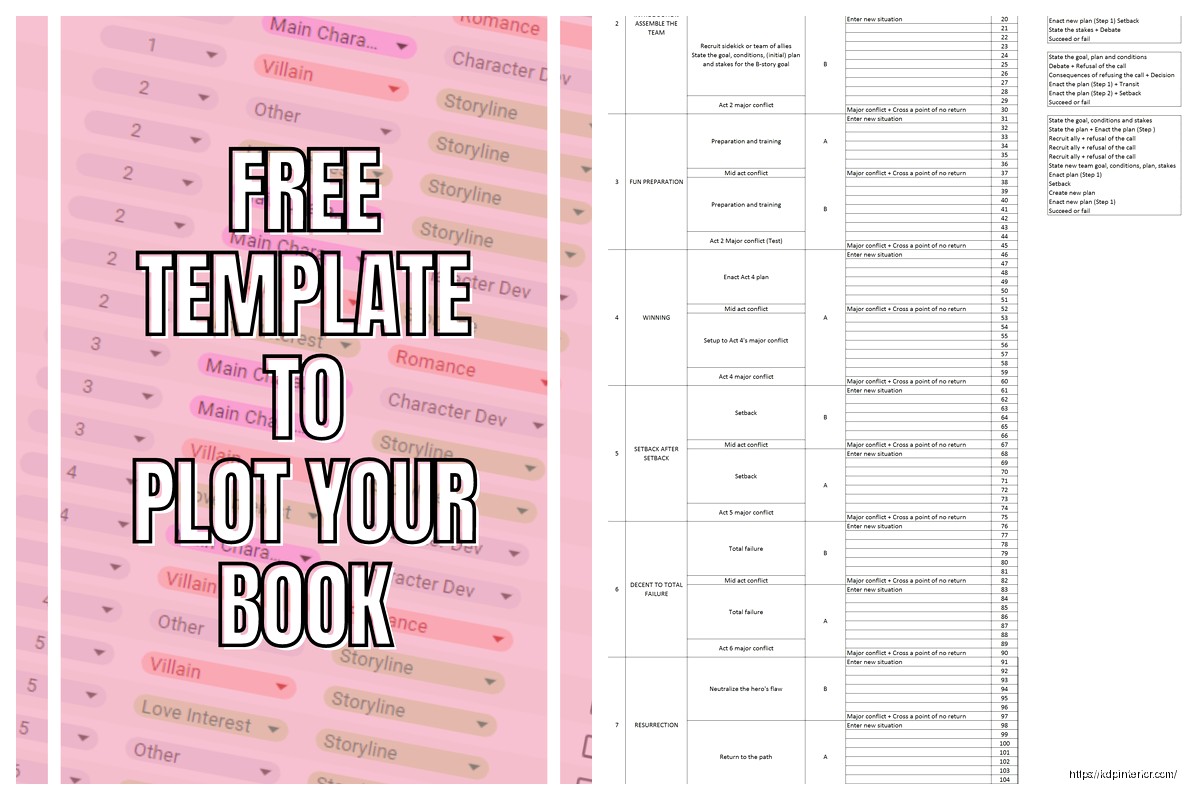
Okay so last month I was helping this author who had like three half-written manuscripts and couldn’t finish any of them, and I realized the problem wasn’t motivation or whatever… it was that she had zero structure to work from. Just writing into the void hoping something would stick.
Here’s the thing about plot templates – they’re not gonna kill your creativity like everyone freaks out about. They’re more like… scaffolding? You can still build whatever weird house you want, but at least you know where the support beams go.
So the three-act thing is everywhere for a reason. Act One is roughly 25% of your book, Act Two is about 50%, and Act Three wraps up the last 25%. I use this even for romance stuff where you’d think it wouldn’t apply, but it totally does.
Act One you’re basically setting up your character’s normal world and then disrupting it. The disruption happens around the 10-15% mark usually. Like in a thriller, that’s when the body drops or the conspiracy gets uncovered. In romance it’s when they meet the love interest or get forced into proximity or whatever.
Act Two is where most people die creatively, not gonna lie. It’s the longest section and you gotta maintain tension without being repetitive. I usually break it into two halves with a midpoint around 50% that changes the direction somehow. Like new information comes out, or an ally betrays them, or they fail spectacularly at something.
The end of Act Two around 75% is what screenplay people call “all is lost” moment and yeah that’s dramatic but it works. Your protagonist should be at their lowest point. Everything they tried failed. In my own books I literally have a note that says “make it worse here” because I always go too easy on my characters.
Oh and another thing – Blake Snyder’s Save the Cat beats are honestly perfect for KDP authors because they’re so specific about percentages. He has like 15 beats and tells you exactly where each should fall.
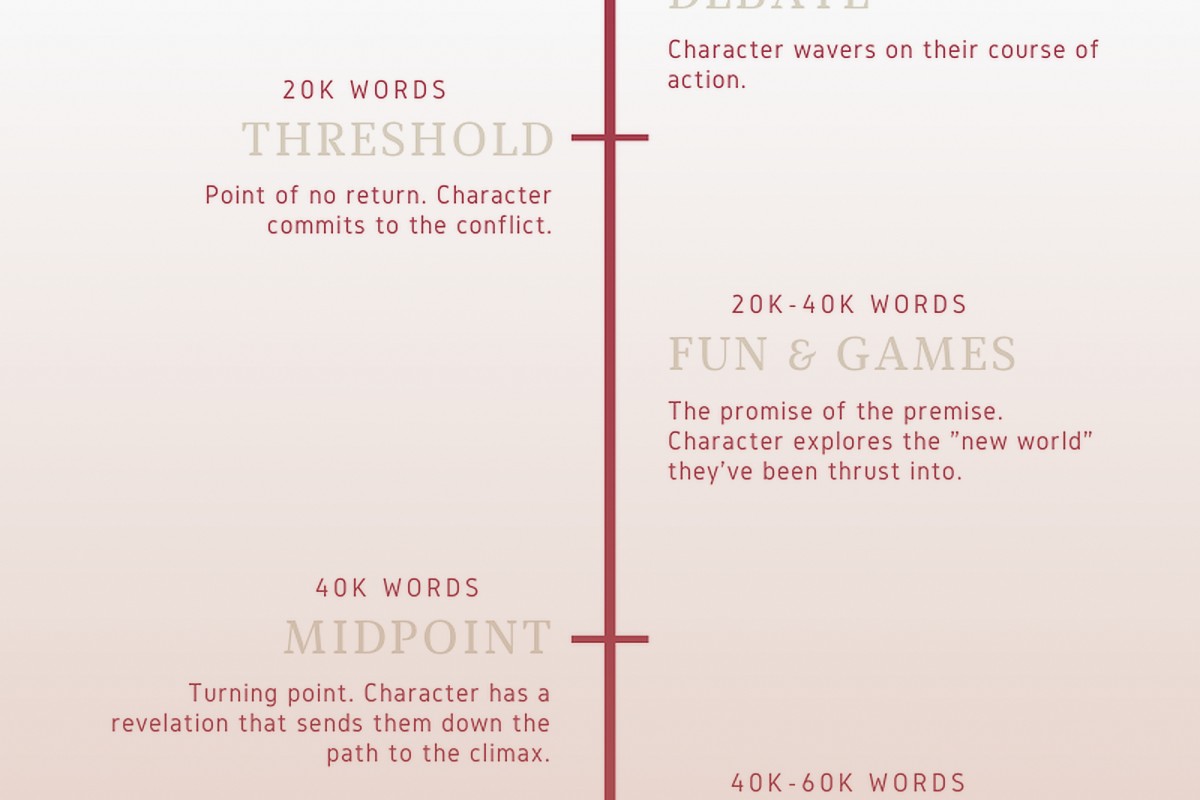
Opening Image, Theme Stated, Set-Up, Catalyst (that’s the inciting incident around 10%), Debate (where the character resists the call to adventure), Break into Two (end of Act One around 25%)… then you get into Fun and Games which is honestly my favorite part to write because it’s where you deliver on the premise promise.
Like if your book is about a woman who inherits a haunted bookstore, the Fun and Games section is where she’s actually dealing with ghosts and discovering magical books and all that stuff readers picked up the book for. Don’t bury your cool concept in setup for too long.
Midpoint hits at 50% and flips something. False victory or false defeat usually. Then you get Bad Guys Close In, All Is Lost at 75%, Dark Night of the Soul, and Break into Three leading to your finale.
I have this beat sheet printed out and I fill it in before I write anything substantial now. Saves me so much revision time it’s ridiculous.
Campbell’s hero’s journey is like… it’s a lot. Twelve stages and some of them feel redundant but for epic fantasy or adventure stories it maps out really well.
Your hero starts in the Ordinary World, gets a Call to Adventure, probably Refuses it initially (because characters who immediately say yes are boring), then meets a Mentor figure, Crosses the Threshold into the special world around 25%.
The middle sections are Tests Allies and Enemies, Approach to the Inmost Cave, then the Ordeal at the midpoint where they face their biggest fear or challenge. They get a Reward but then The Road Back starts and it gets worse before the Resurrection moment and they Return with the Elixir.
Honestly I don’t use all twelve beats religiously but knowing them helps. Like the mentor doesn’t have to be Gandalf or whatever, it can be a book the character finds or advice from a dead relative or even an enemy who accidentally teaches them something.
Wait I forgot to mention – you can combine frameworks. I do this all the time. I’ll use the three-act percentages but plug in Save the Cat beats where they fit and maybe borrow the hero’s journey mentor concept. They’re tools not religions.
Romance has its own logic that doesn’t always fit action-based structures perfectly. There’s this framework from Romancing the Beat by Gwen Hayes that’s actually really good.
You got the Meet Cute (first encounter), No Way (rejection of the relationship), The Hook (something forces them together), and then a bunch of relationship development beats building to the Black Moment where it all falls apart around 75%.
The key thing with romance structure is you need external plot AND internal character growth AND relationship development all escalating together. It’s honestly harder than people think. My cat knocked over my coffee while I was plotting out a romance last week and I realized the stain pattern on my notes actually looked like a better plot structure than what I’d written so… there’s that.
For spicy romance you gotta think about physical escalation too. First touch, first kiss, first intimate moment, etc. These should align with emotional beats. Like don’t have them sleeping together in chapter three if they haven’t resolved any emotional barriers yet unless you’re writing erotica where the emotional stuff develops after.
I usually map out both the emotional arc and the physical arc on the same timeline to make sure they’re supporting each other not contradicting.
This one’s simpler and honestly sometimes simpler is better when you’re just trying to finish a draft. Dan Wells popularized this version.
Hook – where you start
Plot Turn 1 – something changes (around 25%)
Pinch 1 – bad guys apply pressure
Midpoint – character moves from reactive to proactive
Pinch 2 – bad guys apply more pressure
Plot Turn 2 – character gets final piece they need
Resolution
The pinch points are what make this useful because a lot of writers forget to maintain antagonist pressure through the middle. Your villain or obstacle can’t just disappear for chapters at a time. The pinches remind you to check in with the opposition.
Okay so funny story, I used to pants everything (write by the seat of my pants, no planning) and my first three books took FOREVER and needed massive revisions. Now I spend like a week on structure before writing and my first drafts are so much cleaner.
Here’s my actual process: I start with a premise and character. Then I open a spreadsheet – yeah I know, spreadsheets for creativity sounds wrong but whatever works right? I put my target word count across the top and calculate the percentage markers.
For a 60,000 word novel that means:
10% = 6,000 words (inciting incident)
25% = 15,000 words (end of act one)
50% = 30,000 words (midpoint)
75% = 45,000 words (all is lost)
90% = 54,000 words (climax starts)
Then I fill in what happens at each beat using whichever framework fits the genre. For a thriller I lean heavy on Save the Cat. For fantasy I mix Hero’s Journey with three-act structure. For romance I use Romancing the Beat but check it against three-act percentages.
After I have the major beats I break each section into scenes. I use index cards (or Scrivener’s digital version because I’m not actually organized enough for physical cards). Each card gets:
– POV character
– Scene goal
– Conflict/obstacle
– Outcome/disaster
– Which beat it serves
This is gonna sound weird but I color-code them. Blue for main plot, pink for romance subplot, yellow for character development, green for worldbuilding. That way I can see if I have like eight worldbuilding scenes in a row with no plot advancement.
People treat the percentages like they’re exact science. They’re not. If your midpoint lands at 48% instead of 50% nobody’s gonna know or care. The percentages are guidelines so your pacing doesn’t get completely wonky.
Another thing – don’t make every beat a huge dramatic moment. Some beats are quiet. The “debate” section after the inciting incident can be internal contemplation. The mentor doesn’t have to appear with lightning and fanfare.
Also gotta mention – subplots need structure too. They should have their own beginning middle and end, and ideally the subplot climax happens just before or after the main plot climax to amplify the emotional impact. I usually have at least one subplot resolve right before the main climax so the protagonist has learned something or gained something they need for the final confrontation.
This helped me more than anything honestly. Take a book in your genre that you loved, figure out the word count, then go through and mark where the major beats happen. Calculate the percentages.
I did this with like fifteen bestselling thrillers and guess what? They almost all hit the same beats at the same percentages. The inciting incident was always between 10-15%. The midpoint twist was always within a few percentage points of 50%. It’s not coincidence, it’s structure that works.
You start seeing patterns. Like in psychological thrillers there’s almost always a “trust no one” moment around 60% where the protagonist realizes someone they relied on is suspect. In cozy mysteries the second murder usually happens around the midpoint.
Short stories and novellas need adjusted structures. For a 10,000 word novella you can’t spend 2,500 words on setup or readers will bounce. I usually do more like 15% setup, hit the midpoint around 40%, and stretch the climax section longer.
For epic fantasy over 120,000 words you might have multiple plot threads each with their own structure that weave together. That’s advanced level stuff but the same principles apply to each thread individually.
Oh and another thing – series structure is different than standalone. Each book needs its own complete arc but also advances the series arc. I usually have the book’s main plot resolve completely but the series plot advances one major beat per book. So book one might be the “ordinary world” of the series arc, book two crosses the threshold, etc.
The key thing I tell people is pick ONE framework to start with. Learn it inside and out. Write a whole book using it. Then you can experiment with combining or modifying, but trying to use everything at once just creates paralysis.
I’ve gotta wrap this up because I have a client call in ten minutes but honestly templates changed everything for me. I went from publishing maybe one book a year to three or four because I’m not wandering around lost in the middle anymore. Structure isn’t the enemy of creativity, it’s the thing that lets you actually finish what you start.
DISCOVER OUR FREE BEST SELLING PRODUCTS
Editable Canva Lined Journal: Express Your Thoughts – KDP Template
Lined Pages Journal 120 pages Ready to Upload PDF Commercial Use KDP Template 6×9 8.5×11 5×8 for Notebooks, Diaries, Low Content
Lined Pages Journal 120 pages Ready to Upload PDF Commercial Use KDP Template 6×9 8.5×11 5×8 for Notebooks, Diaries, Low Content
Cute Dogs Coloring Book for Kids | Activity Book | KDP Ready-To-Upload
Daily Planner Diary : Diary Planners for Everyday Productivity, 120 pages, 6×9 Size | Amazon KDP Interior
Wolf Coloring KDP interior For Adults, Used as Low Content Book, PDF Template Ready To Upload COMMERCIAL Use 8.5×11"
Coloring Animals Head Book for Kids, Perfect for ages 2-4, 4-8 | 8.5×11 PDF
Printable Blank Comic Book Pages PDF : Create Your Own Comics – 3 Available Sizes
Notes KDP interior Ready To Upload, Sizes 8.5×11 6×9 5×8 inch PDF FILE Used as Amazon KDP Paperback Low Content Book, journal, Notebook, Planner, COMMERCIAL Use
Black Lined Journal: 120 Pages of Black Lined Paper Perfect for Journaling, KDP Notebook Template – 6×9
Student Planner Journal 120 pages Ready to Upload PDF Commercial Use KDP Template 6×9" 8.5×11" for Low Content book
Recipe Journal Template – Editable Recipe Book Template, 120 Pages – Amazon KDP Interior