-
×
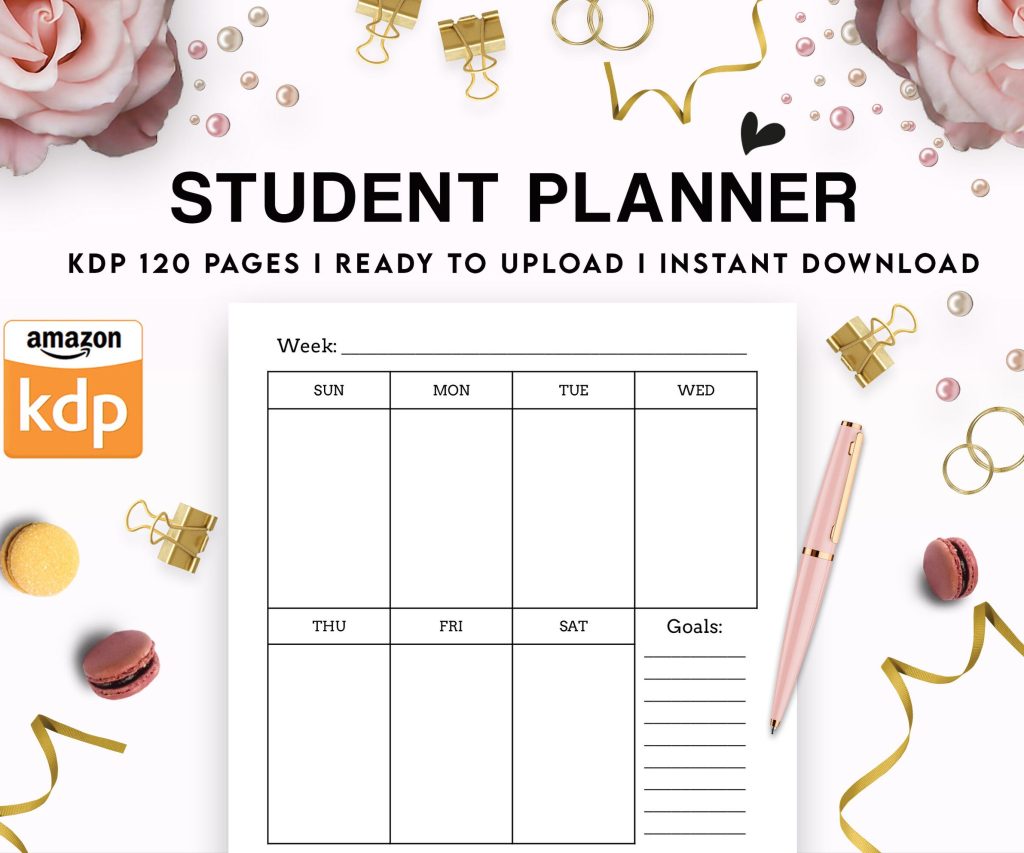 Student Planner Journal 120 pages Ready to Upload PDF Commercial Use KDP Template 6x9" 8.5x11" for Low Content book
1 × $0.00
Student Planner Journal 120 pages Ready to Upload PDF Commercial Use KDP Template 6x9" 8.5x11" for Low Content book
1 × $0.00
Subtotal: $0.00

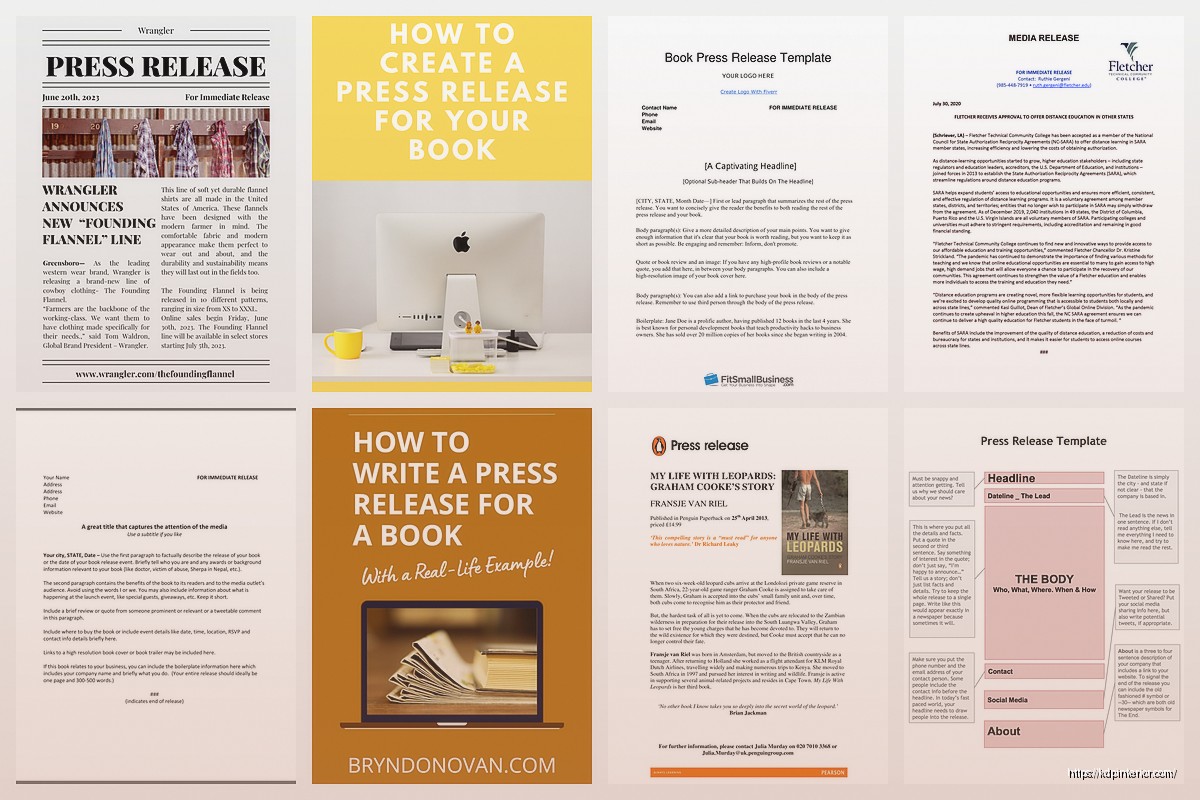
Okay so here’s the thing about press releases for book launches – most authors completely overthink them or they don’t do them at all which is honestly leaving money on the table because I’ve seen releases actually move the needle on sales if you do them right.
So a proper book press release follows this AP style format that sounds super formal but it’s actually not that hard once you get it. You need a headline that’s basically just stating what’s happening – like “Local Author Releases Thriller About Corporate Espionage” or whatever. Don’t try to be clever here, journalists literally scan these in like 3 seconds.
Then you need a dateline which is just the city and date – looks like this: NEW YORK, NY – March 15, 2024. Super simple but people forget it all the time.
The first paragraph is where you cram everything important. I mean EVERYTHING. Who, what, when, where, why. Like “Author Daniel Harper announces the release of his new mystery novel ‘The Last Protocol’ available March 20th through Amazon and major retailers, exploring themes of tech surveillance and personal privacy in modern society.” That’s not a great example but you get it – all the key info upfront because most people won’t read past paragraph one.
Second paragraph should be about the book itself. Plot summary without spoilers, who it’s for, why someone would care. I usually do like 3-4 sentences max here. “The Last Protocol follows cybersecurity expert Maya Chen as she uncovers a conspiracy within her own company. Perfect for fans of Michael Crichton and corporate thrillers with technical depth, the novel draws on Harper’s 15 years in the tech industry.”
Third paragraph is about YOU. This is where author bio stuff goes but make it relevant to the book. Don’t just list where you went to college unless that matters. “Harper previously worked as a network security consultant for Fortune 500 companies before transitioning to writing full-time in 2017. This is his fourth novel.” Something like that.
Oh and another thing – you gotta include a quote from yourself about the book. I know it feels weird quoting yourself but this is standard. Make it about why you wrote it or what you hope readers get from it. Keep it under 2 sentences. “I wanted to explore how much of our privacy we’ve already surrendered without realizing it,” says Harper. “The technology in this book isn’t science fiction – it exists right now.”
So availability details go next. Where can people actually buy this thing? Be specific with dates and formats. “The Last Protocol releases in paperback, hardcover, and ebook formats on March 20, 2024, through Amazon, Barnes & Noble, and independent bookstores. The audiobook narrated by John Smith releases April 1st.”
Then you need what’s called a boilerplate – it’s basically a company description but for authors it’s just a longer bio paragraph that stays the same across all your releases. I literally copy-paste mine every time. Goes at the end before contact info.
Contact information is critical and people put it in the wrong place all the time. It goes at the very end after everything else. Include your email, phone if you’re comfortable with that, and website. I use a separate email just for press stuff so my main inbox doesn’t get flooded.
Let me show you one I did last year that got picked up by like 6 local outlets and two podcast interview requests. This was for a cookbook I published which wasn’t even my main niche but whatever:
FOR IMMEDIATE RELEASE
Contact: Daniel Harper
Email: press@danielharperbooks.com
Phone: (555) 123-4567Weekend Baker Releases Cookbook Focused on Single-Serving Desserts
PORTLAND, OR – November 3, 2023 – Author and baking enthusiast Daniel Harper announces the release of “Just One Bite: 100 Single-Serving Dessert Recipes for Solo Living,” available November 10th through Amazon and major book retailers.
The cookbook addresses a growing need among single-person households and those wanting portion control without sacrificing homemade desserts. Each recipe is designed to make one serving in under 30 minutes using standard kitchen equipment.
“After living alone for several years, I got tired of either eating an entire cake or not baking at all,” says Harper. “These recipes let you have fresh brownies on a Tuesday night without meal-prepping desserts for a week.”
Harper has published over 200 titles on Amazon KDP since 2017, focusing on practical guides and low-content books. This is his first full cookbook, developed over two years of testing in his Portland apartment kitchen.
The cookbook includes recipes for cakes, cookies, pies, and frozen desserts, all scaled for one person. Categories are organized by preparation time, with options for microwave, oven, and no-bake methods.
“Just One Bite” releases in paperback and ebook formats on November 10, 2023. The paperback retails for $16.99 and the ebook for $9.99, available through Amazon, Barnes & Noble, and independent bookstores.
That’s basically the template right there. Nothing fancy but it hit all the marks.
Okay so writing it is one thing but where do you actually send this? Because just posting it on your website doesn’t do anything.
I use a mix of free and paid distribution. PRLog and 24-7 Press Release are free services – they’re not gonna get you in the New York Times but they get your release indexed by Google and picked up by aggregators. Takes like 10 minutes to submit.
For paid I’ve used PRWeb a few times when I really wanted to push something. It’s like $99-$400 depending on the package. The mid-tier one around $180 has been worth it for me on bigger launches. Gets you into actual journalist databases.
But honestly? The manual approach works better for local coverage. I literally make a spreadsheet of local papers, radio stations, book bloggers, and podcasts in my area. Then I email them directly with the press release attached as a PDF and also pasted in the email body. Personalize the first sentence or two – mention something specific about their outlet.
Wait I forgot to mention – timing matters way more than people think. Send your release 2-3 weeks before launch date. Journalists need lead time. I learned this the hard way when I sent one the day before release and got zero response because their publication schedules were already locked.
Use a standard font – Times New Roman or Arial, 12pt. Single-spaced but double space between paragraphs. This isn’t creative writing, it’s a business document.
“FOR IMMEDIATE RELEASE” goes at the top in all caps. If you’re sending it early but want them to wait, you can put “FOR RELEASE ON [DATE]” instead but honestly I never do embargo releases for books, there’s no point.
Keep it to one page if possible, two max. Nobody’s reading a 4-page press release for a book launch unless you’re Stephen King.
Include “###” or “-30-” at the very end after your contact info. It’s an old journalism thing that signals the end of the release. Some people skip it now but I still do it because older journalists expect it.
Oh and this is gonna sound weird but – print it out and read it on paper before sending. I catch way more errors that way than staring at a screen. Something about the format change makes typos jump out.
So after doing this for like 50+ book launches here’s what I’ve noticed actually matters:
Local angles work. If your book is set in your city or you’re a local author, that’s your hook for local media. They care way more about that than your book’s genre.
Unique angles work. “Another fantasy novel releases” gets ignored. “Combat veteran writes fantasy series drawing on deployment experiences” gets attention. Find what makes your book or your story different.
Timing around events works. Release a book about productivity in January when everyone’s doing New Year’s resolutions? That’s strategic. My dog literally interrupted me like 5 times while I was testing this approach last January and I still got 3 podcast bookings from it.
Including compelling data works. “Studies show 36% of US households are single-person” is more interesting than just saying “this is for people who live alone.” Back up your claims.
People write press releases like ad copy. Don’t do that. It should read like a news article about your book, not a sales pitch. No hype language, no exclamation points everywhere.
They forget the ISBN and other book details. Include your ISBN, page count, publisher name (even if it’s your own imprint), price points. Make it easy for bookstores and libraries to order.
They make it about themselves instead of the reader/news outlet. Frame everything around “why should readers care” not “I’m so proud of this accomplishment.” Save that for your blog.
Sending without a media kit. At minimum have a hi-res book cover image, author photo, and longer bio available. Link to these in your release or attach them. I keep mine on Dropbox and just include a link.
Gonna be real with you – most press releases get ignored initially. That’s normal. Wait one week then follow up with outlets you specifically targeted. Keep it brief: “Just following up on the press release I sent about [book title]. Would you be interested in an interview or review copy?”
Offer review copies to legitimate reviewers. NetGalley is the professional way to do this but it costs money. I usually just directly email book bloggers and podcasters offering a free ebook copy in exchange for an honest review.
Track everything. I use a simple spreadsheet with outlet name, contact person, date sent, response, and outcome. Sounds tedious but it helps you figure out what’s working and who to prioritize next time.
If someone does cover your book, thank them and share it on your social media. Tag them. They’re more likely to cover your next book if you showed appreciation.
The whole press release thing isn’t gonna magically make your book a bestseller but it’s part of a bigger launch strategy. Combined with AMS ads, social media, email list, and everything else, it adds up. I’ve had releases directly lead to speaking gigs and consulting work too, so the benefits aren’t always immediate book sales.
Just don’t expect miracles and don’t skip it entirely because you think it’s old-school. Traditional media still matters, especially for building author credibility long-term.
DISCOVER OUR FREE BEST SELLING PRODUCTS
Editable Canva Lined Journal: Express Your Thoughts – KDP Template
Lined Pages Journal 120 pages Ready to Upload PDF Commercial Use KDP Template 6×9 8.5×11 5×8 for Notebooks, Diaries, Low Content
Lined Pages Journal 120 pages Ready to Upload PDF Commercial Use KDP Template 6×9 8.5×11 5×8 for Notebooks, Diaries, Low Content
Cute Dogs Coloring Book for Kids | Activity Book | KDP Ready-To-Upload
Daily Planner Diary : Diary Planners for Everyday Productivity, 120 pages, 6×9 Size | Amazon KDP Interior
Wolf Coloring KDP interior For Adults, Used as Low Content Book, PDF Template Ready To Upload COMMERCIAL Use 8.5×11"
Coloring Animals Head Book for Kids, Perfect for ages 2-4, 4-8 | 8.5×11 PDF
Printable Blank Comic Book Pages PDF : Create Your Own Comics – 3 Available Sizes
Notes KDP interior Ready To Upload, Sizes 8.5×11 6×9 5×8 inch PDF FILE Used as Amazon KDP Paperback Low Content Book, journal, Notebook, Planner, COMMERCIAL Use
Black Lined Journal: 120 Pages of Black Lined Paper Perfect for Journaling, KDP Notebook Template – 6×9
Student Planner Journal 120 pages Ready to Upload PDF Commercial Use KDP Template 6×9" 8.5×11" for Low Content book
Recipe Journal Template – Editable Recipe Book Template, 120 Pages – Amazon KDP Interior