-
×
 Black Lined Journal: 120 Pages of Black Lined Paper Perfect for Journaling, KDP Notebook Template - 6×9
1 × $0.00
Black Lined Journal: 120 Pages of Black Lined Paper Perfect for Journaling, KDP Notebook Template - 6×9
1 × $0.00
Subtotal: $0.00
 Black Lined Journal: 120 Pages of Black Lined Paper Perfect for Journaling, KDP Notebook Template - 6×9
1 × $0.00
Black Lined Journal: 120 Pages of Black Lined Paper Perfect for Journaling, KDP Notebook Template - 6×9
1 × $0.00 Subtotal: $0.00
Okay so here’s the thing about book proposals for traditional publishing – they’re nothing like what you’d submit to Amazon KDP and honestly the first time I tried writing one I completely bombed it because I thought “oh I’ll just whip up a quick overview” and that’s… not how this works at all.
So traditional publishers want this whole package deal before they’ll even consider your manuscript. We’re talking like 30-50 pages of detailed breakdown about your book, yourself, the market, everything. It’s basically a business plan for your book and yeah it feels excessive but they’re investing real money in you so they need to know it’s worth it.
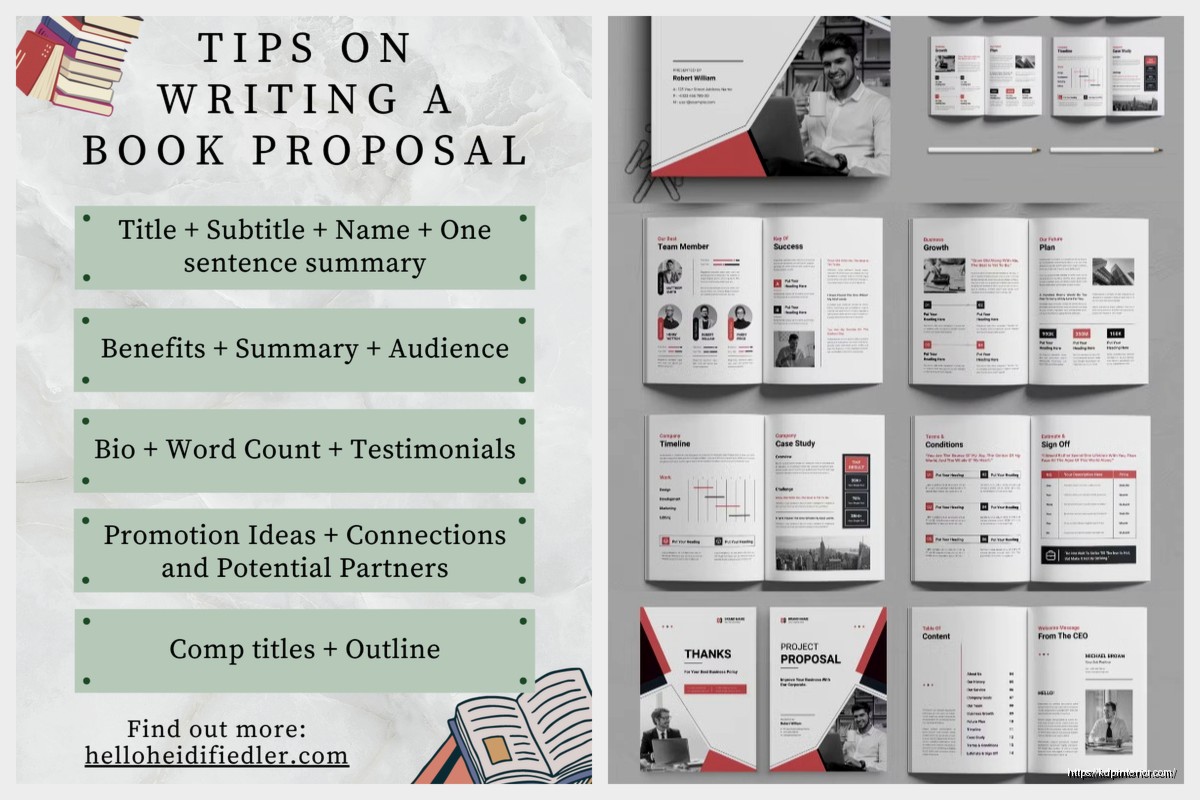
The main sections you gotta include:
And you need ALL of these. Can’t skip any of them even if you think your book idea is so good it speaks for itself because… it doesn’t.
This is where you hook them immediately. Start with the most compelling angle of your book – not what it’s about exactly but why it MATTERS right now.
Here’s what I mean. Bad overview opening: “My book is about the history of coffee in America from 1800-present.”
Better overview opening: “Americans drink 400 million cups of coffee daily, yet 73% can’t name a single coffee origin beyond ‘Colombia’ – and this knowledge gap is costing small farmers billions while corporate roasters profit from consumer ignorance. BEAN COUNTERS tells the untold story of how American coffee culture was deliberately engineered to prioritize convenience over quality, and how modern consumers are finally fighting back.”
See the difference? The second one immediately gives them stakes, relevance, a controversy, and positions your book as timely. Publishers eat that up.
Your overview should also include your book’s unique angle, approximate word count (usually 50k-80k for most nonfiction), and a brief statement about why you’re the person to write it.
Okay so I learned this the hard way – your author bio for traditional publishing needs to focus on CREDENTIALS not personality. When I write my Amazon book descriptions I’m all casual and relatable but here? Nah, you’re listing every relevant qualification you have.
My dog just knocked over my water bottle all over my notes but anyway—
Include things like:
And be specific with numbers. Don’t say “active social media presence” – say “Instagram following of 12,000 engaged followers in the wellness space with average post engagement of 4.2%.”
Publishers care about platform because it means you can actually sell books. I’ve seen mediocre book ideas get deals because the author had a massive platform, and brilliant books get rejected because the author had zero audience.
This is gonna sound harsh but if you have under 5,000 people on your email list or social media combined, traditional publishing is gonna be really tough unless your credentials are absolutely stellar or your book idea is incredibly timely and unique. They want authors who can move units on their own.
Here’s where you prove there’s actually a market for your book. You need to get specific about who will buy this.
Bad example: “My book appeals to anyone interested in personal growth and self-improvement.”
That’s way too broad. Publishers will immediately think you don’t understand your market.
Better example: “The primary audience for MINDFUL MONEY is women aged 28-45 with household incomes of $75k+ who are already interested in personal finance but feel alienated by bro-culture investing advice. This demographic represents 18.3 million American women (Source: Pew Research 2023) and spent $127 million on finance books in 2023 (Source: NPD Bookscan). Secondary audiences include financial advisors seeking resources for female clients and book clubs focused on practical nonfiction.”
You’re showing you’ve done actual research and understand market size. Use real data sources whenever possible.
This section used to confuse me because I thought “wait, don’t I want to say my book is totally unique?” but no – you actually want to show there ARE successful comparable books because that proves there’s a market.
List 5-8 recent books (published within last 3-5 years ideally) that are similar to yours. For each one include:
The key is showing “books like mine sell well, BUT here’s the gap in the market my book fills.”
Real example format:
ATOMIC HABITS by James Clear (Avery, 2018) – Sold over 5 million copies focusing on small behavioral changes for habit formation. Like ATOMIC HABITS, my book emphasizes incremental change, but where Clear focuses on individual productivity, MINDFUL MONEY specifically addresses financial behaviors and includes interactive worksheets and community accountability frameworks that Clear’s book lacks.
Oh and another thing – this section is probably THE most important after your actual book content. Publishers want to know you’re gonna hustle.
Break this down into:
List everything with current numbers:
Be specific about what YOU will do to promote:
I literally wrote out a month-by-month promotion timeline for my proposal and I think that helped because it showed I was serious and had thought it through.
This needs to be detailed. Like really detailed. Each chapter should have:
Don’t just list “Chapter 1: Introduction” – that tells them nothing.
Better format:
Chapter 1: The Convenience Conspiracy – How American Coffee Lost Its Soul
This opening chapter traces the deliberate engineering of American coffee culture from the 1950s through the 1990s, when major corporations like Folgers and Maxwell House prioritized shelf stability and profit margins over flavor and farmer welfare. Through interviews with former industry executives and newly uncovered internal documents, I reveal the marketing strategies that convinced Americans that coffee should be cheap, convenient, and unremarkable.
The chapter introduces readers to three small-scale farmers whose families lost their land during this period, providing human context to the larger economic forces at play. It ends with the first stirrings of the specialty coffee movement in Seattle, setting up the tension between corporate convenience and artisanal quality that drives the rest of the book.
Key takeaway: The “bad coffee” Americans drink isn’t an accident – it’s the result of deliberate corporate decisions that prioritized profits over quality and farmer welfare.
See how that gives them a real sense of what’s in the chapter and why it matters?
You typically need 2-3 complete, polished sample chapters. These should be your BEST chapters – usually Chapter 1 and then maybe Chapter 3 or 4 to show you can sustain the quality.
These need to be publication-ready. Not first draft, not “mostly done” – actually polished and edited. I hired an editor just for my sample chapters because I knew they had to be perfect.
Format them professionally:
Okay so funny story – I spent weeks perfecting my proposal and then my agent told me to completely rewrite the overview because I buried the lead. Apparently I waited until page 2 to mention the most compelling part of my book idea and she was like “that needs to be sentence one.”
So here’s what I learned:
Lead with your strongest material. Don’t save the best stuff for later thinking you’re building suspense. Publishers read dozens of these. Hook them immediately or they stop reading.
Be realistic about timeline. If you haven’t written the book yet, say how long it’ll take. Usually 9-12 months is reasonable for a nonfiction book.
Don’t trash other books. When comparing your book to competitors, be respectful. Say what they do well, then explain what yours adds. Publishers talk to each other and that industry is smaller than you think.
Update your proposal regularly. If you’re shopping it around and getting rejections, update your platform numbers every few months. A growing platform can change a no to a yes.
This is gonna sound weird but keep your proposal between 35-50 pages total. Much shorter and it seems like you haven’t thought it through. Much longer and you’re wasting their time. I’ve seen people submit 80-page proposals and agents literally told them it was too much.
Since I mostly do KDP stuff, the biggest shift for me was that traditional publishers want to see you’ve thought through EVERYTHING before you write the book. With self-publishing I can just write the book and figure out marketing later. Traditional wants the entire business case upfront.
Also the timeline is completely different. A proposal might take you 2-3 months to write properly. Then finding an agent could take 6-12 months. Then selling to a publisher another 3-6 months. Then the book doesn’t come out for another 12-18 months after that. We’re talking years from proposal to bookstore.
But the advance and the distribution and the credibility can be worth it if that’s your goal. Just gotta know what you’re signing up for.
The formatting matters way more than I expected too. Make it look professional and clean. No fancy fonts, no weird spacing, just straightforward and readable.
DISCOVER OUR FREE BEST SELLING PRODUCTS
Editable Canva Lined Journal: Express Your Thoughts – KDP Template
Lined Pages Journal 120 pages Ready to Upload PDF Commercial Use KDP Template 6×9 8.5×11 5×8 for Notebooks, Diaries, Low Content
Lined Pages Journal 120 pages Ready to Upload PDF Commercial Use KDP Template 6×9 8.5×11 5×8 for Notebooks, Diaries, Low Content
Cute Dogs Coloring Book for Kids | Activity Book | KDP Ready-To-Upload
Daily Planner Diary : Diary Planners for Everyday Productivity, 120 pages, 6×9 Size | Amazon KDP Interior
Wolf Coloring KDP interior For Adults, Used as Low Content Book, PDF Template Ready To Upload COMMERCIAL Use 8.5×11"
Coloring Animals Head Book for Kids, Perfect for ages 2-4, 4-8 | 8.5×11 PDF
Printable Blank Comic Book Pages PDF : Create Your Own Comics – 3 Available Sizes
Notes KDP interior Ready To Upload, Sizes 8.5×11 6×9 5×8 inch PDF FILE Used as Amazon KDP Paperback Low Content Book, journal, Notebook, Planner, COMMERCIAL Use
Black Lined Journal: 120 Pages of Black Lined Paper Perfect for Journaling, KDP Notebook Template – 6×9
Student Planner Journal 120 pages Ready to Upload PDF Commercial Use KDP Template 6×9" 8.5×11" for Low Content book
Recipe Journal Template – Editable Recipe Book Template, 120 Pages – Amazon KDP Interior