Okay so here’s the thing about book proposals – they’re basically your entire pitch package to traditional publishers and if you mess this up, you’re not getting a book deal, period. I spent like three weeks last month helping a client revise theirs because they’d completely missed the standard format and yeah, it matters more than you think.
The Overview Section Is Where Most People Screw Up
Start with your overview, which is basically a one-page summary of what your book is about and why anyone should care. This isn’t the place to be cute or mysterious – publishers are reading like 50 of these a week and they want the facts. You need to explain your book’s premise, who it’s for, and why it’s gonna sell. I always tell people to think of it like a really good elevator pitch but expanded to about 300-500 words.
The mistake everyone makes here is being too vague. “This book will change how people think about productivity” – okay cool but HOW. Get specific. What’s your unique angle? What makes this different from the 8,000 other productivity books already on shelves?
Oh and another thing – mention comparable titles right in the overview. Like “This combines the narrative approach of Atomic Habits with the scientific rigor of Why We Sleep” or whatever. Publishers love comps because it helps them figure out where your book sits in the market.
About the Author and Why You Actually Matter
This section is weird because you gotta sell yourself without sounding like a complete narcissist. Publishers want to know you have the credibility to write this book AND that you can help market it.
Include your relevant credentials – degrees, work experience, media appearances, whatever makes you the right person for THIS specific book. But also include your platform numbers. How many email subscribers? Social media followers? Do you speak at conferences? Have a podcast?
I worked with this author last year who had like 50 followers on Twitter and was worried their proposal would get rejected just for that. But they had spoken at 30 industry conferences and had relationships with major publications. That’s a platform. Don’t get hung up on just social media numbers if you have other ways to reach readers.
Wait I forgot to mention – keep this to 1-2 pages max. Nobody needs your entire life story.
The Market Analysis Part Nobody Wants to Write
This is honestly where I see the most proposals fall apart. You need a whole section explaining who’s gonna buy this book and why the market needs it right now. Publishers are businesses – they need to see there’s an audience with money who will actually purchase this thing.
Break down your target audience demographics. Not just “women 25-45” but like… what do they do for work? What problems keep them up at night? Where do they hang out online? What other books do they buy?
Then you gotta do competitive analysis which sounds fancy but really you’re just finding 5-7 books similar to yours and explaining how yours is different or better. Don’t trash other books though – that looks petty. Instead focus on the gap your book fills. “While Book X focuses on theory, my book provides actionable frameworks” or whatever.
My dog was barking during a client call about this exact section yesterday and I realized the author was basically just listing competitors without explaining the differentiation. That’s not helpful to publishers. They can google comparable books themselves. Your job is showing them the white space.
Marketing and Promotion Strategy
Publishers want to see you have a plan for selling books beyond just “I’ll post on Instagram.” You need concrete marketing strategies you’re actually gonna execute.
List out stuff like:
- Your email list size and engagement rates
- Speaking opportunities you already have lined up
- Media contacts who’ve covered your work before
- Corporate training programs or workshops you offer
- Partnerships with organizations that could bulk-buy
- Any courses or products that complement the book
And here’s something that’s gonna sound weird but publishers LOVE this – if you have a budget set aside for marketing. Like if you can say “I’m prepared to invest $10,000 in a book launch campaign” that shows you’re serious and takes pressure off their marketing department.
The Chapter Outline Is Make or Break
Okay so this is probably the most important part after the overview. You need a detailed outline of every single chapter – not just titles but actual summaries of what each chapter will cover.
For nonfiction this is usually like 10-15 chapters. Each chapter summary should be 150-300 words explaining the key points, stories you’ll include, research you’ll reference, and how it connects to the overall book arc.
I spent like four hours last week revising a chapter outline where the author had just written one sentence per chapter. That’s not enough. Publishers need to see you’ve actually thought through the entire book structure and that it flows logically.
Sample Chapters That Actually Demonstrate Your Voice
You gotta include 1-3 complete sample chapters, usually including the introduction and first chapter at minimum. These need to be POLISHED. Not first draft garbage. Publishers are evaluating your writing ability here.
The intro should hook readers and clearly establish what the book is about and why they should care. First chapter should deliver on that promise and showcase your voice and approach.
Some publishers want consecutive chapters, others are fine with you including whatever chapters you think are strongest. Check submission guidelines because this varies.
The Specs and Estimated Timeline
Include basic book specs like estimated word count (most nonfiction is 50,000-80,000 words), how long you need to write it if you don’t have a complete manuscript, and any special elements like illustrations, photographs, worksheets, or appendices.
Be realistic with timelines. Don’t say you can write 70,000 words in two months unless you’re actually capable of that. Most publishers expect 6-12 months for a complete manuscript after contract signing.
Oh and mention if you need to do extensive research or interviews – that affects the timeline and they need to know upfront.
Format and Presentation Details That Matter More Than You Think
Your proposal should be formatted professionally – I’m talking standard fonts like Times New Roman or Arial, 12-point, double-spaced for sample chapters. Single-spaced is usually fine for the proposal sections themselves.
Include a table of contents at the beginning so editors can navigate easily. Number your pages. Use headers with your name and book title.
The whole package is usually 30-50 pages total but I’ve seen successful proposals at both ends of that range. Quality matters more than hitting some magic number.
Save it as a PDF before submitting unless guidelines specifically request Word docs. PDFs preserve formatting and look more professional.
Things People Always Forget to Include
There’s always random stuff that gets left out and then the publisher has to follow up asking for it which wastes everyone’s time. Make sure you’ve got:
- Your contact information on the title page
- Word count estimates that are realistic
- A brief mention of subsidiary rights potential – foreign translations, audio, film/TV if relevant
- Any endorsements or testimonials you’ve already secured
- Awards or recognition you’ve received that’s relevant
This is gonna sound weird but I always recommend having someone outside your industry read your proposal. If they can understand what your book is about and why it matters, you’re probably on the right track. If they’re confused, simplify.
The Agent Question Nobody Wants to Deal With
Real talk – most major publishers won’t even look at unsolicited proposals. You need an agent. I know that’s annoying but it’s reality for traditional publishing.
Your proposal is actually what you use to pitch agents first. They’ll help you refine it before submitting to publishers. So everything I’m telling you applies to querying agents too.
When you’re querying agents, you usually send a query letter first (which is like a 1-page summary), then they request the full proposal if interested. Don’t send your entire 40-page proposal unsolicited – nobody wants that in their inbox.
Common Mistakes I See Literally All the Time
People write their proposals like they’re writing the actual book. The proposal is a sales document, not a manuscript sample except for those specific sample chapters. Keep the proposal sections clear, concise, and focused on convincing publishers this book will sell.
Another huge mistake – being too attached to your original vision. If multiple agents or publishers give you similar feedback, listen to it. I had a client who refused to adjust their target audience definition and got rejected 15 times before finally revising.
Also don’t undersell your platform just because you think it’s not big enough. Whatever connections and reach you have, include it. Publishers can work with what you’ve got but they need to know what it is.
And please proofread the thing multiple times. Typos in a book proposal are basically telling publishers you don’t care about details or quality. Not a good look when you’re asking them to invest in your book.
The whole process is honestly exhausting and takes way longer than you think, but a solid proposal is your only shot at traditional publishing so it’s worth getting right the first time.


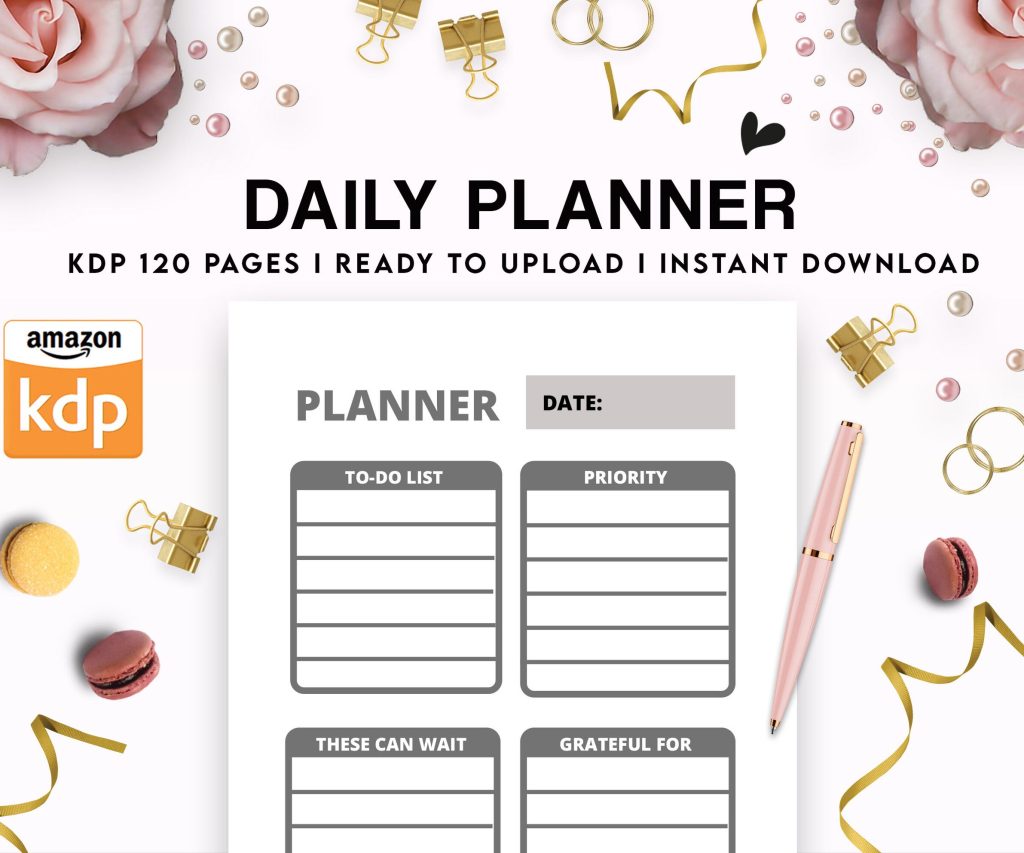 Daily Planner Diary : Diary Planners for Everyday Productivity, 120 pages, 6×9 Size | Amazon KDP Interior
1 × $0.00
Daily Planner Diary : Diary Planners for Everyday Productivity, 120 pages, 6×9 Size | Amazon KDP Interior
1 × $0.00 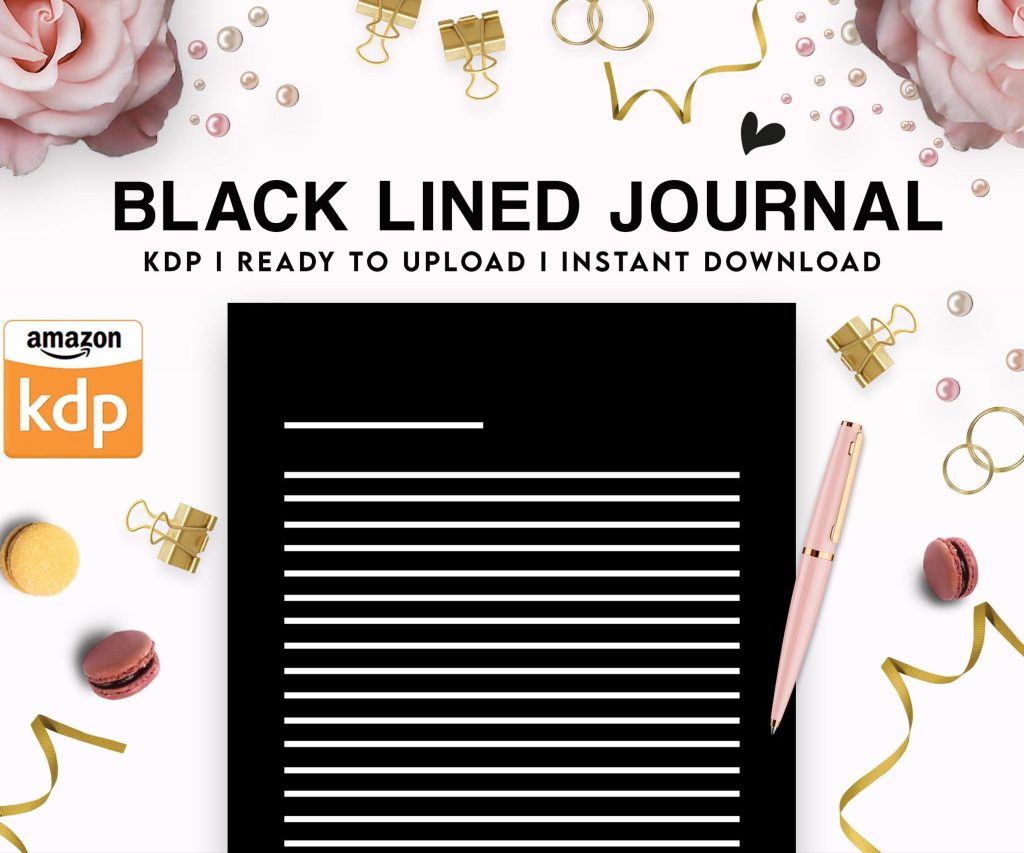 Black Lined Journal: 120 Pages of Black Lined Paper Perfect for Journaling, KDP Notebook Template - 6×9
1 × $0.00
Black Lined Journal: 120 Pages of Black Lined Paper Perfect for Journaling, KDP Notebook Template - 6×9
1 × $0.00 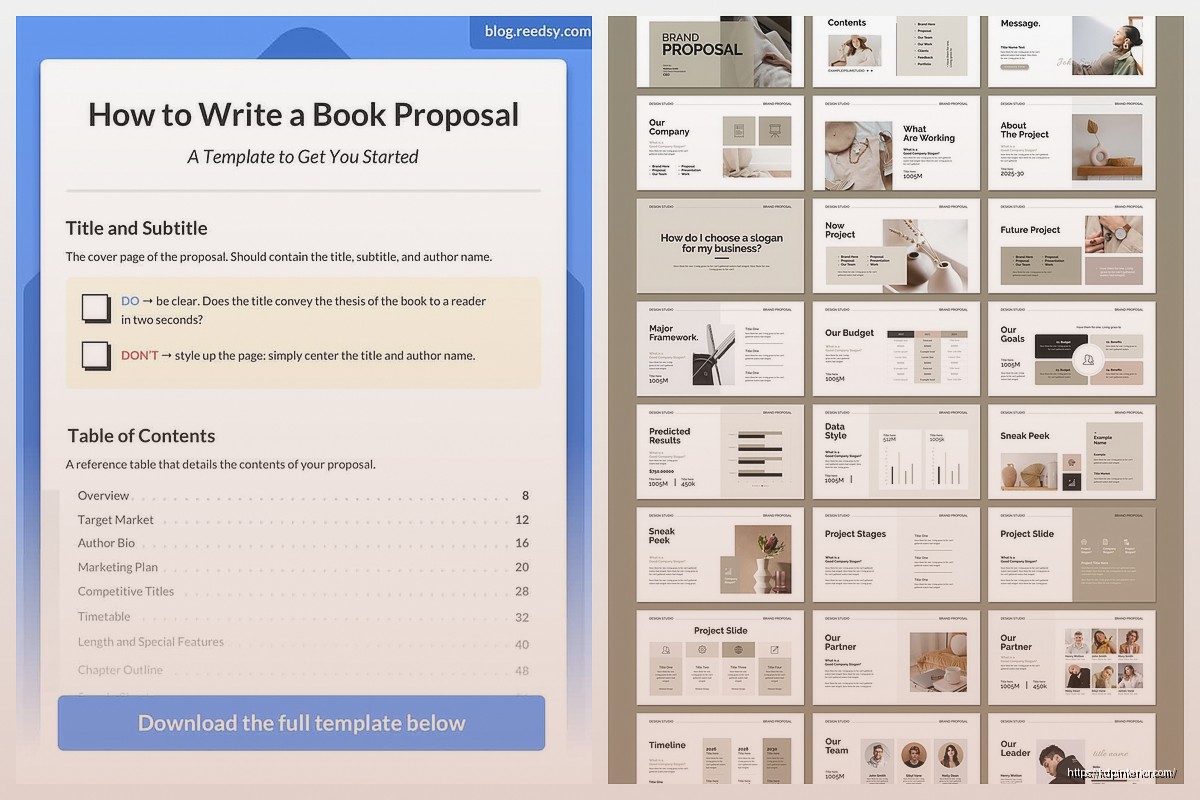
DISCOVER OUR FREE BEST SELLING PRODUCTS
Editable Canva Lined Journal: Express Your Thoughts – KDP Template
Lined Pages Journal 120 pages Ready to Upload PDF Commercial Use KDP Template 6×9 8.5×11 5×8 for Notebooks, Diaries, Low Content
Lined Pages Journal 120 pages Ready to Upload PDF Commercial Use KDP Template 6×9 8.5×11 5×8 for Notebooks, Diaries, Low Content
Cute Dogs Coloring Book for Kids | Activity Book | KDP Ready-To-Upload
Daily Planner Diary : Diary Planners for Everyday Productivity, 120 pages, 6×9 Size | Amazon KDP Interior
Wolf Coloring KDP interior For Adults, Used as Low Content Book, PDF Template Ready To Upload COMMERCIAL Use 8.5×11"
Coloring Animals Head Book for Kids, Perfect for ages 2-4, 4-8 | 8.5×11 PDF
Printable Blank Comic Book Pages PDF : Create Your Own Comics – 3 Available Sizes
Notes KDP interior Ready To Upload, Sizes 8.5×11 6×9 5×8 inch PDF FILE Used as Amazon KDP Paperback Low Content Book, journal, Notebook, Planner, COMMERCIAL Use
Black Lined Journal: 120 Pages of Black Lined Paper Perfect for Journaling, KDP Notebook Template – 6×9
Student Planner Journal 120 pages Ready to Upload PDF Commercial Use KDP Template 6×9" 8.5×11" for Low Content book
Recipe Journal Template – Editable Recipe Book Template, 120 Pages – Amazon KDP Interior