-
×
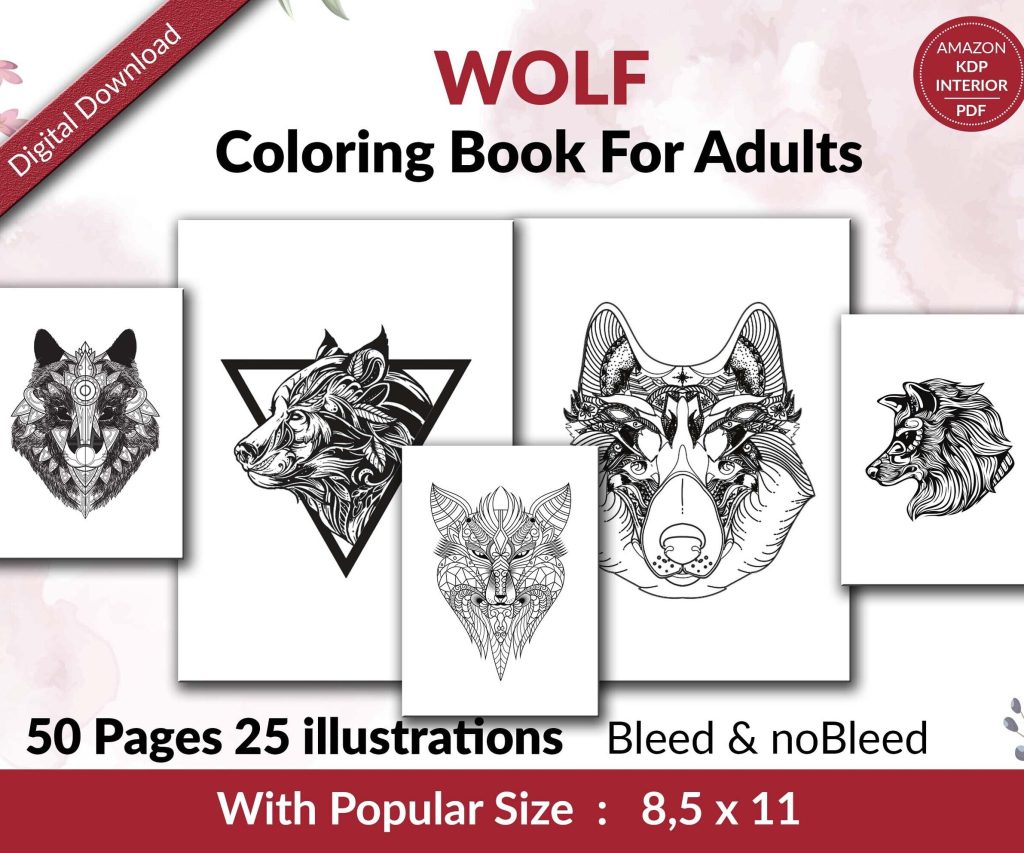 Wolf Coloring KDP interior For Adults, Used as Low Content Book, PDF Template Ready To Upload COMMERCIAL Use 8.5x11"
1 × $0.00
Wolf Coloring KDP interior For Adults, Used as Low Content Book, PDF Template Ready To Upload COMMERCIAL Use 8.5x11"
1 × $0.00
Subtotal: $0.00

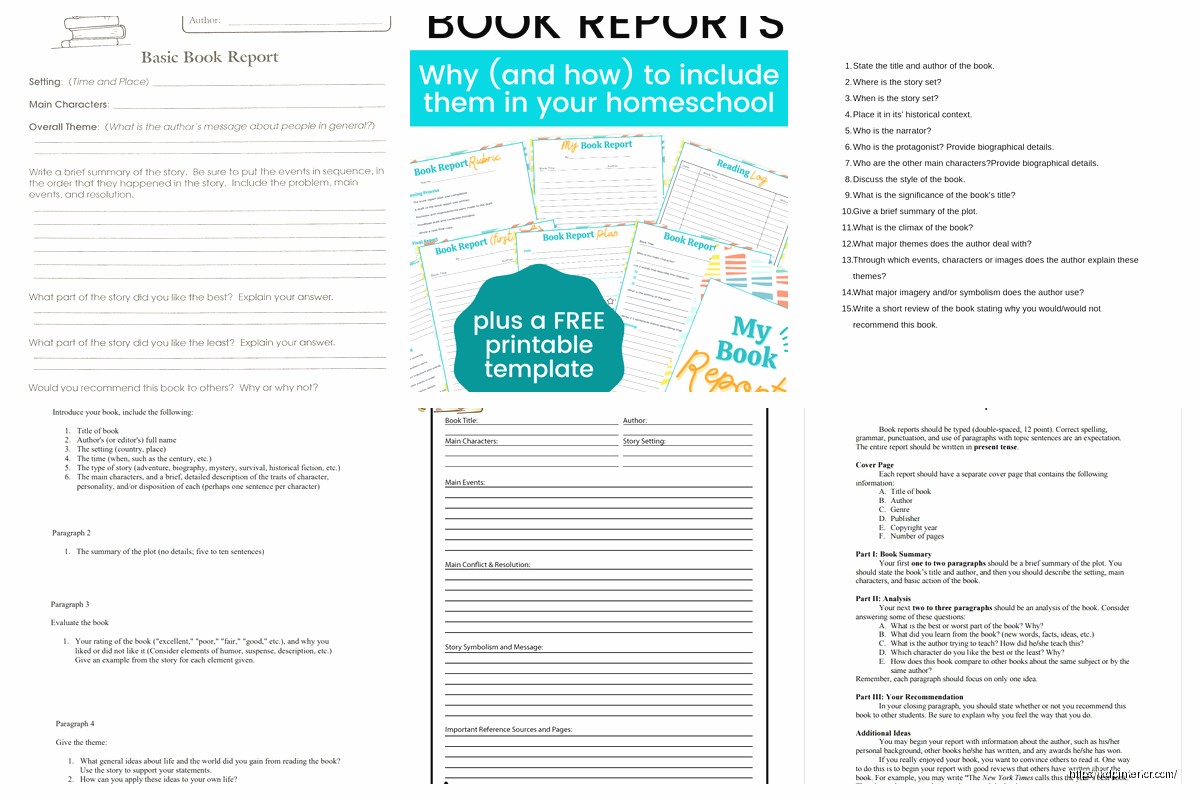
Okay so here’s the deal with book report outlines – I literally just helped my nephew with one last week and realized how much this structure has stayed the same since like forever, but also how many kids (and honestly college students) still mess it up.
So first off, forget whatever complicated template your teacher gave you with like 47 different sections. Every solid book report outline breaks down into basically five parts and once you get this, you can adapt it to literally any book report you’ll ever write.
You’ve got your introduction, the plot summary section, character analysis, themes and literary devices, and then your conclusion. But wait lemme break down what actually goes in each because that’s where people get tripped up.
Your intro needs like three main elements and I see so many students trying to make it fancy when simple works way better. You need the book title and author (obvs), some basic context about the book, and then your thesis statement or main argument about the book.
Here’s what I mean by context – you’re basically answering: what kind of book is this? When was it written? Why does it matter? You don’t need a whole paragraph for each, just like 2-3 sentences that give the reader the lay of the land.
The thesis is where you actually stake a claim. Not just “this book is about a guy who does stuff” but more like “Harper Lee uses Scout’s innocent perspective to expose the deep-seated racism in 1930s Alabama” or whatever your actual point is gonna be.
Oh and another thing – I always tell people to write the intro LAST even though it comes first in your outline. You don’t really know what you’re arguing until you’ve worked through the whole book report, you know?
This is gonna sound weird but the plot summary section is where like 80% of students completely derail their book reports. They either write a play-by-play of every single thing that happens (boring, too long, misses the point) or they’re so vague that you can’t tell what the book is even about.
Your outline for this section should hit the major plot points in chronological order:
For each of these points in your outline, jot down literally one sentence. That’s it. When you actually write the report you can expand, but in the outline phase you’re just mapping the skeleton.
And here’s something I learned from doing this for years – always ask yourself “does this plot point directly connect to my thesis?” If it doesn’t, you probably don’t need it in your summary. Like if you’re writing about symbolism in The Great Gatsby, you don’t need to detail every party Gatsby threw, just the ones that matter for your argument.
Let me show you what this looks like with an actual book. Say you’re doing To Kill a Mockingbird:
See how that gives you the shape of the story without getting bogged down in every detail? That’s what you’re going for.
Okay so this part really depends on what kind of book report you’re writing and what your teacher wants, but generally you’re gonna analyze 2-4 main characters. In your outline, create a subsection for each major character you’ll discuss.
For each character, note down:
That last point is crucial and it’s what separates a decent book report from a great one. You’re not just describing characters for fun – you’re showing how they support your main argument about the book.
Wait I forgot to mention – some teachers want you to include quotes in your outline, some don’t. I usually just note the page numbers where important quotes appear so I can find them later when I’m actually writing. Way faster than writing out full quotes at the outline stage.
This is honestly my favorite section to outline because it’s where you get to dig into what the book is REALLY about, not just what happens in it. And this is where your book report stops being a middle school summary and starts being actual literary analysis.
In your outline, list out the major themes you’re gonna discuss. Usually you want 2-3 main themes max, otherwise your report gets too scattered. Under each theme, note:
Then you’ve gotta include literary devices. This is stuff like symbolism, metaphors, foreshadowing, irony, narrative perspective – basically the TOOLS the author uses to tell the story and develop themes.
For each literary device you’ll discuss, outline:
I was literally watching The Bear last night and thinking about how this applies to visual storytelling too, but anyway – the principle is the same. You’re showing HOW the creator makes their point, not just WHAT their point is.
Just gonna drop a quick list here because students always ask me what they should be looking for:
You don’t need to cover ALL of these – just pick the ones that are actually significant in your book and relevant to your thesis.
Some teachers want this, some don’t. If yours does, this is where you outline your own thoughts about the book. But here’s the thing – it still needs to be analytical, not just “I liked it” or “it was boring.”
In your outline for this section, note:
You gotta back up your opinions with reasons though. Not just “the ending was bad” but “the ending felt rushed because the author tried to resolve three major plot threads in the final chapter without adequate development.”
Your conclusion outline is honestly the easiest part. You’re basically just circling back to your thesis and summarizing your main points. In your outline, just note:
Don’t introduce new ideas here. Don’t just repeat your intro word-for-word. Just wrap it up cleanly.
Okay so here’s some stuff I’ve learned that doesn’t fit neatly into those sections but will make your life easier:
Use bullet points or numbers, not full sentences. Your outline should be quick to scan. If you’re writing full paragraphs in your outline, you’re basically writing the paper twice which is a waste of time.
Color code if you’re digital. I use different colors for different types of information – like blue for plot points, green for themes, yellow for quotes I wanna use. Sounds dorky but it helps you see patterns.
Note page numbers religiously. Nothing worse than remembering there was this perfect quote somewhere but having no idea where. Every time you put something in your outline, slap a page number next to it.
Leave space between sections. You WILL think of stuff to add later and you don’t wanna be cramming notes into margins or whatever.
Here’s how I’d actually approach building this outline from scratch:
First, read the book with a pencil or sticky notes. Mark important passages, character moments, themes you notice. Don’t try to outline while you read – just gather raw material.
Second, figure out your thesis. What’s your main argument about this book? Everything else in your outline should support this.
Third, do the plot summary section. Get the basic story structure down.
Fourth, tackle themes and literary devices. This is the meat of your analysis.
Fifth, outline character analysis. By now you know which characters matter most for your argument.
Sixth, outline your intro and conclusion. These should basically write themselves once you know what you’re arguing.
Making your outline too detailed. It should be a roadmap, not the full journey. If your outline is more than 2-3 pages, you’ve gone too far.
Forgetting to connect everything back to your thesis. Every section should support your main argument somehow.
Including plot summary without analysis. Nobody cares what happened in the book – they can read it themselves. They care about what you THINK about what happened.
Using vague language like “interesting” or “important” without explaining WHY something is interesting or important.
Trying to cover everything in the book. You can’t analyze every theme, every character, every literary device. Pick the most significant ones and go deep rather than shallow on everything.
Oh and one more thing – don’t stress too much about making your outline perfect. It’s supposed to be a flexible tool that helps you write, not a rigid structure you’re locked into. If you realize something doesn’t work when you’re actually writing the report, change it. That’s totally fine and actually pretty normal.
My cat just knocked over my coffee but anyway – the point is that a good book report outline gives you structure without boxing you in. It helps you organize your thoughts so when you sit down to actually write the thing, you’re not staring at a blank page wondering where to start. You’ve already done the hard thinking work, now you just gotta expand on what you’ve already outlined.
DISCOVER OUR FREE BEST SELLING PRODUCTS
Editable Canva Lined Journal: Express Your Thoughts – KDP Template
Lined Pages Journal 120 pages Ready to Upload PDF Commercial Use KDP Template 6×9 8.5×11 5×8 for Notebooks, Diaries, Low Content
Lined Pages Journal 120 pages Ready to Upload PDF Commercial Use KDP Template 6×9 8.5×11 5×8 for Notebooks, Diaries, Low Content
Cute Dogs Coloring Book for Kids | Activity Book | KDP Ready-To-Upload
Daily Planner Diary : Diary Planners for Everyday Productivity, 120 pages, 6×9 Size | Amazon KDP Interior
Wolf Coloring KDP interior For Adults, Used as Low Content Book, PDF Template Ready To Upload COMMERCIAL Use 8.5×11"
Coloring Animals Head Book for Kids, Perfect for ages 2-4, 4-8 | 8.5×11 PDF
Printable Blank Comic Book Pages PDF : Create Your Own Comics – 3 Available Sizes
Notes KDP interior Ready To Upload, Sizes 8.5×11 6×9 5×8 inch PDF FILE Used as Amazon KDP Paperback Low Content Book, journal, Notebook, Planner, COMMERCIAL Use
Black Lined Journal: 120 Pages of Black Lined Paper Perfect for Journaling, KDP Notebook Template – 6×9
Student Planner Journal 120 pages Ready to Upload PDF Commercial Use KDP Template 6×9" 8.5×11" for Low Content book
Recipe Journal Template – Editable Recipe Book Template, 120 Pages – Amazon KDP Interior