
Amazon KDP guide, KDP book publishing
Book Report Sample: Academic Example Papers
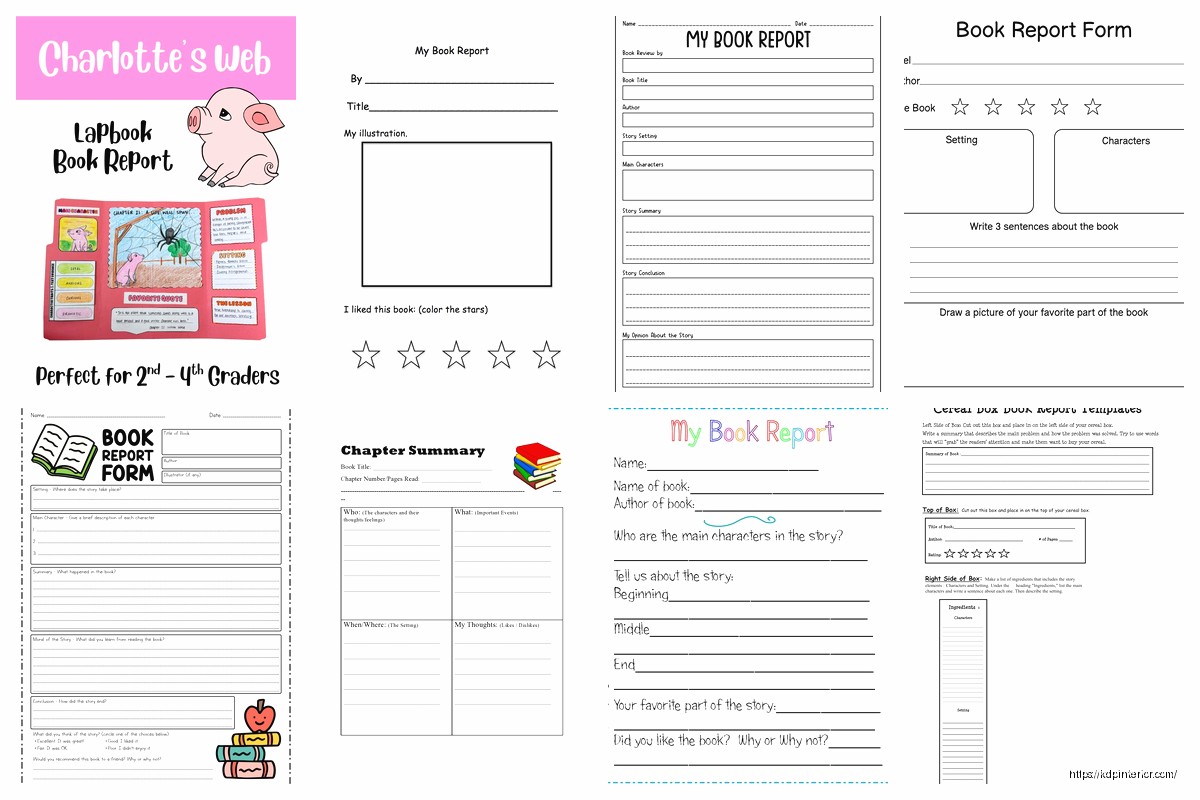
Apr
Okay so book report samples are honestly one of those things I wish someone had explained to me better when I was first helping my kids with their assignments, and now I reference them all the time when I’m working with authors on how to structure their non-fiction books for KDP because the format is basically universal, right?
The Basic Structure Nobody Really Explains Properly
So here’s the thing about book report samples – they’re not just templates you copy word for word. They’re more like… frameworks? And most academic example papers follow this same pattern whether it’s for middle school or college level stuff. You’ve got your introduction paragraph that includes the book title, author, and your thesis statement about what you’re gonna argue or discuss. Then body paragraphs that actually break down the content, and finally a conclusion that wraps it up.
But here’s what I figured out after looking at probably 200+ sample reports when I was researching how people structure educational content for Amazon – the BEST samples show you different approaches for different book types. Like, the way you write a report on a novel is completely different from how you’d approach a biography or a self-help book.
Fiction Book Reports
For fiction samples, you’re usually looking at reports that cover:
- Plot summary (but not the whole story, just enough context)
- Character analysis – who’s the protagonist, what’s their arc
- Theme identification
- Literary devices the author used
- Personal response or critical evaluation
I was watching this documentary about publishing last week and they mentioned how even professional book reviews follow this same structure, which makes sense because it works. The sample reports that actually help students the most are the ones that show HOW to analyze, not just what to say.
Where to Actually Find Good Samples
This is gonna sound weird but the best academic example papers aren’t always on the official school websites. I mean, those are fine for basic structure, but they’re usually pretty sanitized. What you want are samples that show:
Real student work with teacher comments – these are gold because you can see what worked and what didn’t. Purdue OWL has some decent ones, and a lot of university writing centers post annotated examples.
The problem is most samples online are either too perfect (clearly written by the teacher as an example) or too basic. When I’m looking for reference material for my own KDP projects, I actually look at Amazon book reviews sometimes because they follow similar analytical patterns – summary, evaluation, personal take.
Different Grade Levels Need Different Complexity
Elementary school samples are usually pretty straightforward – basic plot summary, favorite character, would you recommend this book and why. Maybe 3-5 paragraphs total.
Middle school is where it gets more structured. You’re expected to identify themes, discuss character development, maybe compare two characters or analyze a specific conflict. The samples for this level should be around 2-3 pages.
High school samples need literary analysis – symbolism, motifs, author’s purpose, historical context maybe. These run 3-5 pages typically and require actual citations if you’re pulling quotes from the text.
College level… okay so college samples are a whole different beast. You’re writing literary criticism at that point, not just a book report. Thesis-driven arguments, scholarly sources, proper MLA or APA formatting.
What Makes a Sample Actually Useful
I’ve seen so many terrible examples that are basically useless because they don’t show the thinking process. A good sample should:
Show topic sentences that clearly state what each paragraph is about. Like, “The protagonist’s journey from innocence to experience is demonstrated through three key events” – boom, you know exactly what’s coming.
Include specific examples from the text with page numbers. Vague references don’t help anyone learn how to support their arguments.
Demonstrate proper quotation integration. This is something even college students mess up constantly. The sample should show how to introduce a quote, include it smoothly, and then explain its significance.
The Introduction Paragraph Formula
Most strong samples follow this intro structure and honestly it works every time:
- Hook sentence (interesting fact about the book, relevant question, or compelling quote)
- Book title in italics, author’s full name, publication year
- Brief context about the book (genre, setting, basic premise)
- Thesis statement that previews your main points
I remember when my daughter was working on her first real book report in 6th grade and we looked at probably ten different samples before she understood that the thesis doesn’t have to be complicated – it just needs to tell the reader what you’re gonna discuss.
Body Paragraph Samples That Actually Teach
The body paragraphs are where students usually fall apart, and bad samples don’t help because they either dump too much plot summary or jump around without clear organization.
Good example papers show you the PEEL or TEEL method:
Point – state your main idea for this paragraph
Evidence – provide a quote or specific example from the book
Explanation – analyze how this evidence supports your point
Link – connect back to your thesis or transition to the next idea
Wait I forgot to mention – the samples that include transition words and phrases are SO much more helpful. Like showing how to use “furthermore,” “in contrast,” “similarly,” “as a result” naturally in the writing. Students don’t always know how to make their ideas flow.
Common Mistakes You’ll See in Bad Samples
Plot summary overload – the sample just retells the entire story instead of analyzing it. If more than 30% of the report is summary, it’s not a good example.
No personal voice – it reads like a robot wrote it. Even academic writing should have some personality and genuine engagement with the material.
Missing evidence – making claims about the book without backing them up with specific examples or quotes.
Weak conclusion – just restating the intro without adding any final insights or broader implications.
I was organizing my files last night (my cat kept walking across my keyboard which was annoying) and I realized I’ve saved like 50+ book report samples over the years for different projects, and the ones I actually reference repeatedly have these things in common.
Non-Fiction Book Report Samples
Oh and another thing – non-fiction reports need different sample structures. You’re not analyzing characters and plot, you’re evaluating:
- The author’s main argument or thesis
- How well they support their claims with evidence
- The organization and clarity of information
- Credibility and potential bias
- Practical applications or implications
The best samples for non-fiction reports show how to summarize the author’s key points without just listing chapter summaries. It’s more about synthesizing the information and evaluating the effectiveness of the book’s approach.
Format and Citation Examples
This is super important but often overlooked in basic samples – you need examples that show proper formatting:
MLA format samples should show the heading (name, teacher, class, date in that order), double-spacing, Times New Roman 12pt font, 1-inch margins, page numbers with last name.
The Works Cited page format for the book itself – author last name, first name, book title in italics, publisher, year.
In-text citations – (Author page#) for MLA or (Author, year, page#) for APA.
When I’m creating content for KDP about academic writing, I always include these technical details because they matter just as much as the actual content. Teachers absolutely take off points for formatting mistakes.
Samples for Different Book Genres
Historical fiction reports need to address both the historical accuracy and the fictional elements. Good samples show how to research the actual historical period and evaluate how the author incorporated it.
Fantasy or sci-fi reports should discuss world-building, internal consistency of the created world, and how the speculative elements serve the story’s themes.
Mystery reports can analyze plot structure, red herrings, foreshadowing, and how the author builds suspense.
Biography reports focus on the subject’s impact, the author’s perspective and potential bias, and what we learn about the historical period.
Where Students Actually Go Wrong
I’ve seen this pattern over and over – students find a sample, try to copy the structure exactly, but don’t understand WHY it’s structured that way. The best academic example papers include annotations or comments explaining the choices.
Like, “Notice how this topic sentence connects back to the thesis while introducing a new idea” or “This quote is introduced with context so the reader understands its significance.”
The samples without these explanatory notes are less useful unless you already kinda know what you’re doing.
Advanced Analysis Samples
For upper-level students, you want samples that demonstrate:
Comparative analysis – comparing themes, characters, or approaches across multiple books
Historical or cultural context – situating the book within its time period or cultural movement
Literary theory application – using feminist, Marxist, psychoanalytic, or other critical lenses
Intertextual connections – relating the book to other literary works
These more sophisticated samples are harder to find but they’re what separate decent book reports from excellent literary analysis.
Digital Resources and Sample Collections
Honestly the internet has made finding samples so much easier. Sites like EssayPro, StudyMode, and GradesFixer have tons of examples, though quality varies. Your school or local library probably has access to databases with student papers too.
What I tell people is look for samples from reputable educational institutions – university writing centers especially. They have quality control and usually provide samples at multiple skill levels.
Oh and academic journals sometimes publish student work, which can be really helpful for seeing what excellent college-level analysis looks like, though that might be overkill for a basic book report.
The key is finding samples that match your assignment requirements – same grade level, similar book genre, comparable length and depth of analysis. Don’t try to use a graduate-level literary criticism sample for a middle school report, you know?
I gotta say, after helping dozens of people understand how to structure educational content, the book report format is probably the most universally applicable writing skill. It’s basically how you organize any analytical discussion of a text, whether that’s for school or for professional reviews or even for planning your own book’s structure.
DISCOVER OUR FREE BEST SELLING PRODUCTS
Editable Canva Lined Journal: Express Your Thoughts – KDP Template
Lined Pages Journal 120 pages Ready to Upload PDF Commercial Use KDP Template 6×9 8.5×11 5×8 for Notebooks, Diaries, Low Content
Lined Pages Journal 120 pages Ready to Upload PDF Commercial Use KDP Template 6×9 8.5×11 5×8 for Notebooks, Diaries, Low Content
Cute Dogs Coloring Book for Kids | Activity Book | KDP Ready-To-Upload
Daily Planner Diary : Diary Planners for Everyday Productivity, 120 pages, 6×9 Size | Amazon KDP Interior
Wolf Coloring KDP interior For Adults, Used as Low Content Book, PDF Template Ready To Upload COMMERCIAL Use 8.5×11"
Coloring Animals Head Book for Kids, Perfect for ages 2-4, 4-8 | 8.5×11 PDF
Printable Blank Comic Book Pages PDF : Create Your Own Comics – 3 Available Sizes
Notes KDP interior Ready To Upload, Sizes 8.5×11 6×9 5×8 inch PDF FILE Used as Amazon KDP Paperback Low Content Book, journal, Notebook, Planner, COMMERCIAL Use
Black Lined Journal: 120 Pages of Black Lined Paper Perfect for Journaling, KDP Notebook Template – 6×9
Student Planner Journal 120 pages Ready to Upload PDF Commercial Use KDP Template 6×9" 8.5×11" for Low Content book
Recipe Journal Template – Editable Recipe Book Template, 120 Pages – Amazon KDP Interior