
-
×
 Lined Pages Journal 120 pages Ready to Upload PDF Commercial Use KDP Template 6x9 8.5x11 5x8 for Notebooks, Diaries, Low Content
1 × $0.00
Lined Pages Journal 120 pages Ready to Upload PDF Commercial Use KDP Template 6x9 8.5x11 5x8 for Notebooks, Diaries, Low Content
1 × $0.00
Subtotal: $0.00
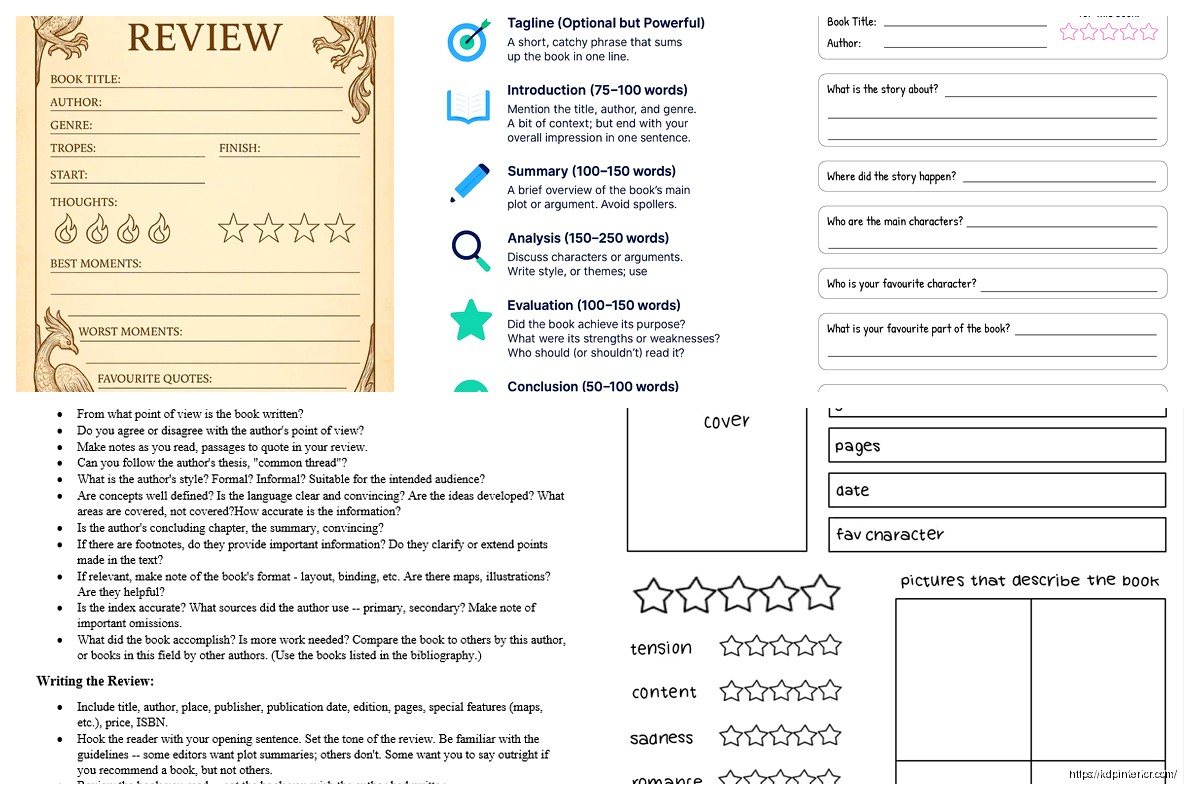
Okay so last month I had this client who wanted to publish book review collections on KDP and she was completely lost on how to structure critical analysis, so I literally spent like three hours breaking down the whole format for her and honestly it worked out pretty well because her reviews actually started getting traction.
Here’s the thing about book review formats – most people think you just summarize the plot and say whether you liked it or not, but that’s gonna get you nowhere especially if you’re trying to build something that actually sells or gets engagement. Critical analysis has this specific structure that sounds intimidating but once you break it down it’s pretty straightforward.
So you gotta start with what I call the “immediate reaction” paragraph. Don’t waste time with like “In this review I will discuss…” because nobody cares about that. Just jump straight into your gut response to the book. Something like what hit you first when you finished it or what stood out while reading.
I usually tell people to write this part AFTER they’ve written everything else because you’ll have a clearer sense of your overall take. But structurally it goes first. Yeah I know that sounds backwards but trust me on this.
Your opening should include the book title, author, and maybe genre or category, but weave it in naturally. Like “Sarah J. Maas’s Kingdom of Ash tries to wrap up this massive fantasy series but ends up stumbling over its own ambition” – see how that gives info but also immediately signals your critical stance?
Okay so this is where most amateur reviewers mess up. You need like a paragraph or two that establishes context. Where does this book fit in the author’s body of work? Is it part of a series? What’s the publishing landscape around it?
I was watching The Last of Us last week and thinking about how reviews of Part II needed so much context from Part I, and books are the same way. Your reader needs to understand what they’re walking into.
For nonfiction this is even more critical – you gotta explain what gap this book is trying to fill or what conversation it’s entering. Like if you’re reviewing a productivity book, mention where it sits compared to Atomic Habits or Getting Things Done or whatever the big names are in that space.
Don’t spend forever on this though. Two paragraphs max. I’ve seen people write these long historical dissertations about the genre and it’s like… we’re here for YOUR analysis not a Wikipedia article.
Here’s where it gets tricky because you need enough plot summary that someone who hasn’t read the book can follow your analysis, but not so much that you’re just retelling the story. I usually aim for like 200-300 words on this section depending on how complex the book is.
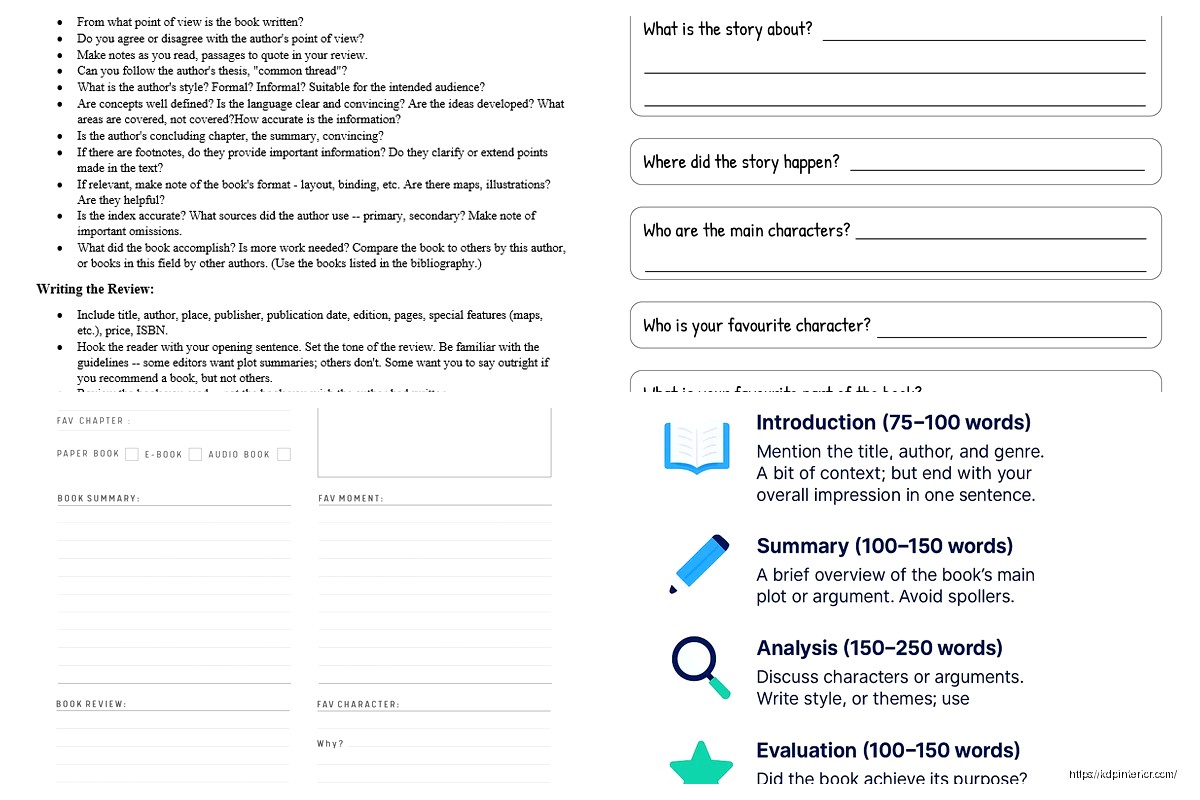
The key is to summarize with purpose. Only include plot points that you’re actually gonna reference later in your critical analysis. If you mention that the protagonist has a sister in chapter three but that detail never matters to your argument, cut it.
Oh and another thing – avoid spoilers unless absolutely necessary for your analysis, and if you must include them, flag it clearly. I put a bold SPOILER WARNING line before that section. Some people use those expandable sections in WordPress but honestly that’s more trouble than it’s worth for most setups.
For nonfiction books, this section becomes more like a structural overview. What are the main arguments? How is the book organized? What’s the author’s methodology or approach?
Okay so this is the meat of everything and where you actually earn the word “critical” in critical analysis. You’re gonna break this into multiple subsections, usually 3-5 depending on how much you have to say.
Each subsection should focus on one specific element of the book. For fiction I usually look at:
You don’t have to hit all of these – pick the ones that matter most for THIS specific book. Like if you’re reviewing a character-driven literary novel, you might spend two whole sections on character analysis and barely touch world-building.
When you’re talking about characters, go beyond “I liked them” or “they were annoying”. Talk about character arcs, consistency, motivation clarity, whether their decisions make sense within the established characterization.
I had this review project last year for a romance novel where the main character made this completely random decision in the third act that contradicted everything established before, and that became like half my analysis because it was such a structural problem. That’s the kind of specific observation that makes a review valuable.
Use specific examples from the text. Quote short passages if relevant (fair use applies here). Don’t just say “the protagonist was well-developed” – show me the scene where that development happens or doesn’t happen.
This is where you talk about pacing, plot holes, narrative structure choices. Did the story drag in the middle? Was the climax satisfying? Did subplots get resolved or just abandoned?
For books that use nonlinear timelines or experimental structures, this section becomes super important. You gotta evaluate whether those choices served the story or just felt gimmicky.
Wait I forgot to mention – when you’re critiquing structure, always consider the INTENT. Like sometimes a slow middle section is deliberate for thematic reasons. Your job is to evaluate whether it worked, not just whether it matched conventional pacing expectations.
Okay so this is gonna sound weird but I actually write this section while I’m still reading the book. I keep a notes doc open and jot down observations about prose style, sentence rhythm, word choice, metaphor use, all that craft-level stuff.
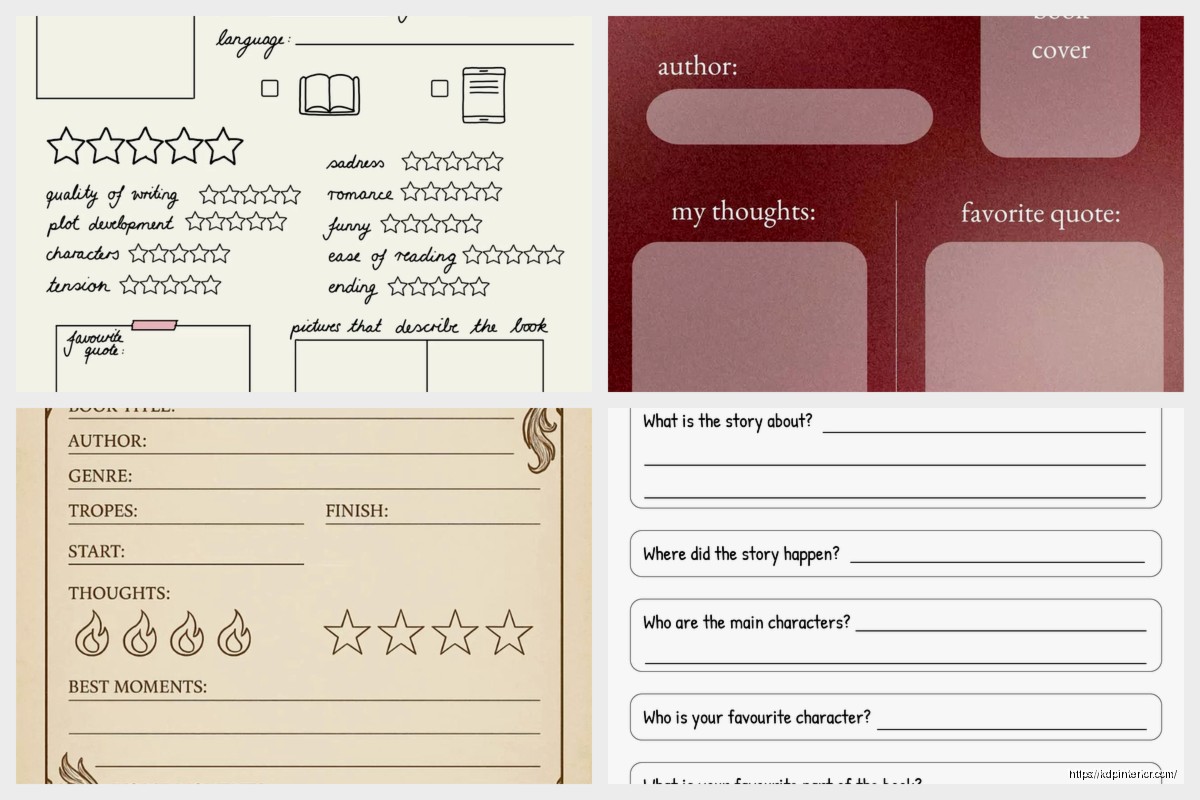
Is the writing purple prosey or minimalist? Does it match the story’s needs? Are there annoying verbal tics (like when authors overuse certain words or phrases)? How’s the balance between showing and telling?
My cat just jumped on my keyboard sorry – anyway, with writing style you wanna be specific. Instead of “beautiful prose” explain WHAT makes it beautiful. Is it the imagery? The rhythm? The unexpected word choices?
This section separates basic reviews from actual critical analysis. What is the book really ABOUT beyond its surface plot? What questions is it asking? What commentary is it making?
And here’s the critical thinking part – do the themes actually work? Are they heavy-handed? Subtle to the point of invisibility? Does the plot support the themes or fight against them?
I reviewed this dystopian novel once that wanted to critique capitalism but then had a plot that basically reinforced individualist bootstrapping narratives, and that contradiction became the center of my analysis. Look for those disconnects between apparent intent and actual execution.
Somewhere in your review – usually after you’ve done your main analysis – you should position the book against comparable titles. This helps readers understand the book’s relative strengths and weaknesses.
“If you loved Fourth Wing you’ll probably enjoy this” isn’t enough. Explain specifically what the comparison points are. Similar tropes? Comparable writing style? Same sub-genre but different execution?
I usually do like a paragraph or two on this. For nonfiction it’s almost mandatory – “Unlike Gladwell’s accessible pop-science approach, this author uses more rigorous academic methodology but sacrifices readability” or whatever applies.
Oh wait if you’re reviewing nonfiction there’s a whole other layer. You gotta evaluate:
This is especially important for self-help or business books because there’s SO much garbage in those categories on KDP. Your review needs to help readers separate substantive work from repackaged platitudes.
I spent like six months reviewing business books for a client’s blog and you would not believe how many books are just “wake up early and work hard” stretched to 200 pages with no actual frameworks or systems.
Every critical analysis should include a section about who this book is FOR. Not everyone likes every book and that’s fine – your job is to help readers self-select.
“This book works if you enjoy slow-burn literary fiction with ambiguous endings, but if you prefer plot-driven page-turners with clear resolution, skip it.” That kind of guidance is incredibly valuable.
Think about reading preferences, genre expectations, content warnings if relevant, required background knowledge, all that stuff. I always include a “you’ll like this if…” and “skip this if…” breakdown somewhere.
Here’s something that took me way too long to learn – even if you mostly loved or mostly hated a book, your analysis needs to acknowledge both strengths and weaknesses. Pure praise sounds like marketing copy, pure criticism sounds like you have an axe to grind.
I try to find at least two genuine positives and two genuine criticisms for every book. Sometimes that’s hard, especially with books that are just mediocre across the board, but it makes your analysis more credible.
And be honest about subjective preferences vs objective flaws. “I personally don’t enjoy books with multiple POVs” is different from “the POV switches were confusing and poorly marked.” One’s a you thing, one’s a craft thing.
This is gonna sound obvious but use specific examples for EVERYTHING you claim. Don’t just say the dialogue was stilted – quote some stilted dialogue. Don’t just say the pacing dragged – point to the specific section where it happened.
I usually aim for at least one concrete example per major critical point. Could be a quote, a scene description, a chapter reference, whatever proves you actually read the book and thought about it.
Fair use lets you quote short passages for review purposes, but keep quotes brief and relevant. I usually do like one to three sentences max unless there’s a really compelling reason to go longer.
Okay so if you’re putting these reviews on a blog or Amazon or wherever, you probably need a rating. Stars, numbers, letter grades, whatever system you pick just be consistent.
I use a 5-star system because that’s what people expect, but I also include category breakdowns sometimes – like separate ratings for plot, characters, writing, pacing. That gives more nuance than a single overall score.
Here’s my personal scale that I’ve developed over like 200+ reviews:
Most of my reviews fall in the 3-4 range because most books are… fine? Publishing standards mean truly terrible books are rarer than you’d think, and 5-star books are special.
Your final section should synthesize your analysis into a clear verdict. Not just “good” or “bad” but nuanced assessment based on everything you’ve discussed.
Return to your opening hook somehow – if you started with a question or observation, resolve it here. Create a sense of coming full circle without being too tidy about it.
Include your rating if you’re using one, and a final recommendation statement. “Despite its pacing issues, fans of character-driven fantasy will find a lot to love here” or whatever your actual assessment is.
I usually end with something forward-looking, like how this book fits into the author’s trajectory or what readers should check out next.
Okay quick practical notes about actually formatting this thing, especially if you’re putting it on KDP or a blog:
Use headers to break up sections clearly. Nobody wants to read a 2000-word wall of text. I use H2 for major sections and H3 for subsections.
Keep paragraphs relatively short – like 3-5 sentences max. Online reading is different from print, people’s eyes glaze over with long paragraph blocks.
Bold key points or book titles to add visual interest and make scanning easier.
If you’re including this in a KDP book, make sure you have proper front matter and back matter. Copyright page, table of contents, maybe an about the reviewer page, all that stuff adds legitimacy.
Something I didn’t realize when I started doing critical analysis – you actually need to do research sometimes. Look up reviews from other critics, check the author’s background and previous work, understand the genre context.
For nonfiction especially, you might need to verify claims or check sources. I’m not saying you need to fact-check every statistic, but if an author makes a wild claim, at least do a quick search to see if it’s legitimate.
I keep a research doc while reading where I note things to look up later. Takes like 30 minutes of googling usually, but it makes your analysis way more informed.
Knowing something about the author’s background, previous work, and stated intentions can inform your analysis. Like if this is someone’s debut novel, you might evaluate craft elements differently than if they’re on book fifteen.
But also be careful not to let biography overshadow the actual work. The book has to stand on its own regardless of the author’s story.
Alright so here’s a bunch of stuff that people mess up constantly with critical analysis:
Pure summary with no analysis. Your book report skills from high school won’t cut it. Analysis means evaluation, interpretation, argument.
Personal opinion without support. “I didn’t like it” isn’t analysis. “I didn’t like it because the character motivations were inconsistent, as evidenced by…” is analysis.
Expecting every book to be something it’s not. Don’t criticize a romance novel for not having complex world-building. Evaluate books based on what they’re trying to do.
Spoiling everything. You can do thorough analysis without revealing every plot twist. Be strategic about what details you include.
Getting too academic or too casual. Critical analysis should be accessible but substantive. You’re not writing a dissertation, but you’re also not just chatting with friends (well, I guess this guide is pretty casual but you know what I mean).
Ignoring craft elements. Don’t just focus on whether you enjoyed the story – talk about HOW it’s written.
Making it all about you. Some personal response is fine, but the focus should be on the book, not your life story.
Okay so I’m gonna be real with you – your first draft of a critical analysis is probably gonna be kind of a mess. Mine always are. You gotta revise this stuff.
I usually write a really rough first pass while the book is still fresh in my mind, just getting all my thoughts down. Then I step away for like a day or two before revising.
When I come back to revise, I look for:
I probably spend as much time revising as I do writing the first draft, maybe more. Critical analysis needs to be tight and well-argued.
How long should this be? Honestly depends on context. Amazon reviews have character limits. Blog posts probably want to be 1500-2500 words for SEO purposes. Academic journals have their own requirements.
For general purposes, I aim for like 1500-2000 words for a thorough critical analysis. That’s enough to really dig into the book without getting exhausting to read.
Shorter books might need less, complex books might need more. I did a 3000-word analysis of Infinite Jest once because there was just SO much to unpack, but that’s an outlier.
Don’t pad your analysis just to hit a word count though. Every paragraph should be earning its place.
Your critical analysis should have a consistent voice and tone. Are you academic and formal? Conversational and accessible? Somewhere in between?
I usually go for professionally casual – informed and substantive but not stuffy. I use “I” and personal observation but keep the focus on the book. Occasional humor is fine if it fits the book you’re reviewing.
DISCOVER OUR FREE BEST SELLING PRODUCTS
Editable Canva Lined Journal: Express Your Thoughts – KDP Template
Lined Pages Journal 120 pages Ready to Upload PDF Commercial Use KDP Template 6×9 8.5×11 5×8 for Notebooks, Diaries, Low Content
Lined Pages Journal 120 pages Ready to Upload PDF Commercial Use KDP Template 6×9 8.5×11 5×8 for Notebooks, Diaries, Low Content
Cute Dogs Coloring Book for Kids | Activity Book | KDP Ready-To-Upload
Daily Planner Diary : Diary Planners for Everyday Productivity, 120 pages, 6×9 Size | Amazon KDP Interior
Wolf Coloring KDP interior For Adults, Used as Low Content Book, PDF Template Ready To Upload COMMERCIAL Use 8.5×11"
Coloring Animals Head Book for Kids, Perfect for ages 2-4, 4-8 | 8.5×11 PDF
Printable Blank Comic Book Pages PDF : Create Your Own Comics – 3 Available Sizes
Notes KDP interior Ready To Upload, Sizes 8.5×11 6×9 5×8 inch PDF FILE Used as Amazon KDP Paperback Low Content Book, journal, Notebook, Planner, COMMERCIAL Use
Black Lined Journal: 120 Pages of Black Lined Paper Perfect for Journaling, KDP Notebook Template – 6×9
Student Planner Journal 120 pages Ready to Upload PDF Commercial Use KDP Template 6×9" 8.5×11" for Low Content book
Recipe Journal Template – Editable Recipe Book Template, 120 Pages – Amazon KDP Interior