Okay so here’s the thing about book review formats – I spent like three weeks last month analyzing what actually gets read versus what people just scroll past, and the critical analysis format is honestly where you wanna be if you’re doing anything beyond “I liked this book five stars.”
The Basic Structure Nobody Tells You About
Right so the format itself isn’t rocket science but most people mess it up by trying to sound too academic or too casual. You need like this middle ground where you’re smart but not pretentious. Started with a header section that includes:
- Book title and author (obvious but people forget)
- Publication year and publisher
- Genre classification
- Your rating system – I use a 5-point scale but honestly do whatever
Then you jump into what I call the “hook paragraph” which is basically your thesis statement but don’t call it that because it sounds like homework. This is where you state your overall take in like 2-3 sentences max. Something like “While [Author Name]’s latest thriller delivers on suspense, the character development falls flat in ways that undermine the plot’s potential impact.”
The Summary Section That Doesn’t Suck
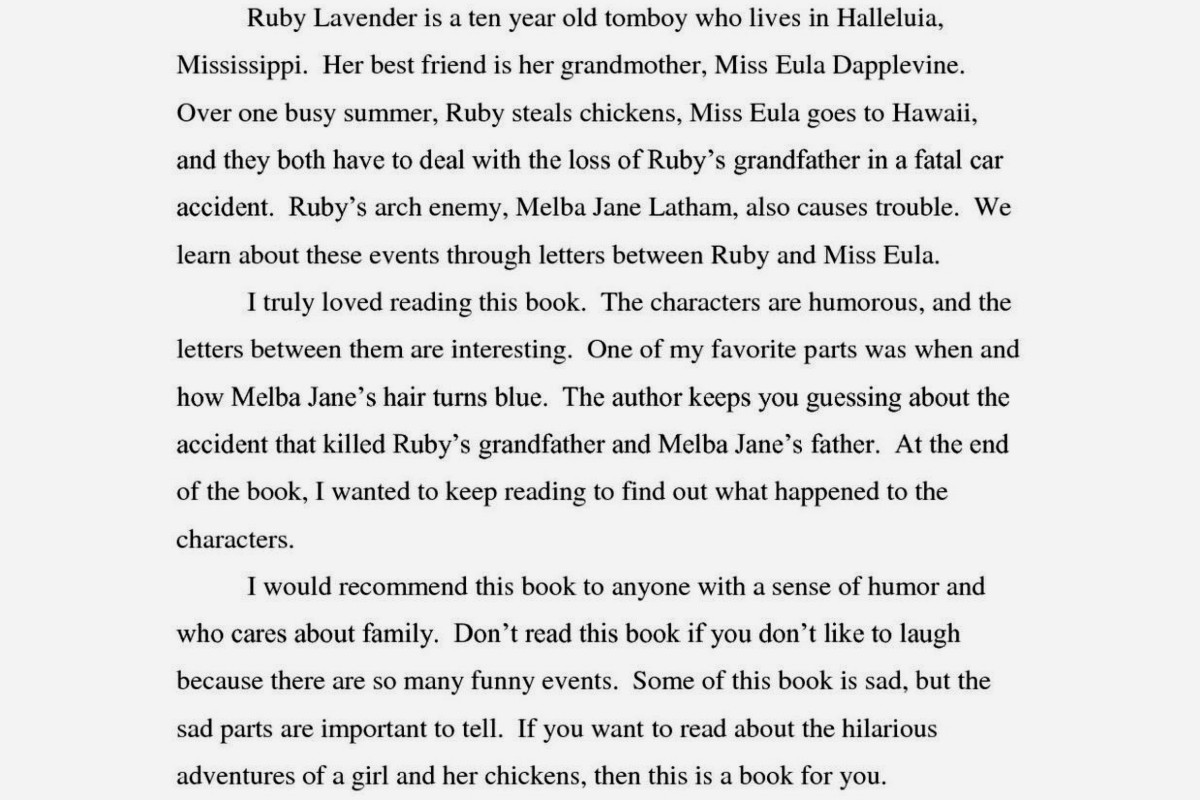
Oh and another thing – your plot summary needs to be SHORT. I’m talking 150-200 words maximum. I see so many reviews that basically retell the entire book and like… no one wants that. You’re not writing a book report for Mrs. Henderson in 9th grade.
What works better is hitting the main setup, the central conflict, and maybe one plot point that’s relevant to your analysis. Skip the ending obviously unless you’re doing spoiler reviews which is a whole different thing.
I usually structure mine like:
– Opening situation (who, where, what’s normal)
– Inciting incident (what disrupts that)
– Central question the book explores
My cat literally just knocked over my coffee while I’m writing this so if this seems scattered that’s why.
Critical Analysis – The Actual Meat
This is where most people either go too soft or too harsh. You gotta break down specific elements and this is where having a formula helps. I rotate through these categories depending on the book:
Character Analysis
Talk about whether characters feel real or cardboard. Are they consistent? Do they grow? I published a review last week where the protagonist made completely different choices in chapter 12 than she would’ve in chapter 3 with zero explanation and that’s the kind of specific thing you point out.
Use actual examples from the text. Don’t just say “the dialogue was weak” – quote a line and explain WHY it doesn’t work. Like if someone says “I am very angry right now” instead of showing anger through action or subtext, that’s weak and you can demonstrate it.
Plot and Structure
Does the pacing work? I’ve noticed books that front-load all the action in the first third and then drag for 200 pages get DNF’d (did not finish) way more often. Talk about:
- Pacing issues – where did you get bored or feel rushed
- Plot holes that actually matter (not nitpicky stuff)
- Whether subplots connect or feel random
- If the ending earned its payoff
Wait I forgot to mention – when you’re doing critical analysis you’re not just listing problems. You gotta acknowledge what works too. Even bad books usually do SOMETHING right. Maybe the worldbuilding slaps even if the characters are meh. Say that.
Writing Style and Technique
This is where you can get into the technical stuff but keep it accessible. You don’t need to identify every metaphor and simile like you’re teaching English 101. Focus on:
The prose itself – is it clear? Overwritten? Does the author use ten words when three would work? I read this fantasy novel in March where every single action had an adverb and it was exhausting. “He walked slowly, talked quietly, breathed heavily” like okay we get it.
Point of view choices and whether they serve the story. First person present tense is everywhere right now and sometimes it works but sometimes authors pick it because it’s trendy and it actually makes the story weaker.
Dialogue authenticity – this is huge. People don’t talk like formal essays and if your characters do, it breaks immersion.
Themes and Deeper Meaning
What’s the book actually ABOUT beyond the surface plot? This doesn’t mean every book needs to be deep and meaningful but most authors are trying to say something. Sometimes they succeed and sometimes they fumble it.
I reviewed a romance last year that was supposedly about healing from trauma but the love interest literally fixed all the protagonist’s problems which is… not how trauma works. That’s worth analyzing because the theme contradicts itself.
The Comparison Game
Okay so funny story – I used to avoid comparing books to other books because I thought it was lazy criticism. Turns out readers actually find it super helpful. If you can say “fans of [Book A] will appreciate this but it lacks the emotional depth of [Book B]” that gives people context.
Just make sure your comparisons are:
– To books people have actually heard of
– Specific about what’s similar and what’s different
– Not just “this is like Harry Potter” unless it actually is
Evidence and Examples
This is gonna sound weird but the difference between a review that convinces people and one that doesn’t is specificity. Generic statements like “the writing was beautiful” mean nothing. But if you say “the author’s use of seasonal metaphors to mirror the protagonist’s emotional journey, particularly in the autumn chapters, created a melancholy atmosphere that elevated the entire narrative” – that’s specific and backed up.
You don’t need to quote huge chunks but pull sentences or short passages that support your points. I usually include 3-5 brief quotes in a full critical analysis.
The Rating Justification
So here’s what I learned from tracking like 200+ reviews – you gotta explain your rating in terms of your criteria. I use this breakdown:
- 5 stars: Exceptional, will reread, recommending to everyone
- 4 stars: Really good, minor flaws, worth your time
- 3 stars: Decent, has issues, depends on your taste
- 2 stars: Significant problems, only for genre diehards
- 1 star: Fundamentally broken, can’t recommend
And then I literally list what worked and what didn’t in bullet points because people skim. They wanna see at a glance if a book’s problems are dealbreakers for them personally.
The Target Audience Section
Don’t skip this. A book can be a 2-star read for you but a 5-star read for someone else based on preferences. I always include:
“Best for readers who enjoy: [specific tropes/styles/themes]”
“Skip if you dislike: [specific elements]”
“Content warnings: [anything potentially triggering]”
I’ve been watching The Bear while analyzing reviews lately and it’s made me think about how subjective taste is – like some people want chaos and intensity and some want comfort and that’s fine.
Formatting That Actually Gets Read
Here’s the practical stuff about layout:
Use headers – people scan before they read. Break up your analysis into clear sections with descriptive headers.
Keep paragraphs short – like 3-5 sentences max. Walls of text get skipped.
Bold key points – if you’re saying something critical (positive or negative), make it stand out.
Lists are your friend – bullets and numbers make information digestible.
The Objectivity vs Subjectivity Balance
You can’t be fully objective about art but you can separate “this didn’t work for me personally” from “this is technically flawed.” Like I hate present tense but I can acknowledge when it’s used well. That’s the balance.
Try to identify when your criticism is about preference versus craft. “I don’t enjoy slow-burn romance” is preference. “The romance develops off-page with no buildup and then suddenly they’re in love” is a craft issue.
Common Mistakes I See Constantly
Okay so these are things that immediately make me dismiss a review:
- Plot summary that’s longer than the analysis
- Personal attacks on the author instead of critiquing the work
- Complaining a book isn’t a different book (like “this mystery needed more romance” when it’s not a romance)
- Spoilers without warning
- Comparing everything to classics like that’s the only valid literature
- Using “objectively” about subjective opinions
The Professional Touch
If you’re doing this for KDP or your author platform, you wanna sound credible without sounding stuffy. I’ve found mentioning:
- Other books in the genre you’ve read (shows context)
- Specific craft elements (shows knowledge)
- Both strengths and weaknesses (shows fairness)
Makes people trust your opinion more. I’m not saying lie about your expertise but like… if you read 50 thrillers a year, mention that context.
Sample Structure I Actually Use
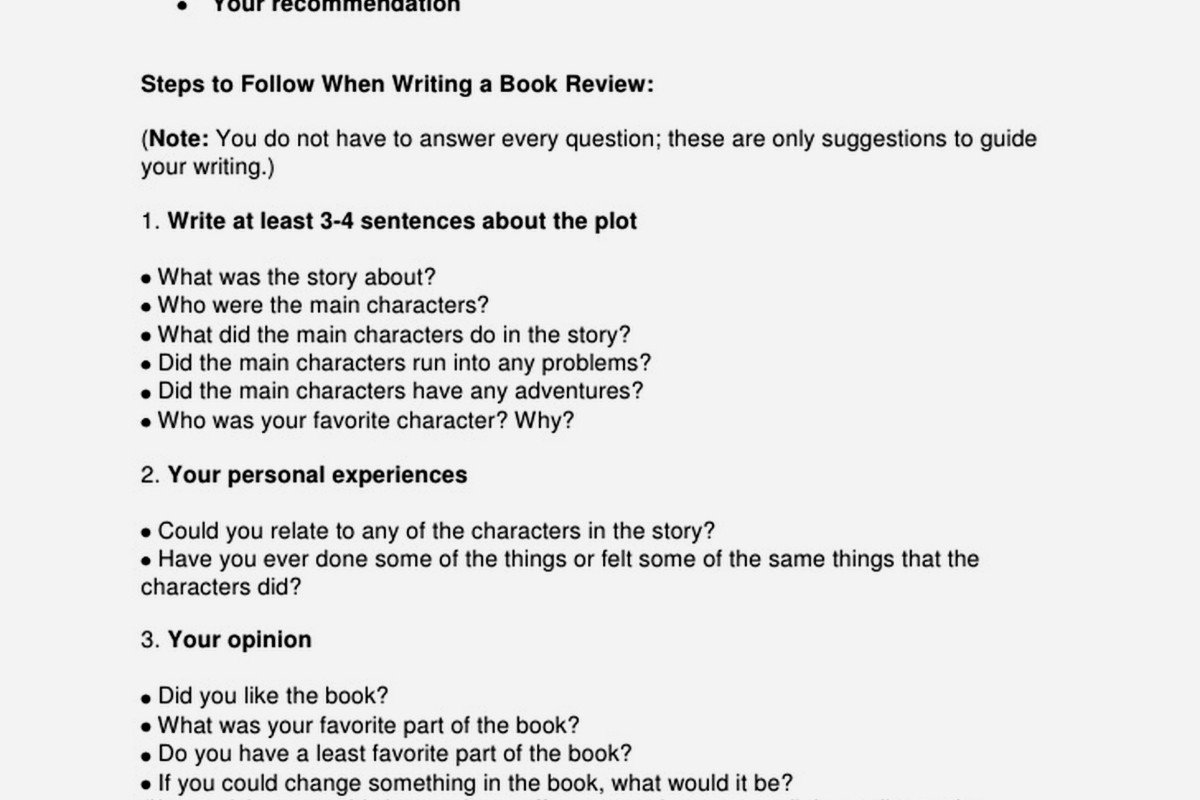
When I sit down to write a critical analysis review, here’s my actual template:
- Header info (title, author, year, genre, rating)
- Hook paragraph (2-3 sentence overall take)
- Brief plot summary (150-200 words)
- What works section (200-300 words with examples)
- What doesn’t work section (200-300 words with examples)
- Writing style analysis (100-150 words)
- Comparison to similar books (50-100 words)
- Target audience recommendation (50 words)
- Final rating justification (100 words)
That usually gets me between 900-1200 words which is the sweet spot for Amazon reviews or blog posts. Too short and you’re not really analyzing, too long and people bounce.
The key thing I’ve learned after reviewing probably 300+ books at this point is that honesty with specificity beats everything else. Readers can tell when you’re being vague or when you actually engaged with the material. They can also tell when you’re being mean for clicks versus genuinely critiquing.
Oh and one more thing – always read your review out loud before posting because awkward phrasing shows up immediately when you hear it. Changed my whole game when I started doing that.

 Editable Canva Lined Journal: Express Your Thoughts - KDP Template
1 × $0.00
Editable Canva Lined Journal: Express Your Thoughts - KDP Template
1 × $0.00  Printable Blank Comic Book Pages PDF : Create Your Own Comics - 3 Available Sizes
1 × $0.00
Printable Blank Comic Book Pages PDF : Create Your Own Comics - 3 Available Sizes
1 × $0.00 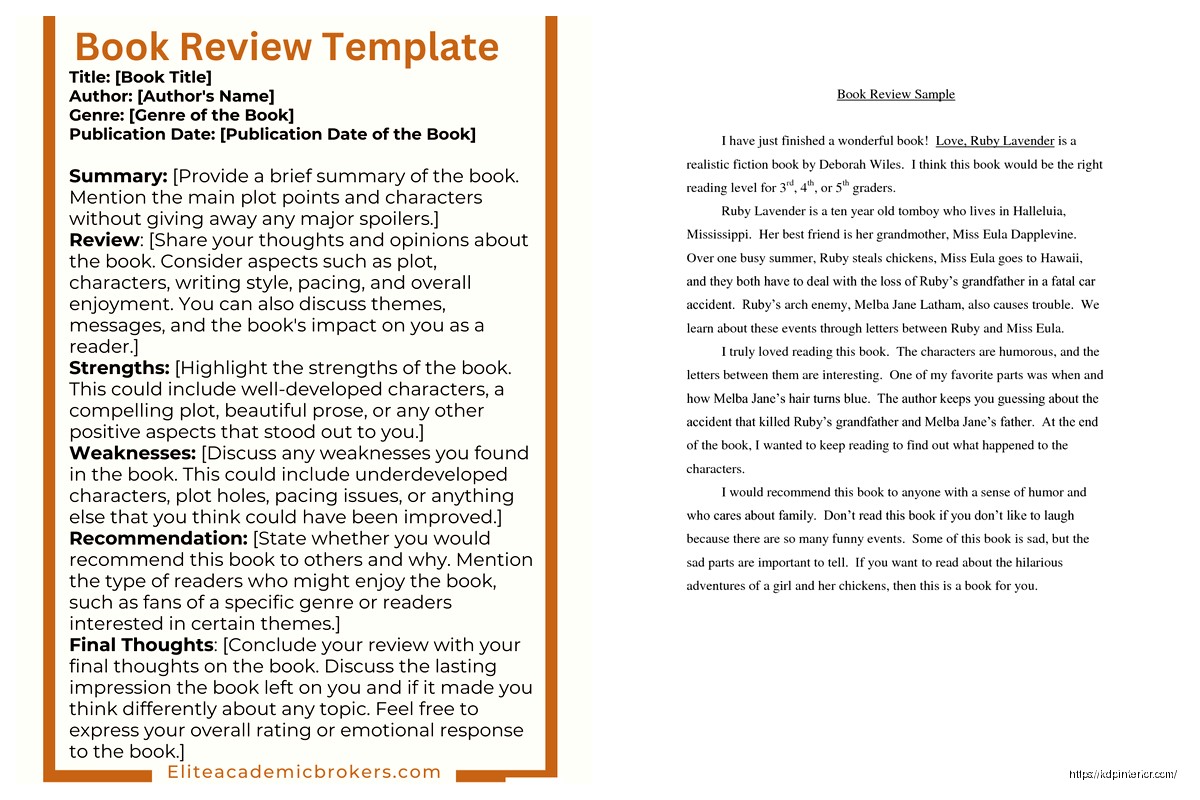
DISCOVER OUR FREE BEST SELLING PRODUCTS
Editable Canva Lined Journal: Express Your Thoughts – KDP Template
Lined Pages Journal 120 pages Ready to Upload PDF Commercial Use KDP Template 6×9 8.5×11 5×8 for Notebooks, Diaries, Low Content
Lined Pages Journal 120 pages Ready to Upload PDF Commercial Use KDP Template 6×9 8.5×11 5×8 for Notebooks, Diaries, Low Content
Cute Dogs Coloring Book for Kids | Activity Book | KDP Ready-To-Upload
Daily Planner Diary : Diary Planners for Everyday Productivity, 120 pages, 6×9 Size | Amazon KDP Interior
Wolf Coloring KDP interior For Adults, Used as Low Content Book, PDF Template Ready To Upload COMMERCIAL Use 8.5×11"
Coloring Animals Head Book for Kids, Perfect for ages 2-4, 4-8 | 8.5×11 PDF
Printable Blank Comic Book Pages PDF : Create Your Own Comics – 3 Available Sizes
Notes KDP interior Ready To Upload, Sizes 8.5×11 6×9 5×8 inch PDF FILE Used as Amazon KDP Paperback Low Content Book, journal, Notebook, Planner, COMMERCIAL Use
Black Lined Journal: 120 Pages of Black Lined Paper Perfect for Journaling, KDP Notebook Template – 6×9
Student Planner Journal 120 pages Ready to Upload PDF Commercial Use KDP Template 6×9" 8.5×11" for Low Content book
Recipe Journal Template – Editable Recipe Book Template, 120 Pages – Amazon KDP Interior