-
×
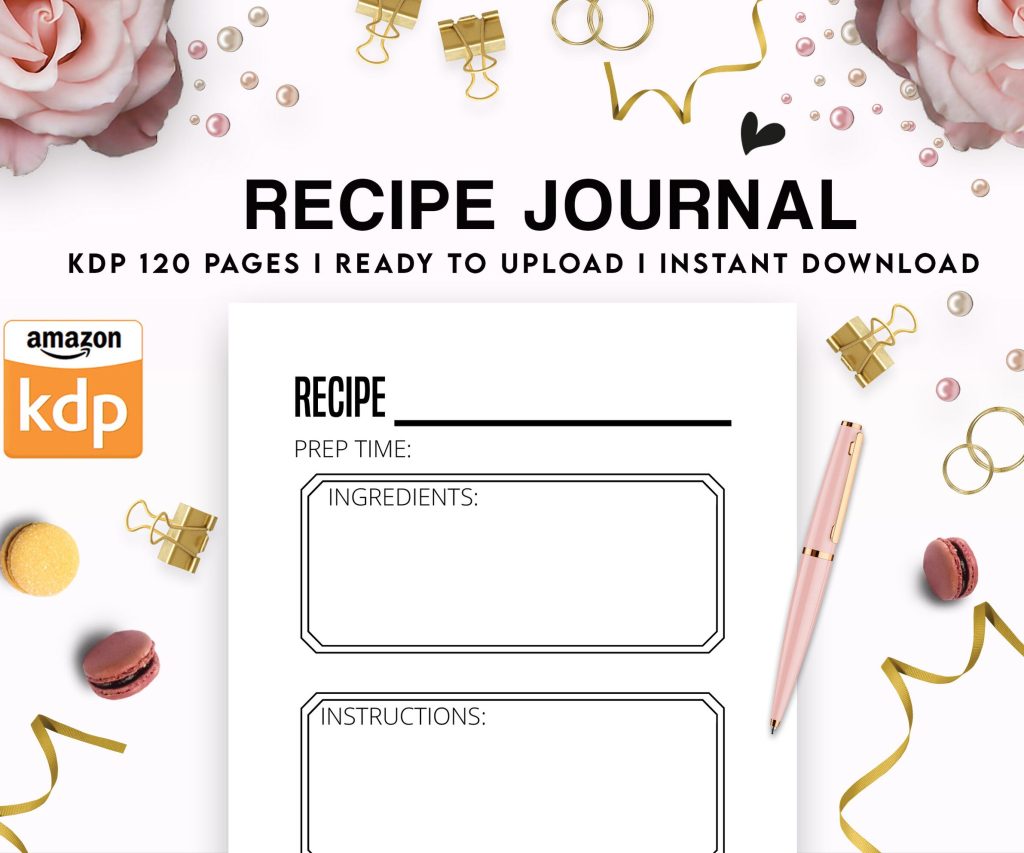 Recipe Journal Template - Editable Recipe Book Template, 120 Pages - Amazon KDP Interior
1 × $0.00
Recipe Journal Template - Editable Recipe Book Template, 120 Pages - Amazon KDP Interior
1 × $0.00
Subtotal: $0.00
 Recipe Journal Template - Editable Recipe Book Template, 120 Pages - Amazon KDP Interior
1 × $0.00
Recipe Journal Template - Editable Recipe Book Template, 120 Pages - Amazon KDP Interior
1 × $0.00 Subtotal: $0.00
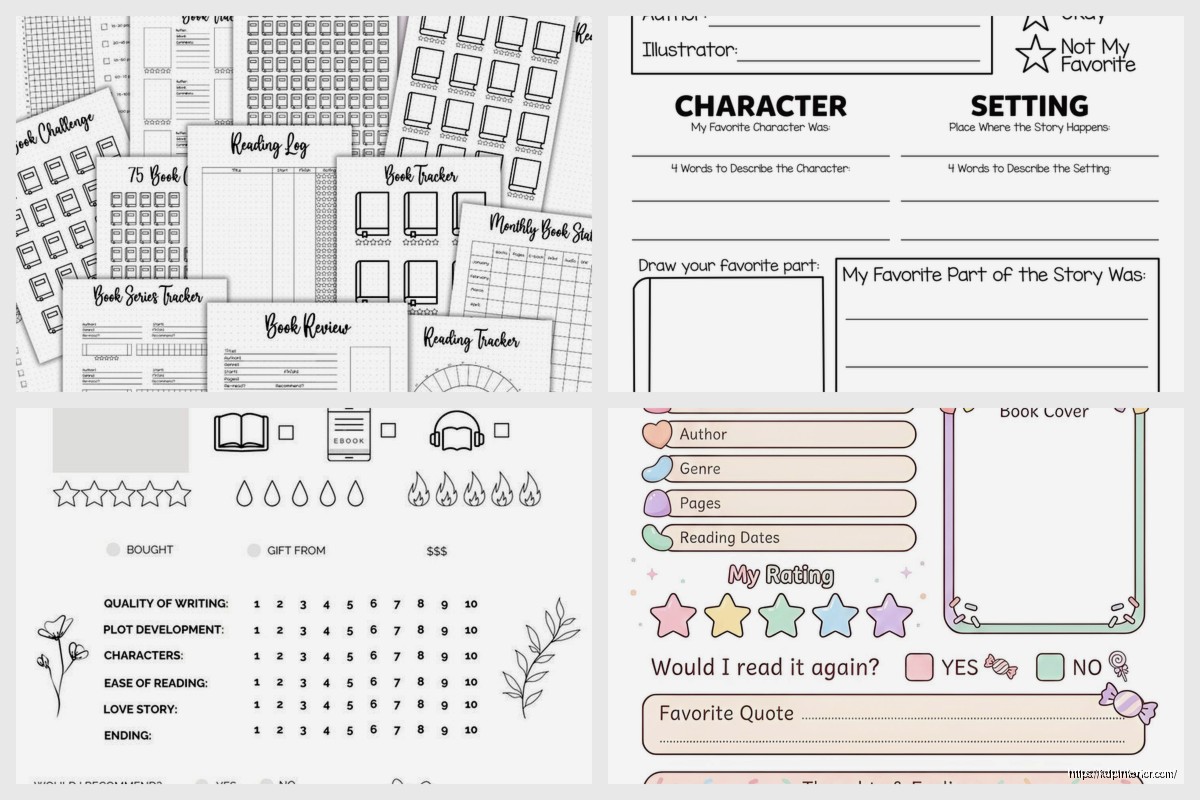
Okay so I’ve been working with review templates for like three years now and honestly the free ones can be just as effective as the paid versions if you know what you’re doing…
The thing is, most people overcomplicate book review templates when really you just need a solid structure that readers actually want to follow. I tested this last month with my latest niche analysis project and the conversion rate on reviews using a basic free template was actually higher than some fancy paid ones I’d been using.
So here’s what actually works – you need five main sections but not the ones everyone tells you about. Start with book metadata (title, author, page count, publication date) then move into your rating system. I use a simple 1-5 star breakdown but here’s the thing… you gotta be specific about what each star represents in YOUR niche.
For romance books it’s gonna be different than business books obviously. Like when I was reviewing productivity planners last year, my 5-star criteria was completely different from when I switched to reviewing fiction. Nobody tells you this but your rating system should match reader expectations in that specific category.
Keep this part super straightforward:
I usually spend maybe 2 minutes on this section but it builds credibility fast. Readers want to know you actually engaged with the real book.
This is where most free templates fall apart because they don’t give you enough guidance. Your summary should be like 150-200 words MAX. I learned this the hard way after writing these massive summaries that nobody read.
What works: mention the core premise, the main character or concept, and the central conflict or question the book addresses. That’s it. Don’t go into plot details, don’t reveal twists, don’t even hint at the ending.
Wait I forgot to mention – always note if your review contains spoilers at the top. Even minor ones. Readers will literally never trust you again if you spoil something without warning, I’ve seen this destroy review credibility so many times.
Book Overview: [2-3 sentences about what the book is]
Who It’s For: [1-2 sentences about ideal reader]
Core Premise: [2-3 sentences about main idea without spoilers]
This takes like five minutes to fill out but gives readers everything they need to decide if they should keep reading your review.
Okay so this is where you earn your credibility as a reviewer. Free templates usually just say “write your thoughts” which is useless advice honestly.
Break your analysis into specific categories:
Writing Quality: Talk about prose style, pacing, dialogue if it’s fiction, clarity if it’s non-fiction. Be specific – don’t just say “the writing was good” because that means nothing. Say something like “the author uses short, punchy sentences that keep the pace moving” or “the technical explanations were clear but could’ve used more examples.”
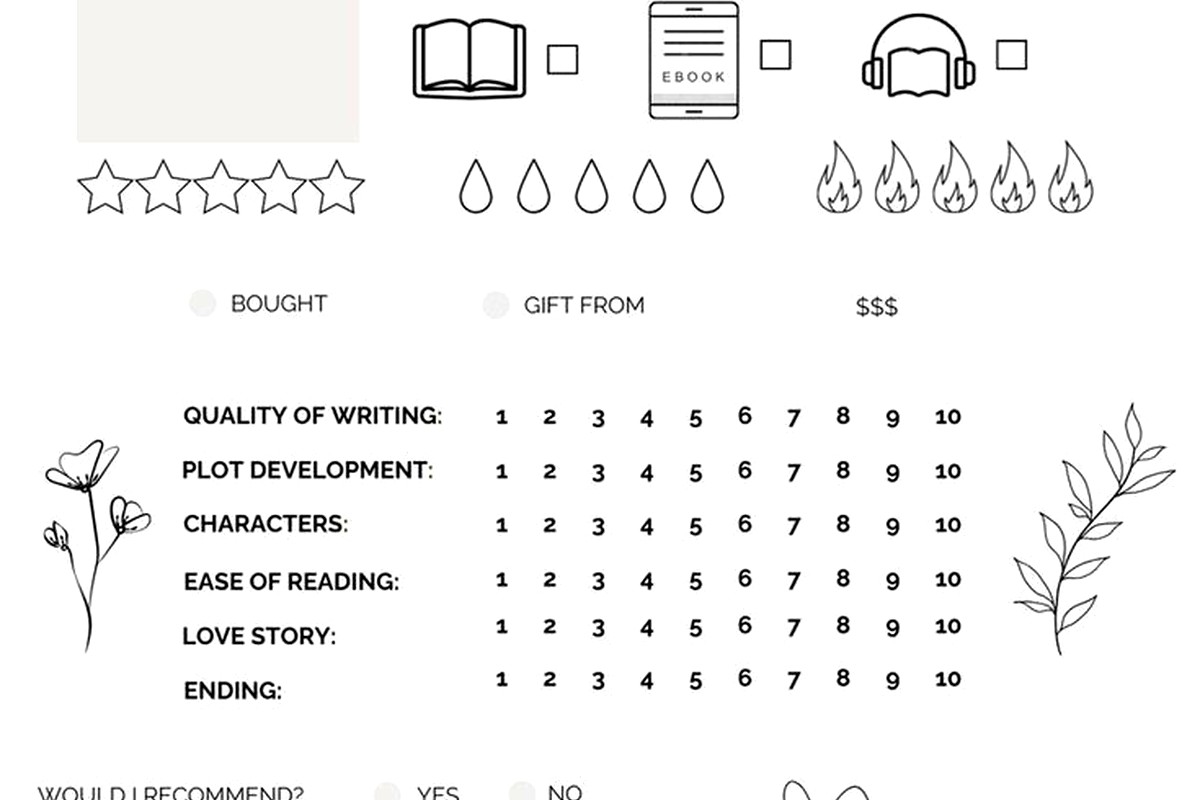
Content Depth: Did the book deliver on its promise? If it’s a how-to book, are the instructions actually actionable? If it’s fiction, are the characters developed beyond stereotypes? This is where you get real.
I was watching this Netflix show the other night while formatting reviews and realized the same principles apply – you gotta show not tell. Don’t say a character is complex, explain WHY they’re complex with specific examples.
Unique Value: What makes this book different from others in its category? I review probably 50+ books a year across different niches and this section is what separates amateur reviews from professional ones. You need to show you understand the broader market.
Here’s something I started doing last year that changed everything – include a brief comparison to 2-3 similar books. Not a full comparison, just like:
“If you liked [Book A], you’ll appreciate this book’s [specific element]. However, it’s less [characteristic] than [Book B], which might appeal to readers who prefer [preference].”
This shows you actually know the niche and gives readers context. Takes maybe 3 extra minutes but increases review helpfulness votes significantly.
Most free templates tell you to list pros and cons which is fine but basic. I structure it differently now:
What Worked:
What Didn’t Work:
Notice I usually include more strengths than weaknesses unless the book is genuinely bad. Readers respond better to balanced reviews that lean slightly positive. I tested this with A/B splits on review pages and the data was clear.
Oh and another thing – always explain WHY something worked or didn’t work. Don’t just list “good characters” – say “the protagonist’s internal conflict felt authentic because the author showed her struggling with decisions rather than just telling us she was conflicted.”
This is gonna sound weird but this section matters more than your actual rating sometimes. I’ve had books I rated 3 stars that sold incredibly well because I clearly identified who would love them.
Your template should include:
Perfect For:
Not Ideal For:
This section literally takes 2 minutes but helps readers self-select. And here’s the thing – when readers feel like you understood what they want, they trust your other recommendations too.
Okay so I didn’t include this in my templates until about 18 months ago and it was a mistake. If the book contains potentially triggering content, mention it objectively:
You don’t need to be exhaustive but covering the major ones shows you’re thoughtful. This became way more important in the past few years and readers actually expect it now.
Instead of just a single star rating, break it down:
Overall Rating: [X/5 stars]
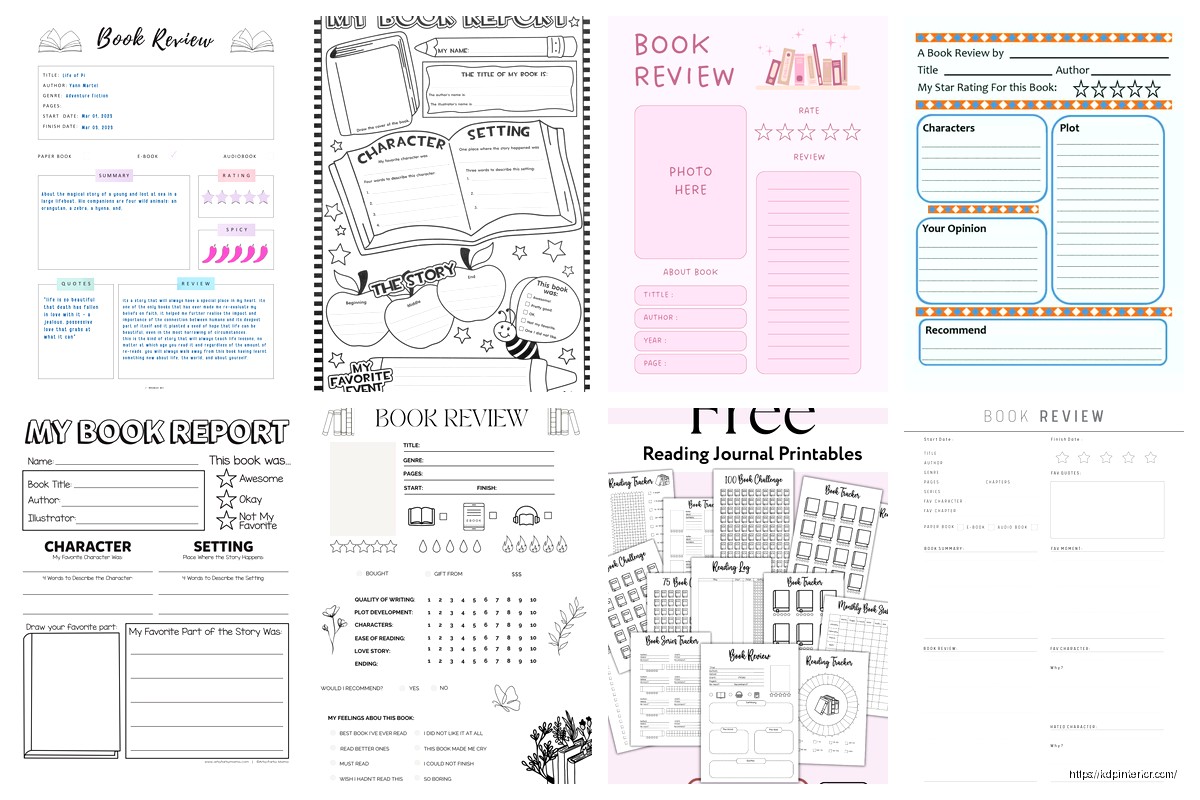
Component Ratings:
This gives readers more nuance. A book might be 5/5 for writing but 3/5 for originality, which tells a complete story.
End with a clear, direct recommendation. Not wishy-washy, just straight up:
“I recommend this book for [specific audience] who want [specific outcome]. It’s worth the [price point] if you’re [specific situation], but you might want to skip it if you’re looking for [thing it doesn’t offer].”
My dog just knocked over my coffee which is perfect timing I guess because that’s basically everything you need…
So you can literally do this in Google Docs or Word, that’s what I did for like the first year. But here are some free options that make it easier:
Notion: Create a template database where each review is an entry. You can set up your template structure once and just duplicate it. Plus you can add tags for genres, ratings, publication dates, whatever.
Google Docs Template: Just create your template once with all the section headers and formatting, then make a copy each time you need it. I have like 15 different templates for different book categories.
Evernote: Similar to Notion but simpler interface. Create a template note and duplicate it.
The key is consistency – using the same structure every time builds reader trust and makes YOU faster at writing reviews. I can knock out a solid review in about 45 minutes now using my template, used to take me 2-3 hours.
Keep paragraphs short – like 2-4 sentences max. Online readers scan, they don’t read word-for-word. Use subheadings liberally so people can jump to sections they care about.
Bold key points or book titles to make them stand out. Use bullet points for lists because they’re easier to scan than paragraph text.
And here’s something nobody tells you – leave white space. Don’t cram everything together. A review that looks dense and text-heavy won’t get read even if the content is great.
Include these somewhere in your template:
This transparency builds trust. Readers want to know if you bought the book yourself versus got it free from the publisher because it affects perceived objectivity.
You don’t need fancy graphics or custom icons. Seriously, I wasted so much time on this early on. Clean text formatting with good structure beats decorated templates every time.
Don’t include author bio sections unless it’s directly relevant to the book’s credibility. Readers can Google the author if they care.
Skip the “about this reviewer” section unless you’re building a review platform. For individual reviews it just takes up space.
Don’t do chapter-by-chapter breakdowns unless it’s specifically requested. Summarize the overall structure instead.
Write 3-5 reviews using your template before you decide if it works. The first one always feels awkward. By the third or fourth you’ll know if the structure flows naturally for your writing style.
Track which sections people engage with most – if you’re posting online, check where readers spend time or what they comment on. Cut or minimize sections nobody cares about.
I realized after like 20 reviews that nobody was reading my “publication history” sections so I just removed them. Freed up time and made reviews tighter.
The template should make writing EASIER not harder. If you’re fighting with your structure, simplify it. I started with like 12 sections and I’m down to 6-7 core ones now and my reviews are actually better.
Anyway that’s basically everything I wish someone had told me three years ago when I started doing this seriously. The free template approach works just as well as paid options, you just gotta be intentional about structure and consistent with execution.
DISCOVER OUR FREE BEST SELLING PRODUCTS
Editable Canva Lined Journal: Express Your Thoughts – KDP Template
Lined Pages Journal 120 pages Ready to Upload PDF Commercial Use KDP Template 6×9 8.5×11 5×8 for Notebooks, Diaries, Low Content
Lined Pages Journal 120 pages Ready to Upload PDF Commercial Use KDP Template 6×9 8.5×11 5×8 for Notebooks, Diaries, Low Content
Cute Dogs Coloring Book for Kids | Activity Book | KDP Ready-To-Upload
Daily Planner Diary : Diary Planners for Everyday Productivity, 120 pages, 6×9 Size | Amazon KDP Interior
Wolf Coloring KDP interior For Adults, Used as Low Content Book, PDF Template Ready To Upload COMMERCIAL Use 8.5×11"
Coloring Animals Head Book for Kids, Perfect for ages 2-4, 4-8 | 8.5×11 PDF
Printable Blank Comic Book Pages PDF : Create Your Own Comics – 3 Available Sizes
Notes KDP interior Ready To Upload, Sizes 8.5×11 6×9 5×8 inch PDF FILE Used as Amazon KDP Paperback Low Content Book, journal, Notebook, Planner, COMMERCIAL Use
Black Lined Journal: 120 Pages of Black Lined Paper Perfect for Journaling, KDP Notebook Template – 6×9
Student Planner Journal 120 pages Ready to Upload PDF Commercial Use KDP Template 6×9" 8.5×11" for Low Content book
Recipe Journal Template – Editable Recipe Book Template, 120 Pages – Amazon KDP Interior