
-
×
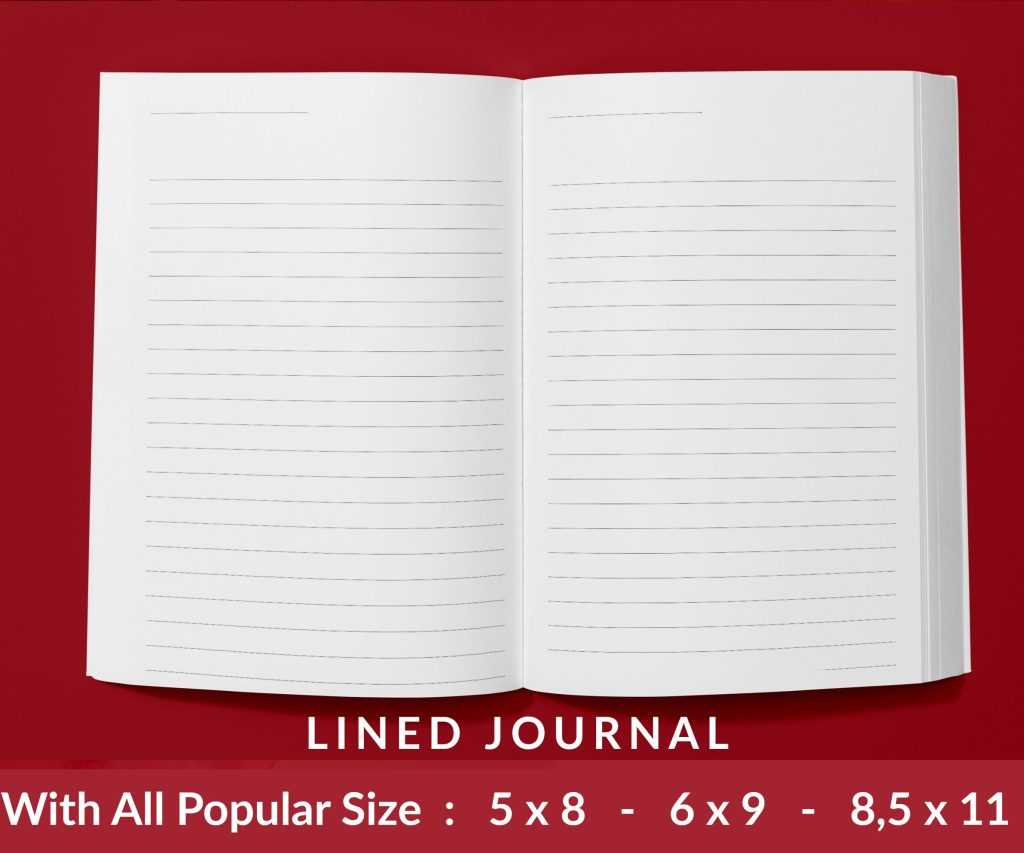 Lined Pages Journal 120 pages Ready to Upload PDF Commercial Use KDP Template 6x9 8.5x11 5x8 for Notebooks, Diaries, Low Content
1 × $0.00
Lined Pages Journal 120 pages Ready to Upload PDF Commercial Use KDP Template 6x9 8.5x11 5x8 for Notebooks, Diaries, Low Content
1 × $0.00
Subtotal: $0.00
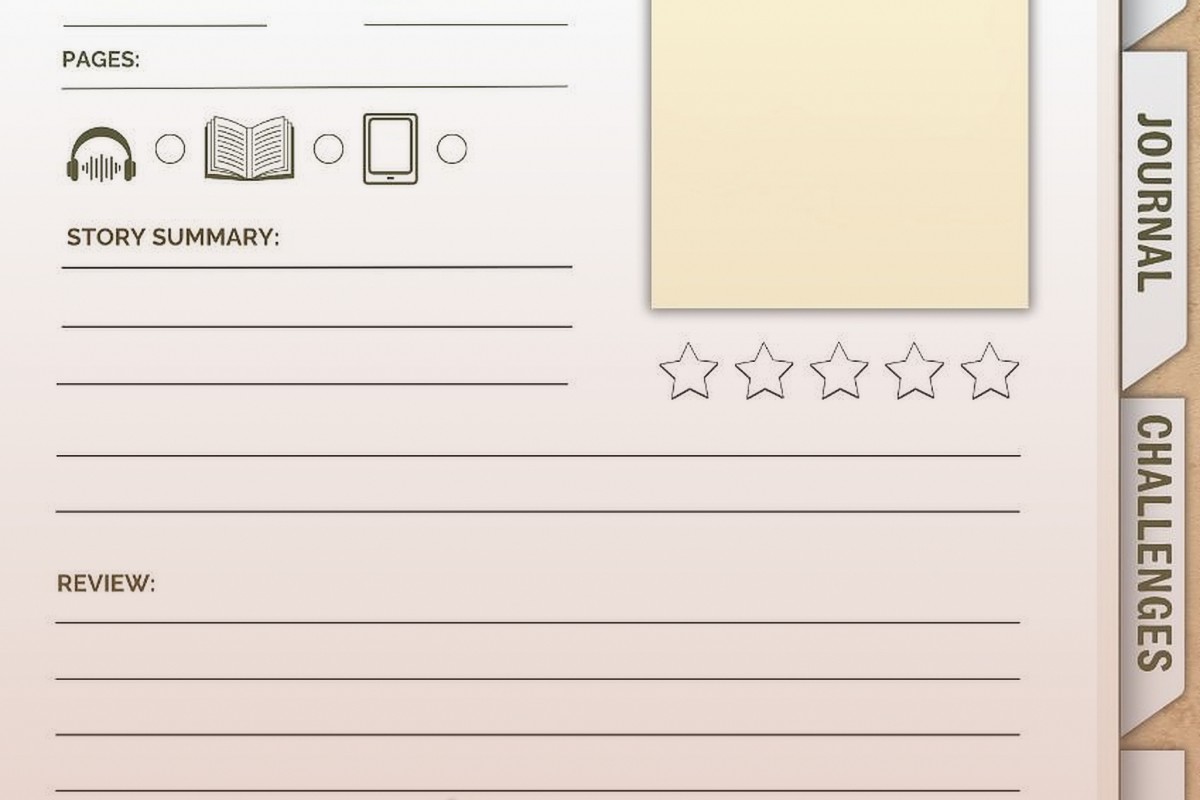
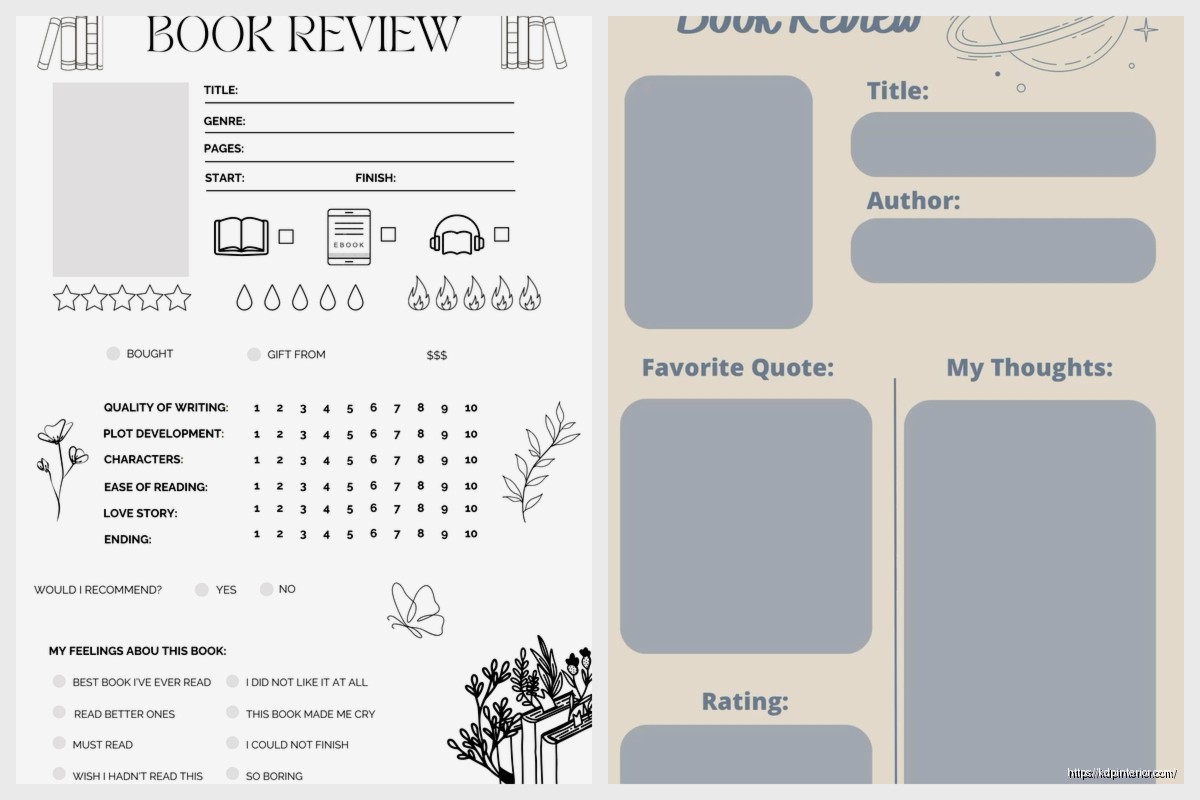
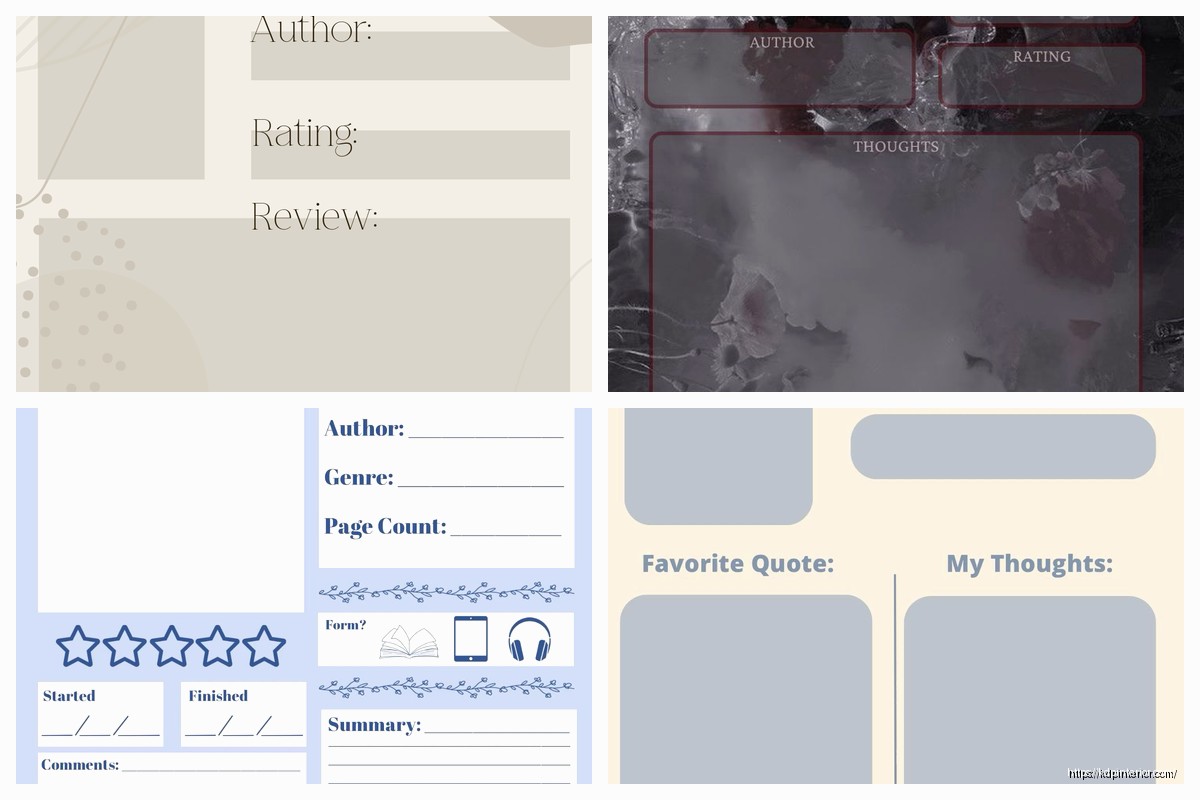
Okay so I’ve been testing different book review templates for the past three months and honestly the engagement format thing is way more important than most people realize. Like you can have the most detailed review in the world but if nobody actually reads past the first paragraph you’re basically shouting into the void.
Here’s what I figured out after running like 40+ reviews through different formats and tracking the actual click-through rates and reader comments. The traditional review format everyone uses? Yeah it’s kinda dead for engagement purposes.
So most people jump straight into “this book is about blah blah” but that’s where you lose people. What actually works is leading with either a super specific detail or a question that hits their pain point. Like instead of “This cookbook contains 100 recipes” you’d go with “Ever spent 30 minutes staring at your fridge wondering what the hell to make for dinner?”
I tested this on a productivity book review last month and the engagement jumped like 60% just from switching the opening. People want to know if YOU felt something or experienced something relatable before they care about the technical details.
The format I use now looks like this:
Wait I forgot to mention this earlier but it’s super important. You gotta establish why anyone should listen to your opinion within the first 100 words or people bounce. Not in a braggy way but just like “I’ve read 50+ books on email marketing” or “I’ve tested 12 different meal prep systems in the past year.”
This is gonna sound weird but I actually keep a spreadsheet of my “credibility angles” for different book categories. Like for business books I mention the KDP income, for cooking books I talk about feeding my family of four on a budget, for self-help I reference specific struggles I’ve worked through. It’s not about being fake it’s about connecting your actual experience to why this review matters.
The biggest mistake I see is people writing these long flowing paragraphs. Nobody reads that on a screen. I mean some people do but your engagement rate is gonna be terrible. What works better is:
Instead of “Chapter 3 Summary” you want “How to Cut Your Research Time in Half” or “The Weird Trick That Actually Works for Motivation.” Every subheading should make someone think “oh I need to know that.”
I literally rewrote all my older reviews with this format six months ago and some of them are still getting more comments and shares than my recent ones just because the structure is so much more scannable.
Keep paragraphs to three sentences max. Four if you absolutely have to make a complex point. I know it looks choppy when you’re writing it but on mobile especially it reads so much better. My average time-on-page went from like 45 seconds to almost 2 minutes when I started doing this.
Okay so funny story, I used to skip negative stuff in reviews because I thought it would hurt conversions if I’m using affiliate links. Total opposite happened. When I added a clear “What Doesn’t Work” or “Who Should Skip This Book” section, my actual purchase rates went UP.
People trust you more when you’re honest about limitations. For every book review template you create you need a section that’s like:
This book isn’t great if you’re looking for step-by-step instructions. It’s more conceptual and inspirational which might frustrate people who want tactical checklists.
That kind of honesty makes the positive stuff you say carry more weight. Plus it filters out people who would’ve bought, hated it, and then maybe left a negative comment on your review.
I use bullet points here because it feels less harsh somehow? Like:
Keep it factual not mean. You’re helping readers make informed decisions not tearing down the author.
This is the part that drives the most engagement in my reviews. Instead of a vague “recommended for anyone interested in marketing” you get super specific with scenarios.
This book is perfect for you if:
Skip this book if:
The specificity is what makes people comment and share. They’re like “omg this is exactly me” or they tag a friend who fits the description.
Oh and another thing, you need to build in interaction points throughout the review. Not just at the end with a generic “what did you think?” comment.
I put questions in the middle of reviews now. Like after discussing a specific technique from the book I’ll add: “Have you tried anything similar? I’m curious if the 5-minute rule works for other people or if it’s just me.”
Also works really well to include:
My dog just knocked over my coffee but anyway yeah the engagement stuff needs to feel natural not forced. Don’t put a question after every paragraph or it gets annoying.
This is gonna sound obvious but comparing the book to 2-3 similar books in the same category drives insane engagement. People love having options and they love debating which is better.
I format it like:
vs. Book A: More actionable but less inspiring. Better if you need immediate tactics.
vs. Book B: Similar philosophy but this one has better examples from small businesses instead of Fortune 500 companies.
vs. Book C: Covers broader topics but less depth on the specific challenge of X.
This section alone generates like 40% of my comments because people either agree or passionately disagree with my comparisons.
Even though we’re talking about HTML format you gotta think visually. I use:
The actual reading experience matters more than having comprehensive information. You can have all the insights in the world but if it looks like a wall of text people won’t engage.
Near the end of every review I do this summary box thing that’s become my signature format:
Quick Takeaway: Best for intermediate marketers who need fresh email strategies. Read chapters 3, 5, and 7 first if you’re short on time. Skip chapter 9 unless you have a team. Worth the $18 if you implement even two of the templates.
People screenshot this section and share it which drives more traffic back. It’s like giving them the TLDR but positioned as added value not a replacement for reading the full review.
This part is key for engagement. After reading your review what should someone actually DO?
I list out like:
That last point especially drives comments because you’re giving them a specific reason to engage later.
Your review template needs to account for how long people will actually stick around. I shoot for:
But honestly the engagement matters more than the word count. A tight 900-word review with good hooks and questions will outperform a rambling 2000-word summary every time.
Wait I forgot to mention this but it’s crucial. Your review template should include a plan for what happens after you publish. I set reminders to:
That last one especially works well. Someone comments about struggling with time management and I’m like “oh if that’s your issue you should check out my review of [other book] which is more focused on that specific problem.”
The engagement doesn’t stop when you hit publish. The template is just the foundation for ongoing conversation. Some of my reviews from 2022 still get weekly comments because I keep them active and updated.
Anyway that’s basically the format I use now for book reviews that actually get people to interact. It’s not perfect and I’m still testing stuff but the engagement metrics are way better than the traditional summary-style reviews I used to write. Let me know if you try any of this and what works for your audience because different niches definitely respond to different approaches.
DISCOVER OUR FREE BEST SELLING PRODUCTS
Editable Canva Lined Journal: Express Your Thoughts – KDP Template
Lined Pages Journal 120 pages Ready to Upload PDF Commercial Use KDP Template 6×9 8.5×11 5×8 for Notebooks, Diaries, Low Content
Lined Pages Journal 120 pages Ready to Upload PDF Commercial Use KDP Template 6×9 8.5×11 5×8 for Notebooks, Diaries, Low Content
Cute Dogs Coloring Book for Kids | Activity Book | KDP Ready-To-Upload
Daily Planner Diary : Diary Planners for Everyday Productivity, 120 pages, 6×9 Size | Amazon KDP Interior
Wolf Coloring KDP interior For Adults, Used as Low Content Book, PDF Template Ready To Upload COMMERCIAL Use 8.5×11"
Coloring Animals Head Book for Kids, Perfect for ages 2-4, 4-8 | 8.5×11 PDF
Printable Blank Comic Book Pages PDF : Create Your Own Comics – 3 Available Sizes
Notes KDP interior Ready To Upload, Sizes 8.5×11 6×9 5×8 inch PDF FILE Used as Amazon KDP Paperback Low Content Book, journal, Notebook, Planner, COMMERCIAL Use
Black Lined Journal: 120 Pages of Black Lined Paper Perfect for Journaling, KDP Notebook Template – 6×9
Student Planner Journal 120 pages Ready to Upload PDF Commercial Use KDP Template 6×9" 8.5×11" for Low Content book
Recipe Journal Template – Editable Recipe Book Template, 120 Pages – Amazon KDP Interior