-
×
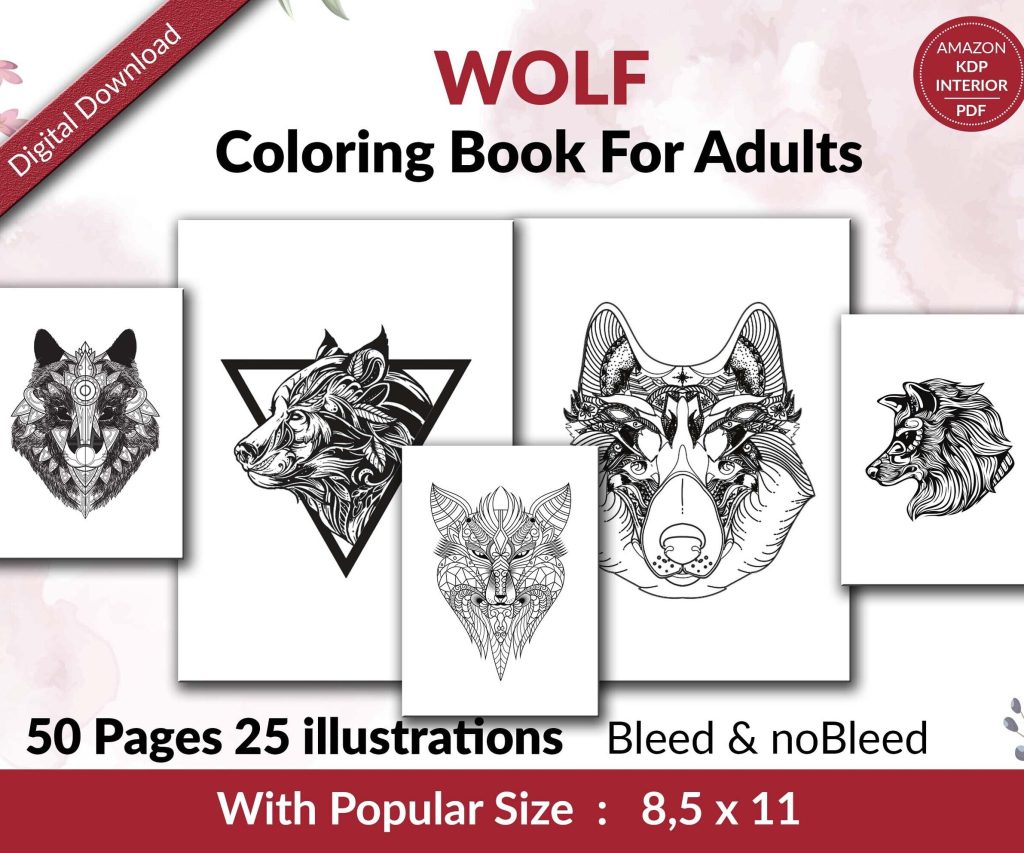 Wolf Coloring KDP interior For Adults, Used as Low Content Book, PDF Template Ready To Upload COMMERCIAL Use 8.5x11"
1 × $0.00
Wolf Coloring KDP interior For Adults, Used as Low Content Book, PDF Template Ready To Upload COMMERCIAL Use 8.5x11"
1 × $0.00
Subtotal: $0.00

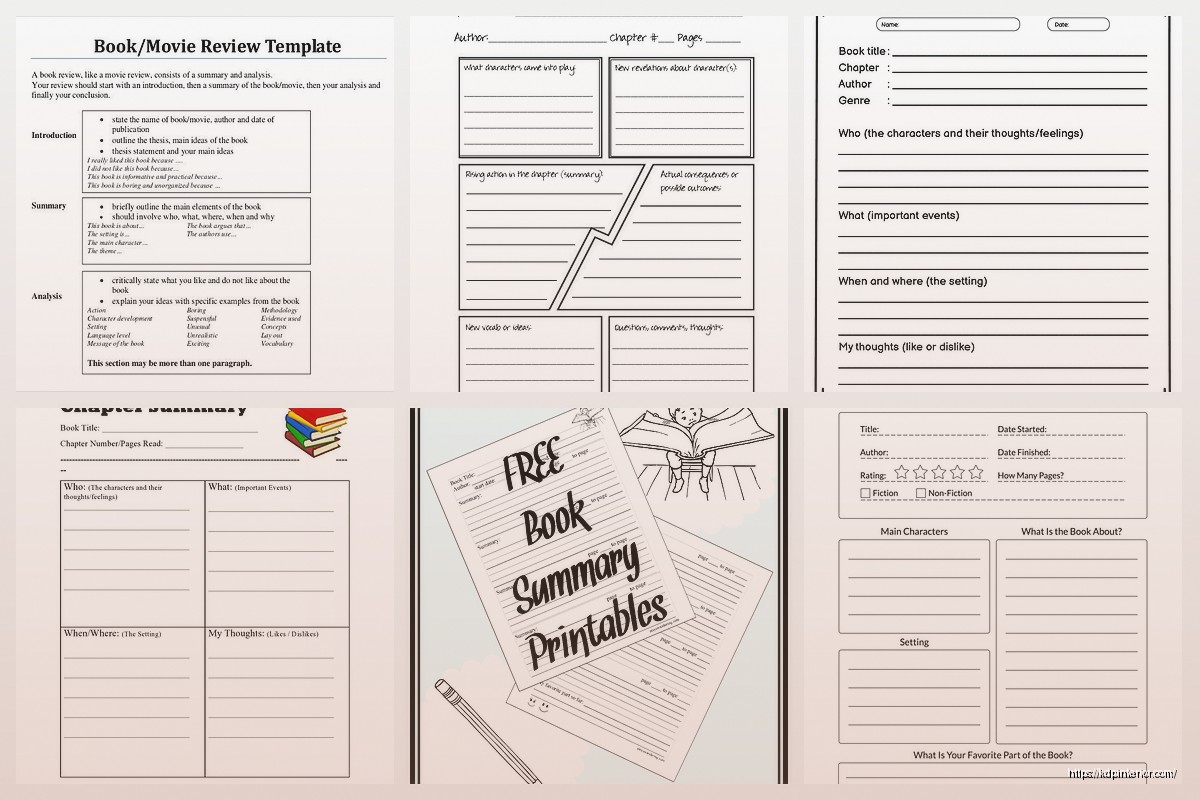
Okay so here’s the thing about synopsis writing that nobody really explains well – there’s actually like three different formats you need to know depending on what you’re doing with it, and I literally just had to rewrite one for a client last week who got them all mixed up.
First off, the short description that goes on Amazon – that’s not technically a synopsis, that’s your sales copy, right? But people call it a synopsis all the time and it confuses everything. That one’s like 150-300 words max and it’s gotta sell the book. Very different beast.
The actual synopsis publishers and agents want? That’s usually 500-1000 words, single-spaced, and here’s the kicker – it spoils EVERYTHING. Like you tell them exactly how it ends, who dies, who the killer is, all of it. This threw me off so hard when I first started because I was trying to be mysterious and my editor was like… no Daniel, we need to know if this story actually goes somewhere.
Then there’s the longer synopsis some publishers want which is basically 2-3 pages that breaks down every major plot point. I hate writing these honestly.
Let me start with the one you’ll probably use most if you’re self-publishing. This needs to hook readers in the first sentence – and I mean literally the first 10 words because that’s what shows before the “read more” button on mobile.
Your structure should kinda look like:
I was watching this show on Netflix the other night – can’t remember the name but it had this terrible description that just listed character names – and it reminded me that nobody cares about character names in a synopsis. They care about WHO the character is. “A struggling single mom” tells me more than “Jennifer Smith.”
Here’s what I mean with an actual example I wrote last month:
When Sarah discovers her dead grandmother’s diary, she expects family recipes and old memories. Instead, she finds evidence that her entire family history is a carefully constructed lie. Now someone’s willing to kill to keep those secrets buried, and Sarah has three days to uncover the truth before she becomes the next victim. But digging into the past means destroying everything she thought she knew about the people she loves.
See how that works? You know the stakes, you know the timeline, you know the internal conflict. And it’s only like 70 words.
This one’s gonna feel weird to write because you’re basically writing a super condensed version of your entire book with zero drama or suspense. It’s a technical document, not a sales tool.
Format stuff that actually matters:
That last one trips people up constantly. Your synopsis should read like “John discovers the truth” not “I discover the truth” even if your book is first person POV.
Every major plot point. And I mean major – you’re not including every scene or conversation. Think of it like… if someone asked you to explain the entire plot of a movie you just watched in about five minutes. You’d hit the big moments, right?
Start with your protagonist’s normal world and the inciting incident. Then hit each major turning point. The midpoint twist. The low point. The climax. The resolution. All of it.
Character names should be in ALL CAPS the first time you mention them, then normal after that. So: “SARAH discovers her grandmother’s diary” then later just “Sarah investigates further.”
Oh and another thing – you gotta include the ending. I know I said this already but I’m saying it again because SO many people try to leave it mysterious and that’s an automatic rejection from most agents. They need to know your story has a satisfying conclusion before they invest time in reading the whole manuscript.
Including too many characters. If they’re not essential to the main plot, leave them out. I had this thriller last year with like 8 POV characters and trying to include them all in the synopsis made it completely unreadable. I ended up focusing on just the three main ones and mentioning the others only when absolutely necessary.
Getting too detailed about subplots. Your romance subplot probably gets one sentence unless it’s directly tied to the main conflict.
Using flowery language. This isn’t the place for your beautiful prose. “Sarah feels devastated by the betrayal” is better than “Sarah’s heart shattered into a million pieces, each one a tiny mirror reflecting her broken trust.”
Wait I forgot to mention – word count for traditional synopsis is usually in the submission guidelines but if they don’t specify, aim for about one page per 25-30 pages of manuscript. So a 300-page novel would get roughly a 10-page synopsis, but honestly most agents prefer shorter. The 500-word version is usually safest.
Here’s how I do it and it’s probably not the “official” way but it works:
First, I open a new document and just brain dump every major scene in bullet points. Not worrying about word count or flow, just getting down what happens. Usually ends up being like 30-40 bullet points for a full novel.
Then I go through and delete anything that’s not absolutely critical to understanding the main plot. Can the story make sense without this point? Delete it. This usually cuts it down to maybe 15-20 points.
Then I start turning those bullets into actual paragraphs, connecting them with transitions. This is where you’re gonna feel like the writing is clunky and that’s fine. It’s supposed to be clear, not beautiful.
My cat just knocked over my coffee which is perfect timing for a break actually… but anyway.
You need to move between plot points smoothly even though you’re covering a ton of ground. Some transitions I use constantly:
These are super basic but they keep the synopsis moving without getting too fancy.
Oh wait I should mention this one too because it’s different from both the Amazon description and the agent synopsis. If you’re doing print books, you need back cover copy which is usually 150-200 words and sits somewhere between the two.
It’s like the Amazon description but a tiny bit more formal, a tiny bit longer. You still don’t spoil the ending. You still focus on hook and stakes. But you might have room for an extra sentence about the world-building or the character’s background.
I usually write the back cover copy first, then expand it for Amazon where I can use formatting and bullet points, then create the totally separate agent synopsis.
Since we’re talking about different formats, lemme share what actually works for Amazon descriptions because their formatting is… limited but you can work with it.
You can use basic HTML in your book description:
That white space thing is huge. A wall of text performs terribly. I break up my descriptions into short paragraphs – like 2-3 sentences max per paragraph. Makes it way more readable on mobile.
I tested a bunch of different opening hooks last year across like 40 different books and here’s what actually moved the needle on conversions:
The “What if” hook: “What if everything you knew about your family was a lie?”
The stakes-first hook: “She has 48 hours to find the killer. Or she’ll be the next victim.”
The contradiction hook: “He’s supposed to save the kingdom. Instead, he might destroy it.”
The personal cost hook: “Solving this case could save hundreds of lives. It will definitely cost her everything she loves.”
This is gonna sound weird but I actually keep a swipe file of book descriptions that made me want to buy the book, even in genres I don’t normally read. When I’m stuck on a synopsis, I look through those for structural inspiration.
Here’s something most people don’t do but should – test your synopsis before you publish. I mean this for self-publishers mainly but even if you’re querying agents, you can test the clarity.
Send it to a friend who hasn’t read your book. Ask them to explain the plot back to you. If they’re confused about major elements or they thought something different happened, your synopsis isn’t clear enough.
I learned this the hard way with a sci-fi book where I thought I was being clever with how I described the twist but literally everyone who read the synopsis thought the twist was something completely different. Had to rewrite it to be way more straightforward.
Romance synopsis needs to introduce both main characters and hint at the central conflict keeping them apart. You don’t spoil the HEA in the Amazon description but you absolutely do in an agent synopsis.
Mystery/thriller synopsis should establish the crime or threat immediately, introduce your detective/protagonist, and give a sense of the stakes. The Amazon version stops before revealing the killer. The agent version tells them exactly who did it and how they’re caught.
Fantasy/sci-fi synopsis needs just enough world-building to make sense but not so much that you’re spending half the synopsis explaining magic systems. This is tough. I usually do one sentence of world context then jump straight into character and conflict.
Non-fiction synopsis is completely different and honestly that’s a whole separate thing – you’re basically writing an extended pitch that explains what problem the book solves and why you’re qualified to write it.
Before you submit or publish, read your synopsis out loud. I know everyone says this but it really helps catch awkward phrasing and run-on sentences. Your synopsis should flow even though it’s covering a lot of ground quickly.
Cut any redundant phrases. “She decides to investigate” can usually be “She investigates.” You’re working with limited word count so every word needs to pull its weight.
Make sure character motivations are clear. “Sarah investigates because she needs to know the truth” is vague. “Sarah investigates because if her grandmother was lying, it means her mother’s death might not have been an accident” gives us stakes and motivation.
Check that cause and effect is obvious. Each plot point should logically lead to the next. If something happens that seems random, you need to add a connecting sentence explaining why.
Anyway that’s basically the whole thing. You’re gonna hate writing these at first because they feel mechanical and like you’re spoiling your own book, but they get easier once you understand they serve completely different purposes than your actual manuscript. The synopsis is a technical document proving you can structure a complete story, not a demonstration of your prose skills.
DISCOVER OUR FREE BEST SELLING PRODUCTS
Editable Canva Lined Journal: Express Your Thoughts – KDP Template
Lined Pages Journal 120 pages Ready to Upload PDF Commercial Use KDP Template 6×9 8.5×11 5×8 for Notebooks, Diaries, Low Content
Lined Pages Journal 120 pages Ready to Upload PDF Commercial Use KDP Template 6×9 8.5×11 5×8 for Notebooks, Diaries, Low Content
Cute Dogs Coloring Book for Kids | Activity Book | KDP Ready-To-Upload
Daily Planner Diary : Diary Planners for Everyday Productivity, 120 pages, 6×9 Size | Amazon KDP Interior
Wolf Coloring KDP interior For Adults, Used as Low Content Book, PDF Template Ready To Upload COMMERCIAL Use 8.5×11"
Coloring Animals Head Book for Kids, Perfect for ages 2-4, 4-8 | 8.5×11 PDF
Printable Blank Comic Book Pages PDF : Create Your Own Comics – 3 Available Sizes
Notes KDP interior Ready To Upload, Sizes 8.5×11 6×9 5×8 inch PDF FILE Used as Amazon KDP Paperback Low Content Book, journal, Notebook, Planner, COMMERCIAL Use
Black Lined Journal: 120 Pages of Black Lined Paper Perfect for Journaling, KDP Notebook Template – 6×9
Student Planner Journal 120 pages Ready to Upload PDF Commercial Use KDP Template 6×9" 8.5×11" for Low Content book
Recipe Journal Template – Editable Recipe Book Template, 120 Pages – Amazon KDP Interior