-
×
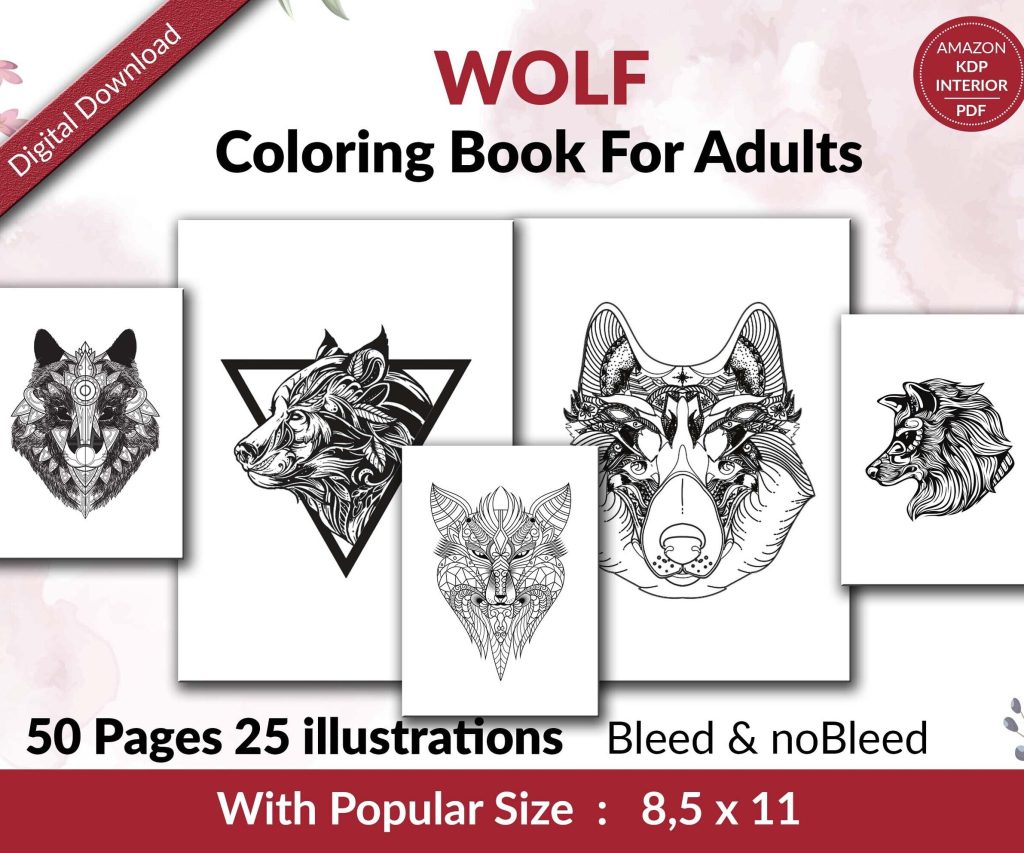 Wolf Coloring KDP interior For Adults, Used as Low Content Book, PDF Template Ready To Upload COMMERCIAL Use 8.5x11"
1 × $0.00
Wolf Coloring KDP interior For Adults, Used as Low Content Book, PDF Template Ready To Upload COMMERCIAL Use 8.5x11"
1 × $0.00
Subtotal: $0.00

Okay so I’ve written probably 200+ book descriptions and synopses at this point and honestly the biggest mistake everyone makes is thinking a synopsis and a back-cover blurb are the same thing. They’re NOT and it’s gonna mess you up if you don’t get this straight from the beginning.
A synopsis is the full story breakdown. Like, everything that happens including the ending. Literary agents want this, some publishers want it, and honestly I use them internally even for my low-content planning because it keeps me organized. The template I’m about to give you works for fiction mainly but you can adapt it.
A book description (the thing on Amazon) is different – that’s your sales pitch, ends on a cliffhook, doesn’t reveal everything. Don’t confuse these or you’ll spoil your entire novel in your product description and wonder why nobody’s buying.
Here’s what works and I’ve tested this with my own fiction stuff plus helped maybe 30-40 other KDP authors refine theirs:
Opening paragraph: Introduce your main character, their world, and the inciting incident. This should be 3-5 sentences max. You want: who they are, what their normal life is, what changes everything.
Example structure: “[Character name] is a [description] living in [setting]. They [what they do/their situation]. When [inciting incident happens], everything changes.”
Second paragraph: The main conflict and stakes. What does your protagonist want? What’s stopping them? Why does it matter if they fail? This is where you lay out the central tension.
Middle paragraphs: Major plot points in chronological order. Hit the key turning points, character revelations, complications. Don’t get bogged down in every scene but don’t skip the important stuff either. I usually do 2-3 paragraphs here depending on complexity.
Final paragraph: The climax and resolution. Yes, you spoil the ending. That’s the point. Agents and publishers need to know you can actually finish a story arc.
This trips people up constantly. Different situations need different lengths:
Always check submission guidelines if you’re sending to agents. Some want one page exactly and they mean it. I learned this the hard way when I tried traditional publishing before going full KDP – got rejected from three agents just because I sent 2 pages instead of 1. They didn’t even read it.
Alright here’s the actual template I keep in Google Docs and just duplicate every time:
BOOK TITLE
Genre: [Your genre]
Word count: [Approximate]
Target audience: [Who’s this for]
SYNOPSIS
[Opening paragraph with character intro and inciting incident] [Conflict and stakes paragraph] [Major plot development 1 – including any important secondary characters introduced here] [Major plot development 2 – complications, raising stakes, character growth moments] [Major plot development 3 if needed – the “all is lost” moment usually goes here] [Climax and resolution – how it ends, character arcs completed]Oh and another thing – write in third person present tense even if your book isn’t. So instead of “Sarah walked into the room and saw the letter,” you write “Sarah walks into the room and sees the letter.” It’s convention and makes everything feel more immediate.
I see these constantly and they’re so easy to fix:
Too much detail. You don’t need every conversation. Hit the plot points that move the story forward. When I first started I was including like every character’s backstory and motivation… nobody cares in a synopsis. Save that depth for the actual manuscript.
Forgetting character names. Don’t write “the detective” or “the love interest” – use actual names. Makes it way easier to follow.
Being vague about the ending. This isn’t a blurb. “And then Sarah must make a difficult choice that will determine everyone’s fate” – NO. Tell us what choice she makes and what happens. The whole point is proving you have a complete story.
Including subplots that don’t matter. Unless a subplot directly impacts the main storyline resolution, cut it. My dog just knocked over my coffee but anyway yeah, keep it focused on the primary narrative thread.
Use a standard font. Times New Roman or Arial, 12pt. I know it seems boring but this isn’t the place to get creative with typography.
Single-spaced is standard now, though some older guidelines still say double-spaced. Check the specific requirements if submitting somewhere.
Include a header with your name, book title, and page number if it goes beyond one page.
Margins should be 1 inch all around.
Wait I forgot to mention – if you need to turn a long synopsis into a short one fast, here’s what I do. Go through and highlight only the sentences that are absolutely essential to understanding the main plot. Like if someone had never read your book and needed to explain it to someone else, what would they NEED to know?
Those highlighted sentences become your short synopsis. Then smooth out the transitions between them. Works probably 80% of the time without needing a full rewrite.
The template changes a bit here. Non-fiction synopsis structure:
Opening: What problem does your book solve? Who’s it for? What’s the unique angle or approach?
Middle sections: Break down the main chapters or sections. What ground do you cover? What frameworks or systems do you present? Use bullet points if it helps clarify.
Conclusion: What transformation or knowledge does the reader walk away with?
I use this for my KDP guides and publishing strategy ebooks. It’s more straightforward honestly because there’s no plot to track, just information architecture.
This is gonna sound weird but you need to track emotional journey in your synopsis, not just plot events. Especially for character-driven fiction.
Don’t just write: “Marcus discovers the conspiracy. He investigates further. He confronts the villain.”
Instead: “Marcus discovers the conspiracy, shattering his trust in the organization he’s served for twenty years. Driven by betrayal and determination, he investigates further, alienating his family in the process. When he finally confronts the villain, he must choose between exposing the truth and protecting the people he loves.”
See the difference? The second version shows internal stakes and character development alongside the plot progression.
Romance: Make sure you clearly show the relationship development arc. How do they meet, what keeps them apart, how do they overcome it, what’s the happily-ever-after or happy-for-now?
Mystery/Thriller: Hit the major clues and red herrings. Show how the protagonist pieces things together. Don’t save the “who did it” for suspense – reveal it.
Fantasy/Sci-Fi: You gotta establish the world rules early but don’t spend half the synopsis on worldbuilding. One or two sentences max for setting context, then get into character and conflict.
Literary Fiction: Focus more on character transformation and themes. Plot might be less linear and that’s okay – the synopsis should reflect the book’s actual structure and priorities.
Hand it to someone who hasn’t read your book. Can they follow the story? Do they understand what happens and why? If they’re confused about character motivations or plot logic, you need to clarify.
I usually test mine on my wife who doesn’t read in my genres at all. If she can follow it, it’s probably clear enough. She’s watching that baking show while I’m writing this and honestly it’s distracting but whatever.
Read it out loud. Awkward phrasing becomes super obvious when you vocalize it. Places where you stumble are places that need smoothing.
First draft is always gonna be too long. That’s fine. Write everything out, get the full story down.
Second pass: cut unnecessary adjectives and adverbs. “She ran quickly” becomes “she ran.” “The dark, ominous forest” becomes “the forest.” You don’t have space for flowery prose here.
Third pass: tighten transitions. Make sure each paragraph flows logically to the next. Add connecting phrases if needed but keep them minimal.
Fourth pass: check that you’ve included all major plot points and no minor ones. This is where you’re ruthless about what actually matters.
Agent submission synopsis: Follow their guidelines exactly. Usually 1-2 pages. Professional tone, third person present tense, complete story arc.
Publisher pitch synopsis: Similar to agent version but might include comparable titles and market positioning in a separate section above the synopsis itself.
Internal planning synopsis: Can be longer and messier. Include notes to yourself, questions to resolve, alternative plot directions. This is just for you so do whatever helps.
Marketing synopsis: Shorter, more focused on hook and appeal. Still spoils the ending but emphasizes what makes the story unique and marketable.
Some templates include this above the synopsis. It looks like:
“[Your Book Title] will appeal to readers who enjoyed [Recent Book 1] and [Recent Book 2], combining [element from Book 1] with [element from Book 2].”
Keep comp titles recent (within 2-3 years), successful but not TOO successful (don’t comp to Harry Potter or Hunger Games), and actually similar to your book’s content or style.
The synopsis isn’t meant to be beautiful prose. It’s a functional document that proves you can tell a complete story with proper structure. Keep that in mind and you’ll stress less about making it perfect.
I’ve probably spent way too much time perfecting my synopsis template over the years but it saves me hours now every time I start a new project. Just duplicate, fill in the blanks, adjust as needed. Done.
DISCOVER OUR FREE BEST SELLING PRODUCTS
Editable Canva Lined Journal: Express Your Thoughts – KDP Template
Lined Pages Journal 120 pages Ready to Upload PDF Commercial Use KDP Template 6×9 8.5×11 5×8 for Notebooks, Diaries, Low Content
Lined Pages Journal 120 pages Ready to Upload PDF Commercial Use KDP Template 6×9 8.5×11 5×8 for Notebooks, Diaries, Low Content
Cute Dogs Coloring Book for Kids | Activity Book | KDP Ready-To-Upload
Daily Planner Diary : Diary Planners for Everyday Productivity, 120 pages, 6×9 Size | Amazon KDP Interior
Wolf Coloring KDP interior For Adults, Used as Low Content Book, PDF Template Ready To Upload COMMERCIAL Use 8.5×11"
Coloring Animals Head Book for Kids, Perfect for ages 2-4, 4-8 | 8.5×11 PDF
Printable Blank Comic Book Pages PDF : Create Your Own Comics – 3 Available Sizes
Notes KDP interior Ready To Upload, Sizes 8.5×11 6×9 5×8 inch PDF FILE Used as Amazon KDP Paperback Low Content Book, journal, Notebook, Planner, COMMERCIAL Use
Black Lined Journal: 120 Pages of Black Lined Paper Perfect for Journaling, KDP Notebook Template – 6×9
Student Planner Journal 120 pages Ready to Upload PDF Commercial Use KDP Template 6×9" 8.5×11" for Low Content book
Recipe Journal Template – Editable Recipe Book Template, 120 Pages – Amazon KDP Interior