-
×
 Black Lined Journal: 120 Pages of Black Lined Paper Perfect for Journaling, KDP Notebook Template - 6×9
1 × $0.00
Black Lined Journal: 120 Pages of Black Lined Paper Perfect for Journaling, KDP Notebook Template - 6×9
1 × $0.00
Subtotal: $0.00
 Black Lined Journal: 120 Pages of Black Lined Paper Perfect for Journaling, KDP Notebook Template - 6×9
1 × $0.00
Black Lined Journal: 120 Pages of Black Lined Paper Perfect for Journaling, KDP Notebook Template - 6×9
1 × $0.00 Subtotal: $0.00
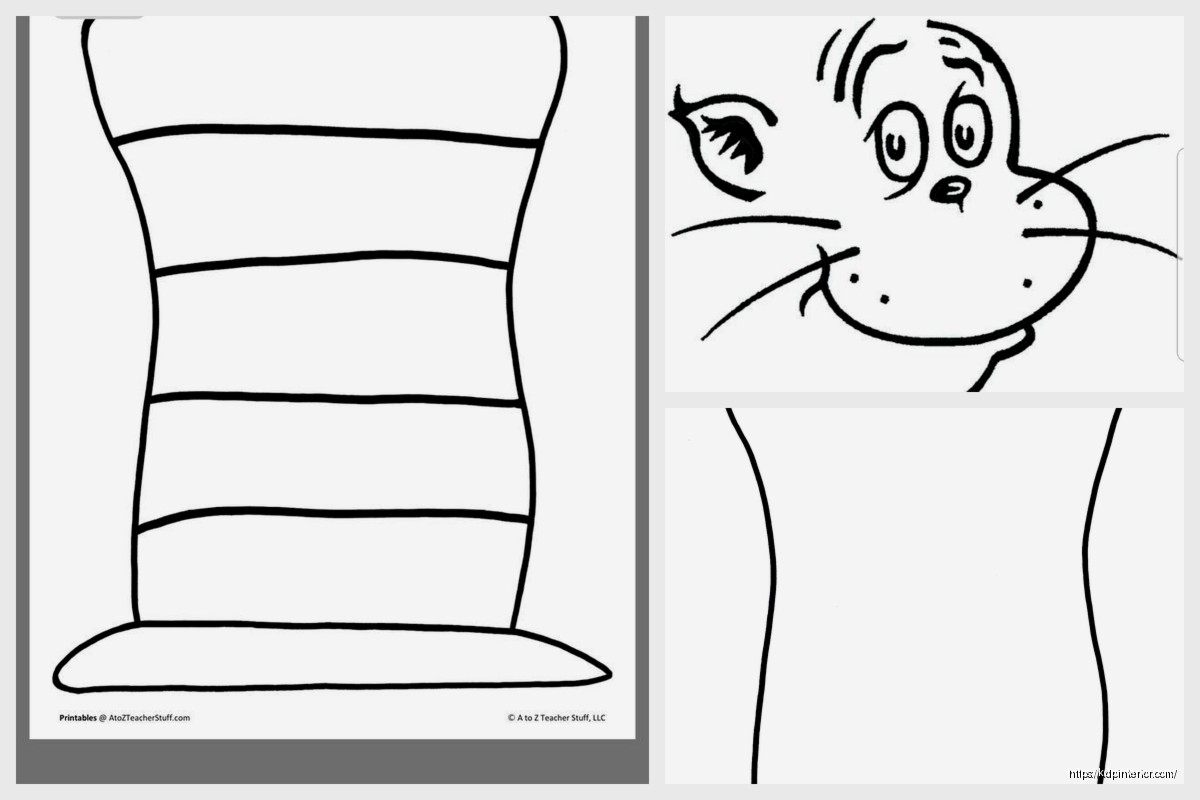
Okay so I was analyzing Cat in the Hat last week because someone in my KDP group asked about story structure for children’s books and honestly this book is like a masterclass in keeping kids engaged. Let me break down what Seuss actually did here because it’s way smarter than people realize.
The opening is deceptively simple right. Two kids sitting inside on a rainy day, doing absolutely nothing. Mother’s gone. They’re bored out of their minds. And here’s what most people miss – Seuss establishes the problem (boredom) and the constraint (can’t go outside) in like the first two pages. That’s it. No lengthy world-building, no backstory about why mom left or where she went.
The narrator voice is a kid, probably Sally based on context clues though it’s never explicitly stated in the original. This matters because you’re getting that first-person limited perspective which makes the chaos feel more immediate. When the Cat shows up it’s genuinely disruptive to their world.
BUMP. That’s literally how the Cat announces himself. The structure here is so tight – you’ve got maybe 8-10 pages of setup before the Cat appears. Compare that to modern picture books that spend half the book on exposition… Seuss knew kids have like a 30-second attention span.
The Cat walks in and immediately establishes himself as chaos incarnate. He’s tall, he’s got that ridiculous hat, and within seconds he’s proposing “fun” to these bored kids. The conflict emerges instantly through the fish – oh and another thing, the fish is basically the voice of reason/anxiety that kids (and honestly adults) feel when they’re about to do something they probably shouldn’t.
This is where Seuss does something really clever with escalation. It’s not just one big chaotic event – it’s a series of increasingly impossible stunts that build on each other:
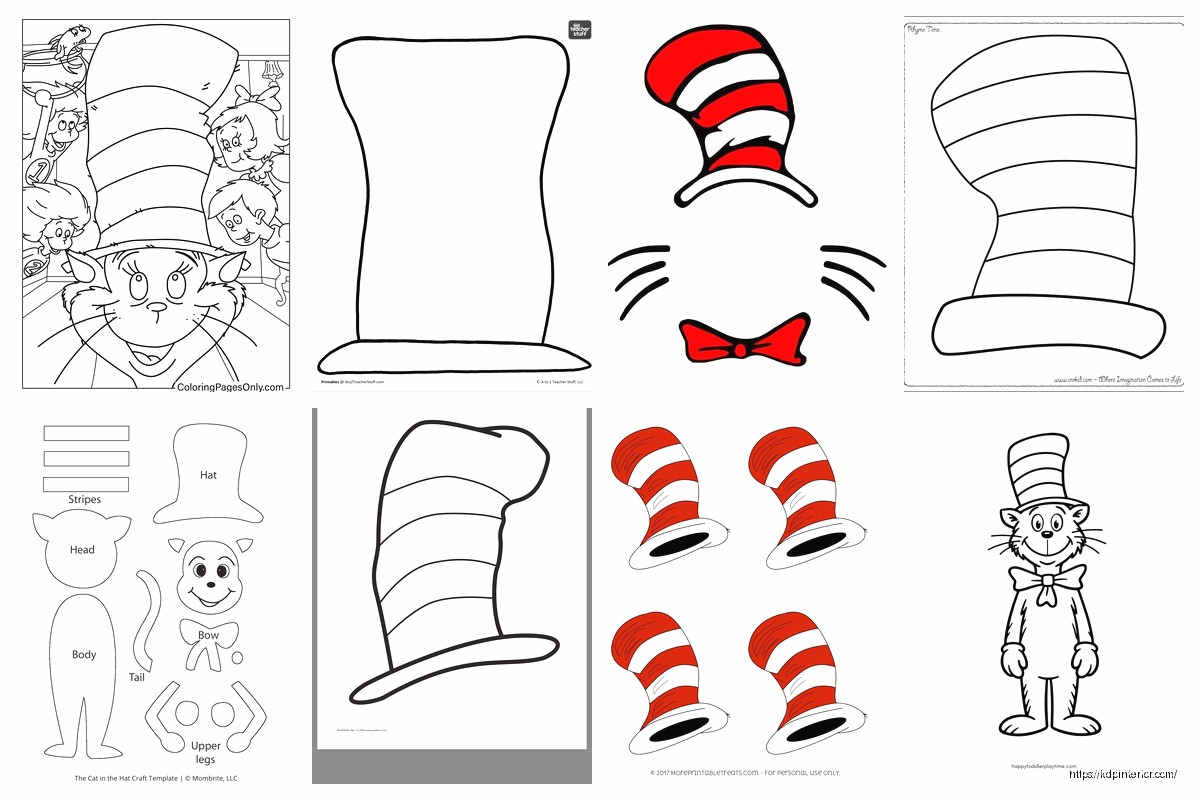
What’s happening structurally is Seuss is using what I call “additive chaos.” Each stunt builds on the previous one. It’s not random – there’s a method. Kids can follow the progression even though it’s absurd. When he falls it feels like a natural consequence… except it’s not the end.
Wait I forgot to mention – after the Cat falls, he doesn’t leave. Instead he introduces MORE chaos agents. This is the second act twist. Just when you think okay he failed, he’ll leave now, he doubles down. Thing One and Thing Two are basically pure id energy. They fly kites in the house, knock stuff over, there’s no pretense of skill or control like the Cat had.
The structure here mirrors what kids actually fear and desire simultaneously – complete abandonment of rules. My daughter’s like this when my wife and I leave her with her grandparents… anyway the Things represent that next level of “what if we REALLY broke all the rules.”
Mother’s coming back. The fish spots her walking up the path. This is your ticking clock, your point of no return. Everything that’s happened up until now has been consequence-free in the kids’ minds because mom wasn’t there. But now accountability is literally walking toward the house.
The Cat captures Thing One and Thing Two in a net – this is him reasserting control. He’s acknowledging that the chaos has to end. The structure shifts from escalation to resolution mode. And here’s what’s brilliant – Seuss doesn’t drag this out. From the moment they spot mom to when the Cat leaves is maybe 4-5 pages.
The Cat brings out his cleanup machine. This is gonna sound weird but this is actually the story’s way of dealing with the “what about consequences” question that’s been building. He literally has a machine that erases all evidence of the chaos. It’s not realistic obviously but structurally it resolves the external conflict (the messy house) in a satisfying way for kids.
Everything gets cleaned up right before mom walks in. The timing is so tight it’s almost stressful even as an adult reading it.
Mom asks “what did you do while I was out” and the narrator turns it on YOU the reader. “What would YOU do? Would you tell her about it?” And then the book just… ends.
No moral. No “and they learned their lesson.” No punishment or reward. This is actually sophisticated storytelling because Seuss refuses to tell you how to feel about what happened. Was it good that the Cat came? Bad? Should they tell mom?
From a structure standpoint this open ending works because the real story wasn’t about whether they’d get in trouble – it was about the experience of chaos and fun breaking into a boring day. That arc is complete. The external question (will mom find out) is left deliberately unresolved.
If you map this against a standard three-act structure it’s pretty textbook:
Act 1 (Setup): Boring day, Cat arrives – roughly 15-20% of the book
Act 2 (Complications): First tricks, he falls, Things appear and cause more chaos – this is like 60% of the book, the bulk of the entertainment
Act 3 (Resolution): Mom’s coming, cleanup happens, everything returns to normal – final 20%
But here’s what makes it work for kids – each page turn has a mini-payoff. There’s a rhythm to it. Action on the right page, reaction on the left. Or setup on left, payoff on right. Seuss was apparently super particular about page turns and how information revealed itself as you moved through the physical book.
The kids don’t really have arcs in the traditional sense. They’re mostly passive observers/participants. The narrator has slightly more agency – he’s the one telling us the story after all – but even then they’re not changed by the experience in any explicit way.
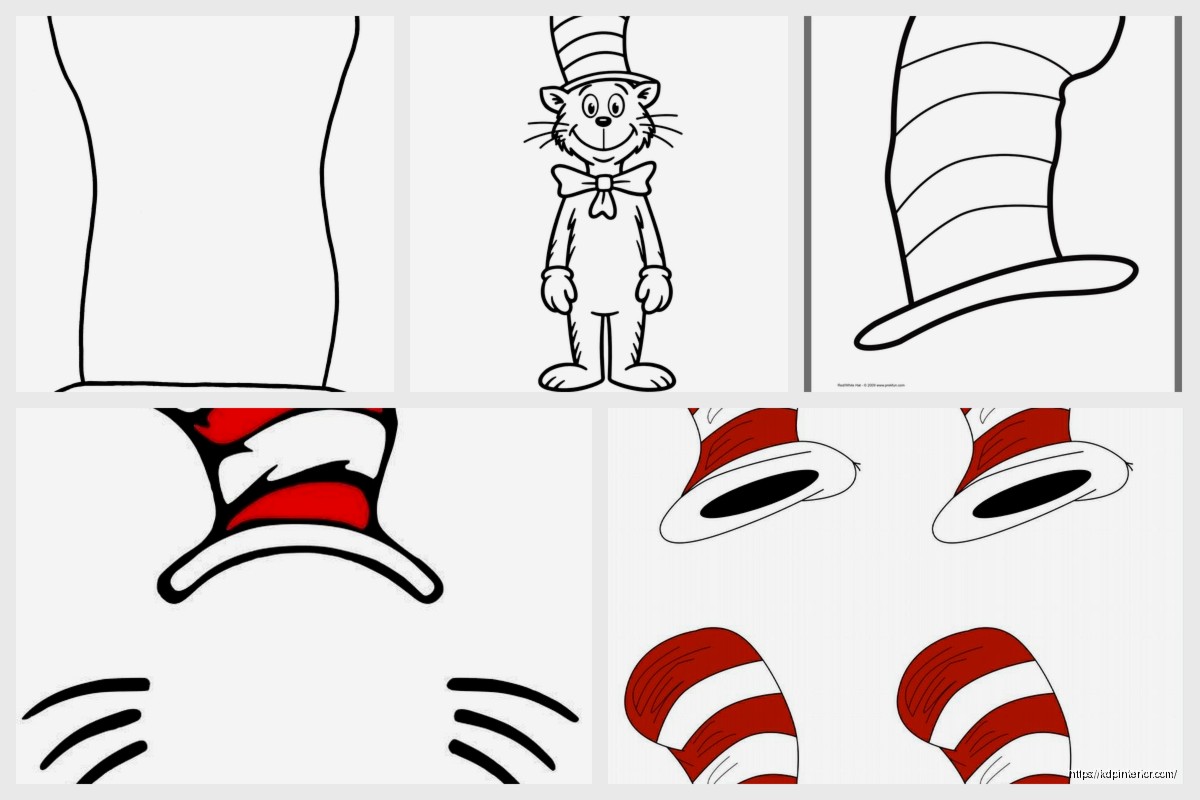
The Cat is static – he’s a force of nature, not a character who grows. The fish is static – always cautious, always warning. Thing One and Thing Two are barely characters, more like animated chaos.
And this is fine! Not every story needs character growth, especially in picture books. The structure is carrying the narrative momentum, not character development. The arc is in the situation, not the people.
There’s actually multiple levels of conflict happening:
Most picture books have one layer of conflict. Seuss is juggling four and making it look effortless because the language is so simple and rhythmic that you don’t notice the complexity.
Okay so funny story – I was reading this out loud to test the rhythm for a client who wanted to write in a similar style, and I realized the meter itself creates structural momentum. It’s anapestic tetrameter mostly, which has this propulsive quality. The rhythm literally pulls you forward through the story.
When Seuss breaks the rhythm it’s for emphasis. The “BUMP” when Cat arrives. The moment when they spot mother. These rhythmic disruptions signal structural turning points. It’s not just about making it fun to read aloud – the prosody is doing narrative work.
If you’re writing picture books or even chapter books, here’s what actually applies:
Start fast. Like absurdly fast. Seuss establishes everything in two pages. You don’t need elaborate setup.
Use escalation. Don’t just have one chaotic event. Build them on top of each other so each feels like a natural progression even if it’s absurd.
Give your chaos a ticking clock. Mom coming home creates urgency. Without that deadline the story could meander forever.
Consider an open ending. You don’t always need to wrap everything in a bow. Sometimes the ambiguity is more memorable.
Make page turns matter. If you’re doing print books especially, think about what’s revealed when. Digital doesn’t have the same impact but you can still think in beats.
I see this all the time in my consulting work – people think “oh I’ll just add chaos and it’ll be like Cat in the Hat” but they miss the control underneath. Seuss knew exactly when to escalate, when to pull back, when to let the fish object, when to ignore the fish.
The chaos looks random but it’s choreographed. Every element serves the pacing. When people copy this they often just throw random stuff at the page and wonder why it doesn’t work.
Also the language matters way more than people realize. Seuss’s vocabulary is limited but precise. He’s not dumbing it down – he’s distilling. There’s a difference.
Kids still respond to this book because the underlying structure taps into something universal – the appeal of breaking rules in a safe context. The story lets them experience chaos without real consequences. It’s fantasy fulfillment with a built-in safety net (the cleanup machine, mom not finding out).
The structure supports this by keeping the stakes clear but not too serious. We’re never actually worried about real danger. The fish’s warnings create tension but we know this is play-danger not real-danger. That’s a hard balance to strike and Seuss nails it through pacing and tone control.
Anyway that’s basically how Cat in the Hat works structurally. It’s way more sophisticated than it looks on the surface, which is probably why it’s endured while tons of other “wacky” picture books from that era have been forgotten. The craft underneath is solid even when the surface is pure controlled chaos.
DISCOVER OUR FREE BEST SELLING PRODUCTS
Editable Canva Lined Journal: Express Your Thoughts – KDP Template
Lined Pages Journal 120 pages Ready to Upload PDF Commercial Use KDP Template 6×9 8.5×11 5×8 for Notebooks, Diaries, Low Content
Lined Pages Journal 120 pages Ready to Upload PDF Commercial Use KDP Template 6×9 8.5×11 5×8 for Notebooks, Diaries, Low Content
Cute Dogs Coloring Book for Kids | Activity Book | KDP Ready-To-Upload
Daily Planner Diary : Diary Planners for Everyday Productivity, 120 pages, 6×9 Size | Amazon KDP Interior
Wolf Coloring KDP interior For Adults, Used as Low Content Book, PDF Template Ready To Upload COMMERCIAL Use 8.5×11"
Coloring Animals Head Book for Kids, Perfect for ages 2-4, 4-8 | 8.5×11 PDF
Printable Blank Comic Book Pages PDF : Create Your Own Comics – 3 Available Sizes
Notes KDP interior Ready To Upload, Sizes 8.5×11 6×9 5×8 inch PDF FILE Used as Amazon KDP Paperback Low Content Book, journal, Notebook, Planner, COMMERCIAL Use
Black Lined Journal: 120 Pages of Black Lined Paper Perfect for Journaling, KDP Notebook Template – 6×9
Student Planner Journal 120 pages Ready to Upload PDF Commercial Use KDP Template 6×9" 8.5×11" for Low Content book
Recipe Journal Template – Editable Recipe Book Template, 120 Pages – Amazon KDP Interior