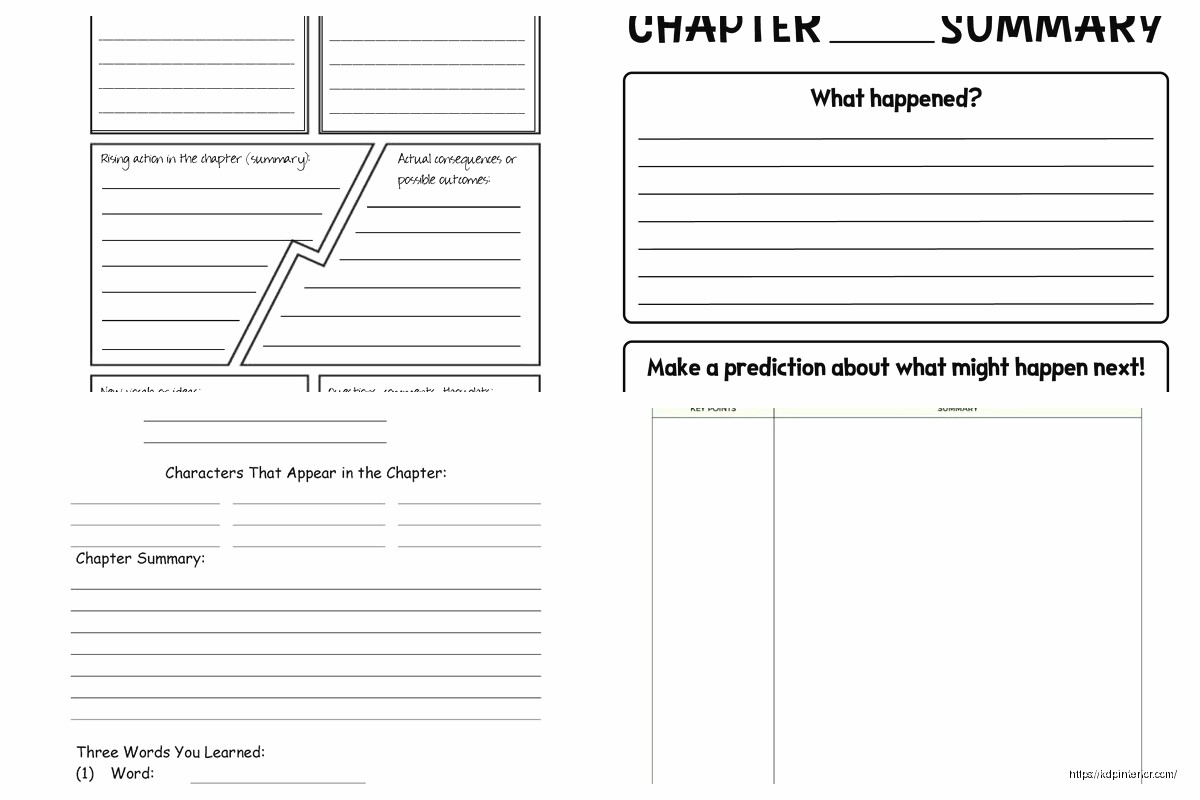
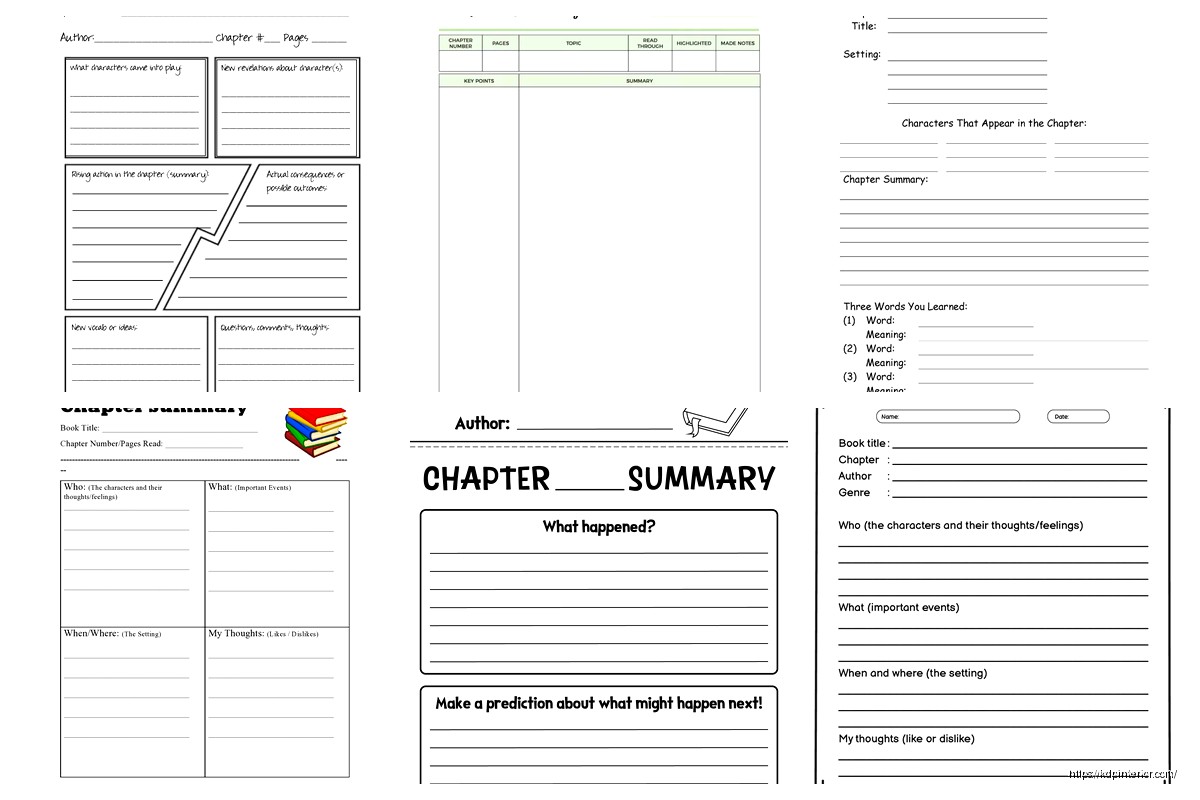
Okay so I just spent like three hours last week rebuilding my chapter summary template because my old one was garbage and honestly, you need this thing to be tight if you’re creating study guides or book analysis products on KDP.
The whole point of a chapter summary template is to make your analysis consistent across every single chapter. I learned this the hard way after publishing a literature guide where chapter 3 had like 800 words and chapter 7 had 200 words and the reviews… yeah, not great.
The Basic Structure I Actually Use
So here’s what actually works. Your template needs these core sections and I’m gonna tell you exactly why:
Chapter Title and Number – sounds obvious but format it the same every time. I use “Chapter X: [Actual Title]” and then underneath I put the page range. People actually use this to find stuff quickly.
Opening Hook Summary – this is like 2-3 sentences max. What happens right at the start of this chapter. I used to skip this and just dive into the full summary but readers complained they couldn’t skim effectively.
Main Events Breakdown – here’s where most people mess up. Don’t write a paragraph. Use bullet points for each major event or scene. I limit myself to 5-7 bullets per chapter unless it’s like a really dense chapter. Each bullet is one sentence, maybe two if something complex happens.
Character Development – which characters change or reveal something new about themselves. This section killed me at first because I’d write too much. Now I just do: Character Name – what changed or what we learned. Done.
Key Quotes – pull 2-3 quotes max. Include page numbers always. I format these as actual blockquotes so they stand out visually.
Themes and Symbols – what themes from the overall book show up here, what symbols matter. Keep it to 3-4 sentences.
Connection to Overall Plot – how does this chapter move the main story forward. This is usually 2-3 sentences explaining why this chapter matters.
The Template Format That Actually Converts
Wait I forgot to mention – when I say “converts” I mean people actually find it useful enough to leave good reviews and buy your other guides. That’s the whole game with KDP.
So format-wise, here’s my actual template structure:
CHAPTER [NUMBER]: [TITLE]
Pages: [XX-XX]
QUICK OVERVIEW:
[2-3 sentence summary of what happens]
MAIN EVENTS:
• [Event 1]
• [Event 2]
• [Event 3]
• [Event 4]
• [Event 5]
CHARACTER DEVELOPMENT:
[Character Name]: [Development note]
[Character Name]: [Development note]
KEY QUOTES:
“[Quote]” (p. XX)
“[Quote]” (p. XX)
THEMES & SYMBOLS:
[3-4 sentences about themes/symbols present]
PLOT SIGNIFICANCE:
[2-3 sentences about how this chapter advances the story]
This probably looks super basic but trust me, consistency is what sells study guides. I’ve got a literature guide that still makes $400-600/month and it’s literally just this template applied to every chapter of a classic novel.
Customization Based on Genre
Okay so funny story – I tried using the exact same template for a business book analysis and it completely flopped. Had to refund like 8 people in the first week.
Business books need different sections:
- Main Concepts Introduced (instead of Main Events)
- Actionable Takeaways (readers want this badly)
- Examples or Case Studies Mentioned
- How This Applies to [Target Reader]
For self-help books, I add:
- Exercises or Activities Mentioned
- Key Questions to Consider
- Personal Reflection Prompts
Fiction needs what I showed you above but sometimes I also add:
- Setting Details (if location matters a lot)
- Foreshadowing Elements
- Conflicts Introduced or Resolved
Length Guidelines That Actually Matter
This is gonna sound weird but I track word count for each section obsessively now. Here’s what works:
Quick Overview: 40-75 words
Main Events section: 100-150 words total (that’s like 20-30 words per bullet)
Character Development: 50-100 words
Key Quotes: just the quotes, don’t add commentary here
Themes & Symbols: 75-125 words
Plot Significance: 50-75 words
Total per chapter summary: 350-550 words
Why these numbers? Because I tested summaries at different lengths and anything under 300 words felt too brief (got complaints), anything over 600 words and people said it was “too detailed” which is insane but whatever, customers are always right when they’re leaving reviews.
The Actual Creation Process
Okay so here’s how I actually use this template when creating a new book guide:
First, I read the whole book obviously. But I take notes directly into the template as I go. Like I have the template open in one document and I’m filling it out chapter by chapter while reading.
This is way more efficient than reading first and then going back. I tried both methods and reading-while-templating saves probably 40% of the time.
My cat knocked over my coffee while I was doing this with a Hemingway analysis last month and I lost like 6 chapters of notes, so now I use Google Docs that auto-saves every 30 seconds. Learn from my pain.
Note-Taking Strategy
While reading, I mark:
- Page numbers where chapters start/end
- Any quote that seems significant (I usually mark like 10 per chapter then narrow down to 2-3)
- Character names when they do something important
- Obvious theme stuff – but don’t overthink this on first read
Then on the second pass through my notes, I clean everything up and make sure each chapter summary follows the template exactly. Same sections, same order, similar length.
Common Mistakes I See Everywhere
People put way too much plot detail in summaries. Your reader has usually read the book already (if it’s a study guide) or is trying to decide whether to read it (if it’s a preview/analysis). Either way, they don’t need every single thing that happens.
Another thing – inconsistent formatting. I’ve seen guides where chapter 1 has quotes, chapter 2 doesn’t, chapter 3 has them again. Looks super unprofessional.
Oh and another thing – skipping the “why this chapter matters” section. This is actually the most valuable part for students using your guide. They need to know how each chapter fits into the bigger picture.
Tools and Shortcuts
I use a master template document with placeholder text that I copy for each new project. Looks like this:
[CHAPTER NUMBER]:
[CHAPTER TITLE]
Pages: [START]-[END]
QUICK OVERVIEW:
[Describe the opening and main action in 2-3 sentences]
You get the idea. Having this ready to copy-paste makes starting a new guide so much faster.
I also keep a separate style guide document for each book project where I note:
- Character name spellings (some books have weird names)
- Key terms or concepts specific to that book
- Theme list (so I’m consistent about which themes I mention)
Quality Control Checklist
Before I finalize any chapter summary, I check:
Does every chapter have the same sections in the same order?
Are the word counts roughly similar across chapters?
Did I include page numbers for all quotes?
Are character names spelled consistently?
Does each summary actually tell me what happened and why it matters?
That last one is huge. Sometimes I get so into the details that I forget to explain the “so what” part.
Formatting for KDP
When you’re actually putting this into a KDP book, use clear visual hierarchy. I do:
Chapter headings in larger bold text
Section headings (like “Main Events”) in bold
Regular text for the content
Italics for book titles and emphasis
Blockquotes for the actual quotes from the book
Keep it simple though. I see people getting fancy with borders and tables and weird fonts… KDP formatting can mess that up depending on what device someone’s reading on.
Pricing and Market Stuff Real Quick
Chapter summary guides usually work best at $2.99-$4.99 price point. Lower than that and people think it’s low quality, higher and you’re competing with actual published study guides.
Length-wise, aim for like 50-100 pages total depending on how many chapters the book has. My best seller is 78 pages covering a 15-chapter novel.
The template keeps everything consistent which means you can pump these out faster. I can do a complete chapter summary guide in about 2-3 weeks now, working maybe 2 hours a day. That’s reading the book, creating all summaries, formatting, and uploading.
Wait I should mention – always include a table of contents linked to each chapter. People jump around in these guides, they’re not reading cover to cover.
Final Template Thoughts
The template is basically your quality control system. Every time you’re tempted to add extra stuff or skip a section, the template keeps you honest. It’s like… okay this sounds dumb but it’s like having a checklist when you’re packing for a trip. You might think you remember everything but the checklist catches what you missed.
I’ve got templates now for fiction, non-fiction, business books, self-help, and even poetry analysis (that one’s different, way more focus on literary devices and form). Each one follows the same basic principle – consistent sections, similar length, clear value in every chapter.
And honestly the biggest thing is just using it consistently. Don’t deviate just because one chapter seems different or special. Make it fit the template. Your readers want predictability in a study guide, that’s literally the point.

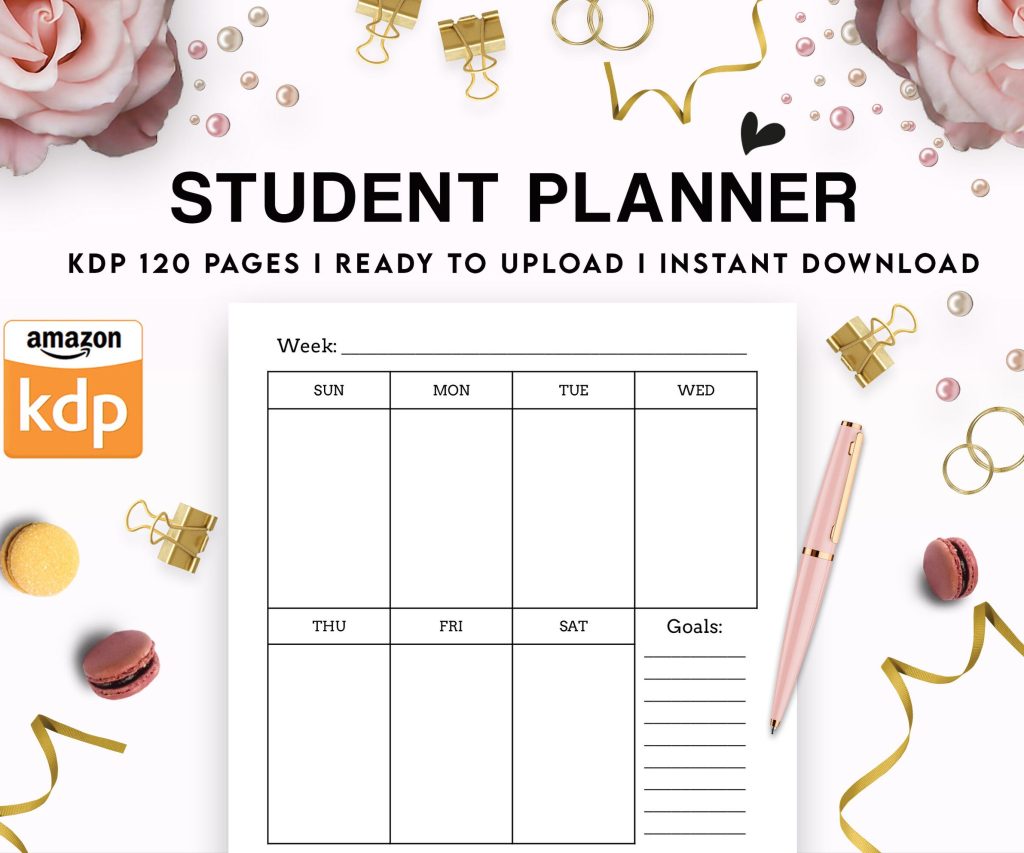 Student Planner Journal 120 pages Ready to Upload PDF Commercial Use KDP Template 6x9" 8.5x11" for Low Content book
1 × $0.00
Student Planner Journal 120 pages Ready to Upload PDF Commercial Use KDP Template 6x9" 8.5x11" for Low Content book
1 × $0.00 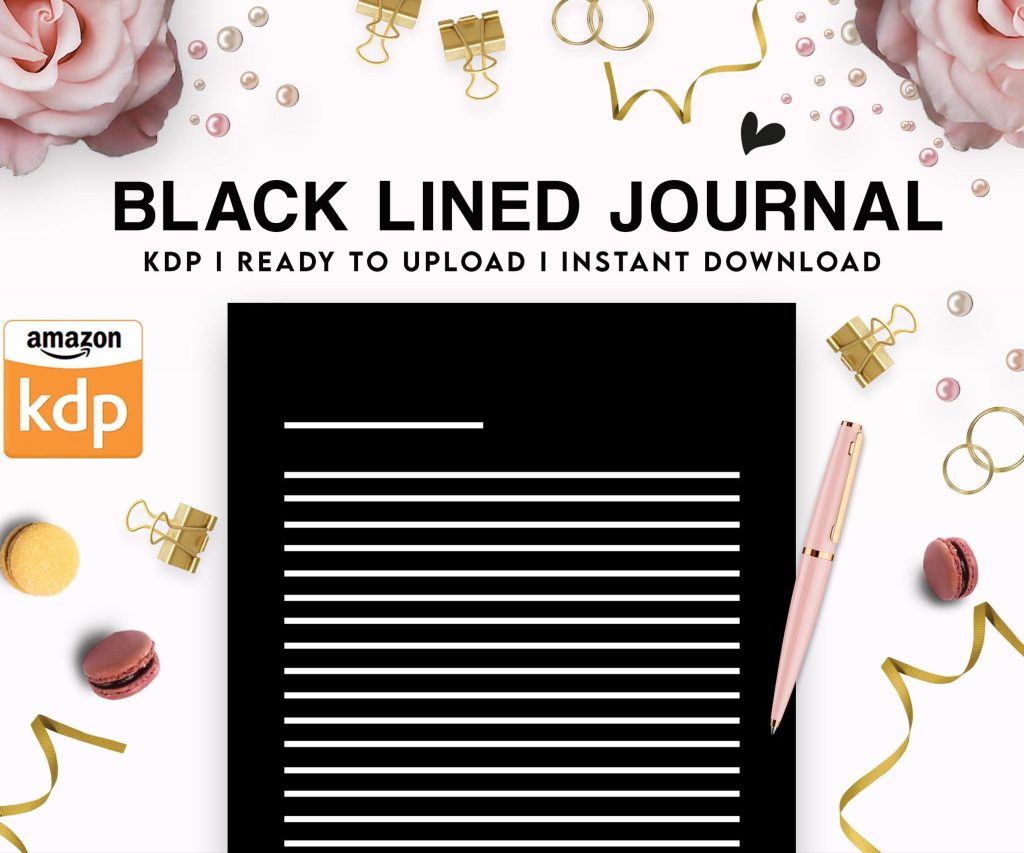 Black Lined Journal: 120 Pages of Black Lined Paper Perfect for Journaling, KDP Notebook Template - 6×9
1 × $0.00
Black Lined Journal: 120 Pages of Black Lined Paper Perfect for Journaling, KDP Notebook Template - 6×9
1 × $0.00 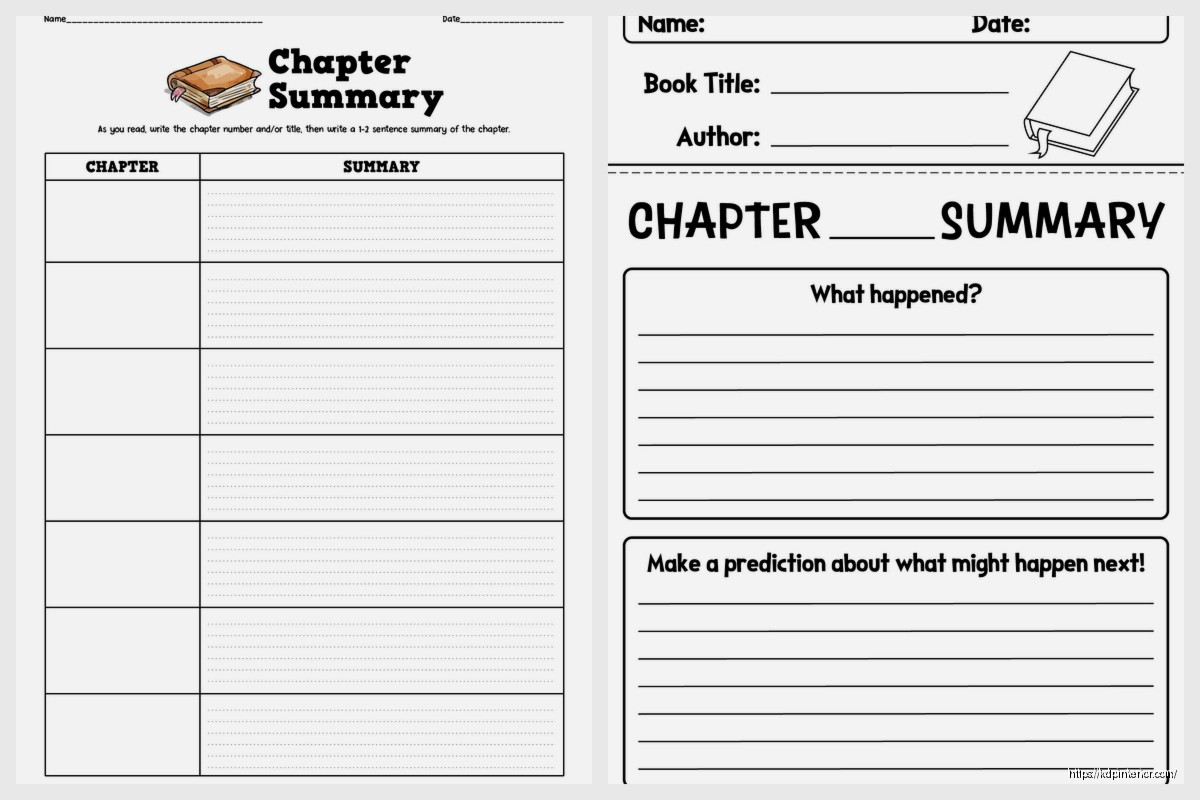
DISCOVER OUR FREE BEST SELLING PRODUCTS
Editable Canva Lined Journal: Express Your Thoughts – KDP Template
Lined Pages Journal 120 pages Ready to Upload PDF Commercial Use KDP Template 6×9 8.5×11 5×8 for Notebooks, Diaries, Low Content
Lined Pages Journal 120 pages Ready to Upload PDF Commercial Use KDP Template 6×9 8.5×11 5×8 for Notebooks, Diaries, Low Content
Cute Dogs Coloring Book for Kids | Activity Book | KDP Ready-To-Upload
Daily Planner Diary : Diary Planners for Everyday Productivity, 120 pages, 6×9 Size | Amazon KDP Interior
Wolf Coloring KDP interior For Adults, Used as Low Content Book, PDF Template Ready To Upload COMMERCIAL Use 8.5×11"
Coloring Animals Head Book for Kids, Perfect for ages 2-4, 4-8 | 8.5×11 PDF
Printable Blank Comic Book Pages PDF : Create Your Own Comics – 3 Available Sizes
Notes KDP interior Ready To Upload, Sizes 8.5×11 6×9 5×8 inch PDF FILE Used as Amazon KDP Paperback Low Content Book, journal, Notebook, Planner, COMMERCIAL Use
Black Lined Journal: 120 Pages of Black Lined Paper Perfect for Journaling, KDP Notebook Template – 6×9
Student Planner Journal 120 pages Ready to Upload PDF Commercial Use KDP Template 6×9" 8.5×11" for Low Content book
Recipe Journal Template – Editable Recipe Book Template, 120 Pages – Amazon KDP Interior