
 Editable Canva Lined Journal: Express Your Thoughts - KDP Template
 Subtotal: $0.00
Amazon KDP guide, KDP book publishing
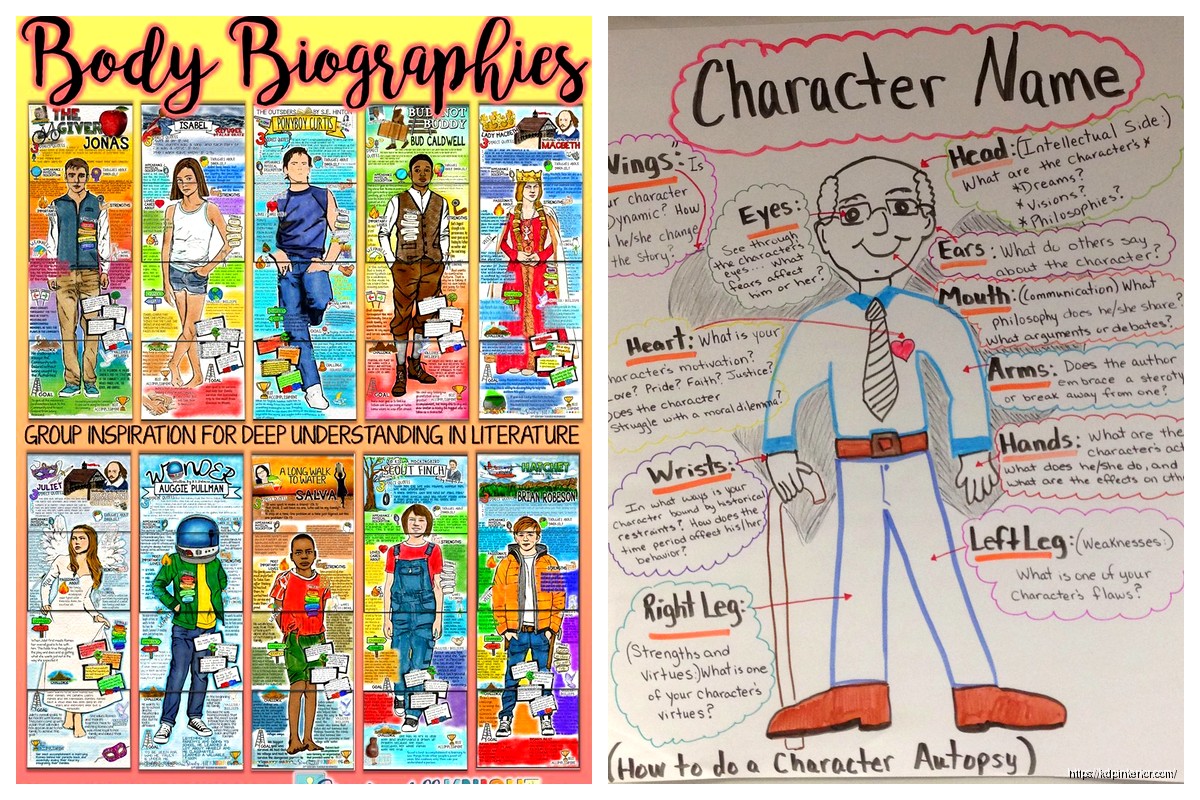
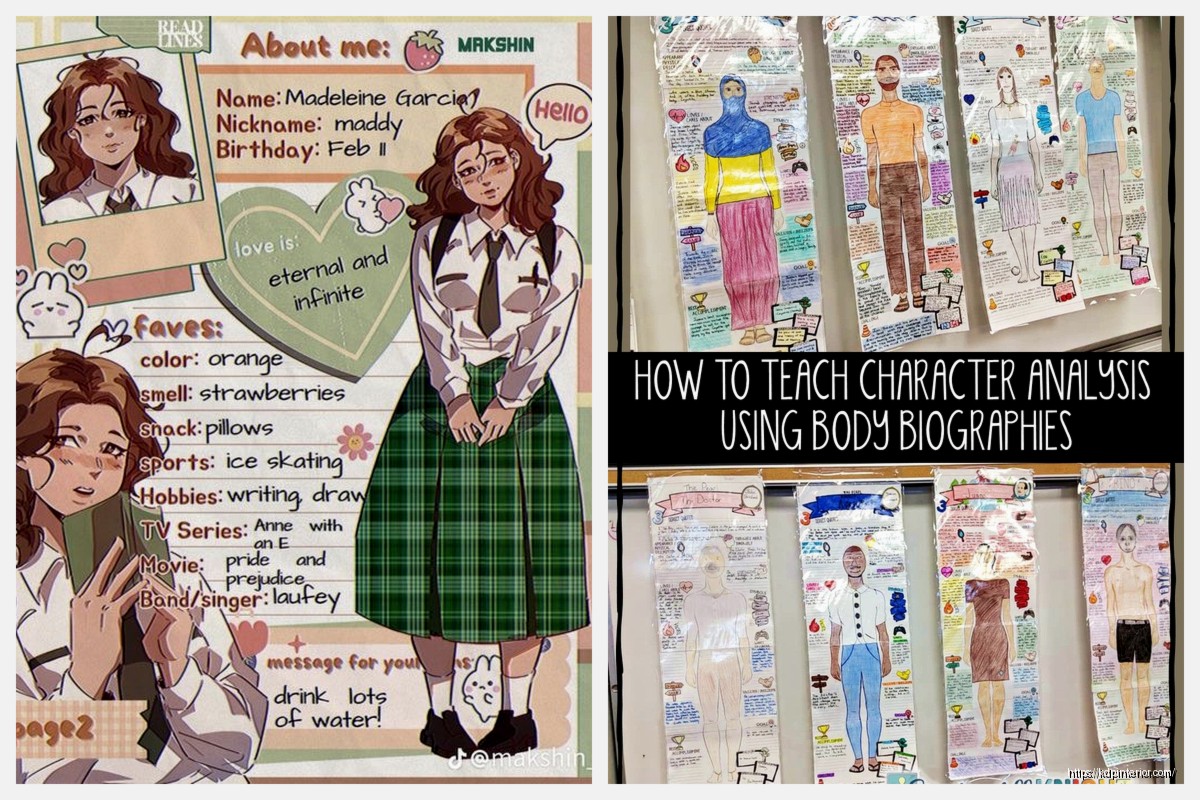
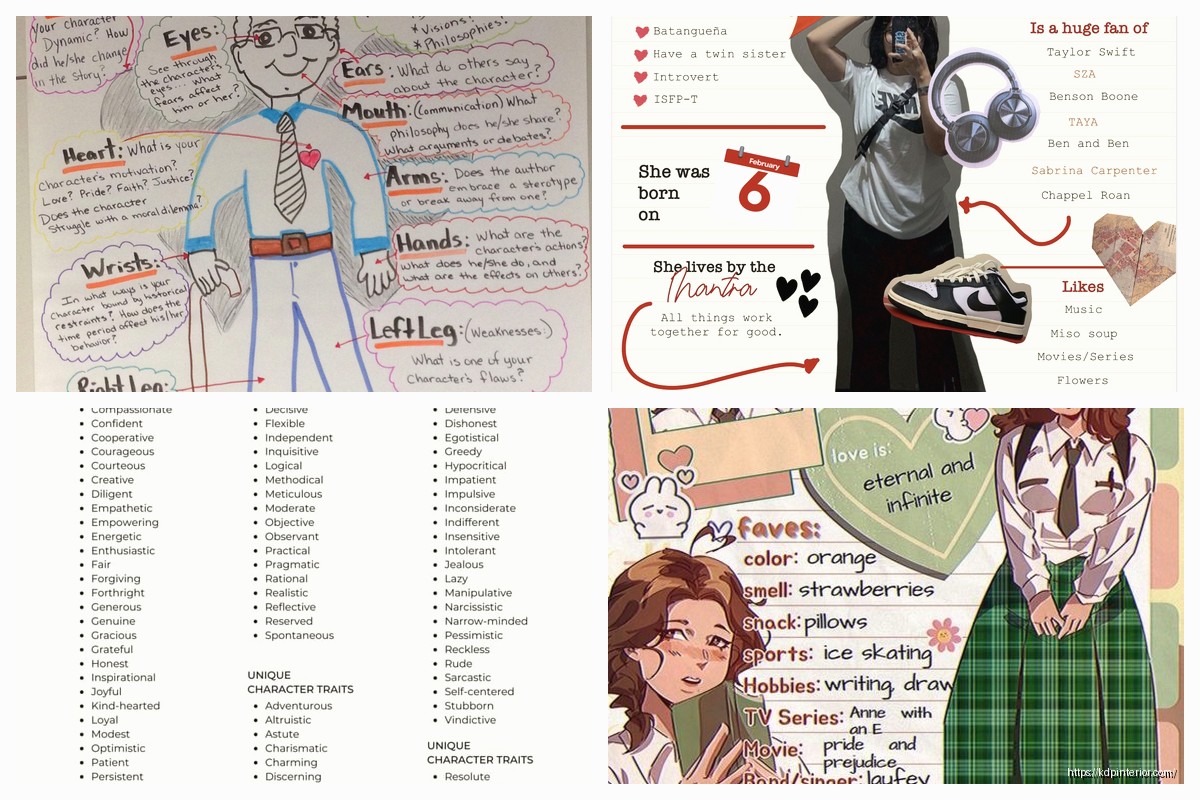
Character Biography Examples: Fiction Writing Samples
25
Apr
Apr
okay so character biographies are one of those things I avoided for like the first three years of writing because they seemed tedious as hell but then I realized my characters kept changing personalities halfway through manuscripts and…yeah. turns out they’re actually useful.
The Basic Template I Actually Use
So here’s what I do now. I keep a Google doc for each major character with these sections and honestly it’s saved my ass so many times:
- Full name (including nicknames and why they exist)
- Age and birthday
- Physical appearance (but like, the stuff that matters to the story)
- Core personality traits (3-5 max or it gets messy)
- Background/history
- Motivations and fears
- Relationships with other characters
- Character arc notes
The thing is you don’t need to fill out every section like you’re doing homework. I learned that the hard way when I spent four hours detailing a character’s entire family tree for a thriller where none of it mattered.
Real Example From My Romance Novel
okay so here’s an actual bio I used for a contemporary romance protagonist last year:
Name: Marcus Chen (goes by Marc, hates being called Marcus except by his mom)
Age: 34, Virgo but doesn’t believe in astrology which his love interest finds hilarious
Physical: 6’1″, runner’s build, has this habit of pushing his glasses up even when he’s wearing contacts. Scar on left eyebrow from falling off a skateboard at 16. Always looks slightly tired because he actually is.
Personality core: Analytical to a fault, kind but struggles to show it, perfectionist about weird things (his book collection is organized by color which drives him crazy because it’s not practical but looks good), loyal once you’re in his circle
Background: Grew up in Seattle, second-gen immigrant parents who owned a restaurant. Watched them work 80-hour weeks. Became a software engineer because he wanted financial stability. Parents sold the restaurant when he was 25 and he feels guilty he didn’t help save it. Now works at a tech startup he low-key hates.
See how that’s not like…a formal character sheet? It’s more like notes I’d text myself. And that “pushes glasses up when wearing contacts” thing became a running gag in the book that readers loved.
The Stuff That Actually Matters
wait I forgot to mention – the most important part of any character bio is the contradiction. Every interesting character has something that doesn’t quite fit. Marcus is analytical but organizes books by color for aesthetic reasons. That tension is where personality lives.
When I’m creating a character bio now I always ask: what’s the thing about this person that surprises even them?
Example for Secondary Characters
You don’t need the same detail for everyone. Here’s what I did for Marcus’s best friend:
Trevor: 33, met Marcus in college, works in marketing, divorced, has weekend custody of a dog (long story), always knows which restaurant just opened, the friend who gives relationship advice while his own love life is a disaster, wears too much cologne
That’s it. That’s the whole bio. But I know who Trevor is in any scene.
Historical Fiction Gets Tricky
oh and another thing – if you’re writing historical fiction the bio needs to include era-specific stuff. I did a Victorian mystery once and my character bio looked different:
Eleanor Ashford: 28 (practically a spinster by 1880s standards and she’s aware of this), lives with her widowed aunt in London, middle-class family fallen on hard times after father’s business failed, educated but has no acceptable way to use that education, secretly writes articles for newspapers under a male pseudonym, knows more about criminal law than most solicitors
Key era detail: Cannot inherit her father’s house because she’s female – it went to a male cousin she’s never met. This drives like 40% of her decisions.
The historical context shapes motivation in ways that modern character bios don’t need to address. You gotta think about what they CAN’T do because of the time period.
The Motivation Section Is Where I Always Get Stuck
this is gonna sound weird but the hardest part of character bios for me is always figuring out what they want vs what they think they want.
Like for Marcus:
What he thinks he wants: To build a successful app and achieve financial security
What he actually wants: To feel like his work matters and to stop disappointing his parents (even though they’re not actually disappointed)
What he’s afraid of: Ending up like his parents – working constantly and having nothing to show for it. Also intimacy but he doesn’t realize this until chapter 8.
I write all three of these out now because it keeps me from having characters who just…do random things. Everything they do should connect back to one of these.
Physical Appearance: Less Is More
Real talk – I used to write these super detailed physical descriptions. Height, weight, eye color, hair color, skin tone, build, distinguishing features, clothing style, the whole thing.
Then I realized I was basically creating a police report.
Now I focus on:
- One or two distinctive features readers can latch onto
- How the character feels about their appearance
- Physical habits or mannerisms
Example from a fantasy novel I’m working on:
Kira’s appearance: Short (5’2″ and bitter about it), has her mother’s red hair which she keeps cutting short to distance herself from that comparison, moves like someone ready to fight or run, has calluses on her hands from sword training, dresses practically – boots before beauty always
See how that tells you more about her personality than just listing features? The “bitter about height” thing and “cuts hair short to distance from mother” are CHARACTER details hiding in appearance details.
Relationships Section Saves Your Continuity
okay so funny story – I once had a character mention his sister died in chapter 3, then she showed up alive in chapter 18. My editor was like…um. This is why I now keep relationship notes in character bios.
For each major character I list:
- Family members and their status (alive/dead/estranged/etc)
- Romantic history if relevant
- Key friendships
- Enemies or antagonistic relationships
- How they view each relationship vs how it actually is
That last one is key. Maybe your protagonist thinks their dad is disappointed in them but actually their dad is proud but bad at showing it. That gap creates tension.
My Template for Relationship Dynamics
Marcus & his mother: Talks to her twice a week, always in Mandarin, she asks when he’s getting married (every single call), he deflects, she pretends to accept this, neither of them mentions the restaurant anymore but it’s always there between them. He thinks she wanted him to take over the restaurant. She actually just wanted him to be happy but doesn’t know how to say that.
Marcus & love interest (Jenna): Met when she rear-ended his car (meet-cute I’m not proud of but whatever), initially annoyed by her optimism, gradually realizes her optimism is a choice not naivety, challenges his worldview, reminds him of the person he used to be before corporate life sucked his soul out
The Character Arc Notes Section
This is where I map out the internal journey. Where does this person start emotionally and where do they end up?
Marcus Arc:
Beginning – Believes success = financial security, avoids risk, keeps people at arm’s length, going through motions at job he hates
Midpoint – Starts questioning whether security is worth being miserable, takes small risks, lets Jenna in partially
End – Quits job to start own business (risky but fulfilling), realizes vulnerability isn’t weakness, reconciles with parents’ choices instead of resenting them
I keep this in the bio so I can check any scene against it. Is this scene moving Marcus along his arc or is it just…happening? If it’s just happening I usually cut it or rework it.
Quirks and Details That Bring Characters Alive
wait I forgot to mention the random details that don’t fit anywhere else but make characters feel real. I keep a “misc” section in each bio for stuff like:
- Favorite food or comfort food
- What they do when stressed
- Pet peeves
- Hidden talents or surprising knowledge
- What’s always in their bag/pockets
For Marcus: Always has mints because he’s paranoid about bad breath, stress-organizes things, knows a weird amount about birds because his dad was into birdwatching, carries a small notebook even though he could use his phone, hates cilantro with a passion
My cat just knocked over my coffee while I’m writing this which is perfect because these little details are like that – they don’t drive plot but they make characters memorable.
How Much Backstory to Actually Include
Here’s where people mess up – they write 10 pages of backstory thinking they need every detail figured out. You don’t. I learned this after wasting SO much time.
Write enough backstory to understand your character’s motivations and fears. That’s it. If their childhood pet doesn’t inform their current behavior, you don’t need it in the bio.
Exception: sometimes you don’t know what’s relevant until you’re drafting. So I keep two versions – a “working bio” that has everything, and a “essential bio” that’s just the stuff I reference while writing.
Villain Bios Need Different Energy
Your antagonist bio needs to answer: why are they doing this? What do they believe they’re the hero of?
Example from that Victorian mystery:
Lord Pemberton: 45, inherited title and debt, believes the old ways are slipping away and he’s right to preserve them by any means, genuinely thinks he’s protecting society, sees Eleanor as a threat to natural order (woman acting above her station), religious but selective about which rules apply to him, charismatic in public but cold in private, loves his daughter but in a possessive way
See how he’s not just “evil man does evil things”? He has a worldview that makes sense to him. That’s what makes antagonists compelling.
When to Write the Bio
Some writers do this before drafting. I can’t. My characters reveal themselves as I write. So I usually:
- Start with a super basic bio (name, age, main trait, goal)
- Draft a few chapters
- Go back and flesh out the bio based on who’s emerging
- Update the bio throughout drafting as I learn more
There’s no wrong way here. Whatever works for your process.
Templates Change By Genre
A character bio for literary fiction looks different than one for thriller. Literary fiction might need more internal emotional landscape. Thriller might need more skills and capabilities and backstory that affects current danger.
Thriller example:
Sarah Martinez: Former FBI agent, left after a case went wrong (still has nightmares about the kid they didn’t save in time), now works private security, expert in threat assessment, trust issues, drinks too much coffee, can’t maintain relationships because she’s always waiting for disaster, keeps a go-bag in her closet, knows 5 ways to break someone’s nose
The bio serves the genre needs. In a thriller I need to know her skills and trauma. In literary fiction I’d need more about her internal emotional state and relationships.
Common Mistakes I Made Early On
Making characters too perfect: Give them flaws that actually matter. Not cute flaws like “clumsy” – real ones like “judges people too quickly” or “lies to avoid conflict”
Forgetting about goals: Every character should want something even if it’s just to be left alone
Writing bios instead of stories: The bio is a tool not the product. Don’t spend weeks perfecting bios and never start writing. Get something down and adjust as you draft.
Ignoring secondary character bios: Even minor characters should have a goal in each scene and a basic personality. Otherwise they’re just props.
look I gotta wrap this up but the main thing is character bios are supposed to make writing easier not harder. If yours aren’t helping you write better scenes then change the format until they do. There’s no quiz at the end checking if you did it right – just write what you need to know to tell your story.
DISCOVER OUR FREE BEST SELLING PRODUCTS
Editable Canva Lined Journal: Express Your Thoughts – KDP Template
Lined Pages Journal 120 pages Ready to Upload PDF Commercial Use KDP Template 6×9 8.5×11 5×8 for Notebooks, Diaries, Low Content
Lined Pages Journal 120 pages Ready to Upload PDF Commercial Use KDP Template 6×9 8.5×11 5×8 for Notebooks, Diaries, Low Content
Cute Dogs Coloring Book for Kids | Activity Book | KDP Ready-To-Upload
Daily Planner Diary : Diary Planners for Everyday Productivity, 120 pages, 6×9 Size | Amazon KDP Interior
Wolf Coloring KDP interior For Adults, Used as Low Content Book, PDF Template Ready To Upload COMMERCIAL Use 8.5×11"
Coloring Animals Head Book for Kids, Perfect for ages 2-4, 4-8 | 8.5×11 PDF
Printable Blank Comic Book Pages PDF : Create Your Own Comics – 3 Available Sizes
Notes KDP interior Ready To Upload, Sizes 8.5×11 6×9 5×8 inch PDF FILE Used as Amazon KDP Paperback Low Content Book, journal, Notebook, Planner, COMMERCIAL Use
Black Lined Journal: 120 Pages of Black Lined Paper Perfect for Journaling, KDP Notebook Template – 6×9
Student Planner Journal 120 pages Ready to Upload PDF Commercial Use KDP Template 6×9" 8.5×11" for Low Content book
Recipe Journal Template – Editable Recipe Book Template, 120 Pages – Amazon KDP Interior