
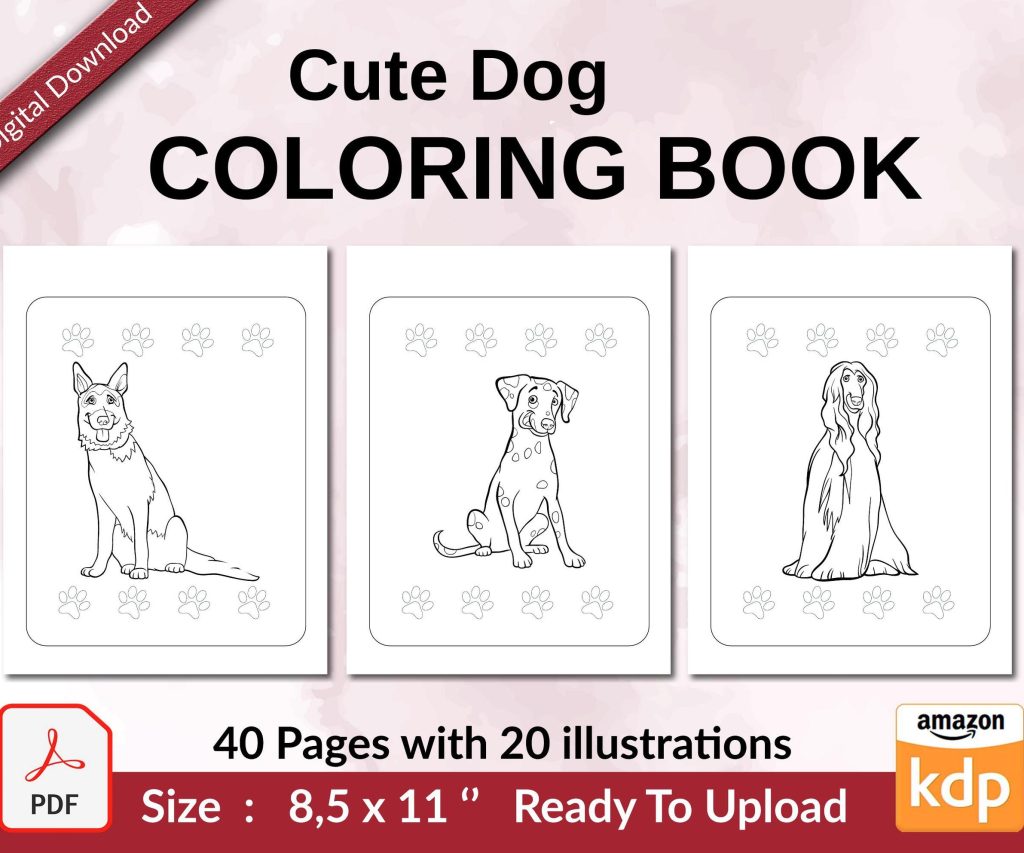
 Cute Dogs Coloring Book for Kids | Activity Book | KDP Ready-To-Upload
 Subtotal: $0.00
Amazon KDP guide, KDP book publishing
Create a Journal to Sell on Amazon: Profitable Niche Ideas
21
Feb
Feb
Okay so I just uploaded three new journals last week and two are already getting traction, here’s what actually works right now.
Finding Niches That Actually Make Money
You gotta stop thinking “gratitude journal” or “daily planner” because those markets are absolutely saturated. I made that mistake in 2018 and wasted like three months. What you need is specificity that borders on weird.
Here’s my process – I open Amazon and start typing random job titles plus “journal” into the search bar. Nurse journal, teacher journal, yeah yeah boring. But then… electrician journal? Only 200 results. HVAC technician log book? Even less competition. These trade-specific journals sell because the people who need them actually need them, not just buying on impulse.
The other thing I do is scroll Facebook groups. I’m in this random sourdough baking group (my wife got me into it, don’t ask) and people are always talking about tracking their starter feeds and bake times. Boom – sourdough journal. Made one in November, sold 47 copies in December alone at $7.99.
The Types That Consistently Sell
- Medical condition trackers (migraine journals, blood pressure logs, symptom trackers for specific diseases)
- Hobby logs for niche hobbies (reptile feeding schedules, aquarium maintenance, bird watching but for specific regions)
- Professional development for specific careers (real estate agent client tracker, massage therapist appointment book)
- Recovery and wellness stuff (AA meeting notes, therapy session journals, habit trackers for very specific habits)
- Pet-related but super specific (puppy training for specific breeds, cat health tracker, horse care logs)
Research That Actually Matters
Everyone says “check BSR” and yeah okay but that’s not the full picture. I look at:
The number of reviews on the top 10 results. If the #1 book has like 2,000 reviews, forget it unless you’ve got a massive ad budget. But if the top seller has 50-100 reviews? You can compete with that. I target niches where the top book has under 200 reviews ideally.
Price points in the niche. If everyone’s selling at $5.99 and your production cost would force you to $8.99, the math doesn’t work. My sweet spot is $6.99-$9.99 where I can make $2-4 per sale after Amazon‘s cut.

Oh and another thing – seasonal stuff can work but it’s risky. I made a “wedding planning journal” that only sells May through September basically. It does well but then crickets for half the year.
Creating the Actual Interior
This is gonna sound weird but I don’t use fancy software anymore. I tried Tangent templates, Book Bolt, all that stuff. Now? Google Docs and Canva. That’s it.
For a basic journal interior, you need to figure out what pages you’re repeating. Let’s say you’re making a fitness journal for powerlifters (made one of these, sold okay not great). Your repeated page might be:
- Date field at top
- Exercise name, sets, reps, weight columns
- Notes section at bottom
- Maybe a small motivational quote
Create ONE perfect page. Then duplicate it like 100-150 times depending on your page count. I usually do 120 pages because the printing cost jump from 108 to 120 is minimal but you can charge more for “120 pages” vs “100 pages” – psychology thing.
Wait I forgot to mention – always add page numbers. Sounds obvious but I’ve seen so many journals without them and it looks unprofessional.
The Pages People Forget
You need a title page, copyright page (just basic stuff, look at any of my books for the format), and here’s the thing everyone skips – a “how to use this journal” page. It seems dumb but it increases perceived value. One page explaining the layout helps people feel like they’re getting something professional.
I also throw in 2-3 “bonus” pages at the back. For that sourdough journal I mentioned? Added a conversion chart for measurements and a troubleshooting guide I pulled from public domain sources. People mention it in reviews.
Sizing and Format Decisions
Don’t overthink this. 6×9 inches is the standard for a reason – fits in bags, comfortable to write in, keeps printing costs reasonable. I’ve tested 8.5×11 and yeah some niches prefer it (meal planners, teachers) but your costs go up significantly.
Page color: cream always. White is harsh and feels cheap for journals. Cream costs the same through KDP and looks way better.
Binding: paperback obviously. Hardcover journals sound premium but the production cost makes it nearly impossible to profit unless you’re selling at $25+ and that’s tough for an unknown brand.
Covers That Don’t Suck
Okay so funny story, my first 20 journals had these elaborate illustrated covers I spent hours on. Know what sells better? Clean, simple, text-based covers with ONE relevant image or icon.
My cat tracking journal (yeah I know) has a simple silhouette of a cat, the title “Cat Health & Wellness Log” in a clean sans-serif font, and that’s it. Sells better than my elaborate designs ever did.
Use Canva’s free elements or buy from Creative Fabrica – I have a subscription there, like $30/year and you get unlimited downloads. Worth it when you’re making multiple journals.
Color psychology matters more than you think. Medical/health journals? Blues and greens. Fitness stuff? Reds and oranges. Professional/business trackers? Navy, black, gray. I tested a bright yellow real estate journal once and it flopped compared to the navy version.
Titles and Keywords That Get Found
Your title needs to be descriptive not clever. “The Daily Reflection Book” means nothing. “Migraine Tracker Journal: Daily Headache Log Book for Tracking Triggers, Symptoms, and Medications” is long and ugly but it SELLS because it shows up in searches.
I use all seven keyword slots in KDP and I don’t waste them on single words. Each slot gets a phrase:
- migraine journal tracker log book
- headache diary for women chronic
- symptom tracker medical appointment
- pain management daily record
You get the idea. Think about what someone would actually type when they need this thing.
The Subtitle Trick
Your subtitle is premium keyword real estate. Don’t waste it on “A Journal for Personal Growth” garbage. Cram in benefits and keywords: “120 Pages for Tracking Episodes, Identifying Patterns, and Managing Chronic Migraines”
Pricing Strategy Reality Check
I test every journal at three price points usually. Start at $7.99 for 120 pages, see what happens for a week. If I’m getting impressions but no sales, drop to $6.99. If I’m selling a few copies daily, I test $8.99 or $9.99.
My plumber’s job log book? Started at $7.99, bumped to $10.99 after getting steady sales, still selling fine. People buying professional tools don’t mind paying a bit more if it looks legit.
The manufacturing cost for a 120-page journal is usually around $2.50-3.00 depending on size. Amazon takes like 40% of your list price. So at $7.99 you’re making maybe $2 per sale. At $9.99 you’re making closer to $3. Adds up fast.
What Actually Moves Journals
Nobody wants to hear this but Amazon ads are basically required now unless you get super lucky with organic ranking. I start every journal with a $5/day auto campaign, let it run for two weeks, then check what search terms are converting.
That sourdough journal? “Sourdough starter log” was getting clicks but “bread baking journal” was getting sales. Shifted budget accordingly.
Reviews matter more for journals than other books I think because people wanna see the inside pages. I used to stress about getting reviews but honestly if your journal solves a real problem for a specific person, they come naturally. My HVAC log book got its first review after 8 sales, then three more in the next week.
Oh wait, this is important – use Amazon’s “Look Inside” feature correctly. Make sure your preview shows the title page, how to use page, AND 2-3 sample interior pages. People need to see what they’re buying.
Niches I’m Testing Right Now
Just uploaded a journal for people tracking their thyroid symptoms because I’m in some health groups and it keeps coming up. Also made one for craft beer homebrewers with batch tracking pages – my neighbor does this and showed me his messy notebook system, figured others need it too.
Working on a garden journal but specifically for zone 7 gardening. Not just “garden journal” – that market’s dead. But “Zone 7 Vegetable Garden Planner”? Might work.
The pattern you’ll notice is I’m going narrow. Really narrow. When I started I thought broad appeal = more sales but it’s the opposite. The riches are in the niches or whatever that saying is, but it’s actually true for KDP journals.
My client canceled a call last week so I spent three hours just scrolling through Amazon’s journal category filtering by publication date to see what new stuff is coming out. Noticed a bunch of journals for specific dog breeds popping up. Made a “Golden Retriever Puppy Training Journal” in like two hours, uploaded it, we’ll see. Sometimes you just gotta test and move on.
One more thing – don’t get attached to any single journal. I probably publish 3-4 per month and maybe one really hits. That’s fine. The production cost is just your time since KDP is print-on-demand. Throw spaghetti at the wall, see what sticks, double down on winners.
DISCOVER OUR FREE BEST SELLING PRODUCTS
Editable Canva Lined Journal: Express Your Thoughts – KDP Template
Lined Pages Journal 120 pages Ready to Upload PDF Commercial Use KDP Template 6×9 8.5×11 5×8 for Notebooks, Diaries, Low Content
Lined Pages Journal 120 pages Ready to Upload PDF Commercial Use KDP Template 6×9 8.5×11 5×8 for Notebooks, Diaries, Low Content
Cute Dogs Coloring Book for Kids | Activity Book | KDP Ready-To-Upload
Daily Planner Diary : Diary Planners for Everyday Productivity, 120 pages, 6×9 Size | Amazon KDP Interior
Wolf Coloring KDP interior For Adults, Used as Low Content Book, PDF Template Ready To Upload COMMERCIAL Use 8.5×11"
Coloring Animals Head Book for Kids, Perfect for ages 2-4, 4-8 | 8.5×11 PDF
Printable Blank Comic Book Pages PDF : Create Your Own Comics – 3 Available Sizes
Notes KDP interior Ready To Upload, Sizes 8.5×11 6×9 5×8 inch PDF FILE Used as Amazon KDP Paperback Low Content Book, journal, Notebook, Planner, COMMERCIAL Use
Black Lined Journal: 120 Pages of Black Lined Paper Perfect for Journaling, KDP Notebook Template – 6×9
Student Planner Journal 120 pages Ready to Upload PDF Commercial Use KDP Template 6×9" 8.5×11" for Low Content book
Recipe Journal Template – Editable Recipe Book Template, 120 Pages – Amazon KDP Interior