
-
×
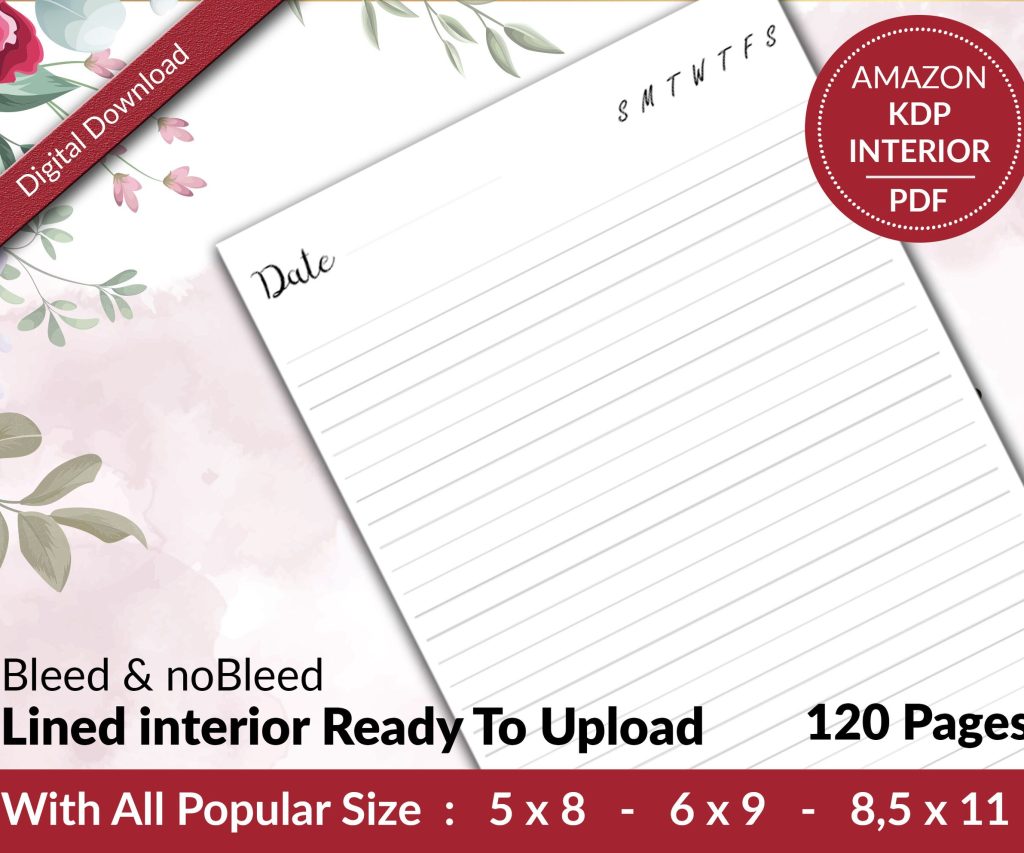 Lined Pages Journal 120 pages Ready to Upload PDF Commercial Use KDP Template 6x9 8.5x11 5x8 for Notebooks, Diaries, Low Content
1 × $0.00
Lined Pages Journal 120 pages Ready to Upload PDF Commercial Use KDP Template 6x9 8.5x11 5x8 for Notebooks, Diaries, Low Content
1 × $0.00
Subtotal: $0.00
Okay so I’ve been helping authors rewrite their bios for like three years now and honestly most of them are doing it completely wrong, like they’re writing a resume instead of something that actually connects with readers.
The biggest thing I see is people listing every single credential they have. “Jane Smith graduated from Harvard with a degree in English Literature, worked as an editor for twelve years, and has been published in…” and I’m already asleep. Your bio needs personality, not a LinkedIn profile.
So here’s what I tell everyone – your bio needs three things and you can mix them however you want. First is the human element, something that makes you real. Second is your authority or why people should trust you. Third is what you actually write about or who you help.
I tested this last month with one of my clients who writes cozy mysteries. Her old bio was like “Sarah Johnson has always loved mystery novels and decided to write her own.” Generic as hell right? We changed it to “Sarah Johnson writes mysteries between vet appointments for her three neurotic cats and wonders why fictional murders are easier to solve than real-life plumbing issues.” Her click-through rate on Amazon went up like 23% in two weeks.
Let me show you some actual bios I’ve either written or helped polish. These are for different genres because what works for romance doesn’t work for business books.
Romance Author Example:
“Emma writes love stories for people who ugly-cry in public. When she’s not forcing fictional characters to confess their feelings, she’s avoiding her own emotions and eating cheese directly from the block. She believes in happy endings but thinks the journey should hurt a little. Her neighbors have definitely heard her talking to her characters out loud.”
See what happened there? We got personality (ugly-cry, cheese), we got what she writes (love stories with emotion), and we got humanity (talking to characters). Nobody cares that she has a degree in creative writing unless it’s relevant to the story.
Business Book Example:
“Marcus spent fifteen years in corporate finance before realizing most business advice is just expensive common sense. Now he writes books that translate MBA-speak into actual English. He’s helped over 500 small businesses stop hemorrhaging money on consultant fees. Still drinks too much coffee. Still checks email at 2am. Working on both.”
This one works because business readers want authority (fifteen years, 500 businesses) but they also want someone relatable who gets their problems. The self-deprecating stuff about coffee and email makes him approachable.
Oh and another thing – people remember stories, not facts. I learned this the hard way when my own author bio was getting zero engagement. I had all my numbers listed, all my accomplishments, and nobody cared.
So I changed it to start with: “Daniel started self-publishing because he was broke and stubborn, not because he had some grand vision. Seven years and 200+ books later, he’s still stubborn but significantly less broke.”
That one sentence tells you more about me than three paragraphs of credentials ever did. It’s honest, it’s got a tiny story arc, and it positions me as someone who figured this out through experience not theory.
Wait I forgot to mention – you gotta match your bio tone to your genre. If you write dark psychological thrillers, the quirky cat lady bio doesn’t work. But you can still have personality.
Thriller example I wrote last year:
“Rachel writes the kind of books that make you check the locks twice before bed. A former crime journalist, she spent ten years covering stories she wishes she could forget. Now she channels that darkness into fiction where at least she controls the body count. Lives in Seattle where the rain matches her mood.”
It’s dark, it’s atmospheric, it matches the genre, but it’s still got voice. The “at least she controls the body count” line is doing a lot of work there – it’s slightly funny but also ominous.
This is gonna sound weird but I keep a spreadsheet of successful author bios and I’ve noticed patterns. The ones that perform best usually have:
You don’t need all of these but having three out of five seems to be the sweet spot.
Okay so funny story, I was watching this documentary about con artists while working on a client’s bio and I realized – the best bios are kind of like a good con. Not in a dishonest way but in how they create a persona that people want to believe in.
Look at bestselling authors in your genre. Actually go do this right now. Find ten authors who write what you write and are successful. Read their bios. What do they emphasize? What do they leave out?
For my romance authors, I noticed the successful ones almost never mention their education unless it’s relevant (like “former divorce lawyer now writes second-chance romance”). They DO mention relationships, pets, what they binge-watch, their coffee addiction.
For my non-fiction business authors, they mention years of experience, number of clients or students, maybe one media mention, and then something humanizing at the end.
I see these constantly and they’re so easy to fix:
Being too humble. “I’m just a person who likes to write stories” tells me nothing. Own what you do.
Being too braggy. “Award-winning bestselling acclaimed author” unless you’re actually on the NYT list, tone it down.
Writing in third person when you’re self-published. It reads as pretentious. First person feels more authentic for indie authors.
Making it too long. Your Amazon bio should be like 100-150 words max. Your website can be longer but not by much.
Not updating it. My dog literally walked across my keyboard last week while I was updating a client bio and I kept the typo for a second because it was funny… but yeah, update your bio when your life changes or you publish in a new genre.
Oh wait, speaking of multiple genres – if you write in different genres, you might need different bios or at least different pen names. I’ve got one author who writes both clean romance and dark fantasy. Those readers are NOT the same people.
Her romance bio: “Katie writes sweet contemporary romance for people who want the butterflies without the bedroom scenes. Former wedding planner who’s seen it all. Currently living in Montana with her husband and two kids who think mommy’s job is ‘making up stories about kissing.'”
Her fantasy bio under a different name: “K.M. Bradford builds worlds where magic costs something and heroes don’t always win. Influenced by mythology, horror, and too many true crime podcasts. Writes at night when the house is quiet and the ideas get weird.”
Same person, completely different energy.
Here’s what I actually do – write three different versions of your bio and test them. Put one on your Amazon page for a month, track your click-through rate and follows. Switch it up. See what performs better.
I know this sounds like extra work but I tested four different bios for myself over six months and one version got literally 40% more engagement than the others. It was the one where I mentioned being broke and stubborn, not the one where I listed all my publishing numbers.
People connect with struggle and personality more than success metrics. Which is annoying because we work hard for those metrics but whatever, give the people what they want.
Small things that make bios more memorable:
Specific numbers over vague claims. “Helped 500 businesses” beats “helped many businesses”
Specific objects or details. “Drinks coffee from a chipped mug” is better than “coffee lover”
A contradiction. “Introvert who teaches public speaking” or “organized chaos enthusiast”
Current situation. “Currently drafting book 12 while pretending to listen to her kids” tells a story
I’ve been tracking this stuff for years and the bios with specific concrete details always outperform the generic ones.
Look, everything I’m telling you has exceptions. If you’re writing academic non-fiction, you probably DO need to list your credentials more formally. If you’re ghostwriting for someone with actual name recognition, play that up.
But for most indie authors publishing on KDP, personality beats credentials every single time.
I had a client who was a literal rocket scientist writing sci-fi. We could’ve led with “PhD in aerospace engineering” but instead we went with “Former rocket scientist who decided fictional space travel was more fun than actual physics. Writes hard sci-fi that won’t make your eyes glaze over. Probably explains orbital mechanics at parties. Definitely gets uninvited from parties.”
That bio got more engagement than the credential-heavy version because it was interesting and self-aware.
This is the thing people forget – your author bio isn’t just information, it’s marketing copy. It needs to sell you as someone worth following, someone whose books are worth buying.
Every sentence should either build trust, create connection, or intrigue the reader. If a sentence doesn’t do one of those three things, cut it.
“Lives in Ohio with her family” – who cares? But “Lives in Ohio where she’s still not used to the snow and writes tropical romance as revenge” – now we’ve got something.
The detail needs to DO something. Add personality, create irony, support your brand, whatever. But it’s gotta work for its spot in your limited word count.
Your bio should evolve as you publish more books and as your life changes. I update mine every six months or whenever something significant happens.
When I hit 200 published books, I added that number. When I started consulting, I mentioned that. When my income from KDP hit consistent five figures monthly, I worked that in without being obnoxious about it.
Your bio is a living document not a tombstone inscription. Keep it current, keep it relevant, keep it working for you.
And honestly? The best thing you can do is just write something authentic that doesn’t sound like every other author bio out there. Be specific, be real, be interesting. That’s pretty much it.
DISCOVER OUR FREE BEST SELLING PRODUCTS
Editable Canva Lined Journal: Express Your Thoughts – KDP Template
Lined Pages Journal 120 pages Ready to Upload PDF Commercial Use KDP Template 6×9 8.5×11 5×8 for Notebooks, Diaries, Low Content
Lined Pages Journal 120 pages Ready to Upload PDF Commercial Use KDP Template 6×9 8.5×11 5×8 for Notebooks, Diaries, Low Content
Cute Dogs Coloring Book for Kids | Activity Book | KDP Ready-To-Upload
Daily Planner Diary : Diary Planners for Everyday Productivity, 120 pages, 6×9 Size | Amazon KDP Interior
Wolf Coloring KDP interior For Adults, Used as Low Content Book, PDF Template Ready To Upload COMMERCIAL Use 8.5×11"
Coloring Animals Head Book for Kids, Perfect for ages 2-4, 4-8 | 8.5×11 PDF
Printable Blank Comic Book Pages PDF : Create Your Own Comics – 3 Available Sizes
Notes KDP interior Ready To Upload, Sizes 8.5×11 6×9 5×8 inch PDF FILE Used as Amazon KDP Paperback Low Content Book, journal, Notebook, Planner, COMMERCIAL Use
Black Lined Journal: 120 Pages of Black Lined Paper Perfect for Journaling, KDP Notebook Template – 6×9
Student Planner Journal 120 pages Ready to Upload PDF Commercial Use KDP Template 6×9" 8.5×11" for Low Content book
Recipe Journal Template – Editable Recipe Book Template, 120 Pages – Amazon KDP Interior