-
×
 Daily Planner Diary : Diary Planners for Everyday Productivity, 120 pages, 6×9 Size | Amazon KDP Interior
2 × $0.00
Daily Planner Diary : Diary Planners for Everyday Productivity, 120 pages, 6×9 Size | Amazon KDP Interior
2 × $0.00
Subtotal: $0.00
 Daily Planner Diary : Diary Planners for Everyday Productivity, 120 pages, 6×9 Size | Amazon KDP Interior
2 × $0.00
Daily Planner Diary : Diary Planners for Everyday Productivity, 120 pages, 6×9 Size | Amazon KDP Interior
2 × $0.00 Subtotal: $0.00
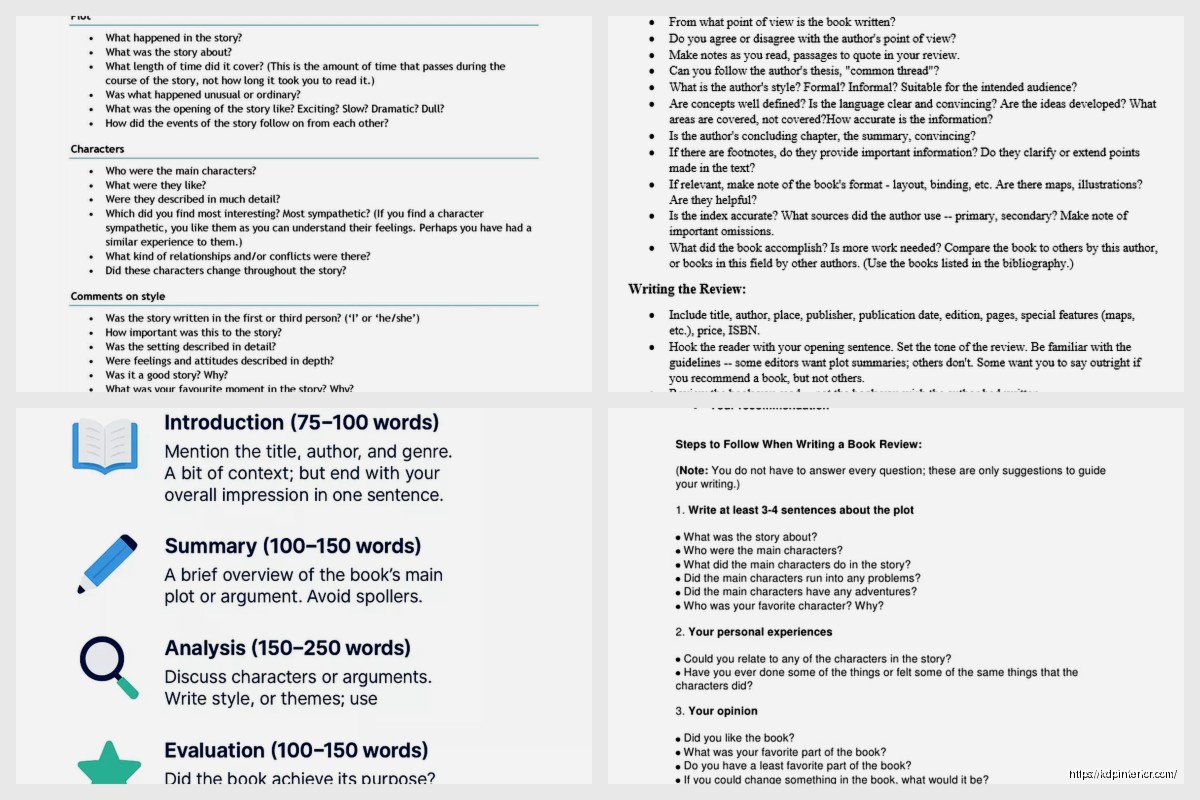
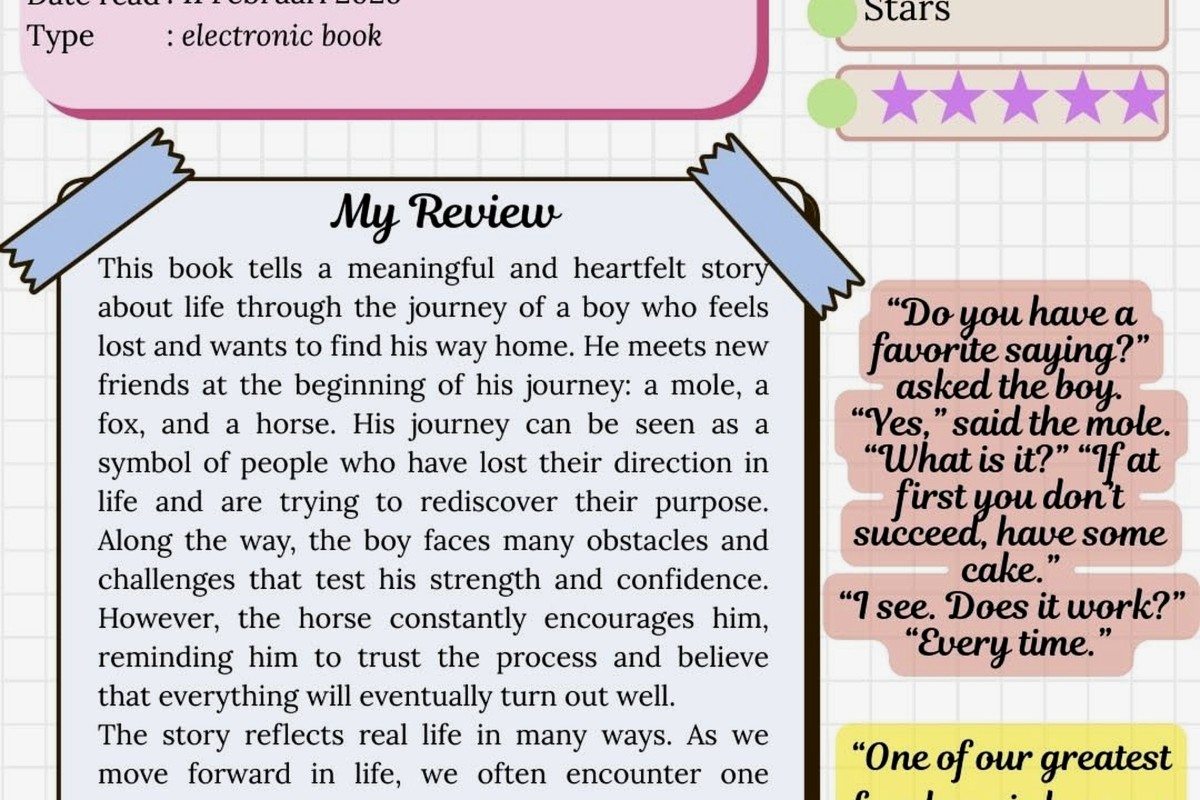
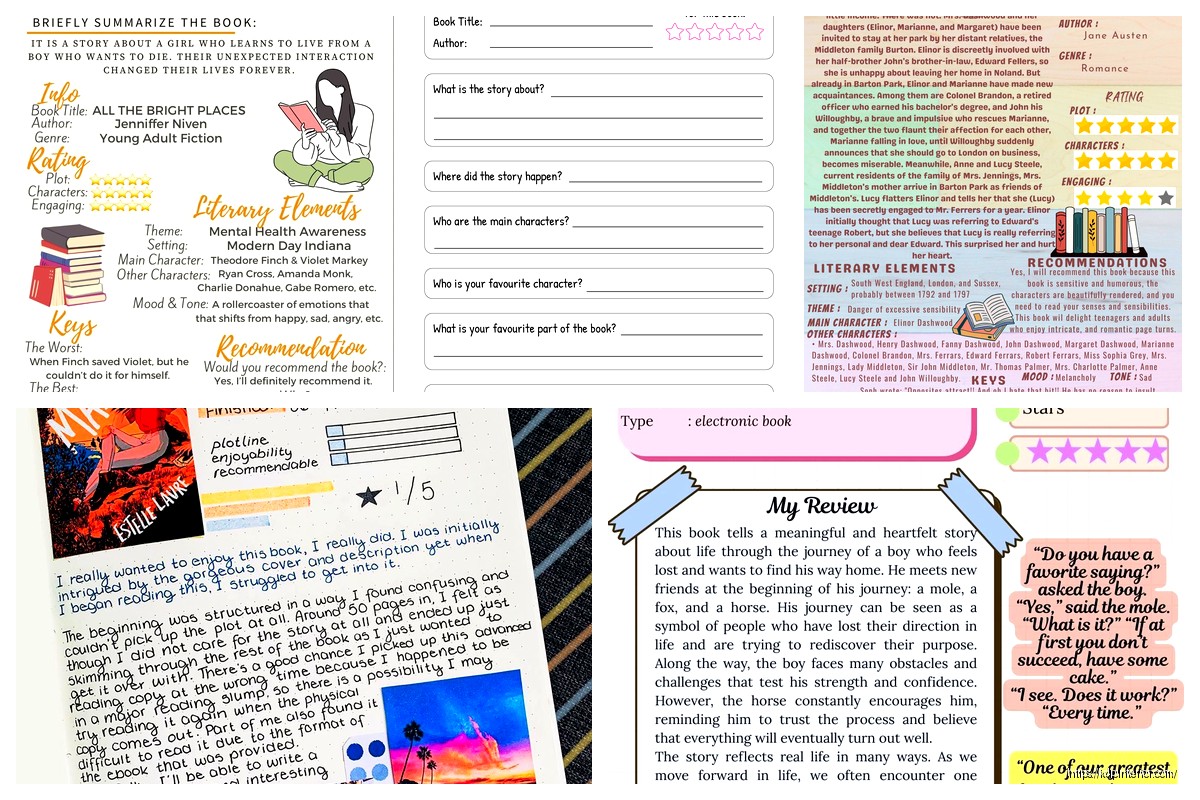
Okay so I was helping my friend Sarah last week with her book review blog and she was completely stuck on how to actually structure a review that people would want to read, and honestly this is something I see ALL the time with KDP authors trying to build their platform.
The thing about book reviews is they’re not just summaries. Like, nobody wants to read a book report from seventh grade. What you need is this mix of analysis and personal reaction that actually tells readers whether they’ll vibe with the book or not.
So first thing – you gotta include the essential info but not make it boring. I usually do something like this at the top: book title, author, genre, publication year, and maybe page count if it’s relevant. But here’s where people mess up – they make it look like a bibliography entry. Just weave it into your opening naturally.
Like instead of “Title: The Midnight Library by Matt Haig” you’d say something like “I just finished The Midnight Library by Matt Haig, this 2020 contemporary fiction novel that’s been all over BookTok, and I have thoughts.”
See the difference? You’re giving the info but it sounds like an actual human talking.
Your first paragraph needs to grab people but also set expectations. I learned this the hard way when I was reviewing books for my own author platform – if you start too positive, people think it’s gonna be a glowing review, then you hit them with criticism and they feel betrayed.
What I do now is lead with my overall impression in one sentence. Something like “This book frustrated me in the best possible way” or “I wanted to love this more than I actually did.” It’s honest upfront.
Then you can do a super brief one-sentence premise. Not the whole plot, just the hook. “It’s about a woman who gets to explore all the different lives she could’ve lived.” That’s it. Don’t give away the whole store here.
Okay so this part is tricky because you need enough plot summary that someone who hasn’t read it can follow your analysis, but you can’t just retell the entire book. I usually aim for like 2-3 paragraphs max.
Focus on:
What you DON’T include: every single subplot, minor characters, or anything past the midpoint of the book really. And for the love of god don’t spoil the ending unless you put a huge warning first.
I was watching this review on YouTube last month and the person just casually dropped the major twist like 30 seconds in and I was so mad because I hadn’t read it yet. Don’t be that person.
Real talk – sometimes you need spoilers to discuss a book properly. Especially with mysteries or books with major plot twists. What I do is write two versions of certain sections: one vague enough for people who haven’t read it, then add a clearly marked SPOILER section after.
Just use bold text or something: SPOILERS AHEAD FOR ENDING and then give people space to bail out. Most readers appreciate this because they can come back to your review after they finish.
This is the meat of your review and where most people either nail it or completely fall flat. You’re not just saying “I liked it” or “the writing was good.” You gotta dig deeper.
Break it down into categories. I usually hit these areas:
Writing Style
Talk about the prose itself. Is it lyrical and flowery or sparse and direct? Does the author use lots of metaphors? Is the pacing fast or slow? Give specific examples. Like don’t just say “the writing was beautiful” – pull an actual quote that demonstrates what you mean.
Characters
This is huge. Are the characters well-developed or flat? Did you connect with them emotionally? Were their motivations believable? This is where you can get personal – “I related so hard to the main character’s anxiety about making the wrong life choices” tells readers something useful.
One thing I’ve learned from publishing my own books – readers connect with characters differently based on their own experiences. So it’s okay to say “this didn’t work for ME” instead of making it sound like an objective fact.
Plot and Structure
Did the story keep you engaged? Were there pacing issues? Plot holes that bugged you? Did the ending satisfy you or fall flat?
Oh and another thing – if the book uses a non-linear structure or multiple POVs, mention how well that worked. Some authors can juggle five different timelines beautifully, others make it confusing as hell.
Themes
What’s the book really ABOUT beyond the plot? Like The Midnight Library isn’t just about parallel universes – it’s exploring regret, choice, depression, and what makes a life meaningful.
You don’t need to write a college essay here, but identifying the deeper themes shows you engaged with the book on more than a surface level.
People love when you compare books to other books because it helps them gauge if they’ll like it. But this is where you gotta be careful.
Saying “it’s like Harry Potter meets The Hunger Games” might be catchy but it’s also lazy and usually not accurate. What I do instead is make specific comparisons: “If you liked the time-loop element in Groundhog Day but want something more emotionally heavy, this might work for you.”
Or “Readers who connected with the mental health representation in Reasons to Stay Alive will find similar themes here.”
See how that’s more useful? You’re connecting specific elements rather than just mashing together popular titles.
This is gonna sound weird but the best reviews blend both. You need to acknowledge when something is well-done even if you personally didn’t enjoy it.
Like I reviewed this literary fiction book last year that was objectively brilliant – gorgeous prose, complex characters, innovative structure. But I was bored out of my mind reading it. So I said that! “I can appreciate the craftsmanship here and see why it’s winning awards, but the slow pacing and introspective nature didn’t grab me personally. If you love character studies and don’t need plot-driven stories, you’ll probably love this.”
That way you’re being honest about your experience while still helping readers figure out if it’s for them.
Most review platforms want you to assign stars or a number rating. I’m honestly torn on this because reducing a whole book to 3.5 stars feels reductive, but people like the quick reference.
If you’re using ratings, be consistent with what they mean. My personal system:
But honestly I know reviewers who use different scales and that’s fine. Just explain your system somewhere so readers understand.
Okay so this is important especially if you’re building an author platform like I was. You’re gonna read books you hate. The question is how to review them without being mean or burning bridges.
First – always try to find SOMETHING positive. Even if it’s just “the cover art is stunning” or “I appreciated what the author was trying to do even though the execution didn’t work for me.”
Second – focus on specific issues rather than vague insults. “The pacing dragged in the middle section” is helpful feedback. “This book was boring” isn’t.
Third – acknowledge when it’s a personal preference thing versus a craft issue. “The excessive violence wasn’t for me but readers who enjoy dark thrillers might appreciate it” is fair.
I DNF’d a book last month (my cat knocked my Kindle off the nightstand right at the 40% mark and I took it as a sign) and when I reviewed it, I focused on why it wasn’t working for me specifically without trashing the author’s ability.
When I sit down to write a review, here’s my actual structure:
This isn’t the only way to do it obviously, but it flows naturally and covers all the bases.
Let me show you what I mean with actual examples.
Weak: “The characters were well-developed and interesting. I really liked the main character.”
Strong: “Nora’s character arc from suicidal despair to tentative hope felt earned rather than rushed. Haig gives her specific quirks – her obsession with swimming, her complicated relationship with her brother – that make her feel like a real person rather than a depression stereotype.”
See the difference? The second one gives specific details and explains WHY the character worked.
Weak: “The ending was satisfying.”
Strong: “The ending avoided the trap of providing easy answers. Nora’s revelation isn’t that one specific life would’ve been perfect, but that her original life has potential she’d been too depressed to see. It’s hopeful without being unrealistic about mental health struggles.”
You’re giving readers actual information they can use to decide if they’ll connect with the book.
Don’t just summarize the plot for 90% of the review then say “it was good” at the end. That’s not a review, that’s a book report.
Don’t compare yourself to the author or talk about how you would’ve written it differently. Unless you’re also a published author in that genre, it comes across as presumptuous.
Don’t give away major spoilers without warning. I cannot stress this enough.
Don’t review a book in a genre you hate. Like if you despise romance novels, don’t read and review romance just to trash it. That’s not helpful to anyone.
Don’t make it all about you. Yes, personal reactions matter, but readers want to know about the BOOK, not your entire life story.
How long should a review be? Honestly depends on your platform and audience. For Amazon reviews, I keep it around 300-500 words. For my blog, I go longer – 800-1200 words usually. For something like Goodreads, anywhere from 200-600 words works.
The key is saying everything you need to say without padding it with fluff. If you’ve covered all the important elements in 400 words, stop there. Don’t add filler just to hit some arbitrary word count.
Oh wait I forgot to mention – always reread your review before posting. I’ve caught so many typos and unclear sentences in my second read-through. Also helps you notice if you accidentally included spoilers or if your tone is coming across harsher than you meant.
The more reviews you write, the easier this gets. My first few were rough and overly formal. Now I can bang out a solid review in like 30 minutes because I’ve internalized the structure. Just gotta practice and find your own voice that feels authentic.
DISCOVER OUR FREE BEST SELLING PRODUCTS
Editable Canva Lined Journal: Express Your Thoughts – KDP Template
Lined Pages Journal 120 pages Ready to Upload PDF Commercial Use KDP Template 6×9 8.5×11 5×8 for Notebooks, Diaries, Low Content
Lined Pages Journal 120 pages Ready to Upload PDF Commercial Use KDP Template 6×9 8.5×11 5×8 for Notebooks, Diaries, Low Content
Cute Dogs Coloring Book for Kids | Activity Book | KDP Ready-To-Upload
Daily Planner Diary : Diary Planners for Everyday Productivity, 120 pages, 6×9 Size | Amazon KDP Interior
Wolf Coloring KDP interior For Adults, Used as Low Content Book, PDF Template Ready To Upload COMMERCIAL Use 8.5×11"
Coloring Animals Head Book for Kids, Perfect for ages 2-4, 4-8 | 8.5×11 PDF
Printable Blank Comic Book Pages PDF : Create Your Own Comics – 3 Available Sizes
Notes KDP interior Ready To Upload, Sizes 8.5×11 6×9 5×8 inch PDF FILE Used as Amazon KDP Paperback Low Content Book, journal, Notebook, Planner, COMMERCIAL Use
Black Lined Journal: 120 Pages of Black Lined Paper Perfect for Journaling, KDP Notebook Template – 6×9
Student Planner Journal 120 pages Ready to Upload PDF Commercial Use KDP Template 6×9" 8.5×11" for Low Content book
Recipe Journal Template – Editable Recipe Book Template, 120 Pages – Amazon KDP Interior