-
×
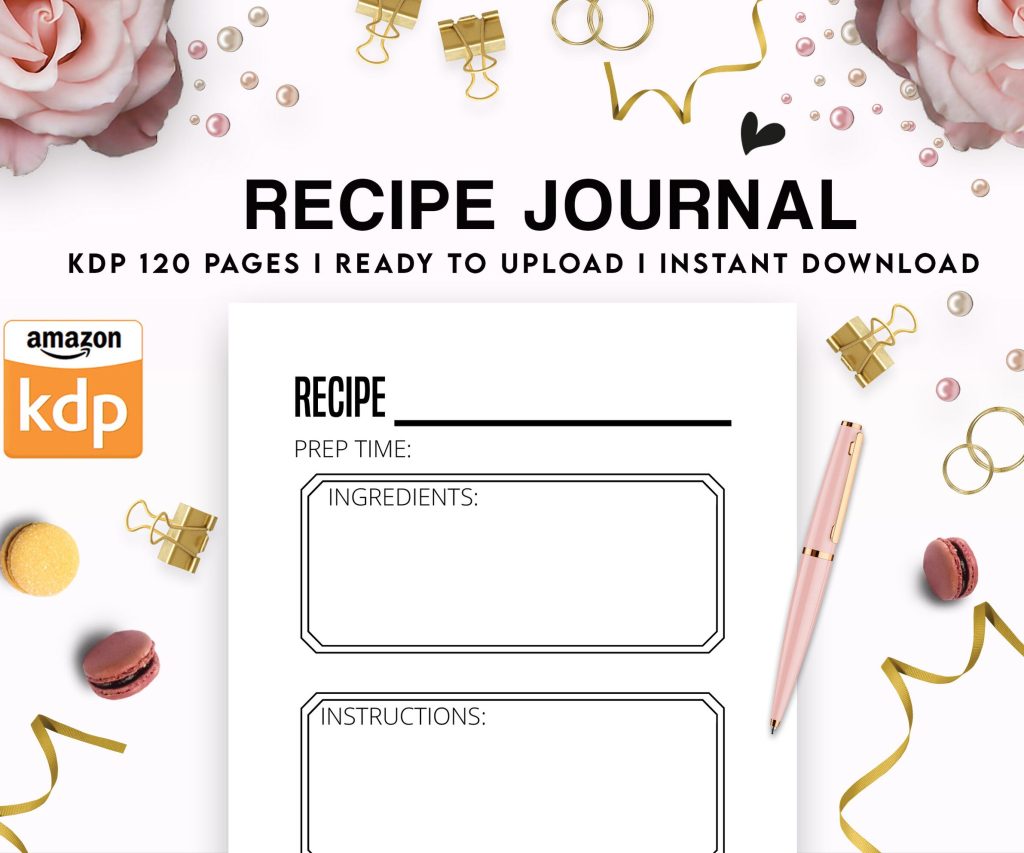 Recipe Journal Template - Editable Recipe Book Template, 120 Pages - Amazon KDP Interior
1 × $0.00
Recipe Journal Template - Editable Recipe Book Template, 120 Pages - Amazon KDP Interior
1 × $0.00
Subtotal: $0.00
 Recipe Journal Template - Editable Recipe Book Template, 120 Pages - Amazon KDP Interior
1 × $0.00
Recipe Journal Template - Editable Recipe Book Template, 120 Pages - Amazon KDP Interior
1 × $0.00 Subtotal: $0.00
Okay so coloring books on KDP are still weirdly profitable if you pick the right niche, and I mean *right* niche because the days of just throwing up “mandalas for adults” and making money are pretty much over.
I was testing this last month while binge-watching Succession and realized that the books doing well aren’t the generic ones anymore. They’re super specific. Like instead of “animal coloring book” you need “farm animals for toddlers ages 2-4 with thick lines” or “realistic horse breeds for equestrian teens.” The tighter you go, the better your conversion rate because parents and gift-buyers know exactly what they’re getting.
So here’s what I do and it’s gonna sound tedious but it works. I open like fifteen Amazon tabs and start with broad searches – “coloring book” plus age groups or interests. Then I look at what’s selling on page 2 and 3, not page 1. Page 1 is dominated by publishers with huge budgets. Page 2-3 is where independent publishers are making $500-$2000 monthly on single books.
I screenshot the covers and titles. Then I check their BSR (best seller rank). Anything under 100k in the Books category is moving units daily. Under 50k is really good. I’m looking for patterns – are butterfly books selling better than general insect books? Are “big and simple” designs outperforming detailed ones for certain age groups?
Wait I forgot to mention – use Helium 10 or Publisher Rocket if you’ve got the budget. I use Publisher Rocket because it’s a one-time fee and I’m cheap about subscriptions. It shows search volume and competition scores. You want niches with decent search volume (at least 2000 monthly) but competition scores under 50.
The senior niche surprised me. My aunt has arthritis and complained that most coloring books have tiny details she can’t manage. So I made one with really big simple shapes and thick lines. It’s been selling 8-12 copies weekly for six months now at $8.99. Not huge money but consistent.
This is where people mess up constantly. They either make designs too complex or too simple. You gotta match the niche expectations.
I use Adobe Illustrator mostly but I know that’s expensive. Affinity Designer is $70 one-time and does basically the same stuff. For beginners, Canva Pro works but you need to be careful about licensing – only use their elements marked for commercial use or create your own designs from scratch with their drawing tools.
Oh and another thing – page count matters more than you’d think. The sweet spot is 50-60 pages of actual coloring content. Amazon’s printing costs jump at certain page counts so I always check the calculator before finalizing. A 60-page book at 8.5×11 inches costs about $2.89 to print. At 100 pages it’s like $4.20. Your royalty gets eaten up fast.
Single-sided printing is essential. Always leave the back of each coloring page blank or put a gray backing page. Markers bleed through and customers will destroy you in reviews if they can’t use markers. I learned this the hard way on my third book – got like five 1-star reviews in one week.
Line thickness needs to match your audience. Toddlers need 3-4pt lines minimum. Adults doing detailed work want 1-2pt lines. Seniors need 4-5pt lines. Test print everything before uploading because what looks good on screen can be too light when printed.
I keep a swipe file of successful page layouts from books I’ve bought. Not to copy but to understand spacing, complexity levels, and what “easy” vs “intermediate” actually means to buyers. My cat knocked over my coffee on half these reference books last week which was super annoying but whatever.
Your title structure is basically a formula. Primary keyword + descriptive modifier + age range or audience + format descriptor. So like “Farm Animals Coloring Book: Simple and Fun Designs for Toddlers Ages 2-4 | 50 Large Pages for Hours of Creative Fun.”
The subtitle is where you cram more keywords but make it sound natural. I see people keyword-stuffing like “Coloring Book Animals Farm Kids Toddlers Preschool” and it just looks desperate. Amazon’s algorithm is smarter now.
For the description, I use this structure:
Seven backend keywords matter. Use all seven slots with different phrase variations. Don’t repeat words from your title – Amazon already indexes those. I use phrases like “quiet time activities,” “travel entertainment for kids,” “rainy day crafts” for kids books.
I test two price points initially. For kids books I start at $5.99 and $6.99. For adult/complex books I go $7.99 to $9.99. Higher prices work if your niche is specific enough and your cover looks professional.
The royalty calculation is tricky. At $7.99 for a 60-page book, after printing costs ($2.89), Amazon’s cut, and fees, you’re making about $2.50-$2.80 per sale. Sell 10 copies daily and that’s $750-$840 monthly from one book. Scale that across multiple niches.
I had one month where a dinosaur book just took off randomly – sold 380 copies. Made about $950 that month from that single book. It dropped off after two months but those spikes happen if you’re in enough niches.
Your cover needs to be readable as a thumbnail. I preview mine at 100px width before finalizing. If you can’t read the title clearly and see what the book is about, redesign it.
Font choices matter weirdly. Playful rounded fonts for kids books. Clean modern fonts for adult books. Elegant script fonts for women’s/religious niches. I use fonts from Creative Fabrica’s commercial license subscription because hunting down properly licensed fonts individually is exhausting.
The cover should show 2-4 example designs from inside the book. Not your best designs – save those for the interior. But representative samples so buyers know the style and complexity level. I see so many covers that are just decorative elements with no indication of what’s actually inside.
This is gonna sound weird but test your covers in grayscale. A surprising number of people browse on e-ink Kindles or have accessibility settings that remove color. Your cover should still be compelling without color contrast.
Margins are 0.5 inches on all sides for bleed. Amazon’s template shows you this but people still mess it up. Use their templates, seriously. Don’t try to wing it.
PDF upload only. Export at high quality but watch your file size. Under 650MB is the limit but I aim for under 400MB. Large files take forever to process and sometimes error out.
Color mode is CMYK for print, not RGB. This trips people up constantly. Your blacks need to be true black (C:0 M:0 Y:0 K:100) not rich black or they print grayish.
Oh wait – test ordering. Always order a physical proof copy before you start marketing. I’ve caught errors in my own books even after proofing the PDF three times. The physical copy shows you real line thickness, color accuracy, and binding quality. It costs like $4-$7 depending on page count.
Amazon will reject your book if:
I got rejected once for a book that had two different line weights that were too inconsistent. Had to go back and standardize everything. Took four hours but the book’s been selling fine since then.
I don’t run Amazon ads on new coloring books immediately. I let them sit for 2-3 weeks to gather organic data. If the BSR stays under 200k without ads, I know there’s organic demand. Then I’ll test ads.
Get reviews early somehow. I send copies to mom blogger friends, post in relevant Facebook groups (following rules about self-promotion), and occasionally use services like BookSirens though that’s more for higher-priced books.
Your A+ Content (if you have Brand Registry) should show sample pages clearly. I do a comparison chart showing age ranges and difficulty levels across my series books. Helps buyers choose the right one.
Funny story – I didn’t bother with Brand Registry for my first year. Huge mistake. Someone tried listing a knockoff of my best-selling book and I had no recourse. Get Brand Registry as soon as you have a consistent brand name across books. It’s free and protects you.
Once you’ve got one book selling okay, create variations. Different themes in the same niche. Make a series with consistent branding. Buyers who like one book will buy others.
I have a “Things That Go” series for toddlers – construction vehicles, farm vehicles, emergency vehicles, transportation vehicles. Each book is slightly different but same format, same line thickness, same page count. Parents buy all four. That’s $24-$28 in sales instead of $6.
Seasonal books work if you publish 2-3 months early. Halloween coloring books need to be live by August. Christmas by September. I always miss this timing and then scramble.
Don’t ignore international markets. Upload to Amazon UK, DE, FR, ES, IT, JP if your content translates (which coloring books do since they’re mostly visual). It’s literally checking boxes in KDP. I make an extra $200-$400 monthly from UK alone.
I started making everything myself but now I outsource about 60% of design work. Fiverr and Upwork have coloring book designers charging $50-$150 per book depending on complexity and page count. Make sure your contract specifies you own all commercial rights.
The math works once you’re profitable. Pay $100 for a book that’ll make $300-$1000 over its lifetime. I vet designers by ordering small projects first – like 10 pages. If quality’s good and they follow directions, I hire them for full books.
Putting “bestseller” or awards you didn’t win in your title – Amazon removes these now. Generic mandala books unless you’ve got a massive budget for ads. Books with only 25-30 pages – buyers feel ripped off. Using Shutterstock images directly as coloring pages – licensing issues and they’re not designed for coloring. Starting at $3.99 pricing – looks cheap and your royalty is terrible anyway.
I wasted three months last year trying to rank generic “adult coloring books” and made maybe $80 total. Soon as I switched to specific niches like “Celtic knots” and “Art Nouveau patterns” things picked up.
The real key is treating each book like a small product launch. Research the niche, create quality content that matches buyer expectations, price appropriately, and have realistic expectations. Most of my books make $50-$300 monthly each. A few make $500-$1000. One or two flop completely. That’s normal.
You need like 10-15 books minimum before this becomes meaningful income. But once you’ve got systems in place for research, design, and publishing, you can launch a book in 2-3 days if you’re outsourcing design.
DISCOVER OUR FREE BEST SELLING PRODUCTS
Editable Canva Lined Journal: Express Your Thoughts – KDP Template
Lined Pages Journal 120 pages Ready to Upload PDF Commercial Use KDP Template 6×9 8.5×11 5×8 for Notebooks, Diaries, Low Content
Lined Pages Journal 120 pages Ready to Upload PDF Commercial Use KDP Template 6×9 8.5×11 5×8 for Notebooks, Diaries, Low Content
Cute Dogs Coloring Book for Kids | Activity Book | KDP Ready-To-Upload
Daily Planner Diary : Diary Planners for Everyday Productivity, 120 pages, 6×9 Size | Amazon KDP Interior
Wolf Coloring KDP interior For Adults, Used as Low Content Book, PDF Template Ready To Upload COMMERCIAL Use 8.5×11"
Coloring Animals Head Book for Kids, Perfect for ages 2-4, 4-8 | 8.5×11 PDF
Printable Blank Comic Book Pages PDF : Create Your Own Comics – 3 Available Sizes
Notes KDP interior Ready To Upload, Sizes 8.5×11 6×9 5×8 inch PDF FILE Used as Amazon KDP Paperback Low Content Book, journal, Notebook, Planner, COMMERCIAL Use
Black Lined Journal: 120 Pages of Black Lined Paper Perfect for Journaling, KDP Notebook Template – 6×9
Student Planner Journal 120 pages Ready to Upload PDF Commercial Use KDP Template 6×9" 8.5×11" for Low Content book
Recipe Journal Template – Editable Recipe Book Template, 120 Pages – Amazon KDP Interior