-
×
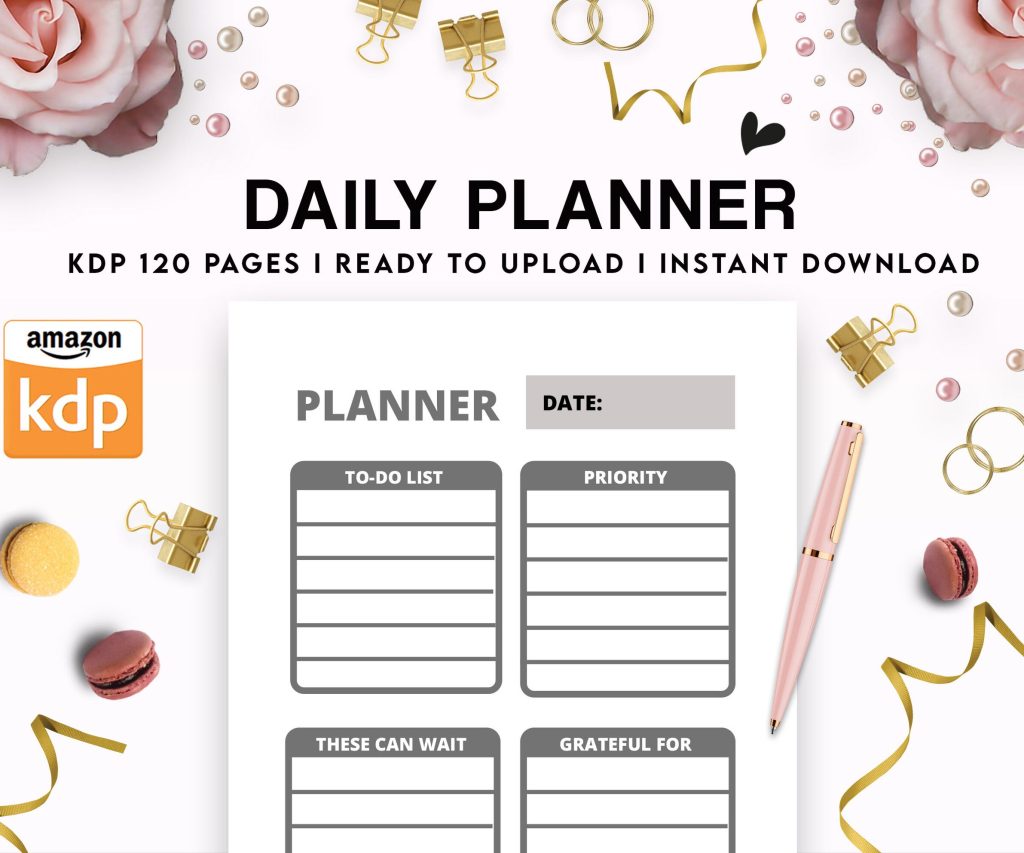 Daily Planner Diary : Diary Planners for Everyday Productivity, 120 pages, 6×9 Size | Amazon KDP Interior
1 × $0.00
Daily Planner Diary : Diary Planners for Everyday Productivity, 120 pages, 6×9 Size | Amazon KDP Interior
1 × $0.00
Subtotal: $0.00
 Daily Planner Diary : Diary Planners for Everyday Productivity, 120 pages, 6×9 Size | Amazon KDP Interior
1 × $0.00
Daily Planner Diary : Diary Planners for Everyday Productivity, 120 pages, 6×9 Size | Amazon KDP Interior
1 × $0.00 Subtotal: $0.00

Okay so the copyright page thing – honestly I was pulling my hair out about this when I first started because Amazon doesn’t give you a clear template and you’re sitting there like “am I gonna get sued if I mess this up?”
Here’s the deal. Your copyright page doesn’t need to be fancy but it DOES need certain elements or you’re leaving yourself open to issues down the road. I learned this the hard way when someone straight up copied one of my planners in 2019 and I had to prove ownership and my early books had like… barely anything on the copyright page.
So at minimum you need the copyright symbol © followed by the year and your name or publishing company name. Like this:
© 2024 Daniel Harper
That’s the baseline. But honestly that’s kinda weak if you actually want protection. I always add “All Rights Reserved” right after because even though it’s not technically required anymore under international law, it doesn’t hurt and makes it crystal clear.
The ISBN goes here too if you’re using one. For KDP you don’t HAVE to buy ISBNs since Amazon gives you free ones, but I buy my own through Bowker for books I’m serious about. On the copyright page it looks like:
ISBN: 978-1-234567-89-0
Okay so this part gets weird because it depends on what kind of book you’re publishing. For low-content stuff like journals and planners, you don’t need much. But I still throw in a basic “no part of this publication may be reproduced” statement because why not.
Here’s what I use for most of my planners:
No part of this book may be reproduced or transmitted in any form or by any means, electronic or mechanical, including photocopying, recording, or by any information storage and retrieval system, without written permission from the publisher.
For anything with actual advice – like if you’re doing a nonfiction book about productivity or whatever – you GOTTA have a disclaimer. I’m talking the whole “this is for informational purposes only” thing. My cat literally walked across my keyboard while I was writing one of these once and I almost published it with “jjjjjkkkk” in the middle of the disclaimer… caught it during my final proof thank god.
For health/fitness books I use something like:
The information provided in this book is for educational purposes only. Consult with a physician before starting any fitness program. The author and publisher are not responsible for any injuries or damages resulting from the use of this information.
Financial books need even more protection:
This book is designed to provide information about the subject matter covered. It is sold with the understanding that the author and publisher are not engaged in rendering legal, accounting, or other professional services. If legal advice or other expert assistance is required, seek the services of a competent professional.
Wait I forgot to mention – if you’re doing recipe books you need a different approach. I published a meal prep planner last year and had to add an allergen disclaimer because people are wild about that stuff and rightfully so.
Fiction is actually easier in some ways. You still need the copyright notice and ISBN but then you add:
This is a work of fiction. Names, characters, places, and incidents are either products of the author’s imagination or are used fictitiously. Any resemblance to actual persons, living or dead, businesses, companies, events, or locales is entirely coincidental.
I’ve seen people skip this and then get weird emails from readers thinking the story was real. Just… don’t skip it.
If you’re publishing under a company name or imprint, that goes here too. Mine looks like:
Published by Harper Digital Publishing
www.yourwebsite.com (if you have one)
You don’t need a website but it looks more professional. I didn’t have one for my first 50 books and it was fine.
This is gonna sound weird but tracking your editions matters more than you think. When I update a book – like if I fix typos or add content – I change the edition line. First edition published 2024, Second edition 2025, whatever.
Some people do “First Edition” or “Version 1.0” – both work. I prefer the edition format because it’s clearer when you’re looking at your files later trying to figure out which version is live.
Okay so you DON’T need:
– Library of Congress cataloging data (that’s for traditional publishing mostly)
– Printing information like “Printed in the United States” unless you’re doing special distribution
– Long acknowledgments (save that for a separate page)
– Your life story
I see people putting like three paragraphs about themselves on the copyright page and it’s just… no. Keep it legal and functional.
Alright here’s what I literally copy-paste and modify for each book:
© [YEAR] [YOUR NAME/COMPANY] All Rights Reserved
ISBN: [NUMBER]
No part of this publication may be reproduced, distributed, or transmitted in any form or by any means, including photocopying, recording, or other electronic or mechanical methods, without the prior written permission of the publisher, except in the case of brief quotations embodied in critical reviews and certain other noncommercial uses permitted by copyright law.
[ADD SPECIFIC DISCLAIMER FOR BOOK TYPE]Published by [PUBLISHER NAME] [WEBSITE IF YOU HAVE ONE]
First Edition: [MONTH YEAR]
Keep it simple – I use a smaller font than the main text, usually 10pt when my book text is 11pt or 12pt. Center-aligned looks cleaner but left-aligned works too.
Don’t put it on the first page. Copyright goes on the back of the title page (page 2 in your document, but it’ll be page iv in roman numerals if you’re doing that whole front matter thing properly).
Oh and another thing – make sure there’s enough contrast. I published a journal once with grey text on the copyright page thinking it looked elegant and Amazon flagged it during review saying it wasn’t readable enough. Had to reupload with black text.
If you’re publishing under a pen name, you can still copyright it under your real name OR the pen name. I do both depending on the project. For my pen name stuff the copyright looks like:
© 2024 [Pen Name]
But then I register the copyright with the US Copyright Office under my real name with the pen name listed as a pseudonym. You don’t HAVE to register with the Copyright Office – your work is automatically copyrighted when you create it – but registration gives you better legal options if someone steals your work.
For journals, planners, logbooks – basically anything without much text – keep your copyright page super minimal. These buyers don’t care about long legal text and it just wastes space.
Mine for a basic journal:
© 2024 Daniel Harper
All Rights Reserved
ISBN: 978-X-XXXX-XXXX-X
That’s it. Three lines. Done.
But if it’s got prompts or specific content I created, I add: “The content and design of this journal are protected by copyright. Unauthorized reproduction is prohibited.”
People ask me all the time about crediting stock images or fonts. Your copyright page isn’t really the place for that unless you’re required to by the license. I usually put image credits at the very back of the book on a separate “Credits” or “Acknowledgments” page.
Same with fonts – most commercial licenses don’t require attribution in the final product. Read your license agreements though because some free fonts do require it.
Putting copyright info in the book description instead of in the actual book. The description is marketing space – don’t waste it on legal stuff.
Using someone else’s copyright template without modifying it. I’ve literally seen books with “INSERT YOUR NAME HERE” still in the copyright text because people just copied and didn’t read.
Making it too complicated. You’re not Harper Collins. You don’t need five paragraphs of legal jargon that nobody reads anyway.
Forgetting to update the year when you publish a new edition. This looks sloppy and can actually matter if there’s ever a legal issue about when something was published.
If you’re selling globally through KDP (which you probably are since it’s automatic), your US copyright is generally recognized internationally thanks to the Berne Convention. You don’t need separate copyright notices for different countries.
But some publishers add “Worldwide Rights Reserved” or list specific countries. I don’t bother with this for KDP books – seems like overkill for self-publishing.
This is totally okay to do. I’ve gone back and updated copyright pages on books from 2018 to make them more robust. Just upload the new interior file through your KDP dashboard.
The only thing is – if you’ve already sold copies with the old copyright page, those are out there. But that’s fine. You’re just improving going forward.
Real talk though, don’t obsess over making it perfect. I spent like two hours on my first copyright page trying to make it sound official and professional and literally no reader has ever mentioned it. They don’t care. It’s there for legal protection and that’s it.
Just make sure you have the basics – copyright symbol, year, name, ISBN if applicable, and whatever disclaimer makes sense for your content type. Everything else is optional.
And honestly? The best thing I ever did was create a master template document with blanks for the variable info. Now when I publish a new book I just fill in the title, year, ISBN and I’m done in 30 seconds. Working smarter not harder and all that.
DISCOVER OUR FREE BEST SELLING PRODUCTS
Editable Canva Lined Journal: Express Your Thoughts – KDP Template
Lined Pages Journal 120 pages Ready to Upload PDF Commercial Use KDP Template 6×9 8.5×11 5×8 for Notebooks, Diaries, Low Content
Lined Pages Journal 120 pages Ready to Upload PDF Commercial Use KDP Template 6×9 8.5×11 5×8 for Notebooks, Diaries, Low Content
Cute Dogs Coloring Book for Kids | Activity Book | KDP Ready-To-Upload
Daily Planner Diary : Diary Planners for Everyday Productivity, 120 pages, 6×9 Size | Amazon KDP Interior
Wolf Coloring KDP interior For Adults, Used as Low Content Book, PDF Template Ready To Upload COMMERCIAL Use 8.5×11"
Coloring Animals Head Book for Kids, Perfect for ages 2-4, 4-8 | 8.5×11 PDF
Printable Blank Comic Book Pages PDF : Create Your Own Comics – 3 Available Sizes
Notes KDP interior Ready To Upload, Sizes 8.5×11 6×9 5×8 inch PDF FILE Used as Amazon KDP Paperback Low Content Book, journal, Notebook, Planner, COMMERCIAL Use
Black Lined Journal: 120 Pages of Black Lined Paper Perfect for Journaling, KDP Notebook Template – 6×9
Student Planner Journal 120 pages Ready to Upload PDF Commercial Use KDP Template 6×9" 8.5×11" for Low Content book
Recipe Journal Template – Editable Recipe Book Template, 120 Pages – Amazon KDP Interior