okay so you wanna use the KDP online platform without downloading anything
Look, I’m gonna walk you through the web-based version because honestly most people overthink this. You don’t need fancy software to publish on Amazon – I’ve done like 80% of my uploads just from my browser while sitting at coffee shops or whatever.
First thing, obviously you gotta get to kdp.amazon.com and sign in with your regular Amazon account. If you don’t have a KDP account yet, the setup takes maybe 10 minutes – they’ll ask for tax info and banking details but you can publish before all that’s verified, you just can’t get paid yet.
the dashboard is where everything happens
So once you’re in, you land on this dashboard thing called the Bookshelf. It’s not fancy but it works. You’ll see all your published books here eventually, but right now you’re looking at that big yellow button that says “Create New Title” – wait actually they might’ve changed it to orange? Doesn’t matter, you’ll see it.
Click that and you get two options: Kindle eBook or Paperback. Most people start with eBook because it’s simpler and there’s no printing costs to worry about. I always do eBook first, then add paperback later if the book sells decent.
filling out the book details page
This is where people mess up because they rush through it. The interface is pretty straightforward but lemme break down what actually matters:
- Language – just pick English or whatever language your book is in
- Book Title – this is HUGE for discoverability, stuff your main keyword in here but make it readable
- Subtitle – use this! I see so many people skip it but it’s free real estate for more keywords
- Series – only fill this if you’re doing a series obviously
- Author Name – you can use a pen name, I have like 6 different pen names for different niches
The description box is where you write your book blurb. Here’s something weird but true – you can actually use basic HTML in here. Most people just paste plain text but if you add some tags for bold or line breaks, it looks way more professional on your Amazon page. I spent three hours one night testing different HTML tags after my dog knocked over my coffee and I couldn’t focus on actual work… turns out most formatting tags work fine.
categories and keywords are your best friends
You get to pick two categories right there in the interface. My advice? Don’t pick the most obvious massive categories. Go 3-4 levels deep into subcategories where there’s less competition. Like instead of “Self-Help” go for something like “Self-Help > Self-Esteem > Body Image” if that fits your book.
For keywords, you get 7 boxes. Each box can hold a phrase, not just single words. This is where I see beginners waste opportunity – they type “productivity” “habits” “success” as separate keywords when they could do “productivity habits for entrepreneurs” as ONE keyword phrase and get way more specific traffic.
oh and another thing – don’t use your title words in your keywords, it’s redundant. Amazon already indexes your title.
uploading your manuscript file
This part’s pretty painless actually. KDP accepts .doc, .docx, .epub, .mobi, and some other formats. I usually just upload a .docx file because I’m not trying to complicate things.
Hit that “Upload eBook manuscript” button and wait for it to process. Takes anywhere from 30 seconds to like 5 minutes depending on file size. Once it’s done, there’s this online previewer tool that pops up – USE IT. I can’t tell you how many times I’ve caught formatting issues here that would’ve looked terrible on actual Kindles.
The previewer lets you see your book on different devices – phone, tablet, Kindle e-reader. Click through at least a few pages on each view because text that looks fine on desktop might be wonky on mobile.
cover design without leaving the browser
So KDP has this built-in Cover Creator tool if you don’t have a cover ready. Is it gonna win design awards? No. Will it work for low-content books or getting something published quickly? Yeah actually it’s fine.
You can upload your own image and add text right there in the browser. They have templates which… look I’m gonna be honest, they’re pretty basic. But I’ve used them for planners and journals that went on to make a few hundred bucks, so don’t let perfect be the enemy of published.
If you already have a cover designed, just upload it. They want specific dimensions – for eBooks it’s recommended to be 2560 x 1600 pixels at minimum. The system will tell you if something’s wrong with your file.
pricing and royalties section is where math happens
You gotta choose between 35% and 70% royalty options. Here’s the deal – 70% sounds way better but there are restrictions:
- Your book has to be priced between $2.99 and $9.99
- Amazon charges delivery costs (usually like 15 cents per MB of file size)
- Only available in certain countries
For books under $2.99 or over $9.99, you’re stuck with 35% royalty. Most of my low-content books are priced at $2.99 exactly to hit that 70% threshold.
There’s this pricing calculator right on the page that shows you exactly what you’ll earn per sale in different marketplaces. Play around with it before committing.
kindle unlimited enrollment
You’ll see KDP Select enrollment option – this puts your book in Kindle Unlimited where readers can borrow it. You get paid based on pages read, usually around half a cent per page.
The catch? Your book can’t be published anywhere else digitally – no Apple Books, no Google Play, nothing. It’s exclusive to Amazon for 90 days (auto-renews unless you opt out).
I do KDP Select for like 80% of my books because honestly Amazon is where most sales happen anyway, and the page reads add up. But if you’re publishing something you wanna sell everywhere, skip it.
publishing and what happens next
Once you’ve filled everything out, hit that “Publish Your Kindle eBook” button at the bottom. That’s it. You’re done with the upload process.
Amazon says it takes up to 72 hours for your book to go live but in my experience it’s usually 12-24 hours. You’ll get an email when it’s live. Then another email when it’s available in the Kindle Store.
this is gonna sound weird but I always publish late at night because I swear books that go live in the morning get seen by more people browsing, but that might just be superstition on my part.
making changes after publishing
If you need to update your book, just go back to your Bookshelf, find the book, and click those three dots next to it. Choose “Edit eBook details” or “Edit eBook content” depending on what you’re changing.
Content changes (like fixing typos in your manuscript) take the book down temporarily while Amazon reviews the new version. Usually back up within a day. Metadata changes (title, description, keywords) don’t take it down and usually update within a few hours.
wait I forgot to mention – there’s a “Reports” tab in the dashboard where you track sales. It updates every few hours but not in real-time, which can be frustrating when you’re obsessively checking after launch like we all do.
The web interface for reports is actually pretty detailed – you can see units sold, pages read from KU, royalties earned, and break it down by marketplace. I usually export to Excel once a month for my records.
paperback version works almost the same way
If you wanna add a paperback, go back to your Bookshelf and look for the “+ Paperback” button next to your eBook listing. Most of the details carry over automatically which saves time.
The main differences are you gotta upload a PDF for the manuscript (they’re pickier about formatting), and the cover process is more complicated because you need a full wrap-around cover with spine. KDP has a Cover Template Generator that creates the exact dimensions you need based on your page count.
Pricing is trickier with paperbacks because Amazon takes printing costs off the top first, then you get your royalty percentage. A 100-page paperback might cost $2.50 to print, so if you price it at $7.99, you’re only getting like $2-3 in royalties depending on the marketplace.
Honestly I was watching The Office for the millionth time while setting up my first paperback and almost screwed up the cover dimensions because I wasn’t paying attention… so maybe don’t multitask on that part.
The whole web-based platform is designed to be user-friendly enough that you don’t need tech skills, just attention to detail and willingness to read what each field actually wants from you. I’ve published over 200 books and probably 90% of that work happened in just this browser interface, no special tools needed.

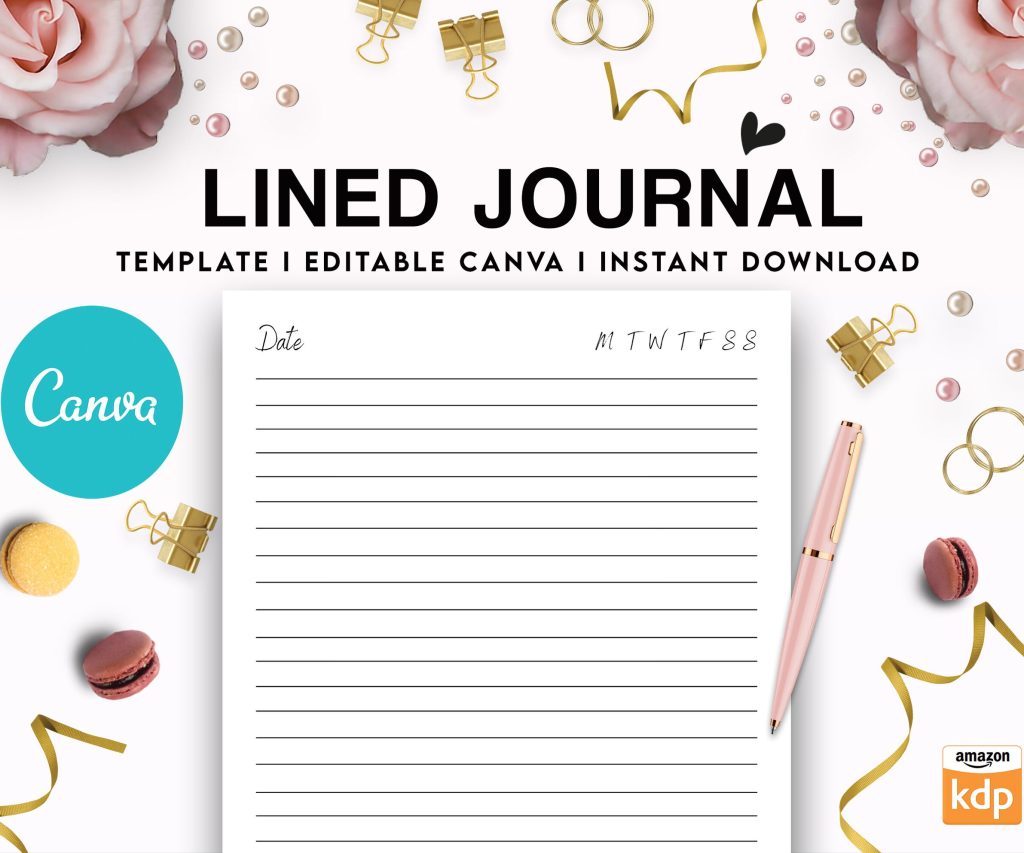 Editable Canva Lined Journal: Express Your Thoughts - KDP Template
1 × $0.00
Editable Canva Lined Journal: Express Your Thoughts - KDP Template
1 × $0.00  Wolf Coloring KDP interior For Adults, Used as Low Content Book, PDF Template Ready To Upload COMMERCIAL Use 8.5x11"
1 × $0.00
Wolf Coloring KDP interior For Adults, Used as Low Content Book, PDF Template Ready To Upload COMMERCIAL Use 8.5x11"
1 × $0.00 
DISCOVER OUR FREE BEST SELLING PRODUCTS
Editable Canva Lined Journal: Express Your Thoughts – KDP Template
Lined Pages Journal 120 pages Ready to Upload PDF Commercial Use KDP Template 6×9 8.5×11 5×8 for Notebooks, Diaries, Low Content
Lined Pages Journal 120 pages Ready to Upload PDF Commercial Use KDP Template 6×9 8.5×11 5×8 for Notebooks, Diaries, Low Content
Cute Dogs Coloring Book for Kids | Activity Book | KDP Ready-To-Upload
Daily Planner Diary : Diary Planners for Everyday Productivity, 120 pages, 6×9 Size | Amazon KDP Interior
Wolf Coloring KDP interior For Adults, Used as Low Content Book, PDF Template Ready To Upload COMMERCIAL Use 8.5×11"
Coloring Animals Head Book for Kids, Perfect for ages 2-4, 4-8 | 8.5×11 PDF
Printable Blank Comic Book Pages PDF : Create Your Own Comics – 3 Available Sizes
Notes KDP interior Ready To Upload, Sizes 8.5×11 6×9 5×8 inch PDF FILE Used as Amazon KDP Paperback Low Content Book, journal, Notebook, Planner, COMMERCIAL Use
Black Lined Journal: 120 Pages of Black Lined Paper Perfect for Journaling, KDP Notebook Template – 6×9
Student Planner Journal 120 pages Ready to Upload PDF Commercial Use KDP Template 6×9" 8.5×11" for Low Content book
Recipe Journal Template – Editable Recipe Book Template, 120 Pages – Amazon KDP Interior