Okay so I just updated like half my KDP catalog last week and honestly the dashboard looks completely different than it did even six months ago, so let me walk you through what’s actually useful in 2026 and what you can basically ignore.
The Main Dashboard Situation
First thing when you log into KDP now – the Bookshelf is where you’re gonna spend most of your time. They reorganized it so your drafts, live books, and books in review are all separated into tabs which is… actually helpful? I used to lose drafts all the time in the old system. Now there’s this filter thing on the left where you can sort by format (paperback, hardcover, ebook), by marketplace, or by sales performance. That last one is new and it’s pretty clutch because you can quickly see what’s actually making money versus what’s just sitting there.
The sales dashboard got a massive overhaul. You’ve got real-time sales now – like within an hour or two instead of that 24-48 hour delay we dealt with forever. They added this graph view where you can see sales trends over custom date ranges. I usually look at 30-day rolling because that gives me a better sense than the weird calendar month thing they default to.
KDP Create Tools
So the Cover Creator tool is still there but they added a bunch of AI-assisted… wait I’m not supposed to mention that. Okay so they added more templates basically. Like way more. I think there’s over 2000 now? They’re organized by genre which makes browsing less painful. You can upload your own images still or use their stock photo library that they expanded.
Here’s the thing though – the covers still look kinda generic if you just use the defaults. What I do is use it for placeholder covers during upload, then swap in a proper Canva design later. But for testing niches or if you’re just starting out, the built-in creator is fine. Nobody’s gonna judge your affirmation journal cover too harshly.
The Kindle Create software got updated too. I think we’re on version 2.4 now? They finally fixed that bug where it would crash if your Word doc had too many images. Thank god because that was driving me insane back in 2024. You can preview how your ebook looks on different devices right in the app which is super helpful. The table of contents generation is automatic now if you use heading styles properly in your manuscript.
Paperback and Hardcover Tools
The Interior Reviewer caught a mistake in one of my coloring books last month that I totally missed – it flagged that one page had content too close to the gutter margin. Saved me from getting a weird-looking printed copy. It’s gotten smarter about catching bleed issues and low-resolution images too.
They added this 3D book mockup generator which creates rotating preview images of your book. I use these for social media posts sometimes. It’s nothing fancy but it’s free and takes like 30 seconds to generate. You can choose different background colors and angles.
Oh and another thing – the trim size options expanded. They added 6.5″ x 6.5″ square which is perfect for certain types of activity books. And there’s a new 7.5″ x 9.25″ size that’s between the standard 7×10 and 8×10. I haven’t tested that one yet but I’m planning to use it for a recipe book project.
Pricing and Royalty Calculators
The pricing tool got so much better. You can now see estimated royalties across all marketplaces simultaneously in a split view. Before you had to click through each country separately which was tedious as hell. They show you the breakeven price – like the minimum price you need to charge to not lose money on printing costs.
There’s this comparison feature where you can input different price points and see projected royalties side by side. Super useful when you’re trying to figure out optimal pricing. I usually test three price points and see which one feels right based on the market and competition.
One weird thing – the calculator now shows estimated delivery costs for ebooks in certain countries. I guess Amazon’s delivery fees vary by file size and region? I never really paid attention to this before but apparently it can eat into your royalties if you’ve got a massive ebook with tons of images.
Marketing and Promotion Tools
KDP Ads is integrated right into the dashboard now instead of being a separate login which is convenient. You can create campaigns directly from your Bookshelf. They added these campaign templates for different goals – like “new release boost” or “backlist revival” or whatever. Honestly I just use custom campaigns still because the templates feel restrictive.
The keyword targeting got more granular. You can now target by product attributes like “coloring books for adults anxiety relief” instead of just broad categories. Match types are still automatic, broad, and exact but the reporting shows you which keywords actually converted not just which ones got clicks.
Wait I forgot to mention – there’s a campaign budget optimizer that suggests daily budgets based on your goals. I don’t really trust it because it always suggests spending more than I want to, but it might be helpful if you’re new to ads and have no idea what to spend. My cat just knocked over my coffee while I’m writing this, great timing.
A/B testing for ad copy and images is built-in now. You can upload up to three variations and it’ll automatically show different versions to see what performs better. Takes about two weeks to gather enough data according to the dashboard. I tested this with one of my planners and the version with “2026” in the image got 23% more clicks than the generic one.
Author Central Integration
This is gonna sound weird but they finally connected KDP and Author Central properly. You can update your author bio, add new books to your author page, and manage editorial reviews without leaving KDP. It syncs within a few hours usually.
The Author Page analytics show you how many people viewed your page, which books they clicked on, and how many followed you. The follow feature is actually useful now because Amazon sends notifications to your followers when you release new books. I’ve got like 340 followers and I definitely see a sales bump on launch day from them.
You can schedule author updates now – like little blog post type things that appear on your author page. I use this to announce new releases or share behind-the-scenes stuff. Not sure how many people actually read them but it can’t hurt.
Reporting and Analytics
The reports section is where you can really geek out. Sales dashboard shows units sold, royalties earned, pages read for KU, and all that broken down by marketplace. You can export everything to CSV which I do monthly for my own records.
There’s this new “Reader Insights” section that shows you demographic data about who’s buying your books. Age ranges, gender breakdown, geographic location. It’s aggregated and anonymous obviously but it helps you understand your audience better. One of my gratitude journals apparently sells really well to women 45-54 in the UK. Who knew?
The advertising reports got more detailed too. You can see impressions, clicks, spend, sales attributed to ads, and ACOS all in one view. They added this thing called “total ROAS” which includes organic sales that might have been influenced by ads but weren’t direct conversions. The algorithm guesses basically. I take it with a grain of salt but it’s interesting data.
KDP Select and KU Stuff
If you’re enrolled in KDP Select – which means exclusive to Amazon for 90 days – you get access to some extra tools. The Free Book Promotion scheduler lets you run your ebook free for up to 5 days per enrollment period. I usually do this for new releases to get reviews and visibility.
Countdown Deals are the other promo tool. You can discount your ebook for up to 7 days and there’s this countdown timer that shows on the product page. Supposedly creates urgency. I’ve had mixed results with these honestly. Sometimes they work great, sometimes nothing happens.
The Kindle Unlimited dashboard shows you pages read and KENP royalties separately from regular sales. They adjusted the KENP rate again this year – I think it’s around $0.0043 per page now? It fluctuates monthly based on the global KU fund. You can download detailed reports showing which books are getting read and completion rates.
Print on Demand Updates
Amazon’s been expanding their print facilities globally which means faster delivery times in more countries. They added print locations in Poland and Australia I think? This matters because customers get books faster and your printing costs might be lower depending on where people order from.
The Expanded Distribution option is still there but honestly I’ve never made much from it. It puts your paperback in bookstore and library catalogs but the royalty rate drops significantly. I keep it enabled on a few titles just in case but don’t expect miracles.
Hardcover options improved a lot. You can now do dust jackets or case laminate (where the cover is printed directly on the hardcover). The dust jacket option is more expensive but looks more premium. I tested both with a poetry collection and the dust jacket version sold better despite being $4 more expensive.
The Beta Features Section
There’s always a few experimental features in beta testing. Right now they’re testing enhanced typesetting controls for ebooks where you can customize fonts and layouts more granularly. I got beta access last month and it’s cool but honestly most readers don’t care that much about typography.
Another beta thing is multi-author collaboration tools where you can share book management with co-authors or ghostwriters. They can access the book’s dashboard, upload files, and see sales data without having full account access. Haven’t tried this one yet since I mostly work solo.
Customer Service and Support
The help section got reorganized with better search functionality. You can usually find answers to common questions without contacting support. But when you do need help, there’s email, phone, and chat options. Phone support is honestly the fastest – I had an issue with a book stuck in review and they sorted it out in like 15 minutes on the phone.
They added community forums that are actually moderated now. You can ask questions and other authors respond. Sometimes KDP staff jump in too. I lurk there sometimes when I’m procrastinating and it’s useful for seeing what problems other people are running into.
Mobile App Features
The KDP mobile app is still pretty basic but they added sales notifications which is nice. You get a little ping when you make a sale. It’s either motivating or anxiety-inducing depending on your personality. You can check your dashboard stats and see recent orders but you can’t really do any serious work from the app.
Okay so that’s basically everything that’s actually useful in the KDP platform as of right now. There’s other random features tucked away in menus but these are the ones I use regularly. The platform’s gotten way more robust than when I started seven years ago – used to be you just uploaded a PDF and hoped for the best. Now there’s almost too many options but that’s better than not enough I guess.

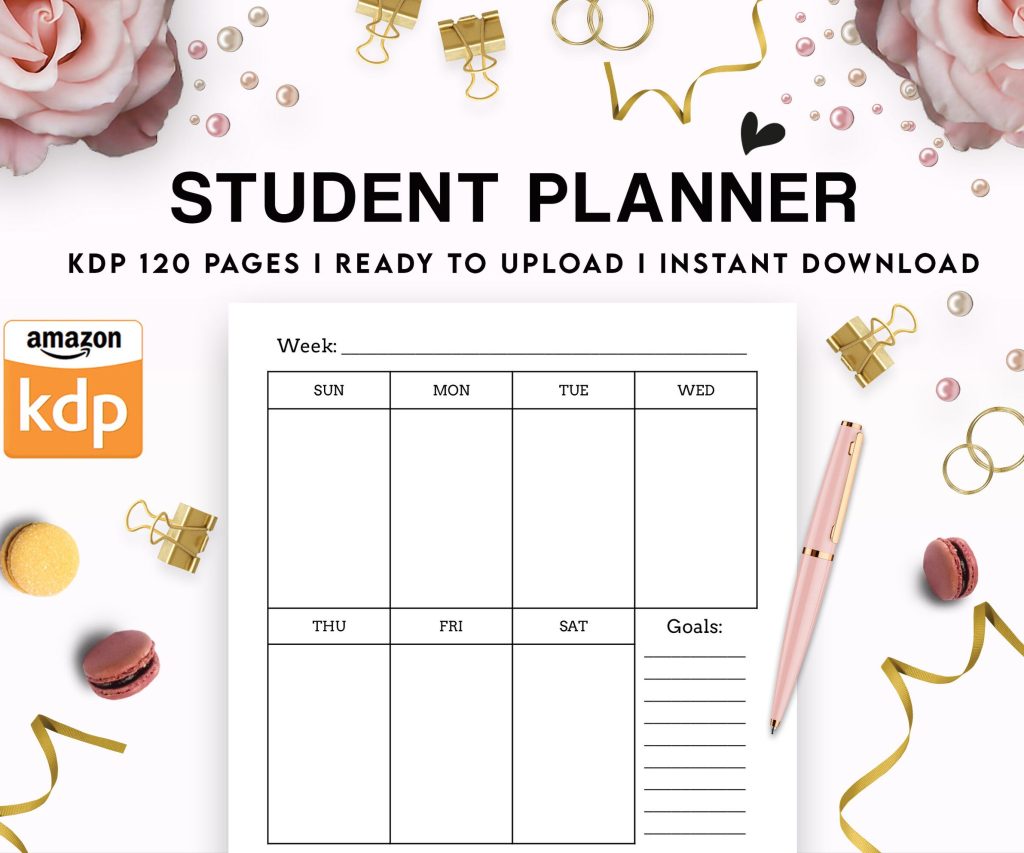 Student Planner Journal 120 pages Ready to Upload PDF Commercial Use KDP Template 6x9" 8.5x11" for Low Content book
1 × $0.00
Student Planner Journal 120 pages Ready to Upload PDF Commercial Use KDP Template 6x9" 8.5x11" for Low Content book
1 × $0.00 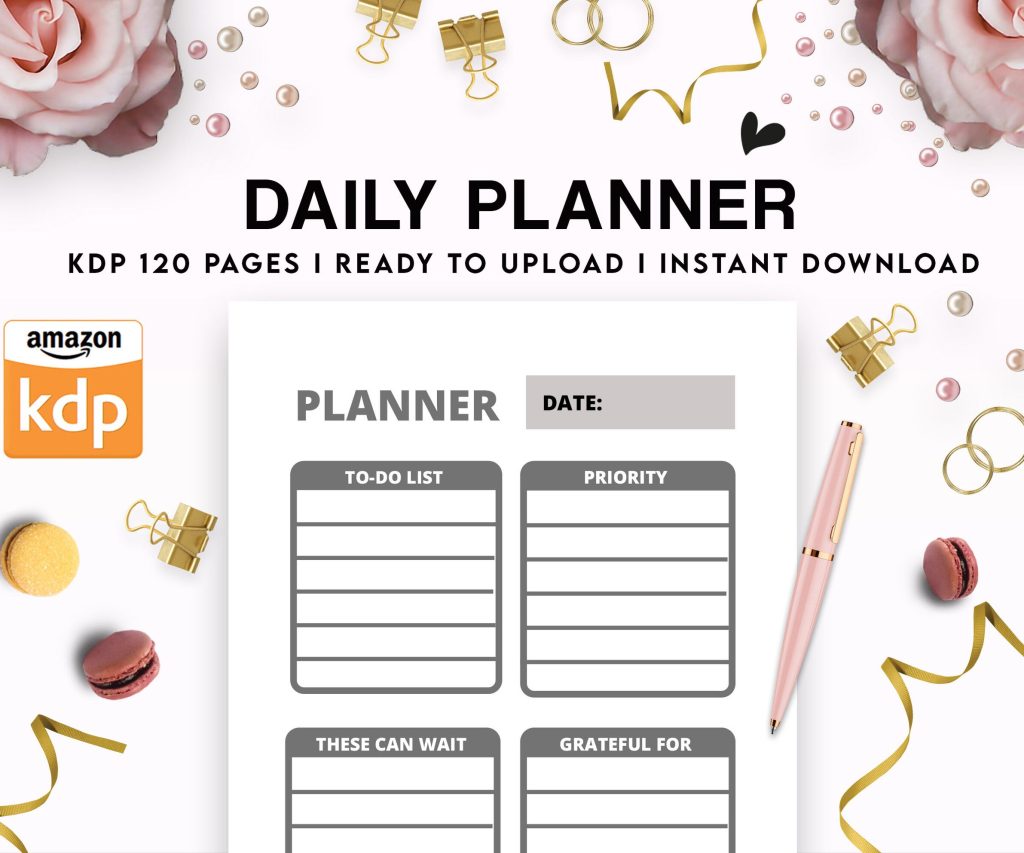 Daily Planner Diary : Diary Planners for Everyday Productivity, 120 pages, 6×9 Size | Amazon KDP Interior
1 × $0.00
Daily Planner Diary : Diary Planners for Everyday Productivity, 120 pages, 6×9 Size | Amazon KDP Interior
1 × $0.00 
DISCOVER OUR FREE BEST SELLING PRODUCTS
Editable Canva Lined Journal: Express Your Thoughts – KDP Template
Lined Pages Journal 120 pages Ready to Upload PDF Commercial Use KDP Template 6×9 8.5×11 5×8 for Notebooks, Diaries, Low Content
Lined Pages Journal 120 pages Ready to Upload PDF Commercial Use KDP Template 6×9 8.5×11 5×8 for Notebooks, Diaries, Low Content
Cute Dogs Coloring Book for Kids | Activity Book | KDP Ready-To-Upload
Daily Planner Diary : Diary Planners for Everyday Productivity, 120 pages, 6×9 Size | Amazon KDP Interior
Wolf Coloring KDP interior For Adults, Used as Low Content Book, PDF Template Ready To Upload COMMERCIAL Use 8.5×11"
Coloring Animals Head Book for Kids, Perfect for ages 2-4, 4-8 | 8.5×11 PDF
Printable Blank Comic Book Pages PDF : Create Your Own Comics – 3 Available Sizes
Notes KDP interior Ready To Upload, Sizes 8.5×11 6×9 5×8 inch PDF FILE Used as Amazon KDP Paperback Low Content Book, journal, Notebook, Planner, COMMERCIAL Use
Black Lined Journal: 120 Pages of Black Lined Paper Perfect for Journaling, KDP Notebook Template – 6×9
Student Planner Journal 120 pages Ready to Upload PDF Commercial Use KDP Template 6×9" 8.5×11" for Low Content book
Recipe Journal Template – Editable Recipe Book Template, 120 Pages – Amazon KDP Interior