
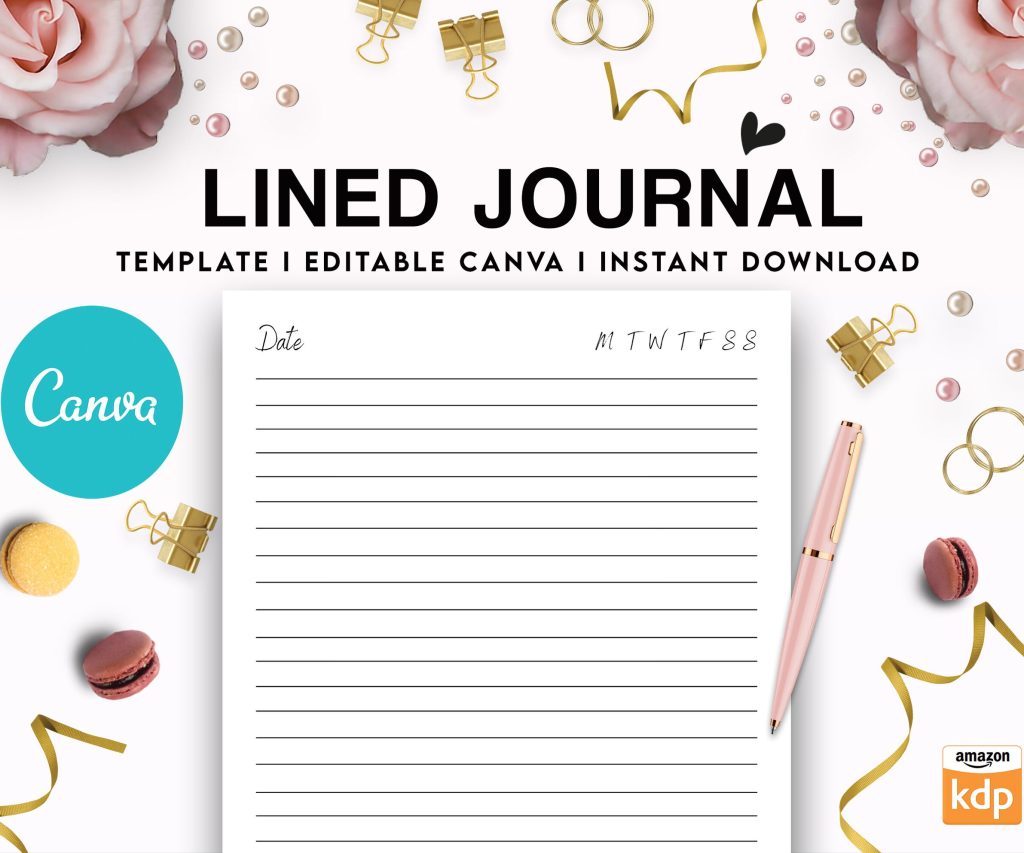
 Editable Canva Lined Journal: Express Your Thoughts - KDP Template
 Subtotal: $0.00
Amazon KDP guide, KDP book publishing
KDP Promotions: Marketing Campaigns That Convert
09
May
May
Okay so I just ran three different promo campaigns last month and here’s what actually worked versus what everyone keeps telling you to do on those KDP Facebook groups.
The Free Promo Thing Everyone Gets Wrong
Right so Amazon gives you five free promo days per enrollment period if you’re in KDP Select. Most people just randomly throw them out there on a Tuesday and wonder why they got like 47 downloads. The trick is you gotta stack these with external traffic, and I mean you need to line things up at least a week before.
Last week I did a free run for one of my puzzle books and I started building the campaign 10 days out. Hit up BookBub’s free listing first because even if you don’t get a Featured Deal (spoiler: you probably won’t), their free listing still sends traffic. Then I went to Freebooksy, Robin Reads, and BookSends. The applications take time so you can’t just decide on Monday you want to go free on Wednesday.
The Email Sequence That Actually Converts
If you’ve got any kind of email list, even like 200 people, use it. I sent three emails: one seven days before (heads up, this is coming), one the day before (tomorrow it’s free, set a reminder), and one the morning of (it’s live, grab it now). The middle email performed best for some reason, probably because people actually do set reminders.
Oh and another thing – your book description needs to be in promo mode. I literally change my description before free promos to add “Limited Time Free Download” at the top. It converts better. Change it back after obviously but during the promo people need to know this isn’t always free.
Countdown Deals vs Regular Promotions
So Countdown Deals are this weird thing Amazon does where the price ticks back up gradually. I’ve tested these probably 40 times now and here’s the thing nobody tells you – they work better for books that are normally priced higher. If your book is usually $2.99, dropping to $0.99 for a Countdown doesn’t create enough urgency. But if you’re at $6.99 or $9.99 normally, dropping to $1.99 or $2.99 actually gets attention.
The other benefit is you stay in paid rankings while the promo runs. Free promos tank your paid rank obviously because you’re not making sales. With Countdown Deals you’re still selling, just at a discount, so your rank holds better.
I ran a Countdown on my low content planner book (normally $8.99) and dropped it to $2.99 for three days. Made about $340 in that period which sounds good except my normal daily average on that book is like $20-30 so… wait let me do the math… yeah that’s about $75 daily during the promo versus maybe $75 for the whole three days normally. So decent uplift.
Stacking Your Promos With Amazon Ads
This is gonna sound obvious but you gotta run Amazon ads during your promos. I see people turn OFF their ads during free days which is insane. Your conversion rate is gonna be higher when the book is free or discounted, which means your ACoS drops, which means you can bid more aggressively.
During that free promo I mentioned earlier, I increased my bids by about 30% and added a bunch of category targeting I normally can’t afford. Spent about $45 on ads over the three free days but got 2,847 downloads. Now the math on free downloads is weird because you’re not making money directly, but those downloads boost your rank, get you reviews (hopefully), and create readers who might buy your other books.
External Traffic Sources That Actually Work
Okay so everyone talks about BookBub Featured Deals like they’re the holy grail. They are, but you’re probably not getting one unless your book has like 50+ reviews and a 4.3+ rating and even then it’s competitive. I’ve applied probably 30 times and gotten accepted twice.
But there are other services that actually send traffic:
Freebooksy – costs around $40-80 depending on genre, sends decent traffic. I usually get 300-800 downloads from them during a free promo.
BookSends – cheaper, maybe $30-50, smaller list but still worth it. Usually adds another 100-200 downloads.
Robin Reads – hit or miss honestly. Sometimes great, sometimes crickets.
The key is stacking multiple services on the same day. Don’t spread them out. You want that velocity to hit all at once so Amazon’s algorithm notices and starts recommending your book.
Social Media Promos That Don’t Suck
I’m gonna be real with you – posting on your personal Facebook about your book promo doesn’t work. Your aunt Linda will comment “so proud of you sweetie” and nobody will buy the book.
What does work is Facebook ads during promos. I know, I know, Facebook ads are expensive and confusing. But hear me out. During a $0.99 Countdown Deal, I’ll run a simple conversion campaign targeting people interested in [my book’s topic]. Budget like $10-15 per day for the duration of the promo.
The creative is just the book cover, a simple caption like “Limited time: $0.99 (normally $6.99)” and a link to Amazon. That’s it. No fancy video, no carousel of testimonials. Just book + price + link.
Last time I did this I spent $43 on Facebook ads over three days and tracked 67 sales directly from that traffic (used a bitly link so I could track). At $0.99 with 35% royalty that’s like $23 in royalties against $43 in spend which looks terrible EXCEPT it also pushed my rank up which led to organic sales and the book stayed elevated for about two weeks after.
Email Marketing During Promos
Wait I forgot to mention earlier – if you don’t have an email list yet, you need to start building one yesterday. I use BookFunnel to deliver a free sample or bonus content in exchange for email signups. Got about 2,400 people on my list now and they’re worth their weight in gold during promos.
When I email my list about a promo, I’m not just saying “hey my book is on sale.” That’s boring and doesn’t convert. Instead I frame it like:
“I’m running a promo this week because [actual reason – maybe testing a new marketing strategy, maybe celebrating a milestone, whatever]. The book is $0.99 for three days starting tomorrow. If you’ve been thinking about grabbing it, now’s the time because I honestly don’t know when I’ll discount it again.”
That last part is key – create a little urgency without being sleazy about it. People respond to genuine scarcity.
The Newsletter Swap Thing
Okay so funny story – I stumbled into newsletter swaps by accident. I met another KDP author in a Facebook group, we got talking, turned out we had similar audiences but different books (no competition). We agreed to mention each other’s promos to our lists.
She had like 800 subscribers, I had about 1,200 at the time. I mentioned her romance journal during my email blast, she mentioned my daily planner during hers. I got 34 sales from that cross-promotion and it cost me exactly $0.
Now I do newsletter swaps regularly. Find authors in adjacent niches (not direct competitors), build actual relationships with them (don’t just cold-email asking for promos, that’s weird), and when you’ve got a promo running, see if they’d be willing to mention it.
Amazon Ad Strategy During Promotions
Your Amazon ads need to be different during promos. I literally have separate campaigns I only turn on during promotional periods.
For free promos, I bid high on category targeting because I want maximum visibility and I’m not worried about ACoS since there’s no cost to recover. I’ll bid like $0.85-1.20 on broad categories in my niche just to blast the book out there.
For Countdown Deals, I focus on keyword campaigns with exact match on high-converting terms. My regular campaigns usually run at like $0.30-0.45 bids, but during a Countdown I’ll bump those to $0.50-0.75 because the conversion rate is higher so I can afford it.
Oh and another thing – if you’re running a promo, your ad creative (the text in your sponsored ad) should mention the sale. Amazon doesn’t always show the discounted price in sponsored ads immediately, so your headline should say something like “Limited Time Price Drop” or “On Sale Now.” It helps.
Timing Your Promotions
This is gonna sound weird but I’ve tested this extensively and Thursday-Sunday are the best days to START a promo. Monday-Wednesday people are busy getting back into work mode, they’re not browsing Amazon for books as much.
Start your free promo on a Thursday, let it run through Saturday. Start your Countdown Deal on a Friday, let it run through the weekend. You’ll get more eyeballs and more conversions.
Also, avoid major holidays unless your book is specifically holiday-related. I ran a promo the week of Christmas once and it tanked because everyone was busy buying gifts and traveling. Learned that lesson the expensive way.
Post-Promo Strategy
Here’s something most people don’t think about – what happens after your promo ends is almost as important as the promo itself. Your book rank is gonna be elevated, you’re getting more organic visibility, so you need to capitalize on that.
Keep your Amazon ads running at normal bids for at least a week after the promo ends. Don’t just turn everything off. The momentum you built needs to be maintained.
Also, if you got reviews during the promo (hopefully you did), respond to them. Amazon’s algorithm likes engagement and it shows potential buyers that you’re an active author who cares.
Tracking What Actually Works
You gotta track your promos or you’re just throwing money into the void. I use a simple spreadsheet (yeah I know, super high-tech) where I log:
– Promo dates
– Type of promo (free, Countdown, etc.)
– External services used and cost
– Ad spend
– Downloads or sales during promo
– Rank before and after
– Reviews gained
– Total revenue
– Net profit or loss
Most promos don’t make money directly. You’re playing a longer game – building visibility, getting reviews, climbing ranks. But you need to know if a promo was worth it overall.
My cat just jumped on my keyboard sorry. Where was I…
Right, tracking. After you’ve run like 5-10 promos you’ll start seeing patterns. For me, free promos work better for building an audience, Countdown Deals work better for actual revenue, and stacking external traffic with Amazon ads works better than either one alone.
The Read-Through Strategy
If you’ve got multiple books, use promos strategically to drive read-through. Put book one in a series on a deep discount or free, make sure the back matter has clear links to book two and three, and watch your series sales climb.
I did this with my planner series – made the basic planner free for three days, promoted it hard, got about 3,200 downloads. About 8% of those people bought the deluxe version or the companion books within two weeks. That’s 256 paid sales I wouldn’t have gotten otherwise.
The math works because you’re essentially using book one as a loss leader or break-even product to build an audience for the rest of your catalog.
Anyway, that’s most of what I’ve learned from running probably 100+ promos over the last few years. Test stuff yourself though because your genre and audience might respond differently. What works for my low-content planners might not work for your coloring books or notebooks or whatever you’re publishing.
DISCOVER OUR FREE BEST SELLING PRODUCTS
Editable Canva Lined Journal: Express Your Thoughts – KDP Template
Lined Pages Journal 120 pages Ready to Upload PDF Commercial Use KDP Template 6×9 8.5×11 5×8 for Notebooks, Diaries, Low Content
Lined Pages Journal 120 pages Ready to Upload PDF Commercial Use KDP Template 6×9 8.5×11 5×8 for Notebooks, Diaries, Low Content
Cute Dogs Coloring Book for Kids | Activity Book | KDP Ready-To-Upload
Daily Planner Diary : Diary Planners for Everyday Productivity, 120 pages, 6×9 Size | Amazon KDP Interior
Wolf Coloring KDP interior For Adults, Used as Low Content Book, PDF Template Ready To Upload COMMERCIAL Use 8.5×11"
Coloring Animals Head Book for Kids, Perfect for ages 2-4, 4-8 | 8.5×11 PDF
Printable Blank Comic Book Pages PDF : Create Your Own Comics – 3 Available Sizes
Notes KDP interior Ready To Upload, Sizes 8.5×11 6×9 5×8 inch PDF FILE Used as Amazon KDP Paperback Low Content Book, journal, Notebook, Planner, COMMERCIAL Use
Black Lined Journal: 120 Pages of Black Lined Paper Perfect for Journaling, KDP Notebook Template – 6×9
Student Planner Journal 120 pages Ready to Upload PDF Commercial Use KDP Template 6×9" 8.5×11" for Low Content book
Recipe Journal Template – Editable Recipe Book Template, 120 Pages – Amazon KDP Interior