
-
×
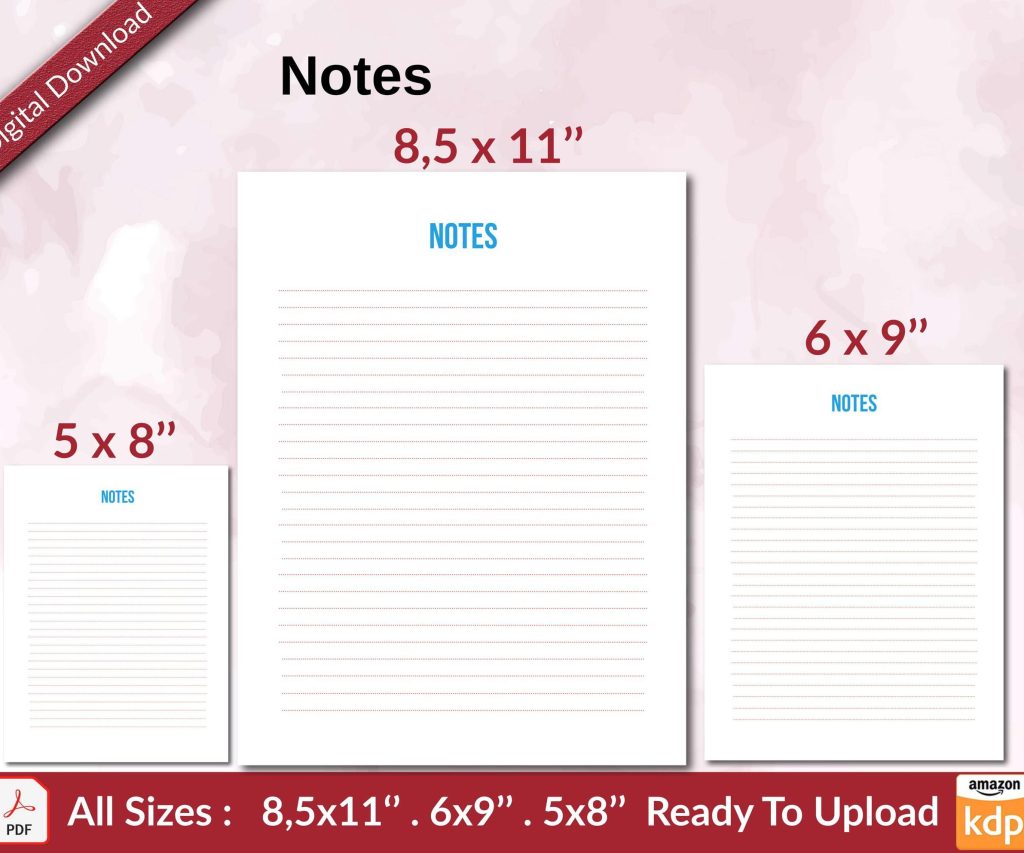 Notes KDP interior Ready To Upload, Sizes 8.5x11 6x9 5x8 inch PDF FILE Used as Amazon KDP Paperback Low Content Book, journal, Notebook, Planner, COMMERCIAL Use
1 × $0.00
Notes KDP interior Ready To Upload, Sizes 8.5x11 6x9 5x8 inch PDF FILE Used as Amazon KDP Paperback Low Content Book, journal, Notebook, Planner, COMMERCIAL Use
1 × $0.00
Subtotal: $0.00
Okay so I just spent like three hours yesterday setting up a new journal template in Canva for KDP and honestly the integration part is way smoother than it used to be, but there’s still some weird stuff you gotta watch out for.
First thing – you need to actually create a custom dimension in Canva that matches your KDP trim size exactly. Don’t just grab one of their book templates because they’re usually off by like a fraction and that’ll screw you during upload. Go to custom size and punch in your exact dimensions. For a 6×9 book (which is what I use for probably 80% of my stuff), you’d do 6 inches width by 9 inches height. Canva automatically converts to pixels but double-check it’s set to inches first.
The thing people mess up constantly is forgetting about the bleed. KDP wants 0.125 inches on all sides for bleed, so technically your design canvas should be 6.25 x 9.25 if you’re doing full bleed. But here’s where it gets weird – I usually design at the trim size first, then extend elements that need to bleed afterward. It’s just easier mentally for me to visualize the actual book size.
So what I do is create one master file in Canva with like 120 pages (that’s for a typical journal or planner). You can duplicate pages infinitely which is honestly a lifesaver. My dog was barking at literally nothing while I was setting this up last night and I lost my place like four times, but anyway.
The key is organizing your pages in Canva to match how KDP will read them. Left page, right page, left page, right page. Sounds obvious but when you’re designing page 47 at 2am you can lose track fast. I literally write “LEFT” and “RIGHT” in tiny text at the bottom of each page template until I’m done, then delete those markers before export.
KDP requires different margins for left versus right pages because of the gutter (the binding area). For a 6×9 book, I usually do:
You can set up guides in Canva but honestly they’re kinda clunky. What works better for me is creating a rectangle with those exact margins, making it a specific color like bright pink that you’d never use in your actual design, then locking that layer. Now you have a visual guide that shows your safe zone on every page.
Oh man, okay so this is gonna sound weird but you HAVE to pay attention to color profiles. Canva works in RGB by default because it’s designed for digital stuff. KDP prints in CMYK. This means colors shift, sometimes dramatically.
I uploaded this gratitude journal with this beautiful coral pink color and when the proof arrived it looked like… I don’t even know, like a sick salmon color? Terrible. So now I design with slightly more saturated colors knowing they’ll dull down in print. There’s not a perfect science to it but if you’re using pastels or specific brand colors, order a proof first. Just gotta do it.
The other thing is blacks. Use rich black (not pure black) for better print quality. In Canva you can’t directly control CMYK values but you can use dark grays (#0A0A0A or #1A1A1A) which often print better than pure #000000. This matters more for backgrounds than text though.
Canva has tons of fonts but not all of them are licensed for commercial use in the way KDP requires. Stick to Google Fonts or Canva’s fonts marked for commercial use. I learned this the hard way when I had to redo an entire planner because I used some decorative font that had restrictions.
Also, minimum font size for body text should be 9pt, but I go with 10pt or 11pt because older readers (who buy a LOT of journals and planners) will appreciate it. Headers can obviously be bigger. And here’s something nobody tells you – test your font weight. Some fonts look great on screen but are too thin for print, especially at smaller sizes. They end up looking spidery and cheap.
Wait I forgot to mention – when you’re building out your template, think in terms of sections. Like if it’s a journal, maybe you have:
Create each section as a separate page design, then duplicate like crazy. The duplication feature in Canva is honestly what makes this whole thing viable. I remember trying to do this in InDesign years ago and wanting to throw my computer out the window.
One trick – if you have repeating elements like page numbers or headers, put them on every page from the start. Yeah it’s tedious but it’s way worse to realize on page 87 that you forgot them and have to go back through everything.
Page numbers in KDP books don’t usually start until after the front matter. So like, your title page isn’t numbered, copyright page isn’t numbered, then page 1 starts with your actual content. In Canva you’ll need to manually add or adjust page numbers because there’s no automatic pagination like in actual publishing software.
I typically put page numbers in the footer, outside corner for easier thumb-through. Small font, nothing fancy. Sometimes I skip page numbers entirely for journals because people don’t really need them, but for workbooks or planners they’re helpful.
Okay so here’s where people screw up constantly. When you download from Canva, you want:
The PDF Print option is crucial because it maintains higher quality than standard PDF. I’ve done tests uploading both and the PDF Print version always looks sharper in the proof.
File size matters too. KDP has upload limits and if your file is massive because you used huge images or lots of effects, it’ll fail. Keep your Canva file under 650 MB to be safe. If you’re over that, you probably have images that are way too high resolution. For KDP interiors (black and white), 300 DPI is standard, but you don’t need massive image files.
I actually create two separate Canva files for most projects – one for the interior and one for the cover. The cover has different requirements entirely (it needs the spine width calculated based on page count and paper type, plus back cover, front cover, and spine all on one canvas).
KDP has a cover calculator tool that tells you exact dimensions. Use it. Don’t guess. The spine width changes based on how many pages you have and whether you’re using white or cream paper. Cream paper is thicker so the spine is wider. This trips people up all the time.
This is gonna sound paranoid but I always do a final check by downloading my PDF, opening it in Adobe Reader or Preview, and literally scrolling through every single page. Looking for:
Canva glitches sometimes. Last week I had a design where one decorative element just… disappeared from the export. It was there in Canva but not in the PDF. Had to delete it and re-add it, then it worked. Weird stuff happens.
Also check your file page count matches what you expect. KDP requires page counts in multiples of 2 for paperbacks, and for certain binding types you need minimums (like 24 pages minimum for some sizes).
When you’re in KDP uploading your interior file, they’ll show you a previewer tool. Actually use it. Don’t just skip through. I’ve caught so many issues in that previewer – text too close to gutter, pages in wrong order, color issues.
One thing that’s annoying is KDP sometimes takes forever to process files. Like you upload and it just sits there saying “processing” for 20 minutes. That’s normal, don’t panic and re-upload. Just wait it out. Maybe go watch an episode of something, I was rewatching The Office while waiting on one last week.
If KDP rejects your file, common reasons:
The error messages usually tell you what’s wrong but sometimes they’re vague. “Quality issue detected” could mean like five different things. That’s when you go through your file page by page looking for problems.
Once you’ve created one solid template, you can reuse that structure infinitely. I have a master folder in Canva with templates for different book sizes and types. Need a new gratitude journal? Duplicate my existing template, swap out the prompts, change the cover design, done. Cuts my production time from like 8 hours to maybe 2 hours per book.
Brand Kit in Canva Pro is worth it if you’re doing this seriously. You can save your color palettes, fonts, logos, and other elements. Makes everything consistent across products. I resisted upgrading for way too long and it was dumb, the Pro version pays for itself immediately if you’re publishing regularly.
Oh and another thing – organize your Canva projects with clear naming. I use “KDP – [Book Title] – Interior” and “KDP – [Book Title] – Cover” so I can find stuff later. Nothing worse than having 47 untitled projects and trying to figure out which one was that planner you made in March.
Canva is great for KDP but it’s not perfect. You can’t do automatic page numbering, no master pages like real publishing software, and complex layouts get clunky. For super simple books (journals, notebooks, basic planners) it’s ideal. For complex workbooks with lots of varying layouts, you might eventually need to move to Affinity Publisher or InDesign.
But honestly for starting out and even for making decent money, Canva works fine. I’ve made thousands from books designed entirely in Canva. The limitation is usually your design skills and marketing, not the tool.
Just keep your designs relatively simple, test everything before uploading, and order physical proofs of your first few books to see how they actually turn out. The screen never shows exactly what print will look like, there’s always some variation. After you’ve done a few you’ll get a feel for how colors shift and how sizing works in physical form.
That’s pretty much the whole workflow I use now. It’s not complicated once you’ve done it a couple times, just detail-oriented and you gotta be patient with the technical stuff.
DISCOVER OUR FREE BEST SELLING PRODUCTS
Editable Canva Lined Journal: Express Your Thoughts – KDP Template
Lined Pages Journal 120 pages Ready to Upload PDF Commercial Use KDP Template 6×9 8.5×11 5×8 for Notebooks, Diaries, Low Content
Lined Pages Journal 120 pages Ready to Upload PDF Commercial Use KDP Template 6×9 8.5×11 5×8 for Notebooks, Diaries, Low Content
Cute Dogs Coloring Book for Kids | Activity Book | KDP Ready-To-Upload
Daily Planner Diary : Diary Planners for Everyday Productivity, 120 pages, 6×9 Size | Amazon KDP Interior
Wolf Coloring KDP interior For Adults, Used as Low Content Book, PDF Template Ready To Upload COMMERCIAL Use 8.5×11"
Coloring Animals Head Book for Kids, Perfect for ages 2-4, 4-8 | 8.5×11 PDF
Printable Blank Comic Book Pages PDF : Create Your Own Comics – 3 Available Sizes
Notes KDP interior Ready To Upload, Sizes 8.5×11 6×9 5×8 inch PDF FILE Used as Amazon KDP Paperback Low Content Book, journal, Notebook, Planner, COMMERCIAL Use
Black Lined Journal: 120 Pages of Black Lined Paper Perfect for Journaling, KDP Notebook Template – 6×9
Student Planner Journal 120 pages Ready to Upload PDF Commercial Use KDP Template 6×9" 8.5×11" for Low Content book
Recipe Journal Template – Editable Recipe Book Template, 120 Pages – Amazon KDP Interior