-
×
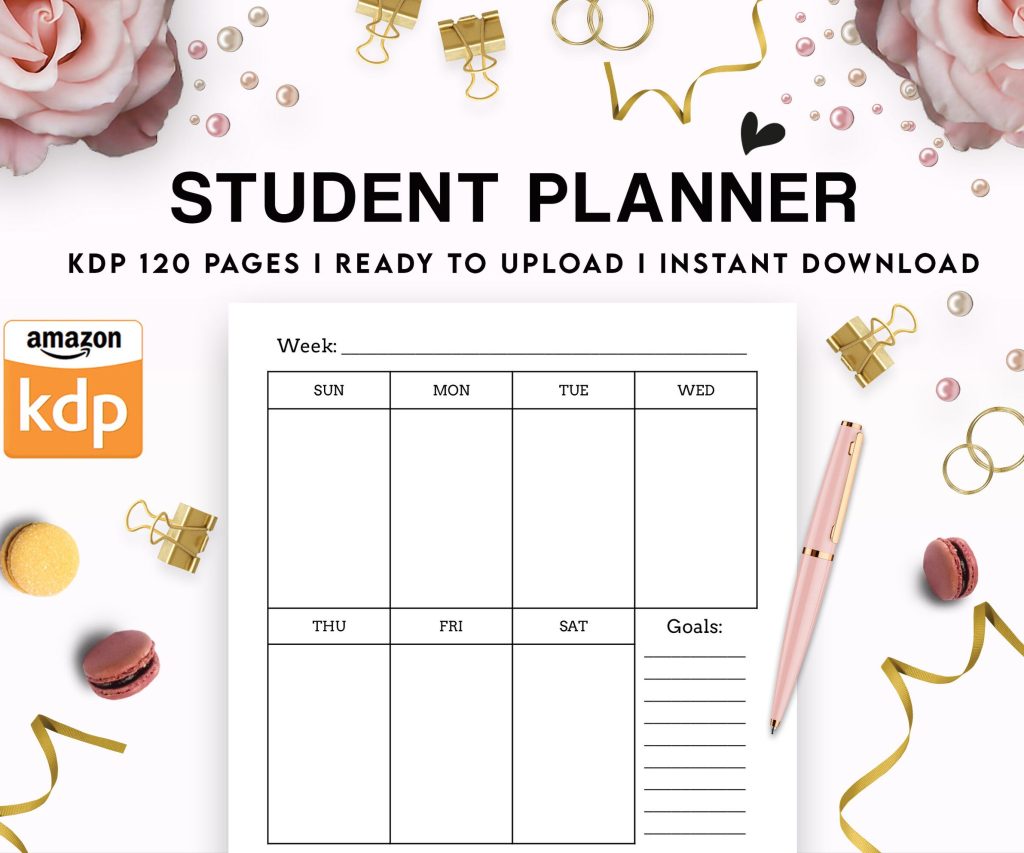 Student Planner Journal 120 pages Ready to Upload PDF Commercial Use KDP Template 6x9" 8.5x11" for Low Content book
1 × $0.00
Student Planner Journal 120 pages Ready to Upload PDF Commercial Use KDP Template 6x9" 8.5x11" for Low Content book
1 × $0.00
Subtotal: $0.00


Okay so I just tested a new keyword strategy last week and here’s the deal – most authors are still doing this completely backwards. They write the book first, THEN try to figure out who wants it. I did that for my first like 30 books and wondered why half of them made $12 total.
You gotta start with the market research before you write a single word. I know that sounds boring but hear me out. Go to Amazon, type in your general idea, and look at what’s already selling. Not what has good reviews – what has a low BSR (best seller rank). Anything under 100k in the main Kindle store is moving copies daily. Under 20k? That author is making real money.
The trick I use now is opening like 15-20 tabs of books in my niche. I’m looking at their titles, subtitles, and the “customers also bought” section. Write all this down. You’re basically stealing – I mean borrowing – market intelligence from authors who already did the hard work.
Here’s what most people miss though. The best niches aren’t the obvious ones. Everyone wants to write romance or thrillers because those are the big categories. But you’re competing with 6-figure authors who have massive email lists and ad budgets. I make most of my money in weird pockets like “time management for entrepreneurs” or “keto meal prep for beginners” – specific enough that there’s less competition but broad enough that there’s actual search volume.
Use Publisher Rocket if you can afford it ($97 one-time, worth every penny) or just manually track keywords in a spreadsheet. I still do the spreadsheet thing sometimes when I’m watching TV because it’s kinda mindless work. My cat keeps walking across my keyboard during this which is super helpful obviously.
So once you’ve validated there’s a market, you gotta actually write the thing. For non-fiction this is way easier than people think. You’re not writing literature here – you’re solving a problem. Make an outline based on what the top 10 books in your niche cover. See what chapters they all have in common, then figure out what’s missing.
I usually structure non-fiction like this:
Write conversationally. Like you’re explaining this to someone at a coffee shop. Nobody wants to read academic prose in a Kindle book they paid $4.99 for. They want results fast.
For fiction it’s different obviously – you need actual plot and characters and stuff. But the market research still applies. If cozy mysteries with cats are selling, maybe don’t write a dark psychological thriller as your first book. Follow the market until you have the income to write whatever you want.
Your title is basically an ad. It needs to tell people exactly what they’re getting. Here’s my formula:
[Desired Outcome]: [Specific Method] to [Solve Problem] in [Time Frame]
So like “Passive Income: 7 Kindle Publishing Strategies to Earn $1000/Month in 90 Days” – super specific, tells you what you get, has a timeline. Compare that to “Thoughts on Publishing” which tells you absolutely nothing.
The subtitle is where you cram keywords. Amazon’s algorithm reads your subtitle, so stuff it with searchable terms without making it sound too robotic. “A Complete Guide for Self-Publishers Including Marketing, Formatting, Cover Design, and Amazon KDP Optimization” – see how many keywords I fit in there?
I used Canva for my first 20 books and they looked like garbage. Sales were terrible. Finally hired a designer on Fiverr for $25 per cover and my conversion rate literally doubled. Not exaggerating – same books, same descriptions, just better covers.
Your cover needs to look good as a tiny thumbnail because that’s how 90% of people see it. High contrast, big text, clear image. Go look at the bestsellers in your category – they all have a similar vibe right? That’s not an accident. Match that vibe but don’t copy directly.
Oh and another thing – test your cover in grayscale. Lots of people still use basic Kindles with e-ink screens. If your cover is all subtle gradients and pastels, it disappears on those devices.
Everyone says you need an email list of thousands to launch successfully. That’s not true anymore – it helps obviously but there are workarounds.
When I launch a new book, here’s my exact process:
Week 1: Price at $0.99 to get initial sales velocity. Amazon’s algorithm rewards early movement. Even if you sell 10 copies at 99 cents, that’s better than 2 copies at $4.99 for the algorithm.
Week 2-3: Bump to regular price ($3.99-$9.99 depending on length). Use your 5 free days through KDP Select strategically – I usually do them around day 10-14 when the initial launch momentum has slowed. The free downloads count toward your ranking in a different way.
Ongoing: Amazon Ads. I know they’re confusing but they’re honestly the most reliable traffic source. Start with automatic campaigns at like $5/day, let it run for a week, then see which keywords converted. Make manual campaigns with just those keywords.
Okay so funny story – I avoided ads for 2 years because they seemed complicated. Finally forced myself to learn them and now they generate like 60% of my sales.
Start simple. Automatic campaign, $5 daily budget, default bid of $0.30. That’s it. Amazon shows your book to relevant searches and you see what works. After 30-40 clicks, look at which keywords got sales. Kill the expensive ones that didn’t convert, boost the ones that did.
My target ACoS (advertising cost of sale) is around 70%. So if my book makes me $3 in royalties, I’m willing to spend $2.10 to get that sale. Sounds bad right? But that new customer might buy your other books, leave a review, or buy the sequel. The lifetime value is higher than the initial sale.
Wait I forgot to mention – put your other books in the back matter of every book. “If you enjoyed this, check out my other titles” with clickable links. I get probably 20-30% of readers checking out other books this way. Free traffic you’re leaving on the table if you don’t do this.
Getting reviews is hard now. Amazon cracked down on review swaps and most readers just don’t leave them. Here’s what actually works:
Put a gentle ask at the end of the book. Not desperate, just “If this helped you, a review would help other readers find it.” Link directly to the review page if you can.
Use Amazon’s “Request a Review” button in KDP – you can send one automated request per order. It’s not spammy, comes from Amazon, and gets better response than manual emails.
This is gonna sound weird but – answer questions in the Q&A section of your book page. People see an active author and trust the book more. I spend like 10 minutes a week doing this across my catalog.
Everyone argues about this. KDP Select means exclusive to Amazon but you get borrows through Kindle Unlimited (which pays you per page read) plus the 5 free promo days. Going wide means you’re on Apple Books, Kobo, Google Play, etc.
I do both depending on the book. Fiction does better in KU because readers binge series. Non-fiction I go wide because those readers aren’t usually KU subscribers – they want to own the book.
My rule: if it’s book 1 of a series, try KU for 90 days. If the page reads are good (like 2-3x your sales), stay in. If not, go wide. For standalone non-fiction, I usually go wide immediately.
People overthink this. Here’s what I’ve learned from 200+ books:
The $2.99 price point is magic because it’s the minimum for 70% royalty. Anything under that you only get 35%. So you’re better off at $2.99 than $2.49 even if you sell slightly fewer copies.
I test pricing every few months. Sometimes dropping from $5.99 to $4.99 doubles my sales. Sometimes it makes no difference. The only way to know is test it for like 2 weeks and compare.
Here’s the thing nobody wants to hear – one book probably won’t change your life. I made $400 total my first year with 5 books. Now I make $8k-$12k monthly with 200+ books. It’s a volume game unless you hit a massive bestseller (which is mostly luck even with good marketing).
Write your second book before you finish marketing the first. Then write a third. Each book is a doorway to your catalog. Someone finds book 3, likes it, buys books 1, 2, 4, and 5. That’s how you build actual income.
I aim for one new book monthly but honestly it’s more like every 6-8 weeks with client work and life stuff. Even at that pace, you’re adding 8-12 products to your catalog yearly. Compound that over a few years and you’ve got a real business.
The authors making serious money aren’t smarter than you – they just have more books published and kept going when the first few flopped. My book 7 was my first one that did over $1k in a month. If I’d stopped at book 6, I wouldn’t be writing this right now.
Last thing – track everything in a spreadsheet. Sales per book, ad spend, royalties, page reads if you’re in KU. I review mine every Sunday morning with coffee. You’ll spot patterns like “oh, this genre converts way better” or “these keywords are expensive but don’t convert.” Can’t optimize what you don’t measure.
DISCOVER OUR FREE BEST SELLING PRODUCTS
Editable Canva Lined Journal: Express Your Thoughts – KDP Template
Lined Pages Journal 120 pages Ready to Upload PDF Commercial Use KDP Template 6×9 8.5×11 5×8 for Notebooks, Diaries, Low Content
Lined Pages Journal 120 pages Ready to Upload PDF Commercial Use KDP Template 6×9 8.5×11 5×8 for Notebooks, Diaries, Low Content
Cute Dogs Coloring Book for Kids | Activity Book | KDP Ready-To-Upload
Daily Planner Diary : Diary Planners for Everyday Productivity, 120 pages, 6×9 Size | Amazon KDP Interior
Wolf Coloring KDP interior For Adults, Used as Low Content Book, PDF Template Ready To Upload COMMERCIAL Use 8.5×11"
Coloring Animals Head Book for Kids, Perfect for ages 2-4, 4-8 | 8.5×11 PDF
Printable Blank Comic Book Pages PDF : Create Your Own Comics – 3 Available Sizes
Notes KDP interior Ready To Upload, Sizes 8.5×11 6×9 5×8 inch PDF FILE Used as Amazon KDP Paperback Low Content Book, journal, Notebook, Planner, COMMERCIAL Use
Black Lined Journal: 120 Pages of Black Lined Paper Perfect for Journaling, KDP Notebook Template – 6×9
Student Planner Journal 120 pages Ready to Upload PDF Commercial Use KDP Template 6×9" 8.5×11" for Low Content book
Recipe Journal Template – Editable Recipe Book Template, 120 Pages – Amazon KDP Interior