
-
×
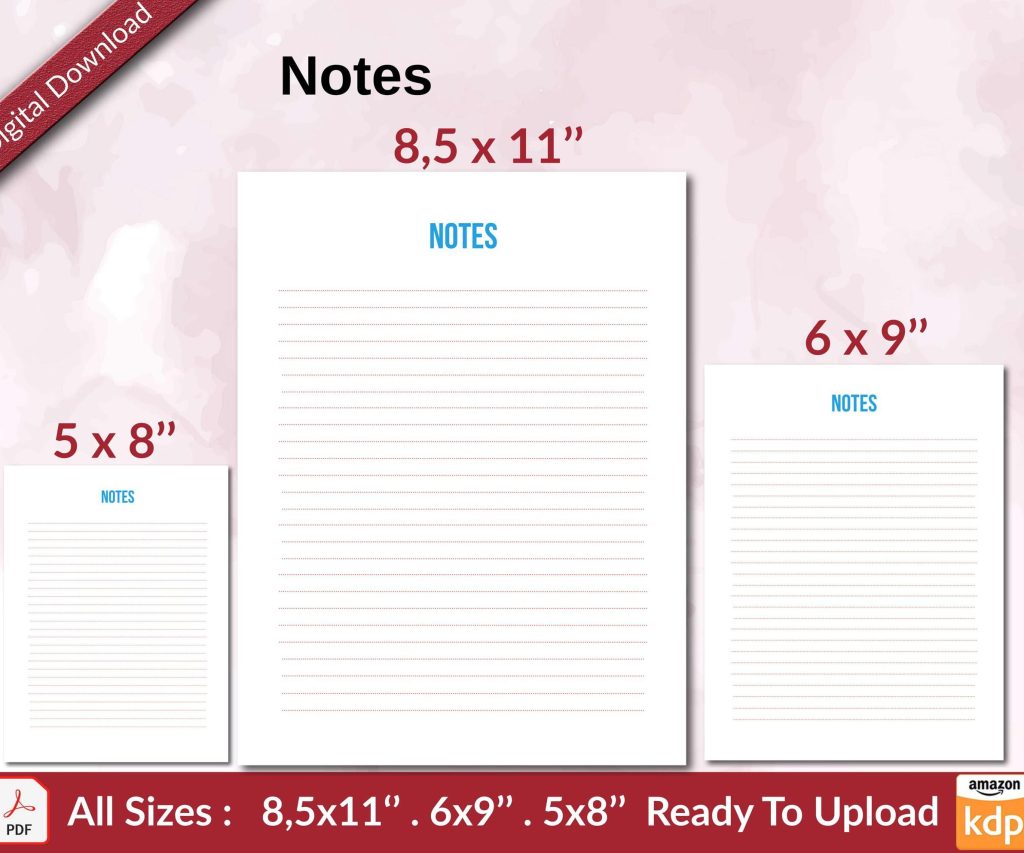 Notes KDP interior Ready To Upload, Sizes 8.5x11 6x9 5x8 inch PDF FILE Used as Amazon KDP Paperback Low Content Book, journal, Notebook, Planner, COMMERCIAL Use
1 × $0.00
Notes KDP interior Ready To Upload, Sizes 8.5x11 6x9 5x8 inch PDF FILE Used as Amazon KDP Paperback Low Content Book, journal, Notebook, Planner, COMMERCIAL Use
1 × $0.00
Subtotal: $0.00
Okay so the biggest thing people mess up with KU is they think it’s just passive income you upload and forget but page reads are actually where you make real money if you do it right.
First thing – KENP matters way more than you think. That’s Kindle Edition Normalized Pages and Amazon calculates it weird but basically it’s not your actual page count. I’ve got books that are 120 pages in print but show up as 180 KENP because of formatting, images, all that. The more KENP you can legitimately add the better because you get paid per page read not per book borrowed.
Right now the KDP Select Global Fund pays around $0.004 to $0.005 per page read. Changes every month depending on the total fund and how many pages get read globally. Last month I made about $0.0043 per page which honestly isn’t amazing but when you’ve got multiple books getting thousands of reads it adds up fast.
Here’s what I learned the hard way – a 200 KENP book that gets borrowed 50 times and read completely makes you about $43. But here’s the thing… most people don’t finish books. Your average completion rate is gonna be like 40-60% unless you’re writing absolute page turners. So that same book might only generate 80-100 pages read per borrow on average.
This is where it gets interesting and I literally just tested this last month with a planner I published. I added a “completion bonus” page at the very end that said “Scan this QR code for free templates” and my read-through rate jumped from 52% to 71%. People wanted that bonus so they flipped to the end which counted as pages read even if they didn’t read every single page.
Wait I should mention – Amazon’s supposedly tracking “real” reads now so don’t do anything sketchy like telling people to just flip through. But giving them a reason to naturally progress through your book? That’s fair game.
You’d think longer is always better right? More pages = more money. But nope. I’ve found the sweet spot for most niches is between 120-200 KENP because:
I’ve got this one coloring book that’s 95 KENP and even though people finish it 100% of the time I make less per borrow than my 165 KENP journal that has a 68% completion rate. Do the math – 95 pages vs 112 pages (165 x 0.68). The journal wins.
Okay so funny story – I accidentally discovered this when I published three related planners without planning them as a series. Someone borrowed all three in one week and I noticed the page reads were insane. That’s when it clicked.
Series in KU are absolute goldmines because of binge reads. If someone likes book one they’ll borrow books two and three immediately. Your page reads spike and Amazon’s algo notices and starts recommending your books more.
Here’s my current series setup:
The first book is your hook. Make it genuinely useful but leave people wanting more. End with a clear “continue in book 2” message. My completion rate on book 1 is like 78% and about 45% of those readers grab book 2 within 48 hours.
This is gonna sound weird but your category choice affects page reads differently than it affects sales. When someone’s buying a book they’re being careful with money. When they’re borrowing on KU? They’ll grab anything that looks interesting because it’s “free” to them.
I’ve got books in super competitive categories that barely sell but get tons of borrows and page reads. My cat knocked over my coffee while I was researching this last week and I found that categories with lots of KU readers (romance, sci-fi, certain self-help niches) have way higher borrow rates even if sales suck.
Low-content and no-content books in KU need different category strategies. You want categories where people browse and borrow impulsively:
Also-boughts drive so many KU borrows it’s crazy. When someone borrows a popular KU book and your book shows up in “customers also bought” you get spillover borrows. To get into those also-boughts you gotta make some initial sales or borrows from people who also interact with those popular books.
I run small AMS campaigns specifically targeting ASINs of popular KU books in my niche. Even if I lose money on the ads initially I’m buying my way into those also-bought sections. Once you’re there the organic borrows start flowing.
Okay this is important – formatting directly impacts your KENP count and Amazon’s calculation is based on their algorithm not actual pages. Things that increase KENP legitimately:
Images and graphics: A planner with images will have higher KENP than text-only. My gratitude journal with small graphics on each page came out to 168 KENP versus a similar text-only journal at 142 KENP.
White space: This is kinda controversial but spacing matters. Don’t cram everything together. Readable formatting with proper margins and spacing can add 10-20% to your KENP without adding actual content.
Front and back matter: Copyright pages, “other books by” pages, resource pages – all count toward KENP. I’ve got a standard back matter section that’s about 8 pages and includes a page about leaving reviews, a page listing my other books, and a resources/bonus content page.
Don’t go crazy and add 30 pages of filler because readers will notice and completion rates drop. But strategic front and back matter that adds value? Absolutely do it.
Here’s something I didn’t get at first – your price still matters even though KU readers aren’t paying it. A book priced at $0.99 looks cheap and desperate. Even KU browsers skip over it because they assume it’s low quality.
My testing shows $2.99-$4.99 is the sweet spot. High enough to signal quality, low enough that people who aren’t KU subscribers might still buy. And yeah you want some purchases because:
I’ve got one planner at $4.99 that gets maybe 5 purchases a day but 40-50 borrows. The borrows generate like $35/day in page reads and the purchases add another $17. If I dropped it to $0.99 I’d probably get 10 purchases ($3.50 after royalty) and maybe the same borrows. Not worth it.
When you launch a new KU book you gotta prime the pump. Amazon needs data to know who to recommend your book to. First two weeks are critical.
What I do:
The early borrows and page reads signal to Amazon that people like your book. If your completion rate is good in those first days Amazon pushes it harder. I’ve seen books take off entirely because of strong week-one page read data.
Check your KDP dashboard daily during launch week then weekly after that. You’re looking for:
KENP Read: Total pages read. This should correlate with your borrows but watch the ratio. If you’re getting tons of borrows but low page reads your book isn’t engaging enough or has a misleading cover/description.
Completion Rate: You gotta calculate this yourself. Total KENP read divided by (borrows × your book’s KENP). If this drops below 50% something’s wrong.
I’ve got a spreadsheet where I track this for all my books. Sounds nerdy but when you’ve got 30+ books in KU you need to know which ones are performing and which need updating or better targeting.
Wait I forgot to mention this earlier – you can update your KU books and it helps page reads. If a book’s page reads are declining I’ll refresh the cover, update some interior content, maybe add new back matter. Amazon treats it as new-ish and gives it a little ranking boost.
Did this with a 2-year-old planner last month. Updated the cover, added a few new page templates, republished. Went from 800 pages read per day to 2,100 within a week. Same book basically just refreshed.
Gonna be real with you – some things I tried that flopped:
Publishing super long books (300+ KENP) hoping for huge page reads. Completion rates tanked to like 25% and Amazon’s algo seemed to punish them. Better to have three 100-page books than one 300-pager.
Trying to game the system with “flip to the end” instructions. Got a warning email from Amazon. Not worth it.
Only focusing on page reads and ignoring sales. You need both. Books that only get borrows don’t rank as well as books with a healthy mix.
Publishing in KU without understanding your niche. Some niches just don’t have KU readers. Business books for example – people usually buy those not borrow them. Know your audience.
November through January is insane for page reads. People get Kindles for Christmas, sign up for KU trials, and binge read. I make 60% more from page reads in Q4 than Q2. Plan your launches accordingly.
Also new year stuff – planners, journals, self-help books – absolutely crush it in December and January for page reads. Everyone’s browsing for self-improvement content and with KU they’ll borrow 5 planners instead of buying 1.
Last thing – stay enrolled in KDP Select for at least 6 months before deciding if KU works for your books. It takes time to build momentum, get into also-boughts, and for Amazon’s algo to figure out who to recommend your book to. I’ve had books that did nothing for 3 months then suddenly took off and now generate $200+ monthly just from page reads.
Your page read earnings compound as you add more books. My first KU book made $47 its first month. Now with 40+ books enrolled I’m pulling $3k-5k monthly from page reads alone. It’s not passive but it’s pretty close once you’ve got the system down.

DISCOVER OUR FREE BEST SELLING PRODUCTS
Editable Canva Lined Journal: Express Your Thoughts – KDP Template
Lined Pages Journal 120 pages Ready to Upload PDF Commercial Use KDP Template 6×9 8.5×11 5×8 for Notebooks, Diaries, Low Content
Lined Pages Journal 120 pages Ready to Upload PDF Commercial Use KDP Template 6×9 8.5×11 5×8 for Notebooks, Diaries, Low Content
Cute Dogs Coloring Book for Kids | Activity Book | KDP Ready-To-Upload
Daily Planner Diary : Diary Planners for Everyday Productivity, 120 pages, 6×9 Size | Amazon KDP Interior
Wolf Coloring KDP interior For Adults, Used as Low Content Book, PDF Template Ready To Upload COMMERCIAL Use 8.5×11"
Coloring Animals Head Book for Kids, Perfect for ages 2-4, 4-8 | 8.5×11 PDF
Printable Blank Comic Book Pages PDF : Create Your Own Comics – 3 Available Sizes
Notes KDP interior Ready To Upload, Sizes 8.5×11 6×9 5×8 inch PDF FILE Used as Amazon KDP Paperback Low Content Book, journal, Notebook, Planner, COMMERCIAL Use
Black Lined Journal: 120 Pages of Black Lined Paper Perfect for Journaling, KDP Notebook Template – 6×9
Student Planner Journal 120 pages Ready to Upload PDF Commercial Use KDP Template 6×9" 8.5×11" for Low Content book
Recipe Journal Template – Editable Recipe Book Template, 120 Pages – Amazon KDP Interior