
Amazon KDP guide, KDP book publishing
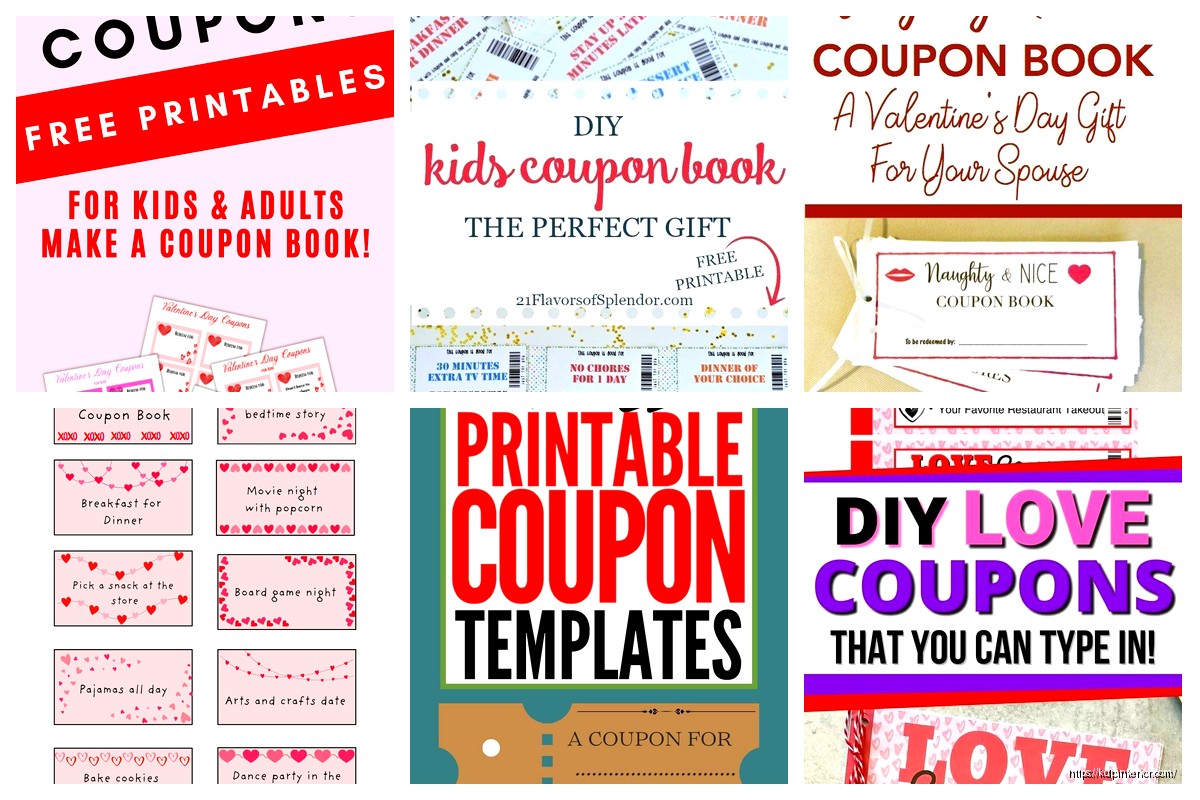
Make Your Own Coupon Book: Gift Book Tutorial
Mar
okay so you wanna make a coupon book and honestly this is one of those projects that sounds way harder than it actually is
I literally made three of these last month for client examples and my sister asked me to help her make one for her husband’s birthday, so I’ve been deep in coupon book land. The thing is, people overthink this stuff. It’s basically just deciding what coupons you want, designing them so they don’t look like garbage, and binding them together in a way that doesn’t fall apart after two days.
First thing – and I know this sounds obvious but you’d be surprised – you gotta figure out who this is for. Like actually think about it. Because a coupon book for your boyfriend is gonna be completely different from one for your mom or your best friend. I made the mistake once of creating generic templates thinking I could sell them on KDP and… yeah, they tanked. Too vague. Nobody wants “one free favor” when they could have “I’ll watch that documentary you’ve been bugging me about without complaining.”
what actually goes in these things
So here’s what I tell people – you want like 12-20 coupons usually. Less than that and it feels cheap, more than that and honestly nobody’s gonna use them all anyway. My brother-in-law still has coupons from 2019 that haven’t been redeemed, which is kinda sad but also hilarious.
The coupons themselves need to be specific enough to be useful but not so specific that they’re basically useless. Here’s what I mean:
- Bad: “One free hug” (like… okay?)
- Good: “One 30-minute back massage while you watch your show”
- Bad: “Dinner at any restaurant”
- Good: “I’ll cook your favorite meal without you having to ask twice”
See the difference? The second ones have actual value because they’re addressing real stuff. When I was putting together examples, I literally sat there thinking about what annoys me in relationships or friendships, and that’s where the good ideas come from.
designing this thing without losing your mind
Alright so design. You’ve got options here and honestly it depends on how much time you wanna spend on this. I’m gonna walk you through the way I do it which is pretty straightforward.
Canva is your friend here. I know everyone says Canva for everything but there’s a reason – it actually works for this kind of project. They’ve got coupon templates already which you can customize. But here’s what I do that makes it look way more professional:
Create a custom size first. Go to custom dimensions and make it 4×6 inches or 5×7 inches. Don’t just use their standard sizes because then it looks exactly like everyone else’s coupon book. My cat knocked over my coffee right when I was setting this up last week and I lost like 30 minutes of work because I hadn’t saved, so uh… save frequently.
Pick a color scheme and stick with it. Two or three colors max. I usually do one main color, one accent, and then black or dark gray for text. If you’re doing this for someone specific, use their favorite colors. Sounds cheesy but it actually makes a difference in how personal it feels.
the actual coupon elements you need
Each coupon needs a few things:
- The main offer text (the actual thing they’re redeeming)
- Some kind of border or frame so it looks legit
- Maybe a small graphic or icon that relates to the offer
- Expiration date if you want (I usually put “valid forever” or something because artificial deadlines on gifts are kinda weird)
- A space for terms if needed like “must give 24hr notice” for the babysitting one
I spent like three hours one night when I couldn’t sleep just browsing icon sets on Canva. The free ones are actually pretty good. You don’t need to pay for premium stuff unless you’re really picky about aesthetics.
oh and another thing – make sure your text is actually readable. I see so many people using fancy script fonts for the ENTIRE coupon and it’s just… nobody can read that. Use fancy fonts for headers if you want, but the main text needs to be simple. Arial, Helvetica, or something similar. I usually go with Montserrat or Open Sans from the Canva fonts because they look clean without being boring.
formatting so it actually looks like a book
Okay this is where people get confused. You’ve got your individual coupons designed, now what?
If you’re printing at home (which I’m assuming you are), you want to set up your document so you can print multiple coupons per page and then cut them out. Most efficient is usually 2 coupons per page if you’re doing 5×7, or 4 per page if you’re doing smaller ones.
In Canva, you’d create a new document that’s standard letter size (8.5×11) and then duplicate your coupon design to fit multiple on the page. Leave some space between them for cutting – like at least a quarter inch margin between each coupon.
Here’s what I actually do though, and this might sound weird but it works better: I design each coupon as its own page in Canva, then download them all as a PDF. Then I use a free PDF editor (I use PDF24 Tools usually) to arrange them how I want for printing. This gives me way more control over the layout.
printing without making it look homemade in a bad way
Paper matters more than you think. Regular printer paper is gonna make this look like a middle school project. Go get cardstock. You can find it at Walmart, Target, any office supply store. 65lb or 80lb weight. Comes in white or colors.
I usually print on white cardstock and then use colored design elements to make it pop, but you could also print on colored cardstock if your design works with that. Just make sure if you’re using colored paper that your text has enough contrast to be readable.
Print settings: set your printer to “best quality” or whatever the highest quality option is. Yeah it uses more ink but this is a gift, not a grocery list. And make sure you’re selecting “cardstock” or “heavy paper” in your printer settings so it doesn’t jam.
wait I forgot to mention – test print one page first on regular paper. Seriously. I’ve wasted so much expensive cardstock by printing entire batches and then realizing the margins were off or the colors looked terrible. Print one test page, check if everything looks right, THEN print on the good paper.
cutting these out properly
If you’re just making one coupon book, scissors work fine. But if you’re making multiple or if you want really clean edges, get a paper trimmer. They’re like $15-20 at craft stores. The ones with the sliding blade that has the guide measurements on it.
I have this purple Fiskars one that I got like five years ago and it still works perfectly. My client actually canceled on me last month so I spent like two hours just cutting paper and organizing my templates, which sounds boring but was actually kinda therapeutic.
Cut carefully and measure twice. Mark your cutting lines lightly with pencil if you need to. Once you cut wrong, you gotta reprint that whole page.
putting it together so it doesn’t fall apart
Binding options. You’ve got several ways to do this:
Option 1: Hole punch and ring
This is the easiest. Get a hole puncher (single hole is fine, or the two-hole punch). Punch a hole in the corner or along one edge of each coupon. Make sure you punch in the same spot on each one – I usually stack them all up and use a binder clip to hold them in place, then punch through all of them at once.
Then get a book ring or a piece of ribbon to hold them together. Book rings are those metal rings you can open and close, you can find them in the office supply section. They come in different sizes but 1-inch or 1.5-inch works for most coupon books.
Ribbon is more decorative but less functional. If you go with ribbon, you’ll need to tie it in a bow and it might come undone. Book rings are more secure.
Option 2: Binding combs
If you have access to a comb binding machine (some office supply stores let you use theirs for free or cheap if you buy the combs from them), this looks way more professional. The plastic spiral combs that you see on reports and stuff.
You’d need to punch holes along the entire edge of your coupons though, and they all need to line up perfectly. It’s more work but the result looks really polished.
Option 3: Staple and cover
Stack your coupons, add a cover page (I’ll get to that in a sec), and staple along one edge. You can use regular staples if the stack isn’t too thick, or long-reach staples if it is. Then cover the staples with decorative tape or a ribbon glued over them so it looks intentional.
This is actually my favorite method for smaller coupon books because it’s quick and looks good if you do it right.
making a cover that doesn’t suck
Don’t skip the cover. Even if it’s simple, having a front and back cover makes this look like an actual book instead of just a stack of papers.
Design your cover in the same style as your coupons. Same colors, same fonts, same general vibe. The cover should have:
- A title (can be cute like “Coupons for Date Nights” or “Mom’s Special Coupons” or whatever)
- Maybe “from: your name” and “to: their name”
- Some decorative elements that match your interior design
- Instructions on the back if needed (like “tear out and redeem” or “one use per coupon”)
Print the cover on the same cardstock as the coupons. If you want it to be sturdier, you could use thicker cardstock for just the covers – like 110lb instead of 65lb.
ideas because sometimes you just blank on what to include
okay so funny story, I was watching The Bear while trying to come up with coupon ideas for a client example and I ended up with like ten food-related coupons because that show just makes you think about food constantly. But anyway, here are categories that work:
Household stuff:
- I’ll do the dishes for a week
- I’ll clean the bathroom without being asked
- One free pass on taking out the trash
- I’ll organize that closet you’ve been complaining about
- I’ll cook dinner three nights in a row
Time and attention:
- Two hours of uninterrupted time for your hobby
- I’ll watch your show without being on my phone
- One guilt-free day to do absolutely nothing
- I’ll listen to you vent for 30 minutes no advice unless asked
- Phone-free date night
Acts of service:
- I’ll run three errands of your choice
- One car wash and vacuum
- I’ll make all the phone calls you’ve been putting off
- I’ll return that thing you bought six months ago
- I’ll plan the entire weekend no input needed from you
For romantic partners:
- Breakfast in bed
- Full body massage no time limit
- Date night planned entirely by me
- I’ll say yes to that thing you always ask about (you know what thing)
- Two hour bubble bath while I handle everything else
For parents:
- I’ll take the kids for three hours no questions asked
- One free pass to sleep in while I handle morning routine
- I’ll plan and execute a kids activity no mess left behind
- Date night babysitting handled by me
- I’ll do bedtime routine solo for a week
The key is making them specific to your relationship. Like if your friend hates making phone calls, that coupon is gold. If they don’t, it’s useless.
customization that actually matters
This is gonna sound obvious but personalization is what makes these gifts actually good instead of just okay. Anyone can buy a pre-made coupon book from Amazon (and trust me, I’ve published enough of them to know they’re pretty generic). But when you make your own, you can include inside jokes and specific things that matter to that person.
I made one for my sister that included a coupon for “I’ll admit you were right about that thing” because we had this ongoing argument about something stupid. That was apparently her favorite coupon in the whole book. It’s those little details.
If they have a favorite color, use it. If they love a specific TV show, reference it. If there’s something they’re always asking you to do and you always say no, maybe include a coupon for that (within reason obviously).
the actual step-by-step because I realize I’ve been all over the place
Let me organize this into actual steps because I just kinda threw information at you:
- Brainstorm 15-20 coupon ideas specific to your recipient
- Pick your size and format (I recommend 5×7 for most coupon books)
- Choose your color scheme (2-3 colors max)
- Design your coupon template in Canva with all the elements (border, text areas, graphics)
- Create each individual coupon by duplicating the template and changing the text
- Design a front and back cover
- Set up your print layout (multiple coupons per page to save paper)
- Test print on regular paper to check everything
- Print on cardstock using best quality settings
- Cut out all your coupons carefully
- Stack them with covers on front and back
- Bind using your chosen method (ring, staples, or comb)
- Maybe add some finishing touches like a ribbon or decorative elements
The whole process takes maybe 2-3 hours if you’re being thoughtful about it. Less if you’re just cranking something out, but I don’t recommend rushing it because the thoughtfulness is kinda the whole point.
common mistakes I see people make
Too many coupons that are basically the same thing. Like don’t have three different coupons for back massages. Spread out the variety.
Making coupons that are too vague or too generic. “One free favor” doesn’t hit the same as “I’ll assemble that IKEA furniture without complaining.”
Using terrible color combinations. Just because you CAN use hot pink and lime green together doesn’t mean you should. Stick with colors that actually look good together. Google “color palette generator” if you need help with this.
Forgetting to save your work. I mentioned this before but seriously, Canva doesn’t always auto-save as quickly as you’d think. I’ve lost designs before and it sucks.
Not thinking about redemption logistics. If you’re giving someone a coupon for “one weekend trip planned by me,” you better be ready to actually plan that trip. Don’t write checks you can’t cash, basically.
Printing on regular paper. It’s gonna look cheap and fall apart. Just spend the $8 on cardstock.
if you wanna sell these on KDP which you didn’t ask but
Since this is what I do for a living I gotta mention – if you’re thinking about making these to sell on Amazon, the approach is different. You can’t include super specific personal stuff obviously. You’d need to create templates that are customizable or themed around specific occasions.
Like “Date Night Coupon Book” or “New Parent Survival Coupons” or “Best Friend Coupon Book.” The designs need to be on-brand but generic enough that lots of people would buy them.
For KDP, you’d be setting this up as a notebook or journal format, probably 6×9 inches which is standard. You’d use their paperback options and set it up with a proper cover and interior. The margins have to meet their specs which is annoying but there are templates.
I’ve got probably twenty different coupon book designs published and they do okay – not huge sellers but steady passive income. The ones that sell best are romantic couple ones and parent/child ones. Friend coupon books are harder to sell for some reason.
But anyway, that’s a whole different conversation. For making one as a personal gift, ignore all that KDP stuff.
Alternatives if you don’t wanna deal with printing
If printing and binding sounds like too much work, there are services that’ll do it for you. Like you can design everything in Canva, export it as a PDF, and upload it to somewhere like Printful or a local print shop. They’ll print and bind it professionally.
DISCOVER OUR FREE BEST SELLING PRODUCTS
Editable Canva Lined Journal: Express Your Thoughts – KDP Template
Lined Pages Journal 120 pages Ready to Upload PDF Commercial Use KDP Template 6×9 8.5×11 5×8 for Notebooks, Diaries, Low Content
Lined Pages Journal 120 pages Ready to Upload PDF Commercial Use KDP Template 6×9 8.5×11 5×8 for Notebooks, Diaries, Low Content
Cute Dogs Coloring Book for Kids | Activity Book | KDP Ready-To-Upload
Daily Planner Diary : Diary Planners for Everyday Productivity, 120 pages, 6×9 Size | Amazon KDP Interior
Wolf Coloring KDP interior For Adults, Used as Low Content Book, PDF Template Ready To Upload COMMERCIAL Use 8.5×11"
Coloring Animals Head Book for Kids, Perfect for ages 2-4, 4-8 | 8.5×11 PDF
Printable Blank Comic Book Pages PDF : Create Your Own Comics – 3 Available Sizes
Notes KDP interior Ready To Upload, Sizes 8.5×11 6×9 5×8 inch PDF FILE Used as Amazon KDP Paperback Low Content Book, journal, Notebook, Planner, COMMERCIAL Use
Black Lined Journal: 120 Pages of Black Lined Paper Perfect for Journaling, KDP Notebook Template – 6×9
Student Planner Journal 120 pages Ready to Upload PDF Commercial Use KDP Template 6×9" 8.5×11" for Low Content book
Recipe Journal Template – Editable Recipe Book Template, 120 Pages – Amazon KDP Interior