Okay so here’s the thing about non-fiction book report templates – most people overthink them like crazy and honestly you just need a solid framework that actually makes sense, not some academic nightmare from high school.
Start With The Basic Info Block
Look, I know this seems obvious but you’d be surprised how many people skip this and then can’t remember which book they even analyzed three months later. Put this stuff right at the top:
- Book title (full title, don’t abbreviate)
- Author’s full name
- Publication year – the original one AND the edition you read if different
- Publisher
- Page count
- Genre/category (business, self-help, history, whatever)
I literally keep a spreadsheet of every non-fiction book I analyze because I work with so many authors and if I don’t write this down immediately, it’s gone. My cat knocked over my coffee on my notes last month and I lost like 12 book reports worth of data because I didn’t digitize the basics first. Don’t be me.
The Thesis or Main Argument Section
This is where you gotta capture what the author is actually trying to say in like 2-3 sentences max. Not the whole book, just the core argument. For example, if you’re reading something like “Atomic Habits” – the thesis isn’t “habits are important” it’s more like “small systematic changes compound over time to create significant results through identity-based behavior modification.”
What I do is read the introduction and conclusion first – yeah I know, backwards – but authors usually state their main point clearest in those sections. Then I skim chapter headings to confirm. Takes maybe 15 minutes and saves you from writing a thesis statement that’s completely off base.
Quick Framework For Identifying Thesis
Ask yourself: What problem is this author solving? What’s their unique solution? That’s basically it. If you can’t answer both clearly, read the intro again.
Chapter-by-Chapter Breakdown
Alright so this part is gonna sound tedious but it’s actually the most useful section when you’re trying to remember what you read or recommend it to someone else. You don’t need to write paragraphs for each chapter – just bullet points work fine.
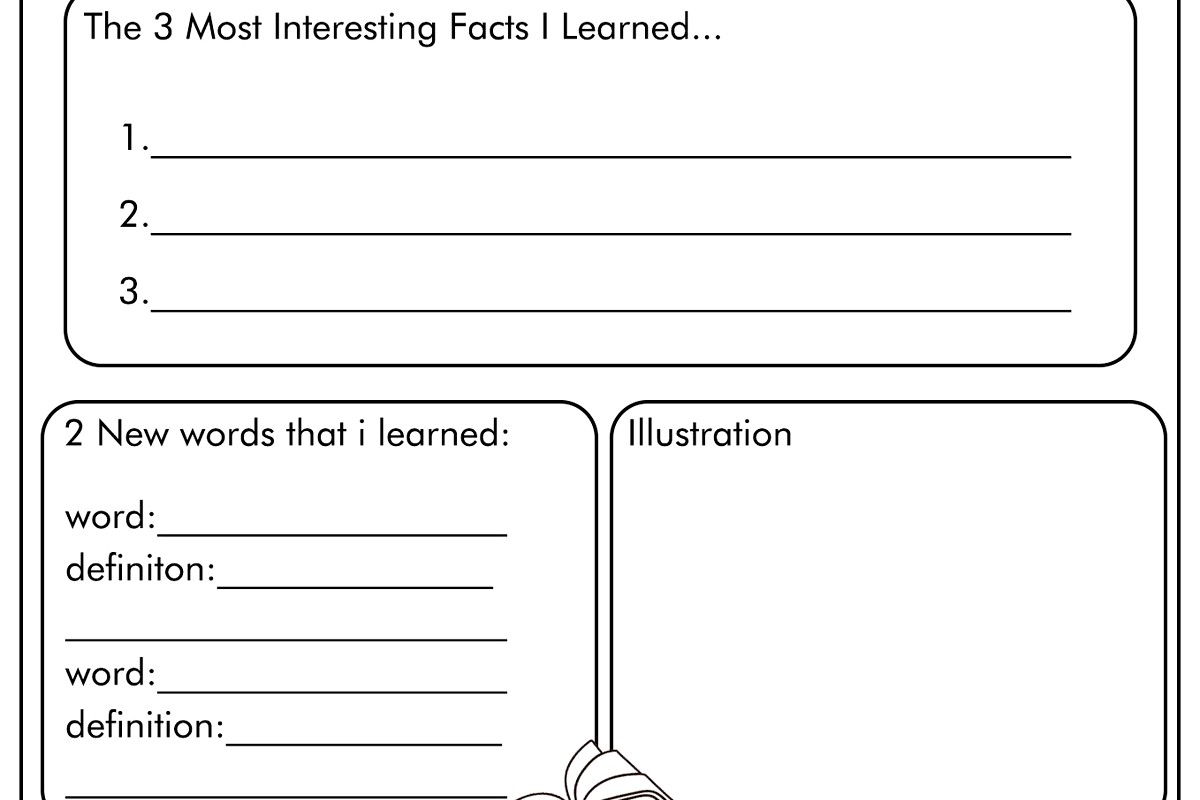
For each chapter include:
- Chapter title and number
- Main concept (one sentence)
- Key supporting evidence or examples (2-3 bullets)
- Notable quotes with page numbers
- How it connects to the overall thesis
I was binge-watching that show about chess last year while doing these breakdowns and honestly the distraction helped because I wasn’t overthinking every single detail. Sometimes you just need the highlights, not a dissertation on each chapter.
Oh and another thing – if a chapter is weak or repetitive, just note that. “Chapter 7 – mostly repeats Chapter 4 concepts with different examples.” Done. You don’t owe the book a glowing review of every section.
Key Arguments and Evidence Analysis
This is different from the chapter breakdown because here you’re pulling out the 3-5 main arguments the author makes across the ENTIRE book, not chapter by chapter. Think of it like… okay so imagine you’re explaining this book to someone at a coffee shop and they say “what are the main points?” – these are those points.
For each major argument document:
- The claim the author makes
- What evidence they provide (studies, anecdotes, historical examples, etc.)
- Whether the evidence is strong, weak, or questionable
- Your assessment of the logic
I’ve read probably 400+ non-fiction books for my work with authors and let me tell you, the evidence quality varies WILDLY. Some authors cite peer-reviewed studies from the last 5 years. Others are like “my friend told me this thing happened” and expect you to build your life around it. Note the difference.
Red Flags To Watch For
Cherry-picked data, outdated research (like 20+ years old for science/psychology topics), lack of citations, over-reliance on anecdotal evidence, correlation presented as causation. Just mark these when you see them. Doesn’t mean the book is worthless but you gotta know what you’re working with.
Author Credentials and Perspective
Wait I forgot to mention this earlier but it should probably go near the top – anyway, look into who actually wrote this book. Are they an expert in the field? A journalist who interviewed experts? Someone who had one experience and decided to write about it?
This matters because it affects how you weight their arguments. A clinical psychologist writing about anxiety treatment hits different than an influencer writing about the same topic based on their personal journey. Both can be valuable but in different ways.
Check the author bio, their credentials, previous books, what other experts say about their work. Takes like 10 minutes of googling but gives you important context.
Strengths and Weaknesses
Okay so this is gonna sound weird but I actually fill this section out AS I’m reading, not after. I keep notes on my phone and when something strikes me as particularly strong or weak, I jot it down immediately. Because if I wait until the end, I forget half of it or it all blurs together.
Strengths might include:
- Clear writing style
- Strong evidence base
- Practical actionable advice
- Fresh perspective on known topic
- Good organization and structure
- Effective use of examples and stories
- Comprehensive coverage of topic
Weaknesses might include:
- Repetitive content
- Could’ve been a long article instead of a book
- Weak evidence or no citations
- Biased perspective without acknowledging it
- Overly academic or jargon-heavy
- Missing important counterarguments
- Disorganized structure
Be honest here. Even books you love have weaknesses. Even books you hate probably have some strengths. This isn’t about being nice or mean, it’s about accurate analysis.
Comparison to Other Works
If you’ve read other books on the same topic, how does this one stack up? Is it saying something new or just rehashing the same ideas everyone else covers? Does it contradict other respected works in the field?
I keep a mental map of books by category – like for productivity I’ve got Getting Things Done, Deep Work, Atomic Habits, The One Thing, etc. When I read a new productivity book I’m automatically comparing it to those benchmarks. You don’t need to do a full comparison essay but noting “similar to X but with more focus on Y” is useful.
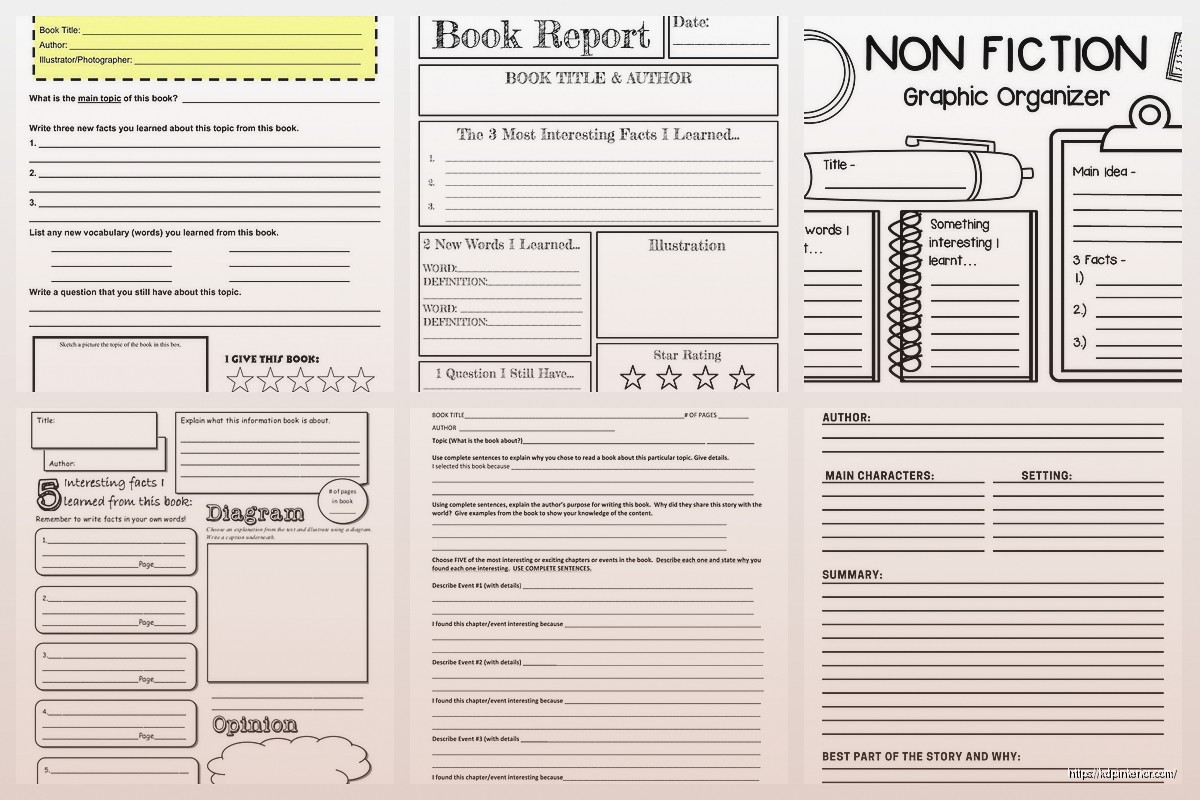
Target Audience Assessment
Who is this book actually for? Not who the author SAYS it’s for in the marketing copy, but who would genuinely benefit from reading it?
Is it for beginners or advanced readers? Academic or general audience? Specific profession or industry? What prior knowledge does it assume?
This helps when you’re recommending books later or trying to figure out if something is right for your own needs. I can’t tell you how many times someone asks me for a book recommendation and they want beginner-level but I’m thinking of advanced texts because I didn’t note the target audience properly.
Practical Application Section
This is honestly my favorite part because it’s where theory meets reality. What can you actually DO with the information in this book?
List out:
- Specific action items the book suggests
- Which ones seem most practical/doable
- Which ones you tried (if any) and results
- How you might apply concepts to your situation
- Potential obstacles to implementation
A book can be brilliantly written and well-researched but if you can’t apply anything from it, what’s the point? I mean sometimes you read for pure knowledge and that’s fine too, but most non-fiction readers want actionable insights.
Notable Quotes Collection
Keep like 5-10 quotes that really capture key ideas or are just well-stated. Include page numbers because future you will want to reference these and getting frustrated trying to find that one quote in a 300-page book is not fun.
I use these quotes later for content creation, social media posts, or just refreshing my memory on the book’s core ideas without rereading the whole thing.
Personal Reaction and Insights
What did YOU think? What surprised you? What confirmed things you already believed? What made you angry or excited? Did it change your mind about anything?
This section is totally subjective and that’s the point. Your personal reaction adds context that pure analysis can’t capture. Maybe the book was objectively well-written but you found it boring. Maybe it had flaws but one chapter genuinely shifted your perspective on something important.
I usually write this part stream-of-consciousness style right after finishing because if I wait, I lose the emotional response and it becomes too intellectual.
Rating System
Come up with whatever rating system makes sense to you. I use:
- Content Quality (1-5)
- Evidence Strength (1-5)
- Writing Quality (1-5)
- Practical Value (1-5)
- Overall (1-5)
Some people just do an overall rating. Some people don’t rate at all. Whatever works, just be consistent across your reports so you can compare later.
Final Recommendations
Would you recommend this book? To whom? Under what circumstances? Are there better books on the same topic? Should people read this before or after other related books?
Keep it simple: “Recommended for beginners in X field” or “Only read if you’ve already covered the basics” or “Skip unless you’re specifically interested in Y aspect.”
Oh and real talk – it’s okay to say a book isn’t worth reading. Your time is valuable. Not every published book deserves your attention or recommendation just because someone wrote it. I’ve DNF’d (did not finish) plenty of books and noted that in my reports. “Stopped at page 87 because X” is valid analysis.
The Template In Practice
When you actually sit down to do this, you don’t need to fill out every section perfectly or in order. I usually read with the template open and fill things in as I go. The chapter breakdown happens during reading. The strengths/weaknesses accumulate throughout. The personal reaction comes after.
Don’t make it a chore. The whole point is to help you remember, analyze, and use what you read. If a section doesn’t apply or seems useless for a particular book, skip it. This is YOUR template, not something you’re turning in for a grade.
I’ve probably spent the last 7 years refining how I analyze books and honestly the biggest lesson is just consistency. Use the same basic framework every time and you’ll build up this amazing reference library of insights. Way more useful than trying to remember details from books you read months or years ago.

 Coloring Animals Head Book for Kids, Perfect for ages 2-4, 4-8 | 8.5x11 PDF
1 × $0.00
Coloring Animals Head Book for Kids, Perfect for ages 2-4, 4-8 | 8.5x11 PDF
1 × $0.00  Editable Canva Lined Journal: Express Your Thoughts - KDP Template
1 × $0.00
Editable Canva Lined Journal: Express Your Thoughts - KDP Template
1 × $0.00 
DISCOVER OUR FREE BEST SELLING PRODUCTS
Editable Canva Lined Journal: Express Your Thoughts – KDP Template
Lined Pages Journal 120 pages Ready to Upload PDF Commercial Use KDP Template 6×9 8.5×11 5×8 for Notebooks, Diaries, Low Content
Lined Pages Journal 120 pages Ready to Upload PDF Commercial Use KDP Template 6×9 8.5×11 5×8 for Notebooks, Diaries, Low Content
Cute Dogs Coloring Book for Kids | Activity Book | KDP Ready-To-Upload
Daily Planner Diary : Diary Planners for Everyday Productivity, 120 pages, 6×9 Size | Amazon KDP Interior
Wolf Coloring KDP interior For Adults, Used as Low Content Book, PDF Template Ready To Upload COMMERCIAL Use 8.5×11"
Coloring Animals Head Book for Kids, Perfect for ages 2-4, 4-8 | 8.5×11 PDF
Printable Blank Comic Book Pages PDF : Create Your Own Comics – 3 Available Sizes
Notes KDP interior Ready To Upload, Sizes 8.5×11 6×9 5×8 inch PDF FILE Used as Amazon KDP Paperback Low Content Book, journal, Notebook, Planner, COMMERCIAL Use
Black Lined Journal: 120 Pages of Black Lined Paper Perfect for Journaling, KDP Notebook Template – 6×9
Student Planner Journal 120 pages Ready to Upload PDF Commercial Use KDP Template 6×9" 8.5×11" for Low Content book
Recipe Journal Template – Editable Recipe Book Template, 120 Pages – Amazon KDP Interior