
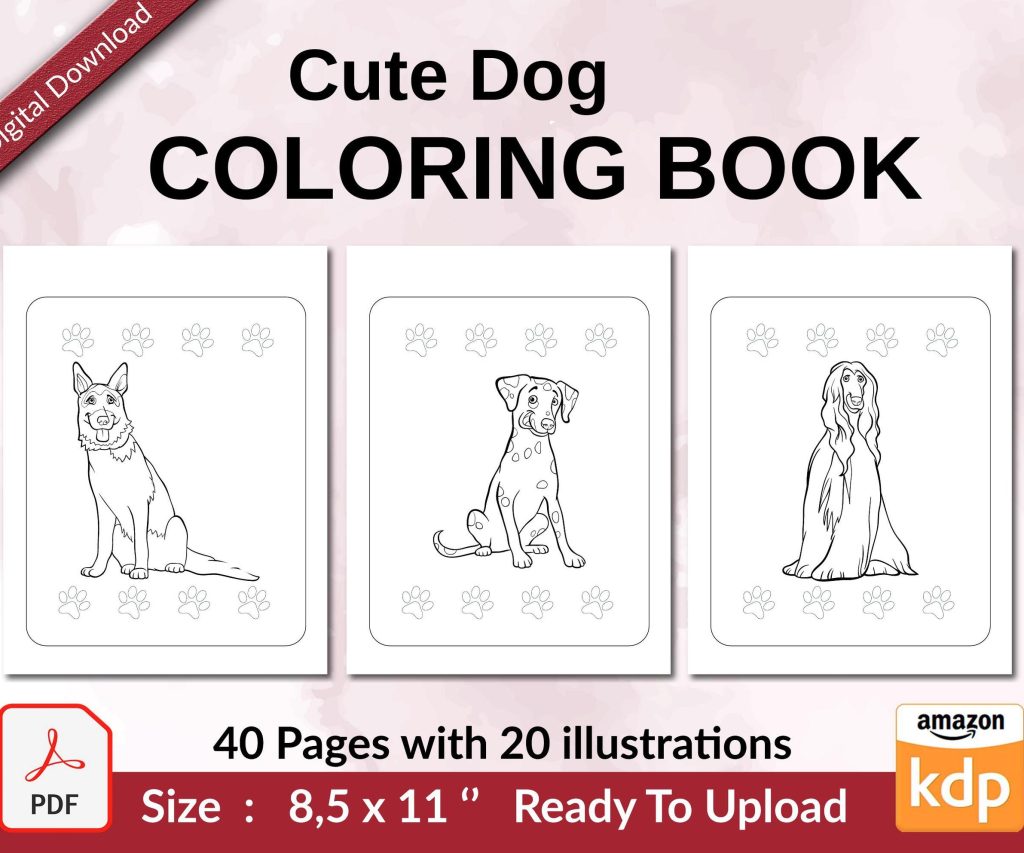
 Cute Dogs Coloring Book for Kids | Activity Book | KDP Ready-To-Upload
 Subtotal: $0.00
Amazon KDP guide, KDP book publishing
Nonfiction Book Proposal Template: Traditional Publishing
30
Apr
Apr
Okay so here’s the thing about nonfiction book proposals—they’re basically your entire sales pitch to traditional publishers wrapped up in one document, and I spent like three years watching authors mess this up before I finally sat down and mapped out what actually works.
The query letter comes first, and honestly most people overthink this part. You need one page, maybe 250 words max. Start with the hook—what’s your book about and why should anyone care RIGHT NOW. Not in some abstract way but like… if someone’s scrolling their phone at 11pm, what makes them stop? I tested this with my own queries back when I was trying to break into traditional before going all-in on KDP, and the ones that worked always had that specificity in the first paragraph.
Then you gotta explain why you’re the person to write this book. Platform matters here way more than talent honestly, which sucks but that’s publishing. If you’ve got 50k Instagram followers or a podcast or you’re a recognized expert in your field, lead with that. Publishers want to know you can actually sell books to real humans.
The Overview Section Is Where Most Proposals Die
This is usually 2-3 pages and it’s basically your book’s elevator pitch on steroids. You need the hook again (yeah, repeat yourself, they’re skimming), the promise of what readers will get, and why this book needs to exist in the market RIGHT NOW.
I see people write these like academic papers and it’s painful. Write it like you’re explaining your book idea to someone at a bar who’s actually interested. What problem does it solve? What transformation happens? Be specific with outcomes.
One thing that worked for me—and I stole this from watching successful proposals—is including a “reader avatar” paragraph. Literally describe who this book is for: “This book is for the 35-year-old middle manager who’s tired of being passed over for promotions and wants to finally understand workplace politics without compromising their integrity.” Publishers love that specificity because it helps them visualize the marketing.
Oh and you need a compelling title and subtitle. The subtitle does the heavy lifting in nonfiction, explaining exactly what the book delivers. Like “The Proposal Blueprint: How to Land a Traditional Publishing Deal in 90 Days Without an Agent” or whatever. Make it searchable, make it clear.
Market Analysis Is Not Optional
This section trips people up because you’re basically saying “here are 5-7 books that are sorta like mine BUT here’s why mine is different and needed.” It feels counterintuitive to point publishers toward your competition but they’re gonna look anyway, so you might as well control the narrative.
Pick books that sold well (check Amazon rankings, look at reviews, see if they hit any bestseller lists). Then for each one, write a paragraph: what’s the book, why was it successful, and what gap does YOUR book fill that this one doesn’t?
I usually structure it like: “Book Title by Author (Publisher, Year) sold over 100k copies by focusing on X approach. However, it doesn’t address Y, which is exactly where my book comes in by offering Z.”
The key is showing you understand the market without being threatened by it. Publishers want to see comparable titles because it proves there’s demand, but they also want to see white space where your book fits.
And look—be honest about this. Don’t pick books from 1997 or super obscure academic texts. Pick the actual books your target readers are buying right now. I made this mistake once comparing my idea to some really niche business book when I should’ve been looking at mainstream stuff. Nobody cared about my obscure reference.
Target Audience Section
This is where you get really specific about WHO is buying this book. Demographics, psychographics, where they hang out online, what other books they buy, what problems keep them up at night.
Publishers want numbers if you can get them. “There are approximately 4.5 million small business owners in the US struggling with X problem” or “According to recent studies, 67% of millennials report feeling Y anxiety.”
But also make it personal and vivid. Don’t just say “entrepreneurs”—say “first-time entrepreneurs between 25-45 who’ve left corporate jobs in the past 2 years and are overwhelmed by the marketing side of business.”
The more specific you are, the easier it is for publishers to see the marketing angles. They’re thinking about where to place ads, what podcasts to pitch you for, what influencers might promote it.
About The Author Might Be Your Strongest Section
This is your bio but specifically focused on why you’re credible to write THIS book. It’s not your life story—it’s your relevant expertise, platform, media experience, and any previous publishing credits.
Start with your most impressive credential related to the book topic. If you’re writing about productivity and you’ve consulted for Fortune 500 companies, lead with that. If you’ve got a PhD in the subject, mention it early.
Then talk platform numbers. Social media followers, email list size, podcast downloads, speaking gigs, media appearances. Be specific: “I’ve spoken to over 50,000 people at conferences in the past three years” or “My LinkedIn posts regularly reach 100k+ professionals.”
Include any media stuff—TV appearances, podcast interviews, articles you’ve written for major publications. Publishers love “as seen in” credentials because it means you’re already media-trained and have existing relationships with journalists.
And if you’ve published before, definitely mention it. Even if it’s just articles or a self-published book that did decent numbers, it shows you can finish projects and reach readers.
Marketing and Promotion Plan
Okay so this part is gonna sound weird but publishers expect YOU to do most of the marketing now, especially for nonfiction. They want to see you already have a plan and the platform to execute it.
Break this into categories:
Existing Platform: Email list, social media, blog, podcast, YouTube channel—whatever you’ve already built. Include actual numbers and engagement rates if they’re good.
Speaking and Events: Where can you speak about this topic? Conferences, workshops, corporate training, webinars? List specific venues or types of events where you already have access or relationships.
Media Connections: Do you have relationships with journalists, podcast hosts, or influencers in your space? Can you pitch yourself to specific shows or publications? Be realistic but also ambitious here.
Strategic Partners: Are there organizations, companies, or influencers who might promote your book because it aligns with their mission? Maybe you’re writing about sustainable living and you’ve got connections with environmental nonprofits.
I spent probably two weeks building out this section for a proposal I worked on, and it ended up being like 3 pages because I really mapped out the specifics. Publishers responded way better when I had actual plans instead of vague promises.
Chapter Outline Is Where Structure Shows
This is usually the bulk of your proposal—like 10-20 pages depending on how many chapters you’re planning. For each chapter, you need:
A compelling chapter title that hints at the content and benefit. The working title and a one-line description of what the chapter covers. Then a detailed summary—usually 1-2 pages per chapter—explaining the key points, stories, examples, and takeaways.
Some people just do bullet points but I’ve found that more narrative summaries work better. You’re showing you can actually write engagingly while proving you’ve thought through the content thoroughly.
Include any special elements: case studies, exercises, checklists, interviews, research findings. Publishers want to see variety in how you’re delivering information.
And make sure there’s a logical flow from chapter to chapter. Each one should build on the previous, creating a journey for the reader from problem to solution or from basics to advanced.
Oh and another thing—don’t outline the entire book if it’s gonna be like 30 chapters. Somewhere between 10-15 chapters is usually ideal for most nonfiction. Publishers can visualize that better.
Sample Chapters Are Non-Negotiable
Most publishers want to see 1-3 complete sample chapters, usually including the introduction. These need to be POLISHED. Like, hire-an-editor polished if you’re not a confident writer.
The intro is critical because it sets the tone and voice for the entire book. Start with a compelling hook—a story, a surprising statistic, a provocative question. Then lay out the promise of the book and preview the journey.
For the other sample chapters, pick ones that showcase different aspects of your writing. Maybe one that’s heavy on storytelling and one that’s more instructional or research-based. Show range while maintaining consistent voice.
I usually recommend writing the intro and chapter one fully, then maybe chapter three or four. Don’t just do chapters 1, 2, 3 in order—pick chapters that are strongest and most representative.
Wait I forgot to mention—some agents and publishers are cool with just the proposal without samples if you’ve got a strong platform, but most want to see you can actually deliver on the promise. Better to have them ready.
Timeline and Specifications
Include a realistic timeline for completing the manuscript if you get a deal. Usually 9-12 months is standard for a nonfiction book, but it depends on the research involved.
Also specify the estimated word count. Most nonfiction books are between 50,000-70,000 words. Business books can be shorter (40k-50k), memoir-style can be longer (70k-90k). Know what’s standard for your genre.
Mention any illustrations, photos, charts, or special elements you’re planning. If it’s gonna require special design or color printing, publishers need to know that upfront because it affects costs.
The whole proposal usually ends up being 30-50 pages total, sometimes more if you’ve got extensive sample chapters or a really detailed marketing plan.
And look—this is gonna take you weeks to put together properly. Maybe months if you’re doing it while working full-time. I see people rush these and then wonder why they get rejected. Publishers can tell when you’ve half-assed it versus really thought through every element.
My cat just knocked over my coffee which is probably a sign I should wrap this up, but honestly the biggest thing is just making sure every section answers the question “why should a publisher invest $50k-$100k in this book?” Because that’s what they’re risking. Make it impossible for them to say no by proving there’s a market, you can reach it, and you can deliver quality content.
DISCOVER OUR FREE BEST SELLING PRODUCTS
Editable Canva Lined Journal: Express Your Thoughts – KDP Template
Lined Pages Journal 120 pages Ready to Upload PDF Commercial Use KDP Template 6×9 8.5×11 5×8 for Notebooks, Diaries, Low Content
Lined Pages Journal 120 pages Ready to Upload PDF Commercial Use KDP Template 6×9 8.5×11 5×8 for Notebooks, Diaries, Low Content
Cute Dogs Coloring Book for Kids | Activity Book | KDP Ready-To-Upload
Daily Planner Diary : Diary Planners for Everyday Productivity, 120 pages, 6×9 Size | Amazon KDP Interior
Wolf Coloring KDP interior For Adults, Used as Low Content Book, PDF Template Ready To Upload COMMERCIAL Use 8.5×11"
Coloring Animals Head Book for Kids, Perfect for ages 2-4, 4-8 | 8.5×11 PDF
Printable Blank Comic Book Pages PDF : Create Your Own Comics – 3 Available Sizes
Notes KDP interior Ready To Upload, Sizes 8.5×11 6×9 5×8 inch PDF FILE Used as Amazon KDP Paperback Low Content Book, journal, Notebook, Planner, COMMERCIAL Use
Black Lined Journal: 120 Pages of Black Lined Paper Perfect for Journaling, KDP Notebook Template – 6×9
Student Planner Journal 120 pages Ready to Upload PDF Commercial Use KDP Template 6×9" 8.5×11" for Low Content book
Recipe Journal Template – Editable Recipe Book Template, 120 Pages – Amazon KDP Interior